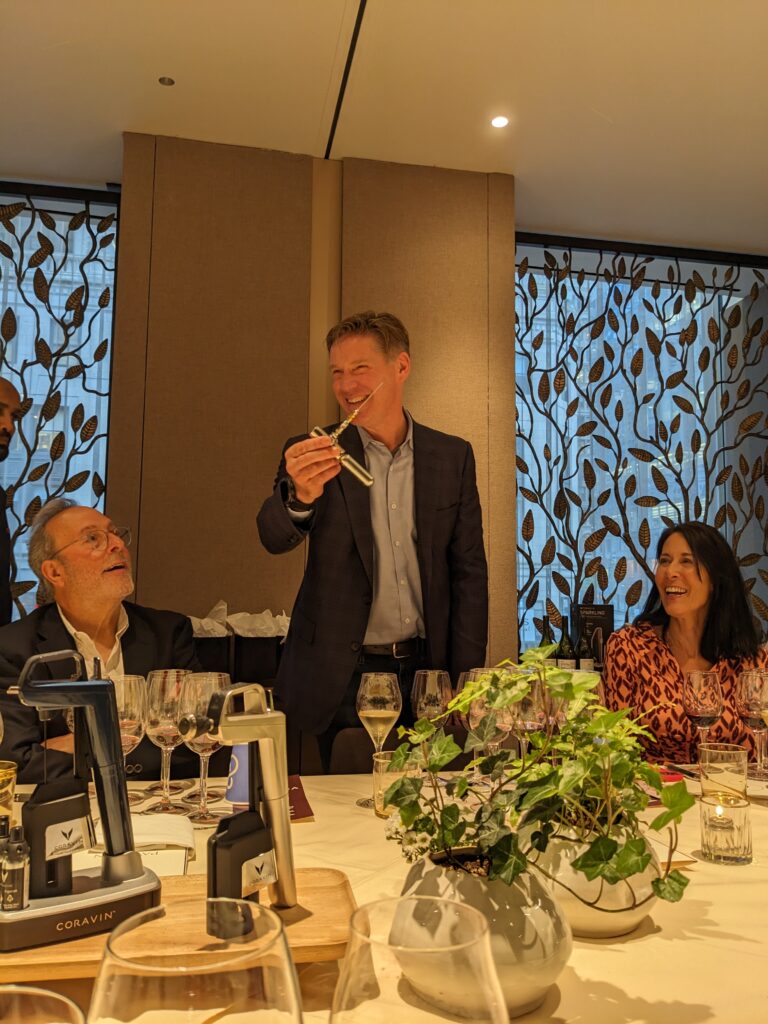
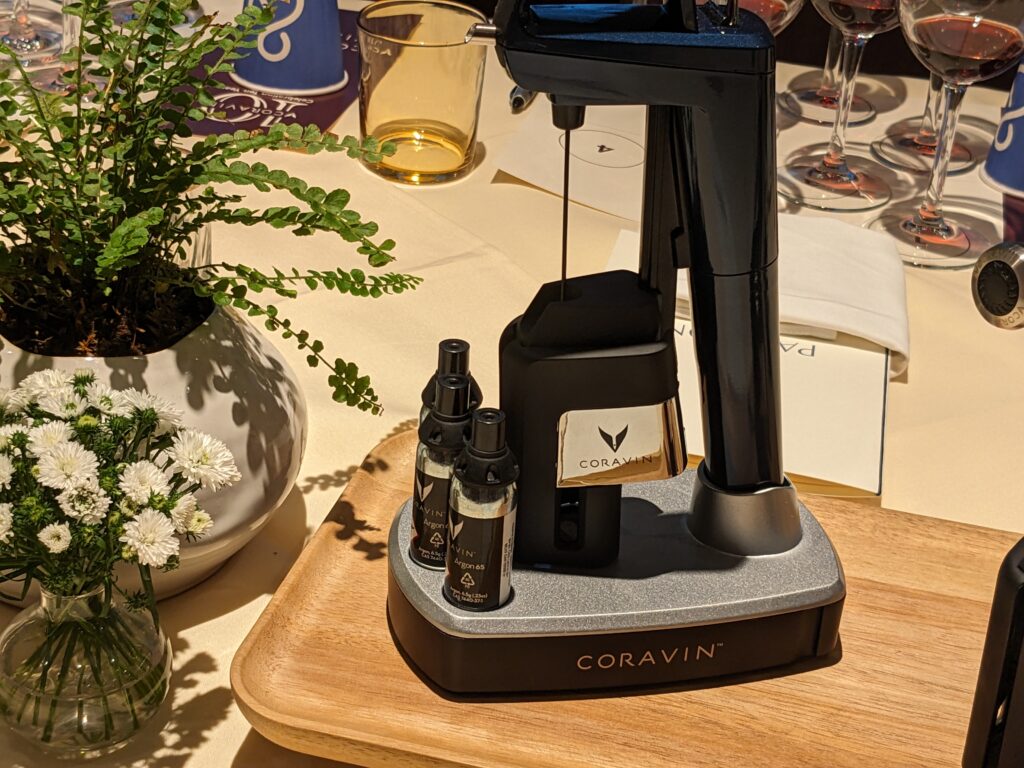
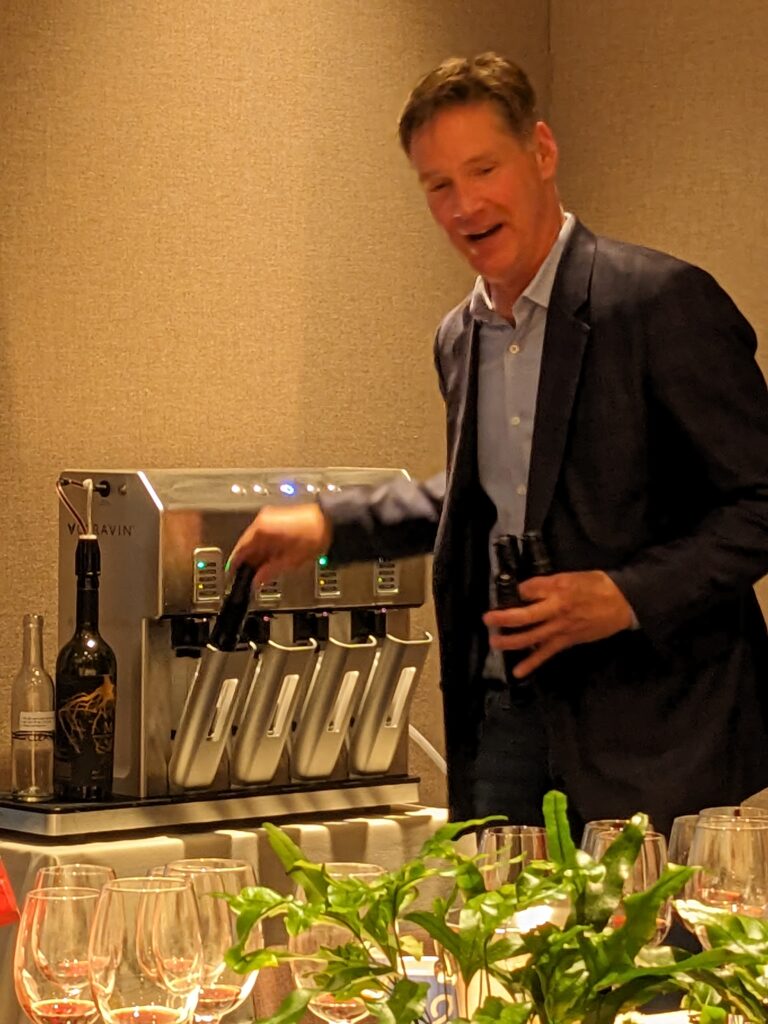
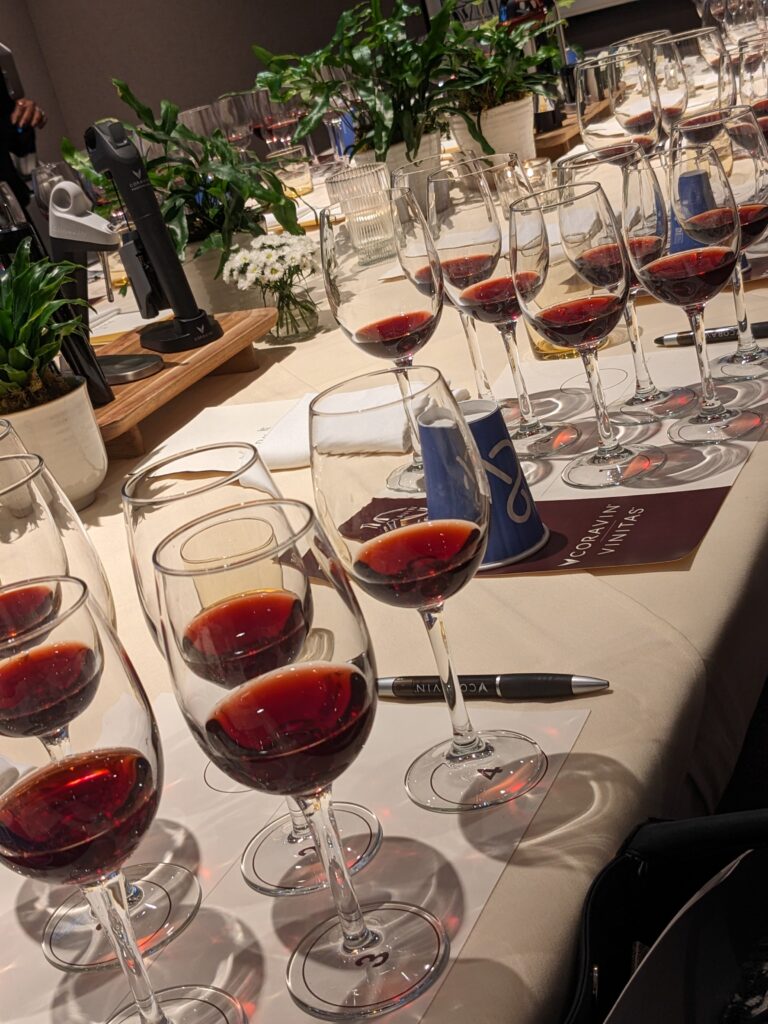
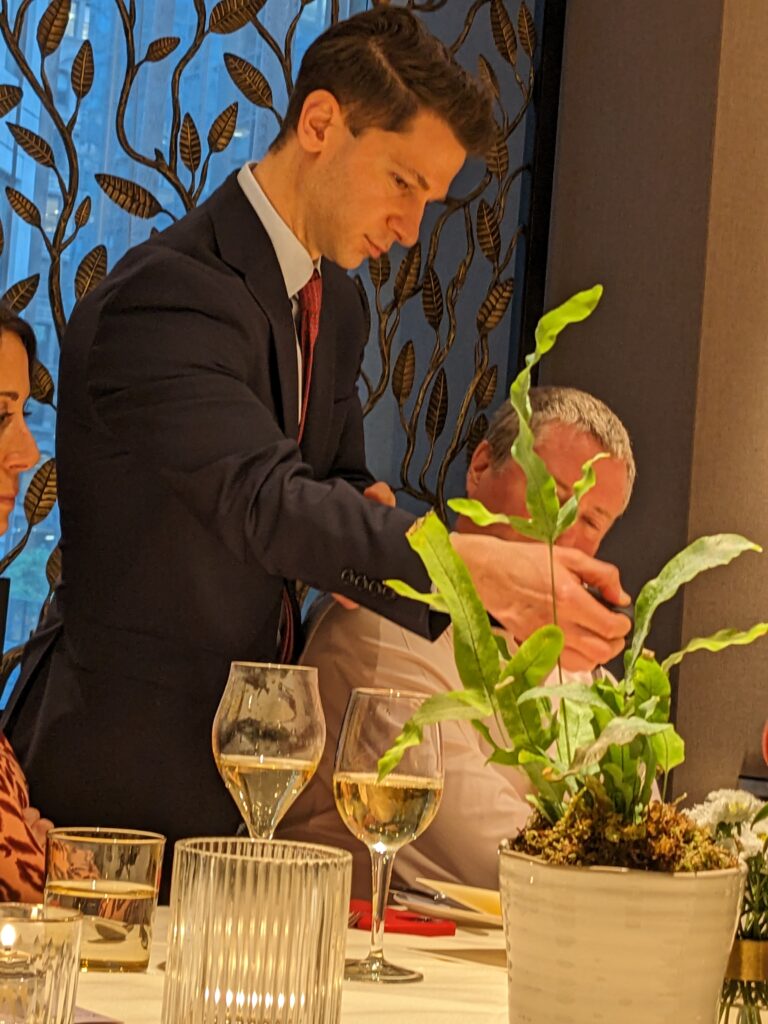
Where were you 10 years ago? Some days I have trouble remembering where I was 10 hours ago (let alone 10 years), but in this case, about 10 days ago, I had the distinct pleasure of celebrating Coravin’s 10th anniversary with founder, Greg Lambrecht. It was a wonderful evening spending time with the intelligent and personable Lambrecht as we learned about the genesis of this unique wine device, designed to preserve the integrity of an “open” bottle of wine.
As an inventor and MIT-trained physicist, Lambrecht develops medical devices for spinal injuries through his company, Intrinsic Therapeutics, Inc. When one has such capacity, it’s hard not to use those same skills to solve your own “problems”.
His “problem”? How to enjoy high quality wine in a single serving without negatively impacting the rest of the bottle/wine (once a wine is opened and has exposure to air/oxygen, it will eventually begin to oxidize). The situation was exacerbated when his wife became pregnant and gave up drinking. A devout, long-time wine aficionado (Lambrecht first fell in love with wine at age 16 on a trip to the Napa Valley), he wanted to be able to enjoy a glass or two with dinner. Thus, he sought to address the problem for his own daily enjoyment.
His initial thoughts on how to build a better mouse trap (such as mimicking tools like the Vacuvin) didn’t seem to yield the correct solution. Thus, while he felt that he needed a better way to solve this conundrum, it wasn’t until he came upon the key thought – to not open the bottle – that idea for Coravin came about.
The first prototype debuted in 1999 and was dubbed the “mosquito” by his young son. Prototype 1.5 included the all-important regulator, which he quickly discovered was essential due to the extreme pressure of the gases (argon or nitrogen) being pumped into the bottle to replace the lost (aka drink) wine.
It took 14 iterations to get it right. But, despite the time and energy invested in these iterations, it wasn’t until 2011 that he founded the company, Coravin, recognizing that it could become a commercial product able to solve the same issue for other people. The Coravin product was officially launched in 2013.
Building on that success, his latest product is Vinitas, which came about as a request from wine director, Daniel Johannes during the Pandemic. Johannes wanted to be able to send out samples of high-end wines for his La Paulee event since meeting in person wasn’t an option. Lambrecht took on the challenge, but it took a full three years to develop the tool. The resulting machine breaks down the volume of a bottle of wine into fractions, while ensuring that the wine remains unharmed by exposure to air. Lambrecht joked it is the “smallest bottling line”.
While not ready in time to address Johannes’ quandary over La Paulee, Vinitas is useful for wineries and wine stores to permit the customer to more easily sample wine with a smaller commitment and is currently available to be leased.
Today, Coravin is available in 60 different countries and Lambrecht now spends only 50% of his time in medical devices development, traveling worldwide to promote his vinous inventions.
Not surprisingly, as someone who invents devices that improve people’s health, Lambrecht has always been motivated by the desire to positively influence people’s lives. Consequently, he is extremely gratified by the positive impact that Coravin has had on the wine world and in the way that people drink wine. is also proud to be a disrupter and shared stories of how he was initially met with skepticism or even outright disdain. In this regard, the sommelier of a prestigious German restaurant refused to take a meeting with him and the owner of a French chateau threatened to thwart his product by the insertion of a metal strip under the capsule. Both of whom eventually saw Coravin’s benign benefit. Similarly, wine critic Robert Parker made it clear that he had no interest in “gadgets” yet by the end of the meal he shared with Lambrecht, he was a true convert.
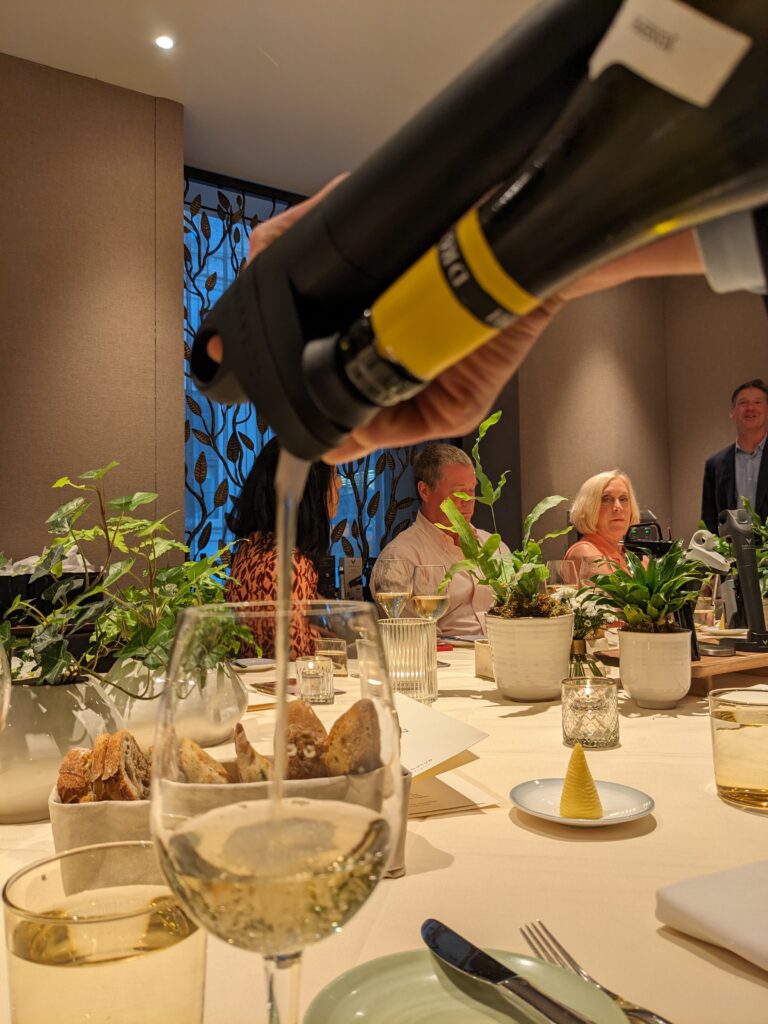
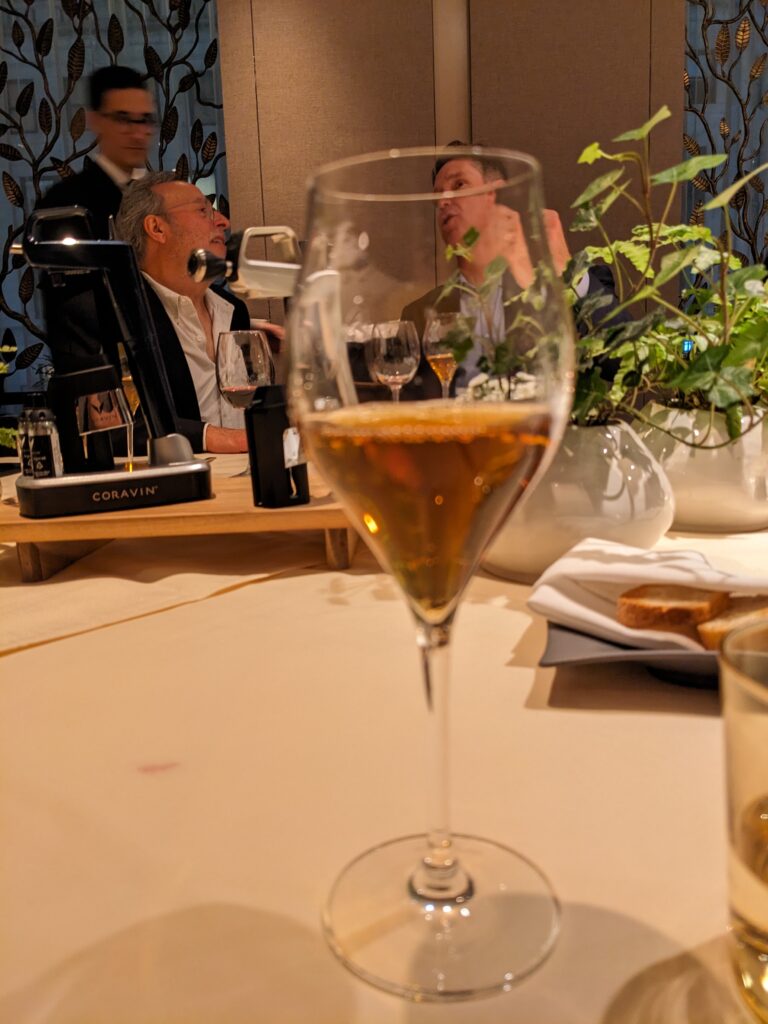
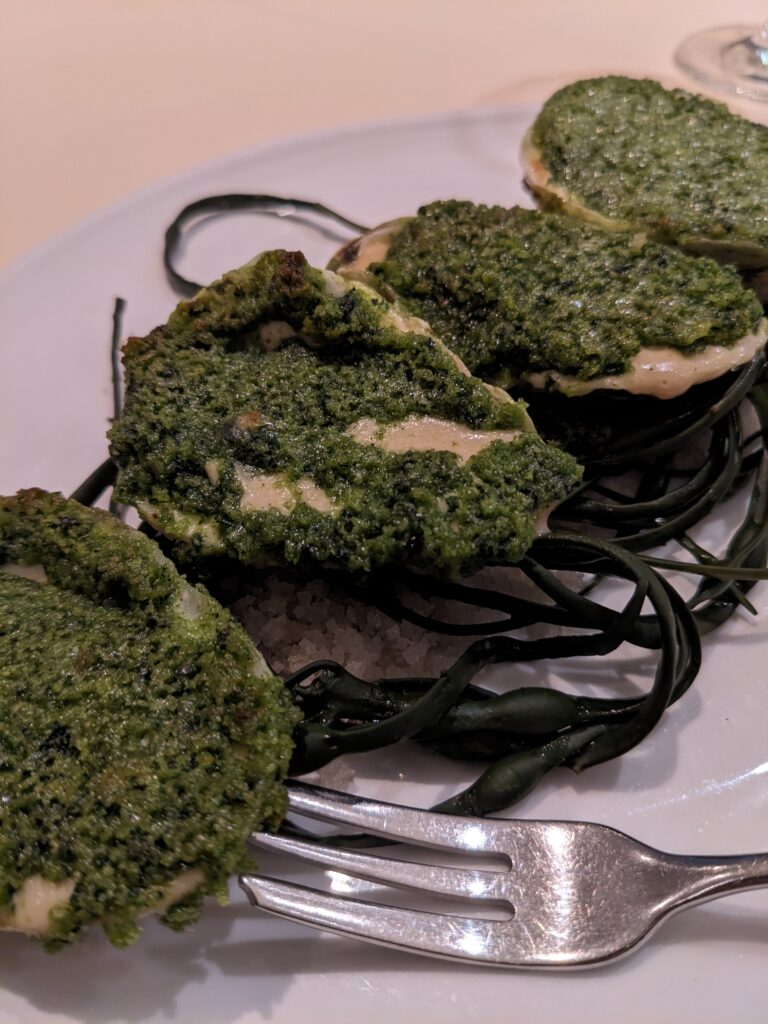
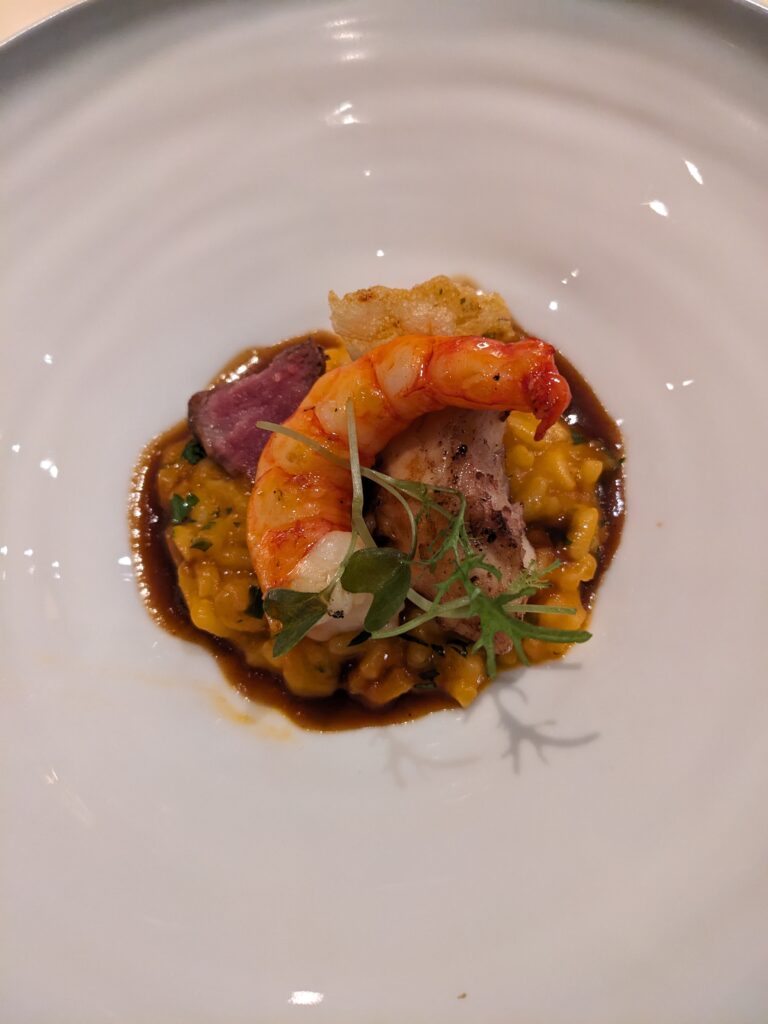
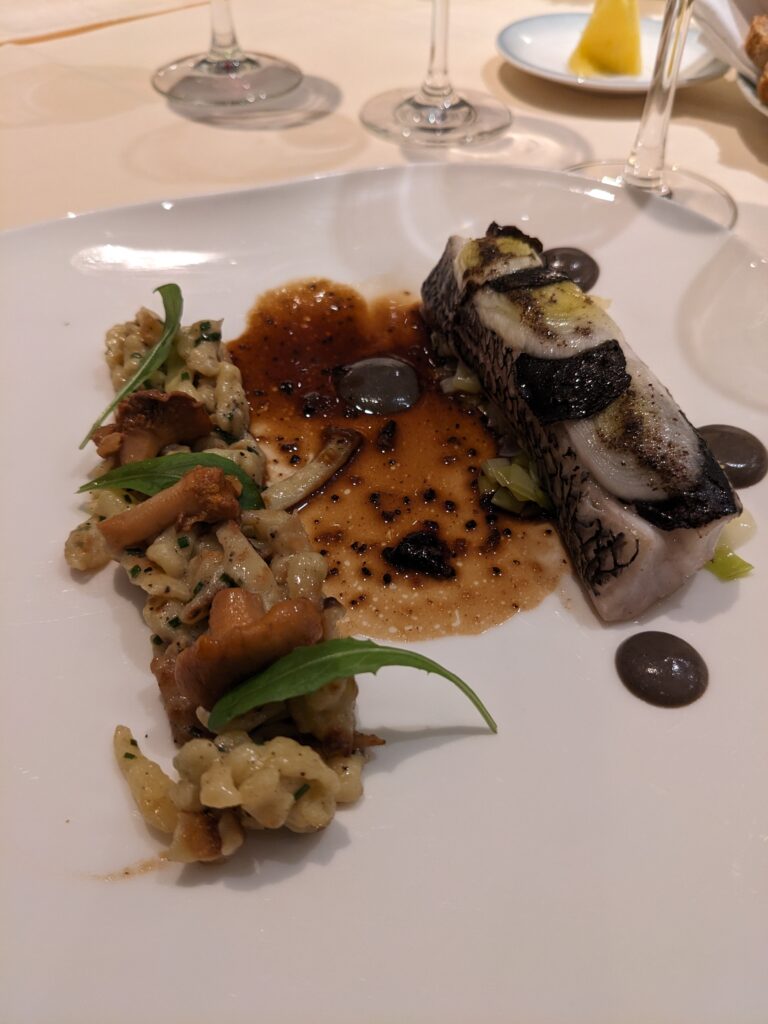
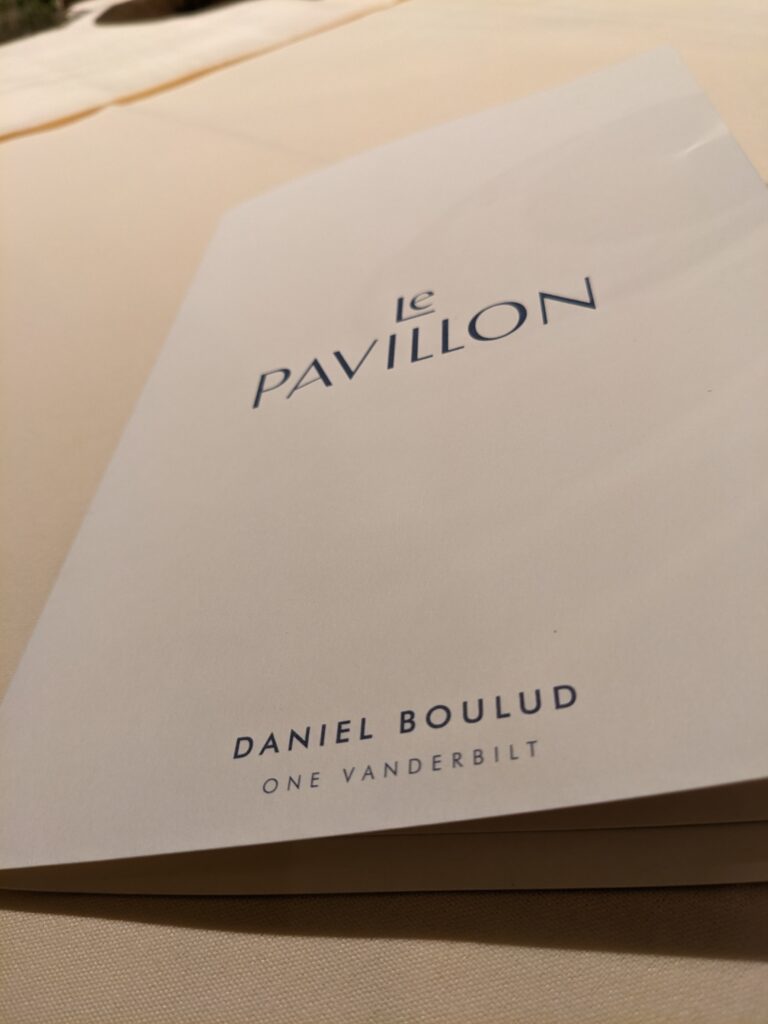
Which brings me back to the Coravin celebration with Lambrecht at Le Pavillion restaurant in New York City, at which we tasted a 2001 Bordeaux, which had been “opened” 19 years ago under Coravin. It was still very enjoyable and showed no signs of oxidation. It was quite a triumph, even to Lambrecht who had only previously anticipated a 15-year window. Equally impressive, if not more so, we tasted Rare Champagne 2008, which had been opened under Coravin for two weeks and was still very effervescent, displaying small, persistent bubbles for over an hour in my glass!
Coravin is not particularly intended for the average consumer to purchase directly (although if you have the means, I am sure they would be happy to sell it to you). Rather, the average consumer can certainly benefit from Coravin by having the opportunity to taste high end wines at restaurants and wine bars without having to invest in an entire bottle.
So, on the arrival of Coravin’s anniversary, I invite you to raise a glass and toast the ingenuity of a wine-obsessed physicist. Cheers to Lambrecht and cheers to Coravin!
Summertime… and the living is easy (or at least less encumbered compared to winter – no hats, gloves or scarves or bulky winter coats).
The Summer Solstice is upon us, and, although the weather doesn’t quite feel like it, it is indeed summertime and the season for barbecues, picnics and other outdoor endeavors. It’s a great time to gravitate towards fresh whites, lighter reds and the ubiquitous roses. Sparkling wines are also a fabulous option for this time of year (check out my story on Moscato d’Asti).
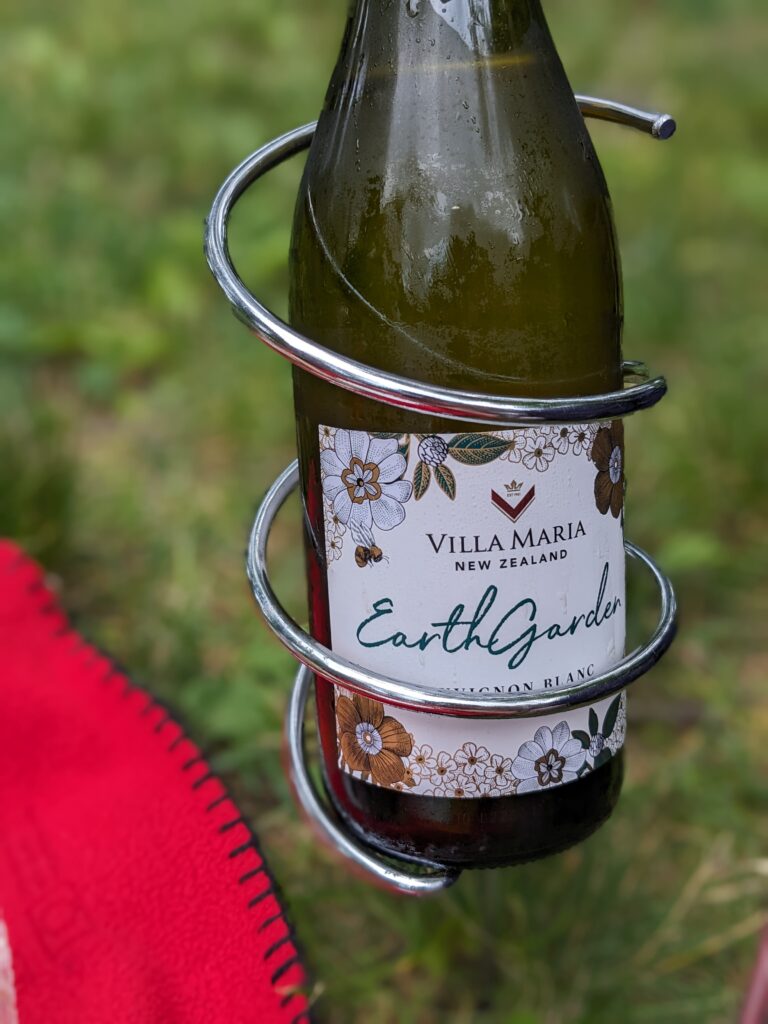
Villa Maria EarthGarden Sauvignon Blanc 2022, Marlborough, New Zealand, $20.00 From one of my favorite NZ producers, this wine is produced as a blend of 100% Sauvignon Blanc grapes harvested from several vineyards, all of which are sustainably grown. What that means is that the vineyards are free from synthetic pesticides and herbicides and are planted with a plethora of wildflowers to attract bees and beneficial insects. The nose offers up pronounced aromas of grapefruit and a slight herbal note. The medium bodied palate is fresh and bright, with grapefruit, herbs and the addition of lime, culminating in long length.
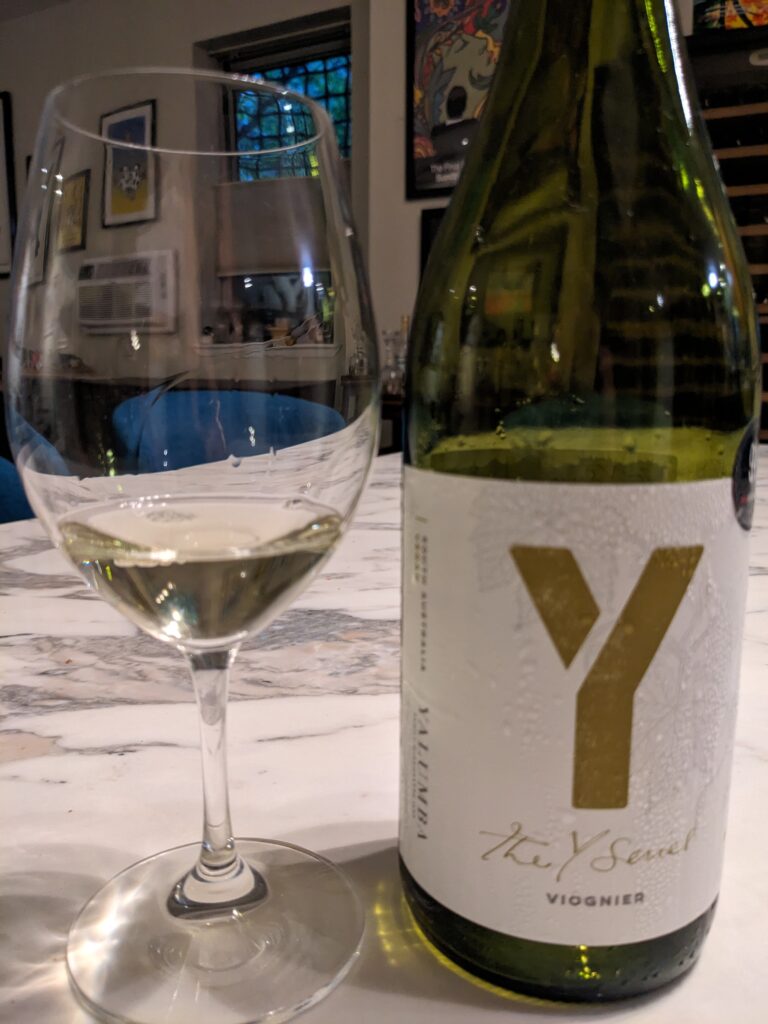
Yalumba Y Series Viognier 2021, Barossa Valley, Australia, $14.00 This wine underwent wild fermentation and lees aging, both of which add depth and complexity to the wine. With distinct floral, tangerine and tropical fruit aromas on the nose, the full bodied palate provides good acidity, joined by flavors of ginger and citrus, with long length.
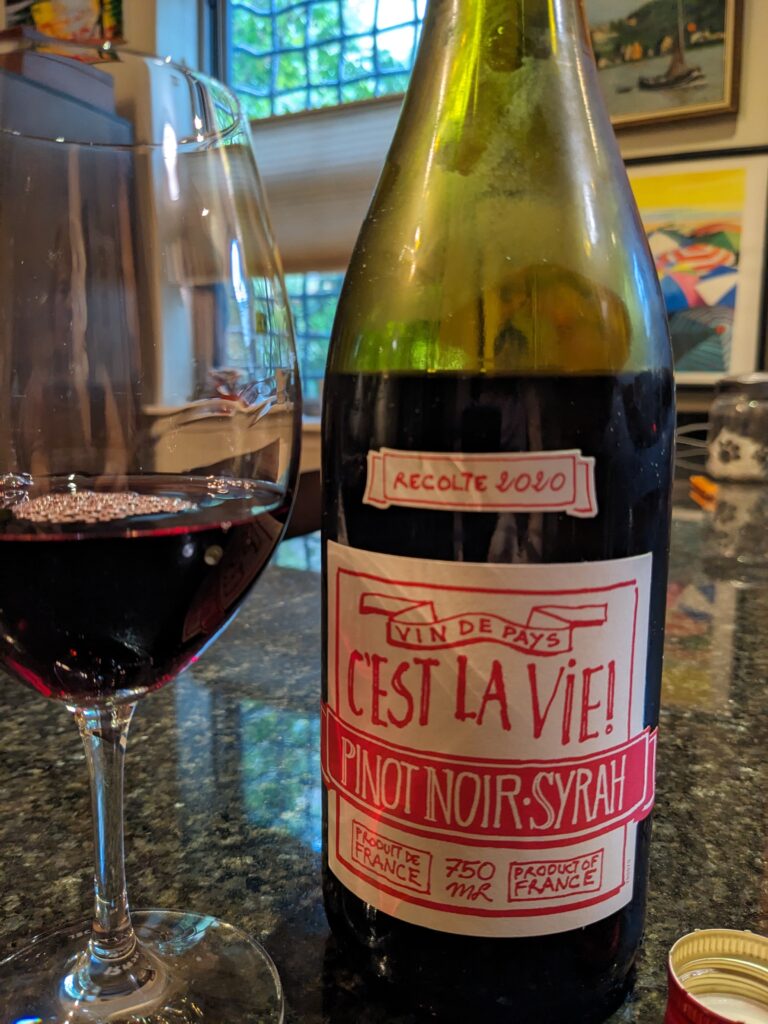
C’Est La Vie Pinot Noir Syrah 2020, Vin de Pays, France, $13.00 From Burgundian producer, Albert Bichot, this red blend (60% Pinot Noir and 40% Syrah) is a fresh and lively, easy drinking wine that’s perfect for a picnic or barbecue. With aromas of spice, earth, smoke and berries, it is dry, yet ripe, on the palate with medium+ acidity, medium+ body and medium+ length.
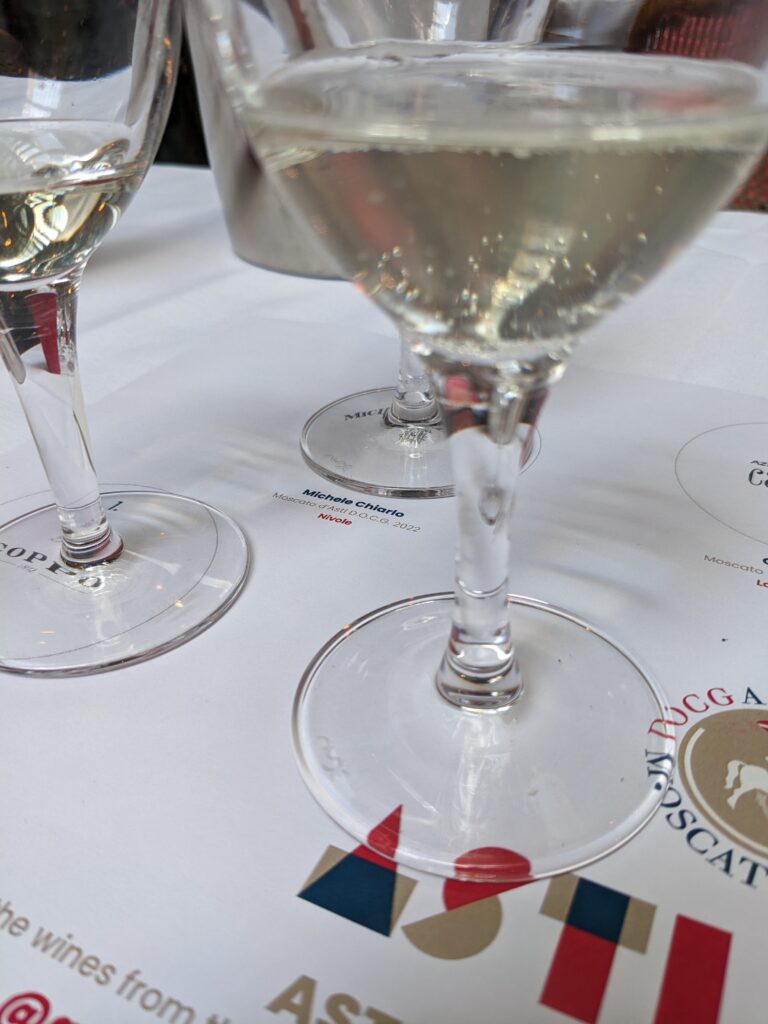
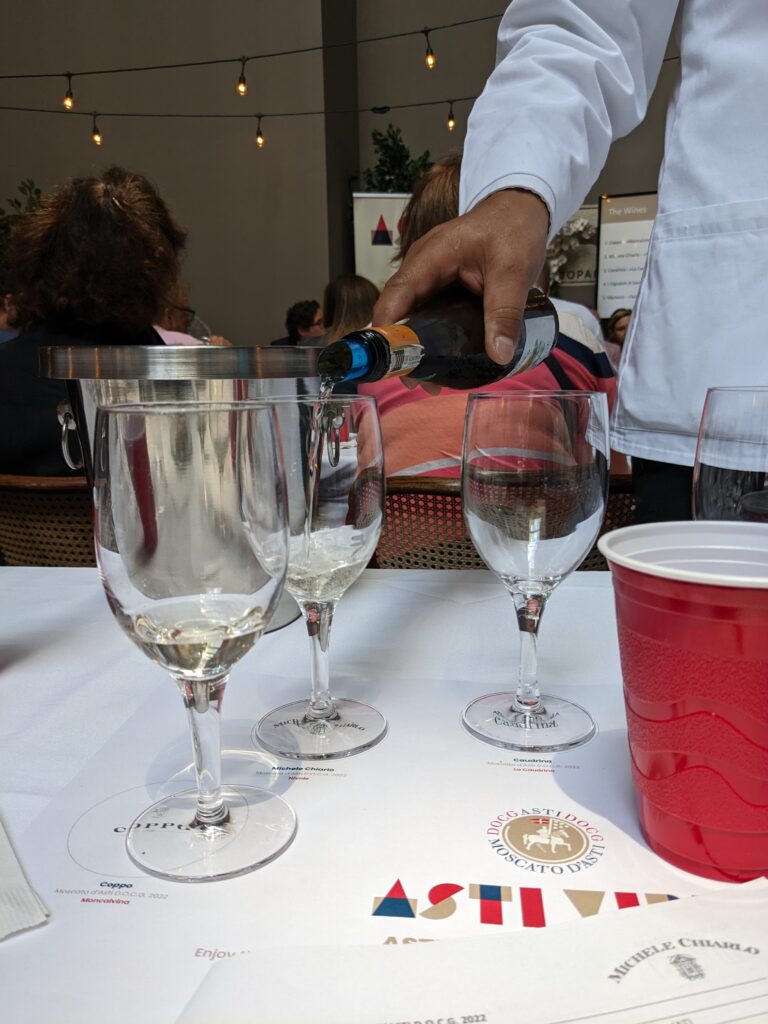
Are you in an Asti vibe? A recent Masterclass was the perfect opportunity to reacquaint myself with these sweet, sparkling wines from Italy’s Piedmont region. With the goal of transferring the grape to the glass, these wines benefit from the Moscato Bianco grape variety’s highly aromatic character.
Situated within Piedmont is the province of Asti, at the foot of the Italian Alps. The climate is influenced by both the mountains and its proximity to the sea and the soils are comprised of ancient sea beds. Viticulture must be manual due to the significantly steep vineyards. The various altitudes and variety of soils conspire to produce a range of aromatic compounds that provide complexity in the glass.
Here, Moscato Bianco grapes have been grown in the area since 1510, a transplant from the Middle East. There are 51 towns who lay claim to the Moscato d’Asti DOCG, which was the first sparkling wine produced in Italy back in 1865 by Carlo Gancia.
Utilizing the Charmat Method, the wines are pressurized in stainless steel tanks, preserving the aromatics in the wine and adding a slight effervescence, with a maximum of 2 bars of pressure (by contrast Champagne and other fully sparkling wines have 5 yo 6 bars of pressure).
The production method also requires that the wines maintain sweetness. Consequently, they generally range from 120-150 g/l of residual sugar, which is well balanced with sufficient acidity and bubbles. This also means that these wines are much lower in alcohol with 5-6% alcohol by volume.
With this lightness, freshness and lower alcohol, these are great wines for the heat of summer and are a perfect pairing with fruit, light desserts or an excellent counterbalance to a salty, savory dish such as prosciutto with melon.
TASTING NOTES
Coppo Moncalvina Moscato d’Asti DOCG 2022, Piedmont, Italy Coppo has been making Moscato since day one of the winery, among its other wines. Aromas of floral notes, gardenia and pear greet the nose. The palate is medium sweet, light bodied, with good effervescence and freshness. The acidity and sweetness are well balanced, with flavors of lemon candy and floral, culminating in long length.
Michele Chiarlo Nivole Moscato d’Asti DOCG 2022, Piedmont, Italy At Chiarlo, they take great pride in managing the Moscato vineyards with the same care they give to Barolo vines. The wine displayed lots of visible bubbles, with aromas of peach and blossom. The palate was less sweet than the Coppo, with great acidity, light body, peach flavors, persistent bubbles, and long length.
Caudrina La Caudrina Moscato d’Asti DOCG 2022, Piedmont, Italy Redolent of honeysuckle, this wine is medium sweet, yet fresh, with lovely effervescence; flavors of honey, honeysuckle and hint of herbs; culminating in medium+ length.
I Vignaioli di Santo Stefano – Ceretto Moscato d’Asti DOCG 2022, Piedmont, Italy A fresh nose with honey and cantaloupe aromas and flavors, this wine is off dry, with bright and lively acidity on the palate. The mouthwatering character of the wine lingers in the medium+ length.
Marenco Scrapona Moscato d’Asti DOCG 2022, Piedmont, Italy The mention of Scrapona on the label refers to a specific vineyard from which the grapes for this wine are harvested. Slight skin contact resulting in a hint of color. White flowers, fresh, balanced, lightly sweet, pear, honey, long length with a clean finish.
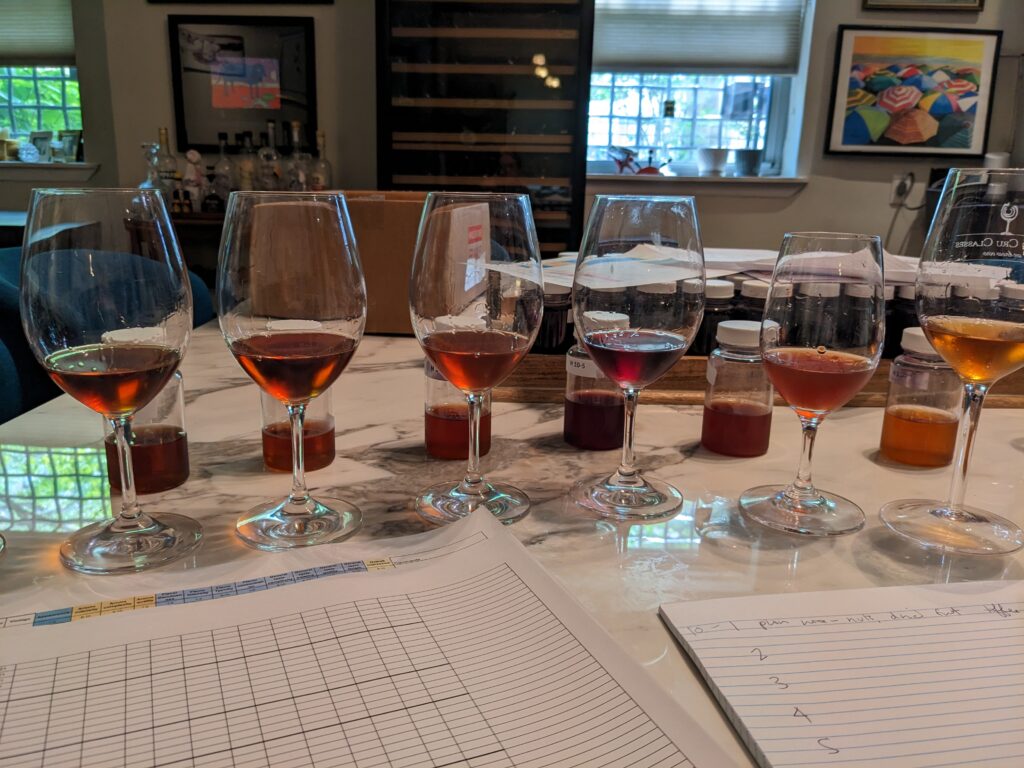
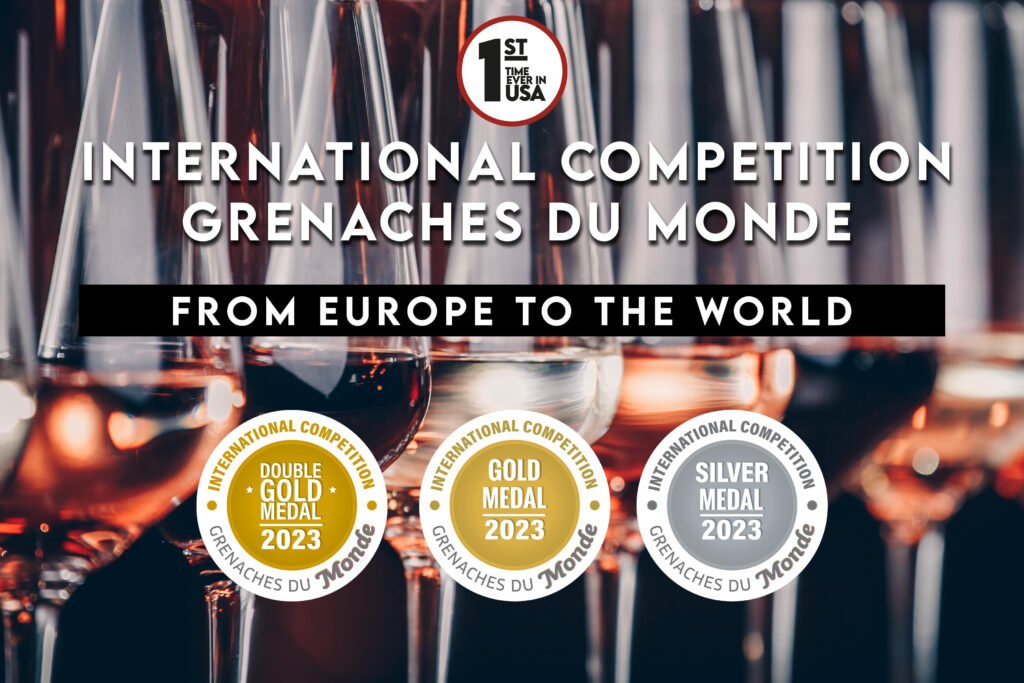
I had the pleasure of serving as a juror for the 11th annual International Competition Grenaches du Monde. As such, I tasted through 80 wine samples featuring the Grenacha, aka Garnacha, grape, in all of its guises: white, rosé, red, and fortified sweet wines. This grape variety is capable of creating world class wines and, from the blind samples I tasted, it was clear that there is a lot of wonderful wine being produced and expertly showcasing this great grape.
Organized by the Asociación Garnacha Origen of Spain and the Conseil Interprofessionnel des Vins du Roussillon/ CIVR of France, this year’s competition was held outside of Europe for this very first time. It featured over 800 Garnacha/Grenache wines from producers across France, Spain, Italy, and the US, which were judged by a panel of 80 U.S. wine industry jurors, including sommeliers, media, distributors, importers, and influencers.
Wines were judged in early to mid-June, with the results announced this week. A total of 233 wines of Protected Designation of Origin (PDO) and 35 wines from the Protected Geographical Indication (PGI) earned medals.
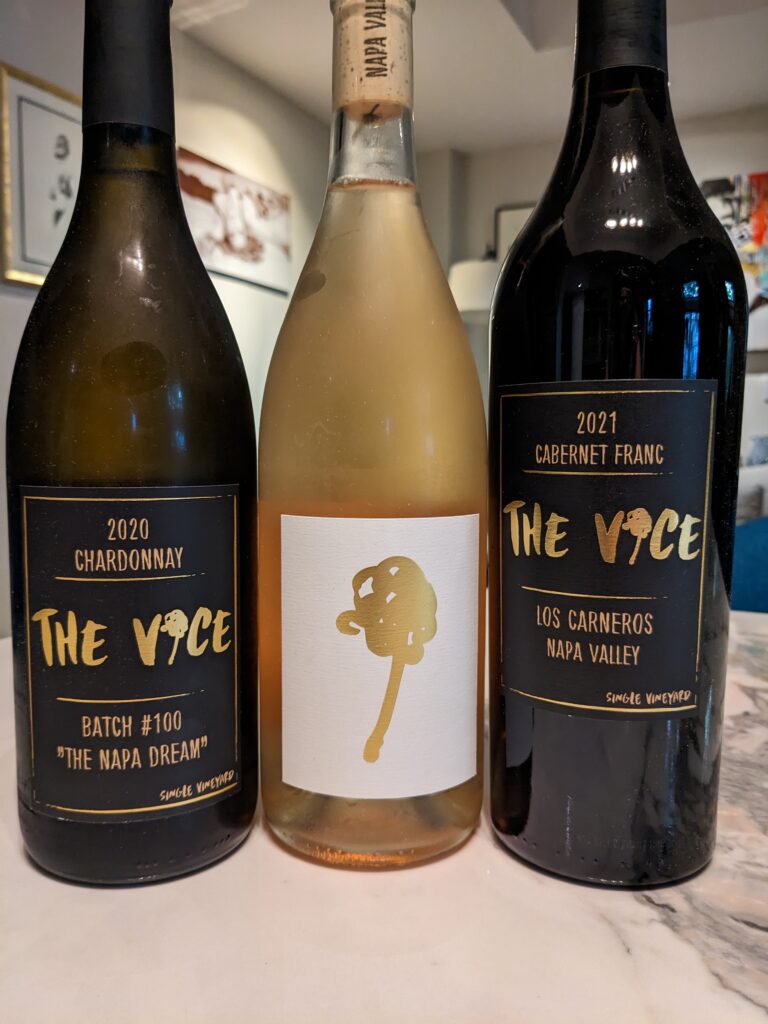
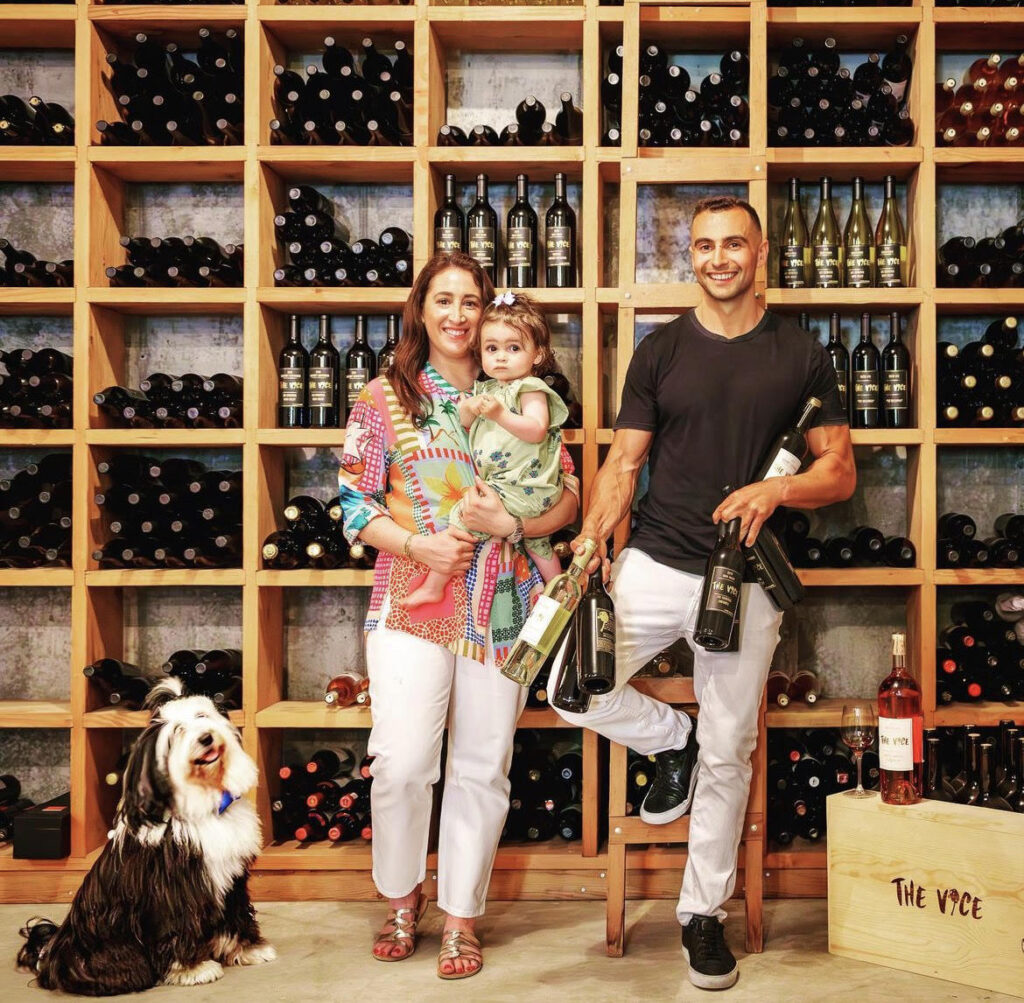
What’s your vice? For Malek Amrani and his wife, Tori Greenberg, the answer is wine. A former sales professional for Moet Hennessy and Diageo, Malek has a keen understanding of the wine world and consumer preferences. He also counts pizza and triathlons among his “moral faults”, while Tori’s other vices include fashion, sleep and rose.
The pair always dreamed of owning their own winery and now they do. In fact, while they launched The Vice several years ago, they recently opened a permanent location in St. Helena in the Napa Valley, further cementing their dream.
On the joint holidays of National Wine Day and National Chardonnay Day, Malek hosted a virtual tasting with members of the media to celebrate the opening as well as the release of their 100th wine. As a self-defined “luxury wine brand,” the wines are produced in small, numbered batches.
Primarily focused on Napa Valley terroir, The Vice’s mission is to make exceptional wines accessible. In pursuit of this goal, Malek currently works with 18 different varieties, sourced from 14 of Napa’s 16 AVAs. Their white label wines are their house tier, while the black label is reserved for single vineyard wines.
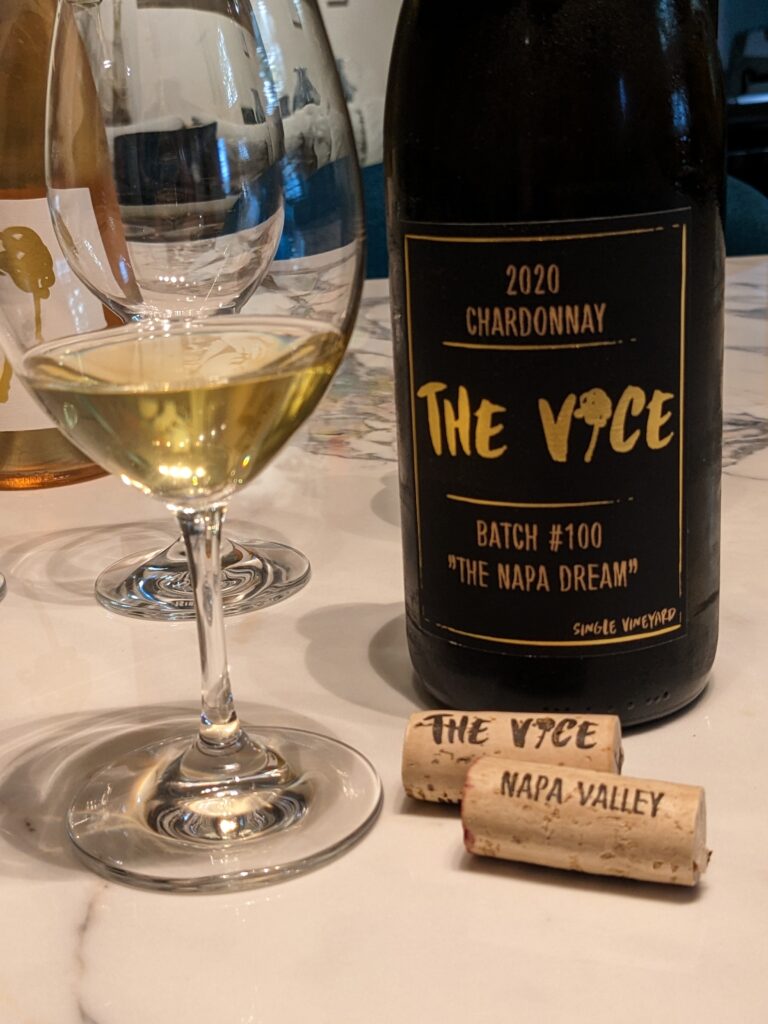
Among the most recent batches is the aforementioned 100th wine. Aptly named The Napa Dream (and also referred to as Batch #100), it is a Chardonnay sourced from a Certified Napa Green vineyard situated “at the far eastern edge of Los Carneros AVA”. It spent 30 months in new French Oak barrels.
TASTING NOTES
The Vice The Napa Dream Batch #100 Chardonnay 2020, Los Carneros (CA), USA, $46.00 This wine is deep golden yellow with nutty, butterscotch aromas that persist on the dry, rich full-bodied palate. It has bright acidity and flavors of roasted nuts, caramel, citrus and minerality, culminating in long length. Lovely and complex.
The Vice Orange of Viognier ‘Brooklynites 6.0’ 2022, California, USA, $33.00 With Viognier grapes sourced from Napa’s Oak Knoll District and Brentwood, Contra Costa, this wine brings together two different climates and thus a diversity of expression. It offers up floral and peach aromas, which persist on the palate with fresh acidity, medium body and long length. It is really refreshing, easy to drink (too easy!?!) and food friendly.
The Vice The OG, Cabernet Franc 2021, Los Carneros (CA), USA, $54.00 As Malek shared at the event, Cabernet Franc is fast becoming the hottest grape in Napa Valley (more so than Cabernet Sauvignon). Leafy and cranberry aromas greet the nose, with a dry palate, bright acidity, medium+ body and flavors of wet leaves and plum, with long length. Powerful, yet balanced.
As I’ve written before, the Malbec grape originated in France and is currently grown in Bordeaux, the Loire Valley and Cahors. But, despite Malbec’s association with France, it is planted in much greater numbers in Argentina. More specifically, Argentina’s long relationship with Malbec dates to 1853 when agronomist Michel Aimé Pouget brought the grape to from Europe to the New World country, having been hired to run an agricultural school there. In addition to the school’s influence, Argentina’s early viticulture was also shaped by Italian and French immigrants, who brought their grape growing experience and expertise with them.
Not surprisingly, I have had the opportunity to compare and contrast Malbec-based wines in the past, both with regard to producer as well as with regard to region of production (i.e. Argentina vs. France).
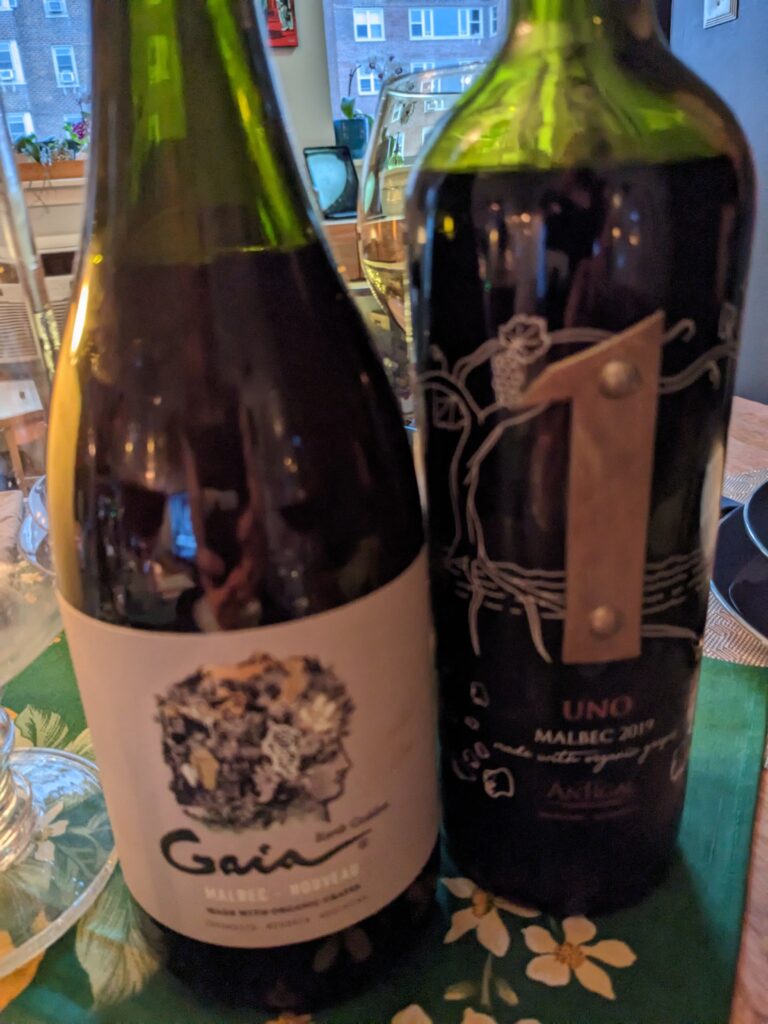
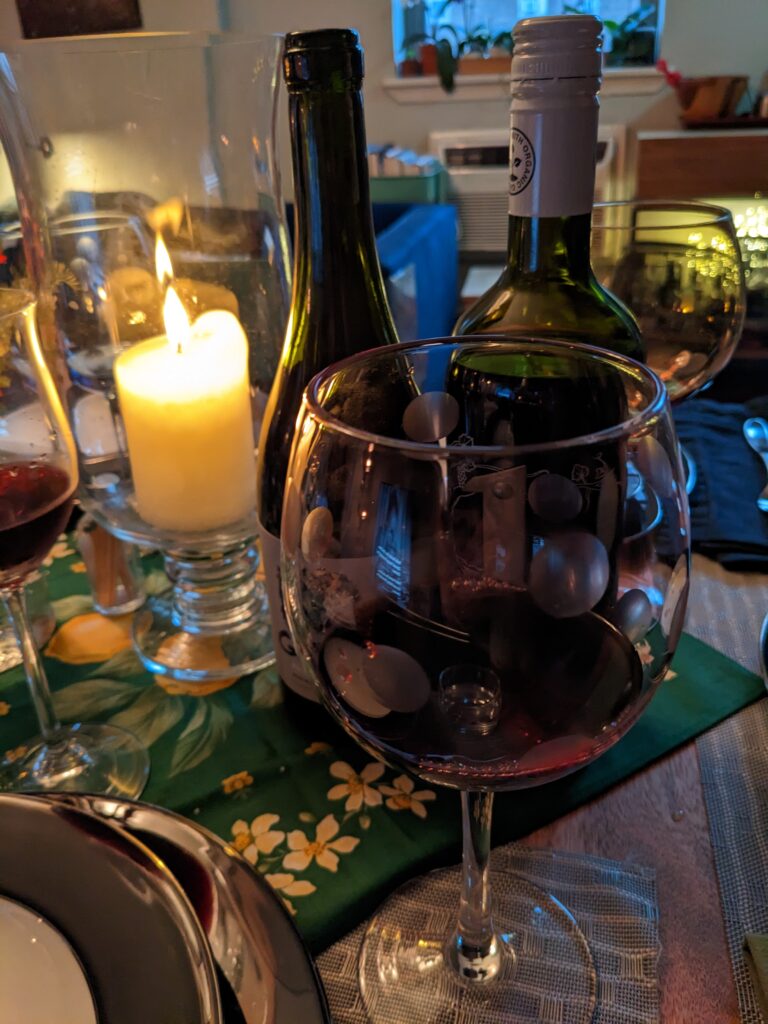
However, I recently had the particularly interesting chance to taste two Malbecs side-by-side, which differed markedly in winemaking approaches: traditional red wine production vs. carbonic maceration.
Traditional red wine production is fairly well known and understood by consumers, but carbonic maceration is less familiar, since it is mostly confined to the production of Beaujolais Noveau. Utilizing intracellular fermentation, carbonic maceration typically produces lighter style wines with a fresh fruit flavor profile. This was not a winemaking technique brought to bear on the Malbec grape… until now. In fact, there appears to be a trend among Argentine producers (see: this story) in using this unusual approach with Argentinian grapes.
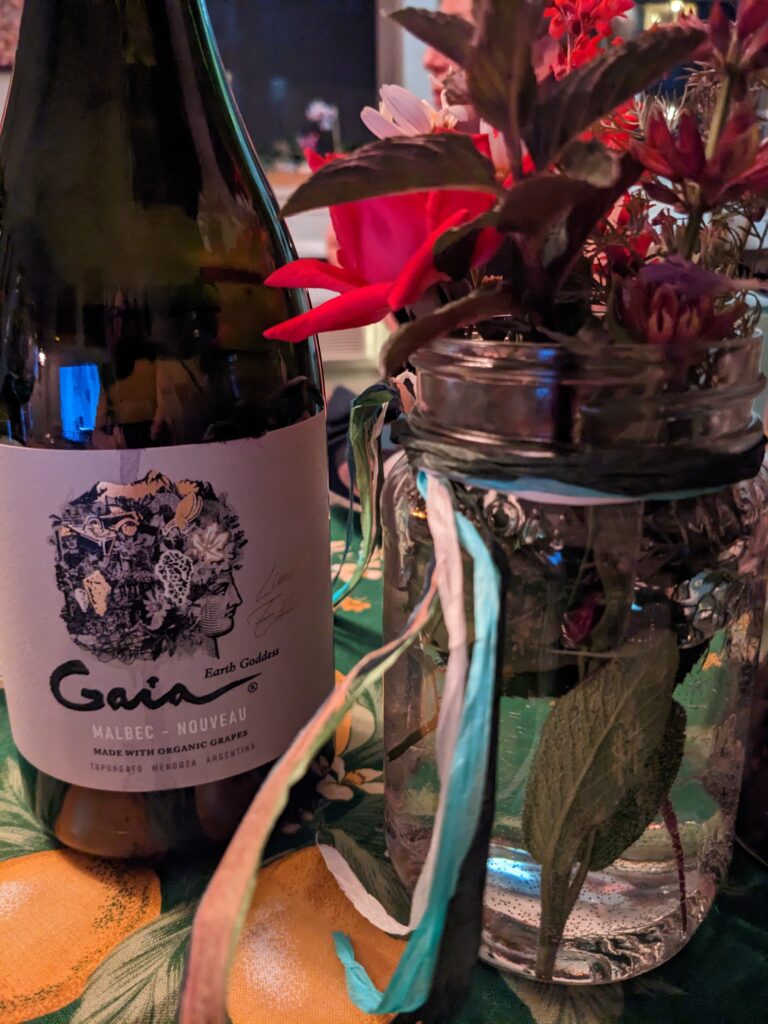
Now, joining this small coterie of carbonic macerators, Domaine Bousquet has added its Gaia Nouveau Malbec to the mix. Produced with certified organic Malbec grapes, winemaker Rodrigo Serrano decided, “Why not try to make a carbonic maceration Malbec?” Answering his own question affirmatively, the first wine was made with the 2022 vintage to rave reviews.
The counter balance, with a more traditional approach, was Antigal’s Uno Malbec 2019, also made with organic Malbec grapes and produced solely in stainless steel tanks (no wood/oak influence).
I was previously introduced to Antigal in 2018 (see story). Obviously a lot has happened in the world since then, so it was a pleasure to receive a sample of the current vintage of this wine to reacquaint myself. Proudly bearing its metallic numeral 1 breast plate, this wine comes from Antigal’s Uno collection.
Domaine Bousquet Gaia Nouveau Malbec 2022, Uco Valley, Argentina, $20.00 (100% Malbec, certified organic) This wine presents with fresh berry aromas. It is light bodied, with fresh berries and a hint of earth, with lively acidity and bright freshness on the dry palate with long length.
Antigal Uno Malbec 2019, Uco Valley, Argentina, $18.00 (100% Malbec, organic grapes) This wine has a pronounced nose with black and blue fruit, spice and vanilla, which persist on the dry palate, with ripe, medium-firm tannins, culminating with medium+ length.
Earth Day has come and gone, but while the holiday is a reminder that we must protect and cherish our planet, a single day is obviously not enough to do so. To a very real and certain extent, EVERY day should be Earth Day!
Although we can find fault with many industries and organizations, within the world of wine, there are a number of important and impressive examples of wine regions and individual wineries who are making the investment and having an impact with their actions.
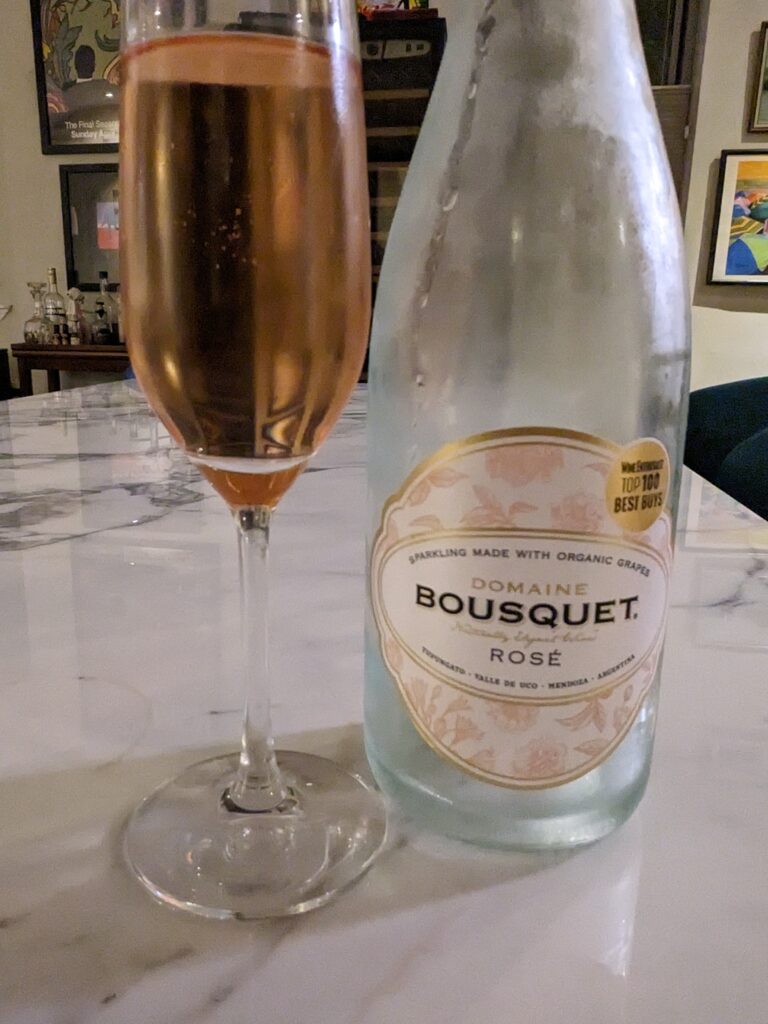
In particular, Domaine Bousquet stands as a beacon, having been organic from the “get go”. Along these lines, winery owner, Anne Bouquet refers to herself as an “Organic Revolutionary” and an “International Citizen”, both of which are well deserved and apt descriptors of her commitment to sustainability in all that they do. She is joined by lead winemaker, Rodrigo Serrano, in their quest to lead the region in organic viticulture and sustainability efforts. This “teacher’s soul” has been at the winery for the past five years, and is truly passionate about details in achieving these overarching goals.
The winery has been Certified Organic for over 25 years and has also been certified by Demeter and Biodyvin for its conversion to biodynamic viticulture. They have recently added ROC (regenerative organic certification) certification to their list of organic certifications and are 360 sustainable.
Equally telling, as of this year (2023), they are now a certified B Corp organization. “B Corp Certification is a designation that a business is meeting high standards of verified performance, accountability, and transparency on factors from employee benefits and charitable giving to supply chain practices and input materials.” (From B Lab) Some of their wines also are certified as organic Kosher, Vegan and Gluten-free.
Yet, they are not content to rest on their laurels; future endeavors seek to reduce their CO2 and H2O footprints, especially as there is less snow in the mountains due to climate change.
The winery is also expanding its focus to address other issues such as making low calorie wine, low alcohol wine and organic wine (as opposed to making wine with organic grapes, but with conventional winemaking). In this regard, the biggest challenge is to avoid using SO2, which is an antioxidant and anti-microbial, among other things. These expansions have been challenging, but rewarding as the results are finally realized in the glass.
Across the pond, the Vino Nobile di Montepulciano consortium in Italy’s Tuscany region has been similarly hard at work in pushing a sustainability agenda. The result of its hard work was its award of the Equalitas standard’s sustainability certification, making it the first (and currently only) Italian wine denomination to achieve this milestone. The certification trademark extends to the entire region and is the result of a program initially implemented in the early 1990s and then built upon over the years.
To receive this prestigious certification entails “compliance with a high number of environmental requirements (like biodiversity and the measuring of carbon and water footprints) and socio-economic requirements (like verifying that the principles of freedom of association and equal opportunity are respected).”
Among these efforts, in 2006, the consortium partnered with the municipal government to collect organic waste from the vineyards for use in the production of combustion biomass to supply energy to school and government buildings. Further, the region’s Carbon Footprint project became a national model in 2015.
Of course, these commitments are not at the expense of their commitment to making high quality wine. Vino Nobile di Montepulciano is among Italy’s top designated wines having been promoted to DOCG status in 1980. Yet, it often gets overshadowed by its Tuscan neighbors: Chianti Classico and Brunello di Montalcino, whose wines also sport the Sangiovese grape.
The good news is that these wines are often well priced and provide great drinking pleasure. So you can feel good about their commitments to the Earth as you enjoy swirling, sipping and savoring them in your glass.
TASTING NOTES
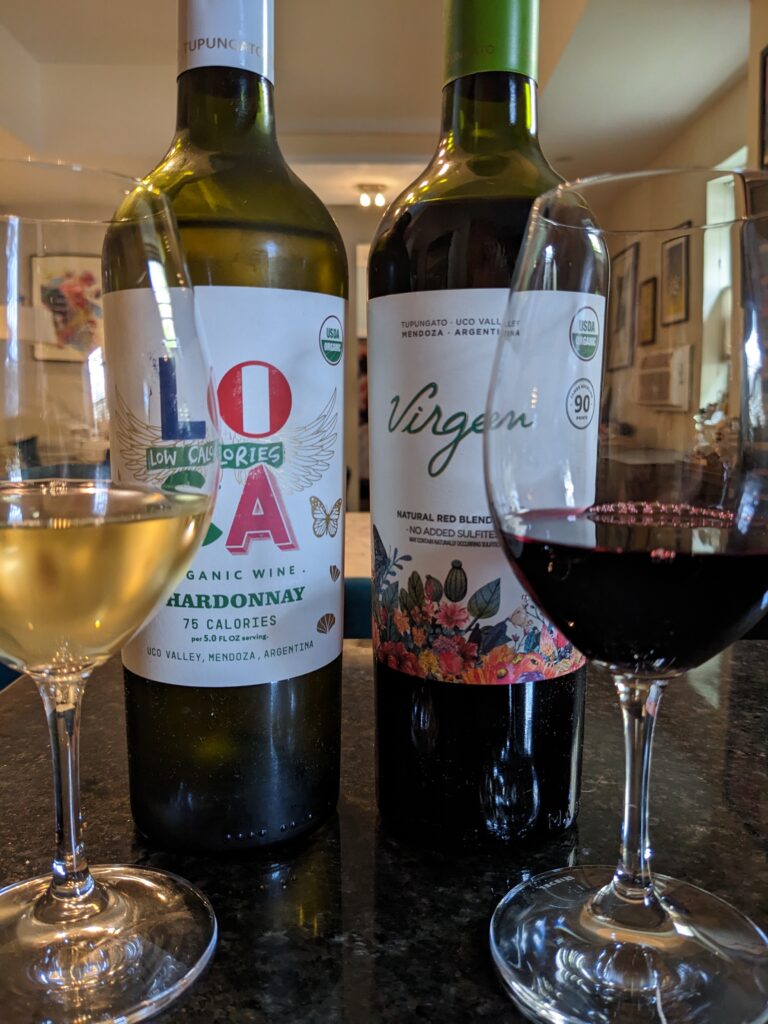
TASTING NOTES: Domaine Bousquet
Domaine Bousquet LO CA Chardonnay 2022, Uco Valley, Argentina, $14.00 LO CA is a local calorie and low alcohol wine, which required numerous attempts to get it right due to ensure a wine that was stable and of the quality they desired. The resulting wine has 9% abv and 2% residual sugar. Green apple, musk and citrus greet the nose and persist on the palate with high acidity, minerality, medium body and long length.
Domaine Bousquet Virgin Red Blend 2021, Uco Valley, Argentina, $13.00 A combination of 35% Malbec, 35% Cabernet Sauvignon and 35% Cabernet Franc, this wine is USDA-certified organic and sulfite-free. A fresh and easy drinking wine, it offers up berries, plum, floral and black cherry, with medium acidity, medium body and good length.
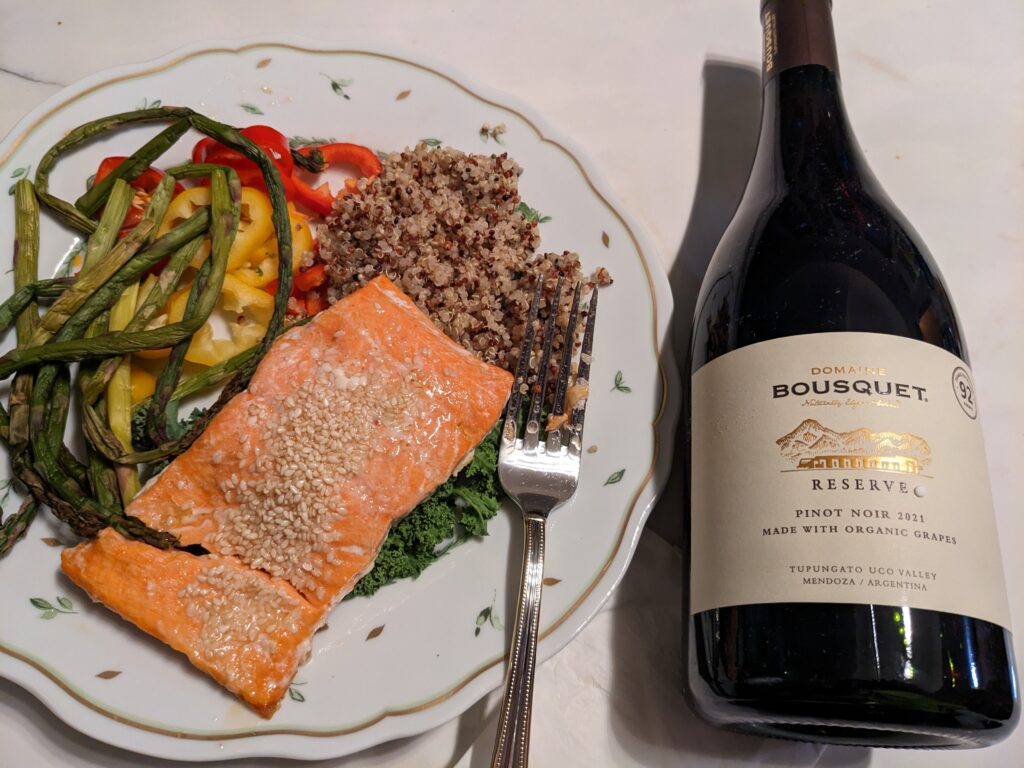
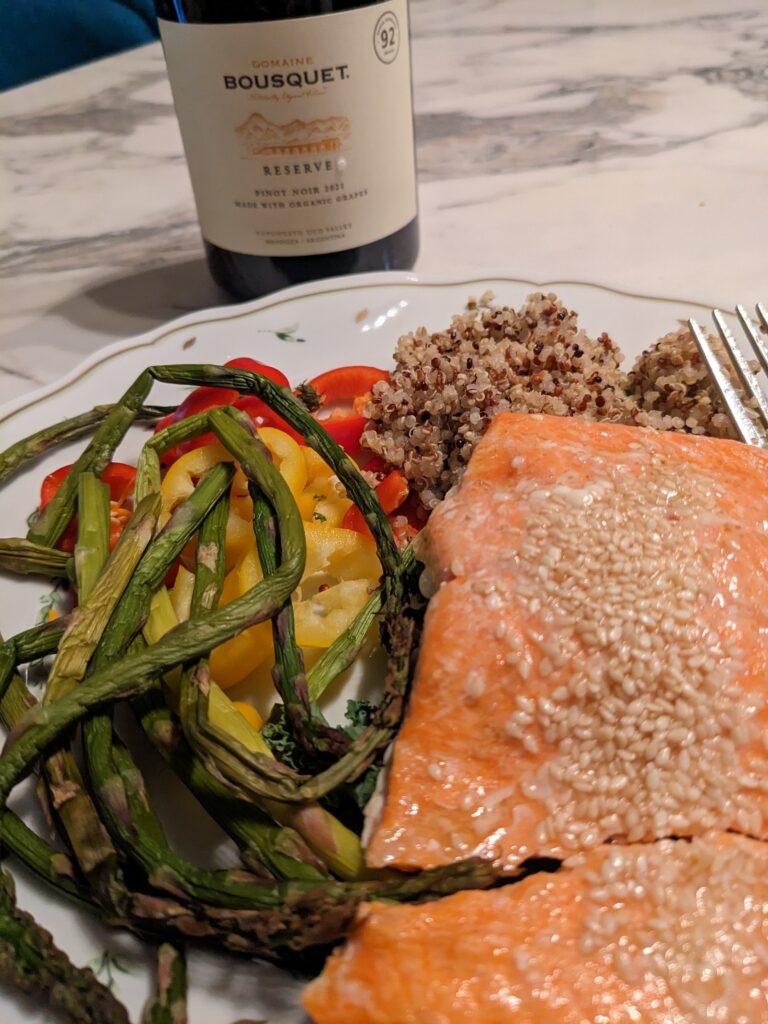
Domaine Bousquet Reserve Pinot Noir 2021, Uco Valley, Argentina, $18.00 Made with certified organic grapes, this wine took many years to perfect since Anne is very particular about her Pinot Noir. The time and effort were worth it with its complex aromas of smoke, tart cherry, and an earthy undertone. It is medium bodied with bright acidity and long length.
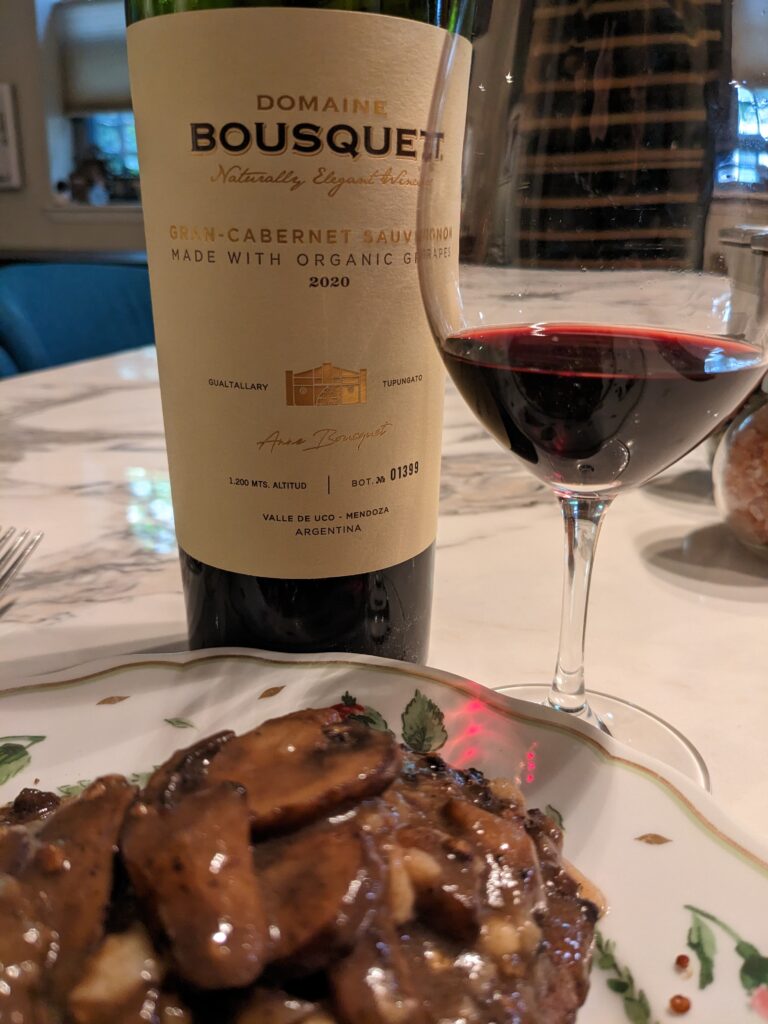
Domaine Bousquet Gran Cabernet Sauvignon 2020, Uco Valley, Argentina, $20.00 A blend of 85% Cabernet Sauvignon and 15% Malbec (both of which are certified organic), this wine presents notes of vanilla, oak, black fruit and a slight leaf character on the nose. With Medium+ body, good acidity, firm ripe tannins, and black and blue fruit, it is ripe yet dry, culminating in long length.
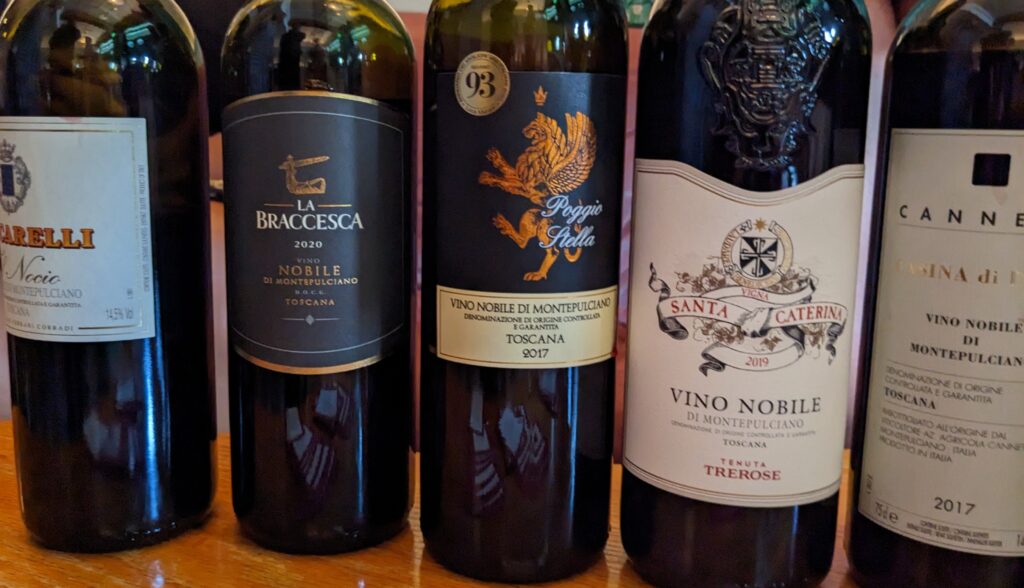
TASTING NOTES: Vino Nobile di Montepulciano
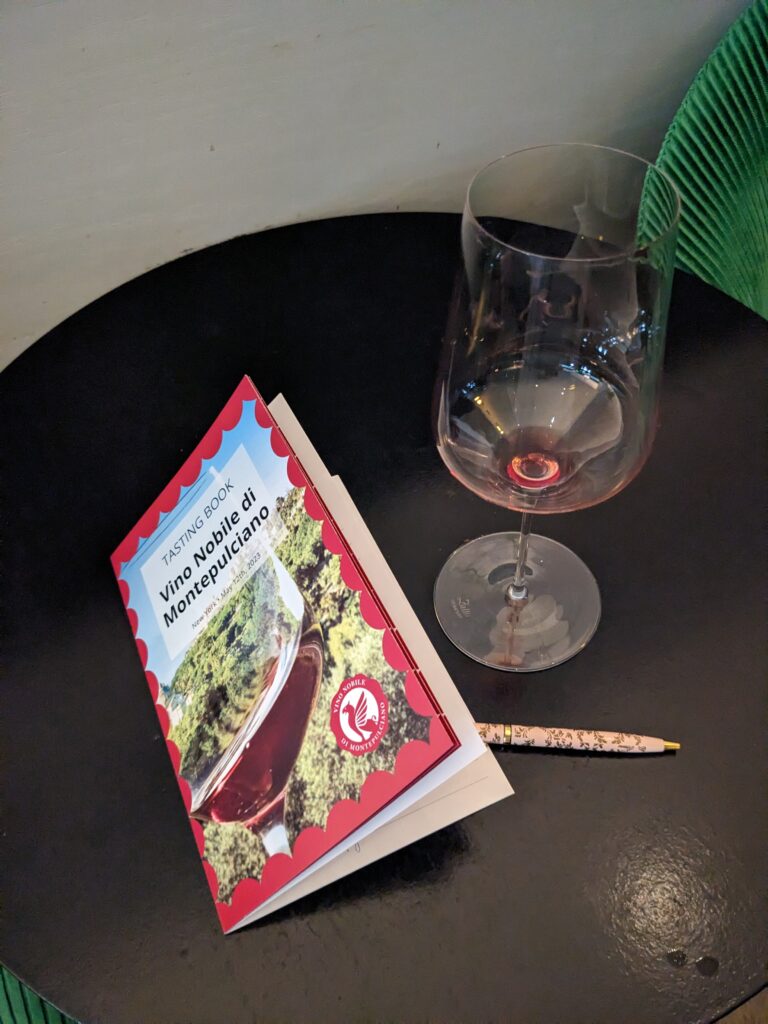
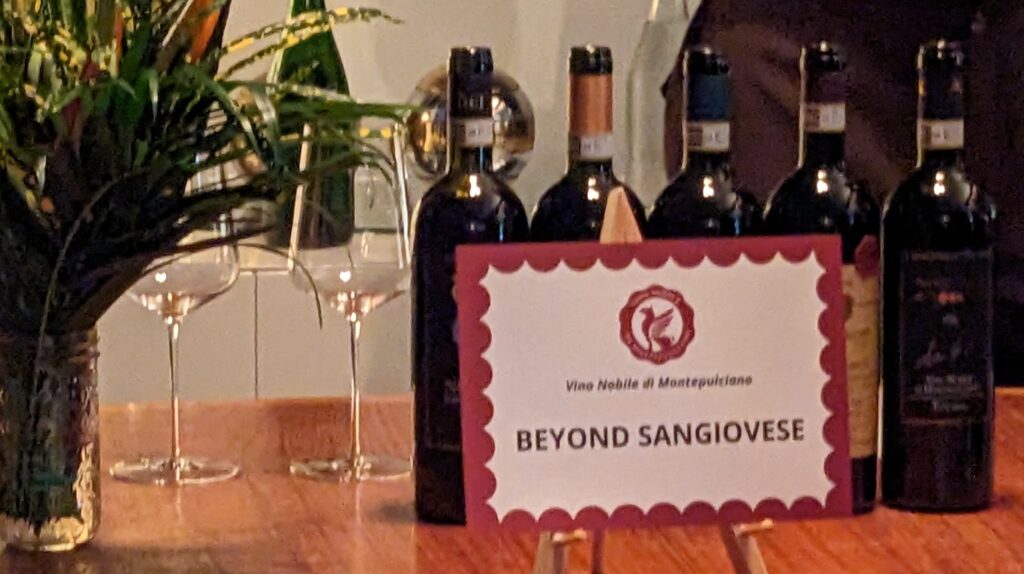
A recent walk-around tasting event provided attendees with the opportunity to taste through a collection of Vino Nobile di Montepulciano wines as well as meet a few of the winery representatives.
Maria Stella Carletti, Winemaker at POLIZIANO Winery
Here are a few of my favorites (notes are limited):
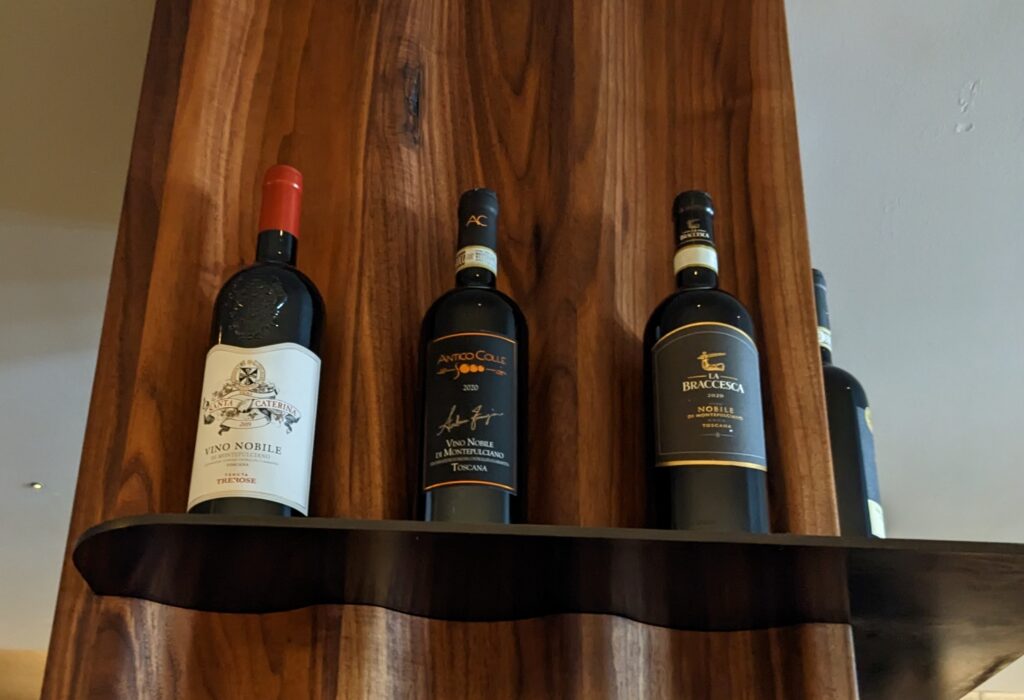
Antico Colle Vino Nobile di Montepulciano 2020, Tuscany, Italy 95% Sangiovese, 5% Merlot Fresh, with decidedly herbal characteristics, firmer tannins and floral notes.
Carpineto Vino Nobile di Montepulciano Riserva 2018, Tuscany, Italy Sangiovese, Canaiolo and other authorized grapes Meatier, with really nice depth and riper fruit.
Dei Vino Nobile di Montepulciano 2019, Tuscany, Italy 70% Sangiovese and other red grape varieties Floral, powerful, with darker fruit, less tannic than some of the other wines.
Icario Vino Nobile di Montepulciano 2019, Tuscany, Italy 90% Sangiovese, 10% Colorino With complex notes of smoke, oak, black fruit, it has a lighter structure and texture, with a distinct cherry and leafy palate.
La Braccesca Vino Nobile di Montepulciano 2020, Tuscany, Italy Sangiovese, Merlot Rich and ripe with dark cherry aromas and flavors, firm tannins.
La Ciarliana Vino Nobile di Montepulciano 2018, Tuscany, Italy Sangiovese, Mammolo Floral with lush, ripe red fruit, soft tannins and long length.
Poliziano Vino Nobile di Montepulciano 2020, Tuscany, Italy 90-95% Sangiovese, 5-10% other grapes, including Canaiolo and Colorino Cherry and plum, with dusty tannins, vibrant acidity, medium body and long length.
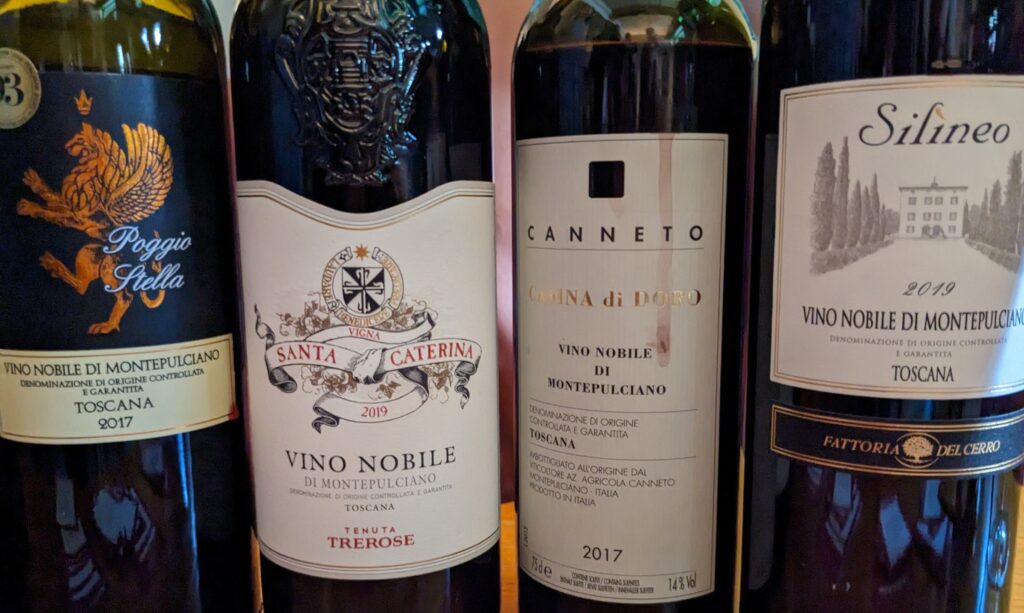
Tenuta Trerose Vino Nobile di Montepulciano S. Caterina 2019, Tuscany, Italy 100% Sangiovese Intense nose and palate, with ripe red fruit and long length.
Vecchia Cantina di Montepulciano Vino Nobile di Montepulciano Poggio Stella 2017, Tuscany, Italy mostly Sangiovese Lovely and soft, with cherries, berries and vanilla.
Looking for some new wines to grace your holiday table this season? Or, just want to expand your wine knowledge? Check out the dry wines from Abruzzo and the sweet wines from Bordeaux!
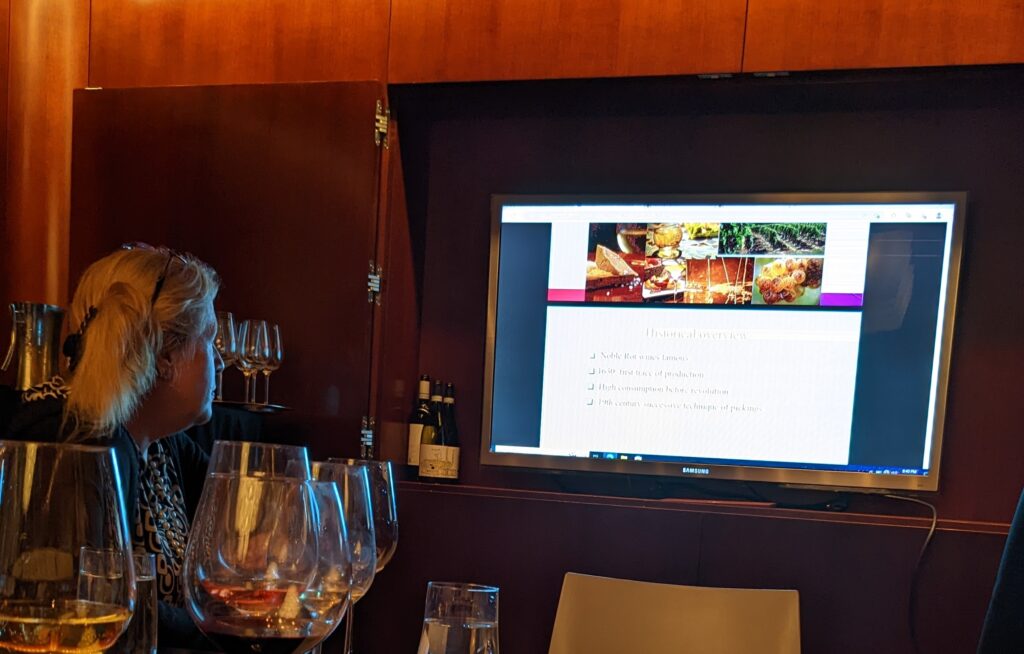
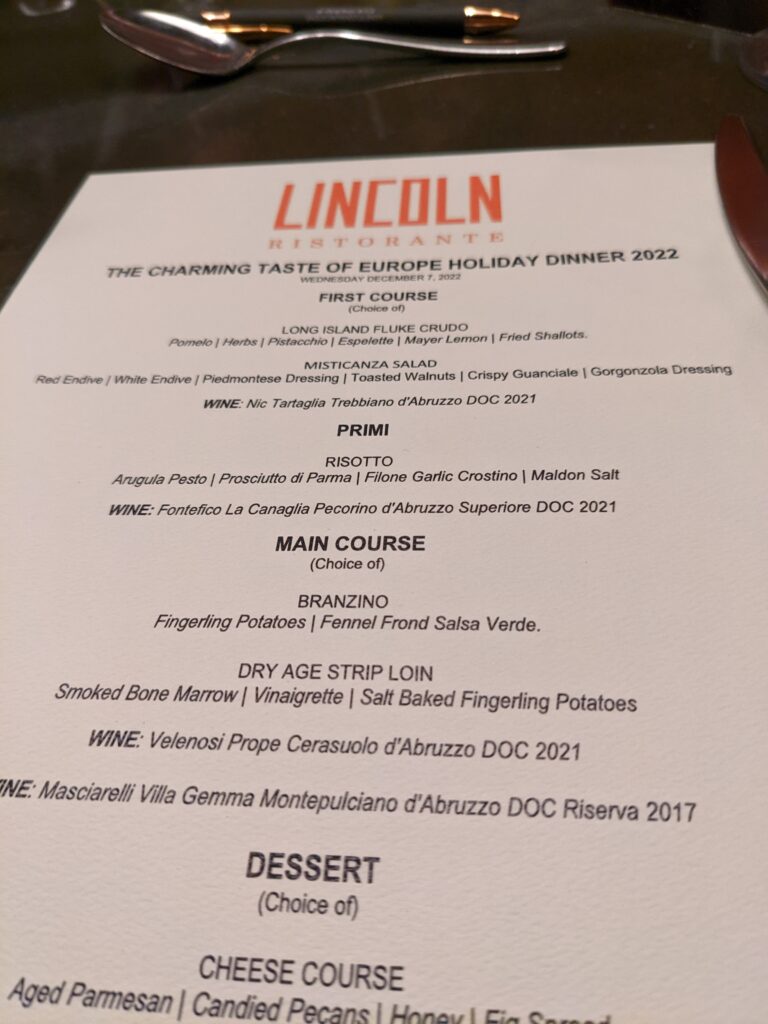
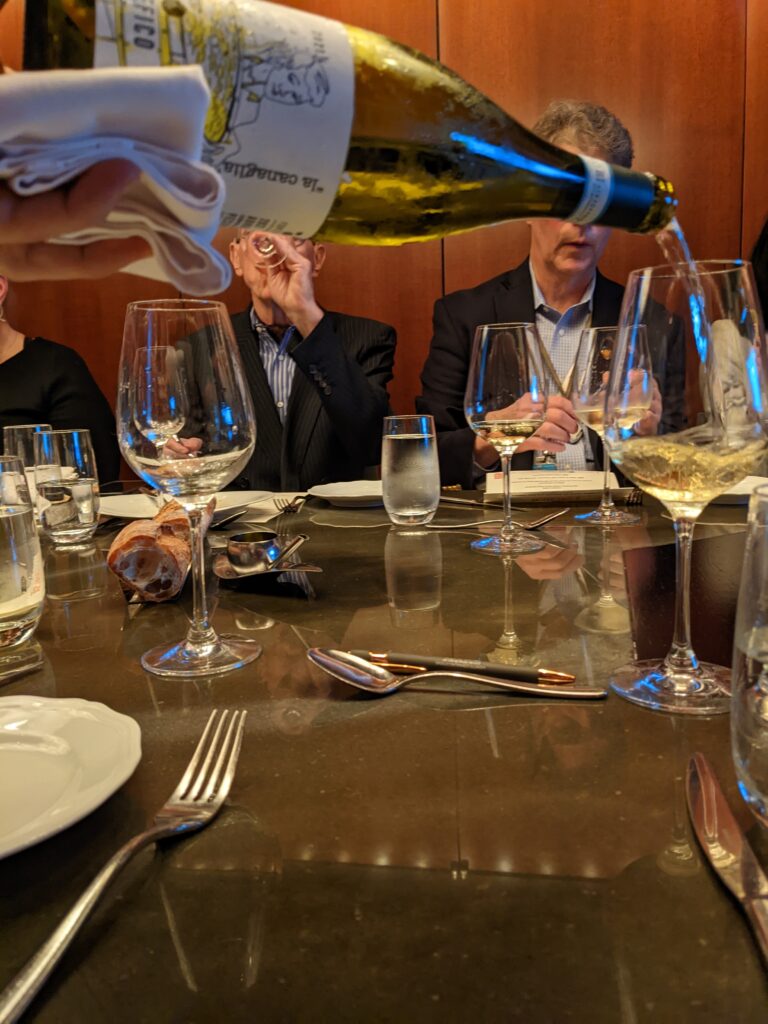
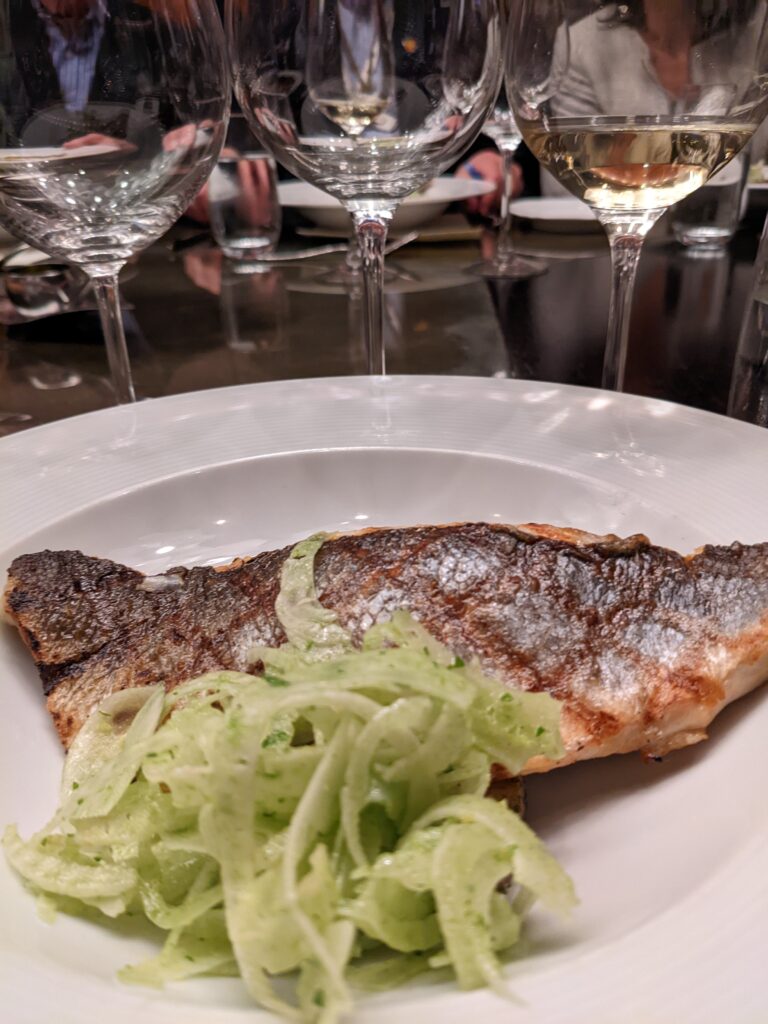
A recent dinner at Lincoln Ristorante welcomed members of the wine press and trade in an effort to better acquaint us with the wines from Abruzzo (Italy) and the sweet wines from Bordeaux (France). This was a wonderful opportunity to reconnect with colleagues after a lengthy hiatus as well as taste through a selection of amazing wines (and delicious food).
Prior to the evening, I had only limited exposure to the wines from Abruzzo, mostly aware of its Trebbiano d’Abruzzo and Montepulciano d’Abruzzo wines, but the meal provided a much more in-depth look at the region and the high quality wines it produces.
An historic region, the wines from Abruzzo were mentioned by Pliny the elder. In particular, the centrally located Abruzzo is home to both the Adriatic Sea as well as steep mountains (65% of the region is mountainous and 30% of the land is protected by natural parks) and has a mild climate that becomes more continental in character as one moves inland. Consequently, one can ski during the day and then be at the sea within 30 minutes.
Wine production includes 2 DOCG-level wines, 7 DOCs and 7 IGT (regional) wines. As with elsewhere in Italy, co-ops are very important to the scene, but there are also 200 private wineries in Abruzzo.
Here, the two main varieties are the two already mentioned: the red Montepulciano, which accounts for 80% of production and the white Trebbiano, which is the second most planted grape in the region. This latter variety dates to the 16th century and is considered to be a more more elegant version of the Trebbiano variety, and has the ability to age well.
Another grape of note in the region is Pecorino, which had almost become extinct, but thankfully has had a revival. Grown in both the Le Marche and Abruzzo regions, it is a variety with great acidity, structure and good aging potential.
We next enjoyed a Cerasuolo d’Abruzzo DOC, which, when established in 2010, was the first designation in Italy dedicated exclusively to rosé wine. The word cerasuolo refers to the deep pink color of these wines, which are produced from the Montepulciano grape.
Finally, we had a Riserva-level Montepulciano d’Abruzzo, which displayed the beauty of these wines, which have elegance and powerful, along with good fruit character, complexity, balance and length.
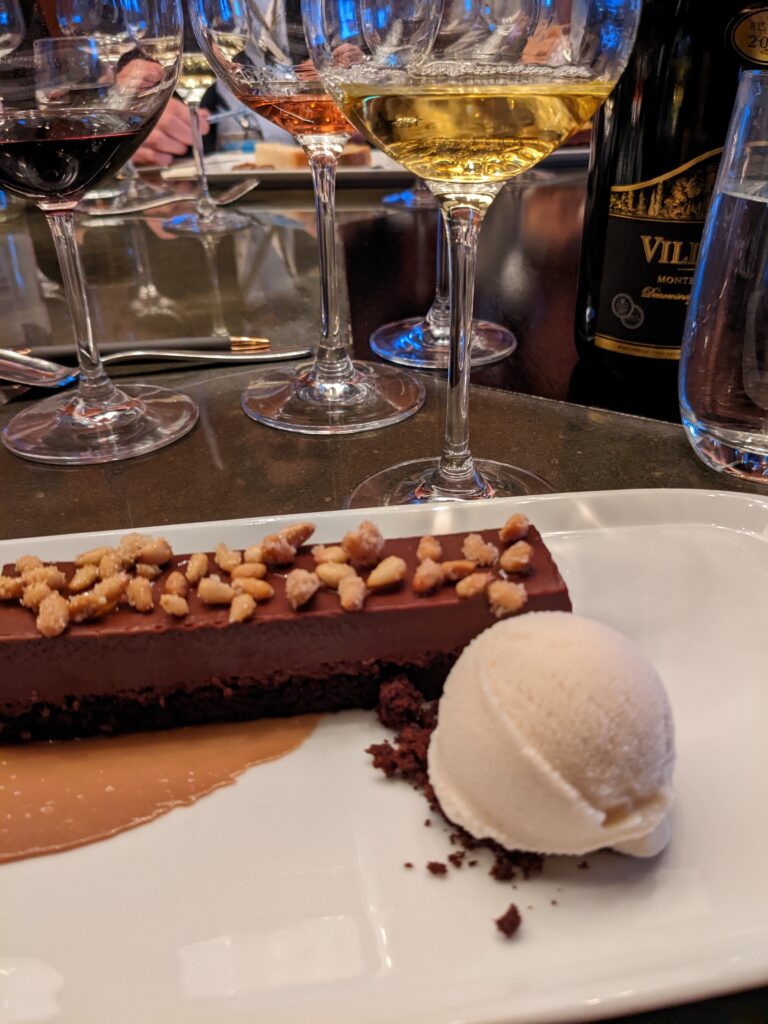
After our foray into the Abruzzian wines, we turned our attention to dessert. As their name implies, the Sweet Wines of Bordeaux offer up beautiful sweetness in the glass and make for a perfect liquid dessert. Yet, they are versatile enough to pair with savory foods as well, with bright acidity and balance accompanying the sweet notes. At dinner, one had a choice between a cheese course or a chocolate-based dessert, both of which paired equally well with the two Bordeaux wines.
Bordeaux’s sweet wines feature the grape varieties of Sémillon, Sauvignon Blanc and (in some cases) Muscadelle and are produced in several styles as well as several different appellations.
The Bordeaux Moelleux are among the lighter-style wines with nice freshness and sweetness. Conversely, those produced as Bordeaux Supérieur are fuller-bodied, can include Muscadelle in the cepage and are aged for a period of 6 to 18 months in wood vessels.
Additionally, Côtes de Bordeaux Saint-Macaire, covers a geographic area along the right bank of the Garonne River, while Premières Côtes de Bordeaux is used for those made from grapes grown in the vineyards of 39 towns that extend across the right bank of the Garonne river located south of Bordeaux.
However, the wines from the more specific appellations are the ones perhaps best compared with their siblings from Sauternes. In this regard are the wines from Cadillac, Cérons, Loupiac and Saint-Croix-Du-Mont. The Cadillac appellation (AOC) was established in 1972, while Cérons AOC dates to 1936. The Cadillac wines are produced from late harvest grapes, while grapes for Cerons are affected by noble rot. Regardless, both adhere to strict selections during harvest, all of which is done by hand, with the wines aged for 12 to 18 months. Two other well-regarded appellations are Loupiac, which is the largest of them all, and Saint-Croix-Du-Mont, both of which are produced similarly to Cadillac and Cérons.
While these may not be familiar names to you, the bottom line is that one should keep Bordeaux in mind when it comes to the dessert course.
In this day and age, we are blessed to have access to a wealth of wonderful wines from all over the world, but it is easy to fall into a rut and reach for the same wines time and again. If that sounds like you, I urge you to step out of your comfort zone and explore these two sets of wines; your palate will thank you!
Wishing you all the best for the holiday season and beyond!
TASTING NOTES
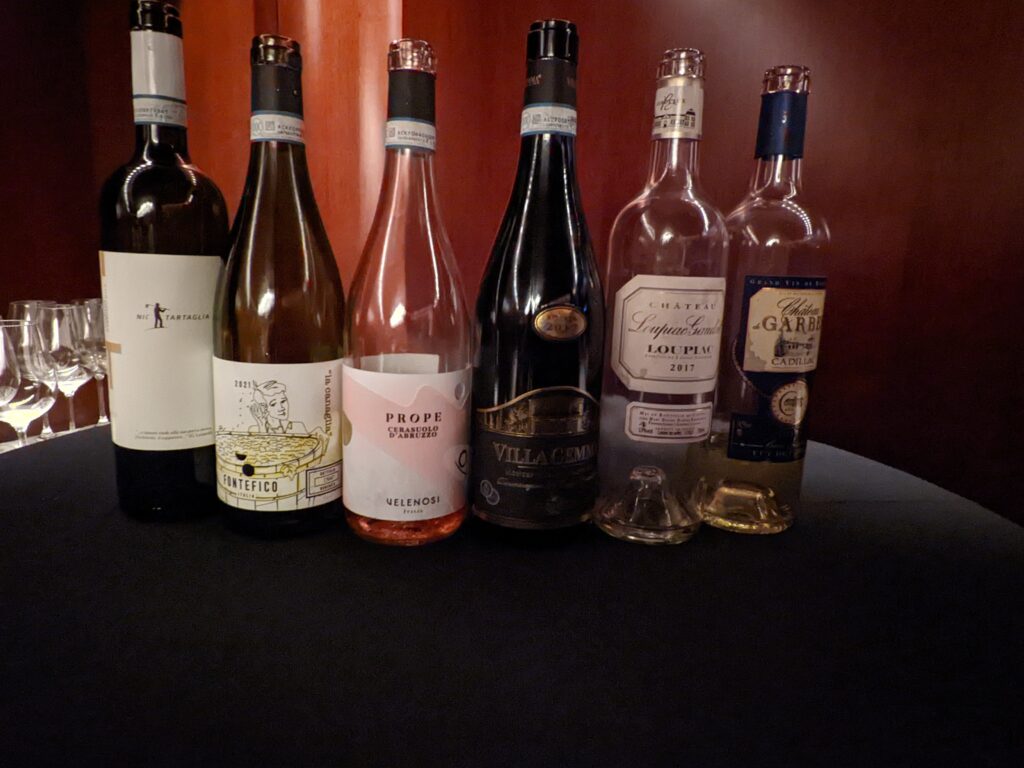
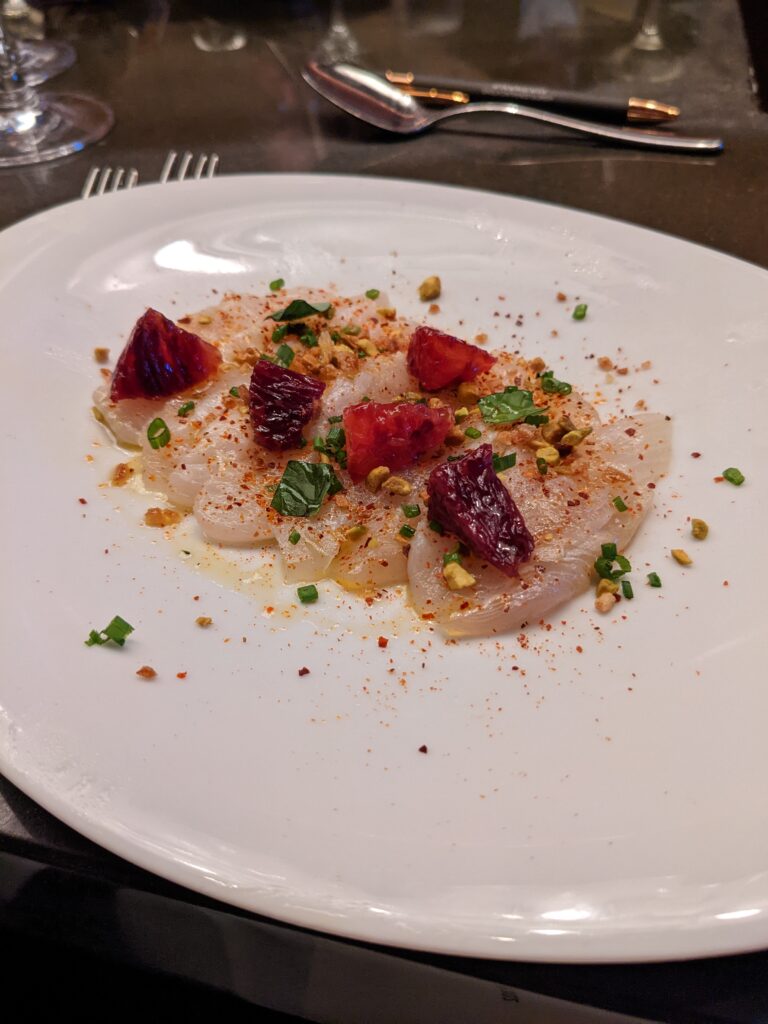
Nic Tartaglia Trebbiano d’Abruzzo DOC 2021, Abruzzo, Italy Aromas and flavors of pear and white flowers, with bright acidity, medium body, and long length. Paired with Long Island Fluke Crudo or Misticanza Salad
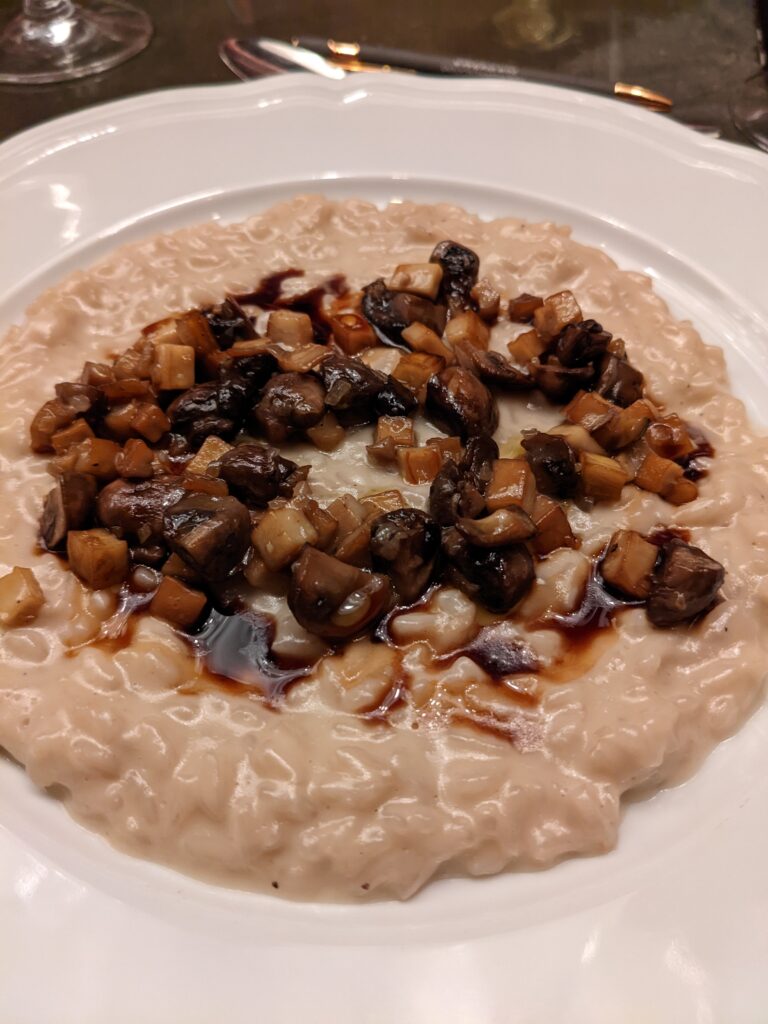
Fontefico La Canaglia Pecorino d’Abruzzo Superiore DOC 2021, Abruzzo, Italy As a wine with the Superiore designation, it has been aged for one year, but, in this case, in stainless steel, not wood. Notes of apricot and smoke greet the nose, with a dry palate of medium acidity, medium+ body, culminating in long length. Paired with Risotto.
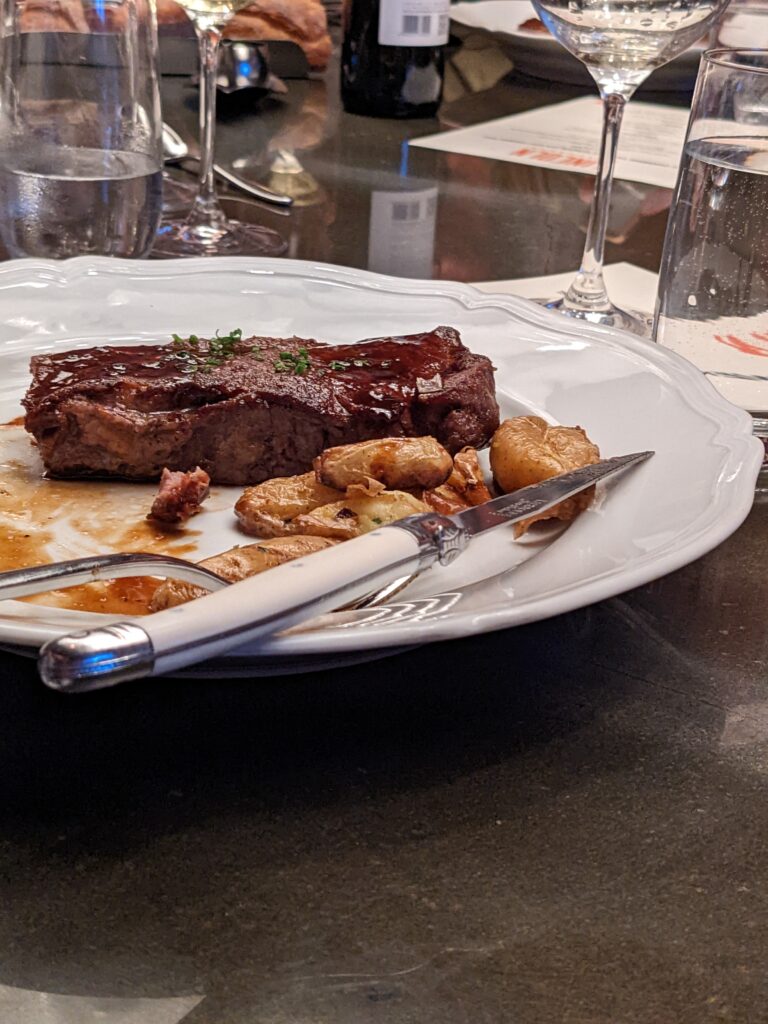
Velenosi Prope Cerasuolo d’Abruzzo DOC 2021, Abruzzo, Italy Beautiful in color, this wine offers up fresh berries and zippy acidity, with good minerality, It is complex and structured, with medium+ body and is much more substantial on the palate than a Provencal-style rose. Good length. Paired with Branzino or Dry Age Strip Loin.
Masciarelli Villa Gemma Montepulciano d’Abruzzo DOC Riserva 2017, Abruzzo, Italy Intense nose of red and black fruit, with firm, yet ripe tannins, this wine was aged for 24 24 months before release. It had lovely complexity, good fruit and very long length. Paired with Branzino or Dry Age Strip Loin.
Chateau de Garbes Cuvee Fut de chene Cadillac AOC 2019, Bordeaux, France Produced from old vines, this wine was aged for 12 months in oak. It was luscious, with good acidity to balance the sweetness and notes of apricot and other stone fruit. Paired with Cheese (Aged Parmesan) or Pinola Al Cioccolato.
Chateau Loupiac-Gaudiet Loupiac AOC 2017, Bordeaux, France Made from botrytized grapes (90% Semillion; 10% Sauvignon Blanc) from 45-year-old vines, this wine displays lovely fruit, spice and vanilla, culminating in long length. Paired with Cheese (Aged Parmesan) or Pinola Al Cioccolato.
Located in Italy’s Lombardy region, Oltrepo Pavese gets its name from its location on the “other side” of the Po River, the longest in Italy. Home to over 220 indigenous grape varieties, this region is extremely diverse, producing wines that range from still and sparkling, to dry and sweet and everything in between. Additionally, it’s shared borders with the regions of Piedmont, Emilia-Romagna and Liguria have exerted their influence on the resulting wines as well.
As the third largest grower of Pinot Noir (lagging only behind Burgundy and Champagne), Pinot in its many guises is well represented here. Known by the Italian Pinot Nero, the grape is made into sparkling, white and red wines. Pinot Grigio is also widely planted. Interestingly, due to Lombardy’s historic ties to the Savoy kingdom, Riesling is also found in its vineyards.
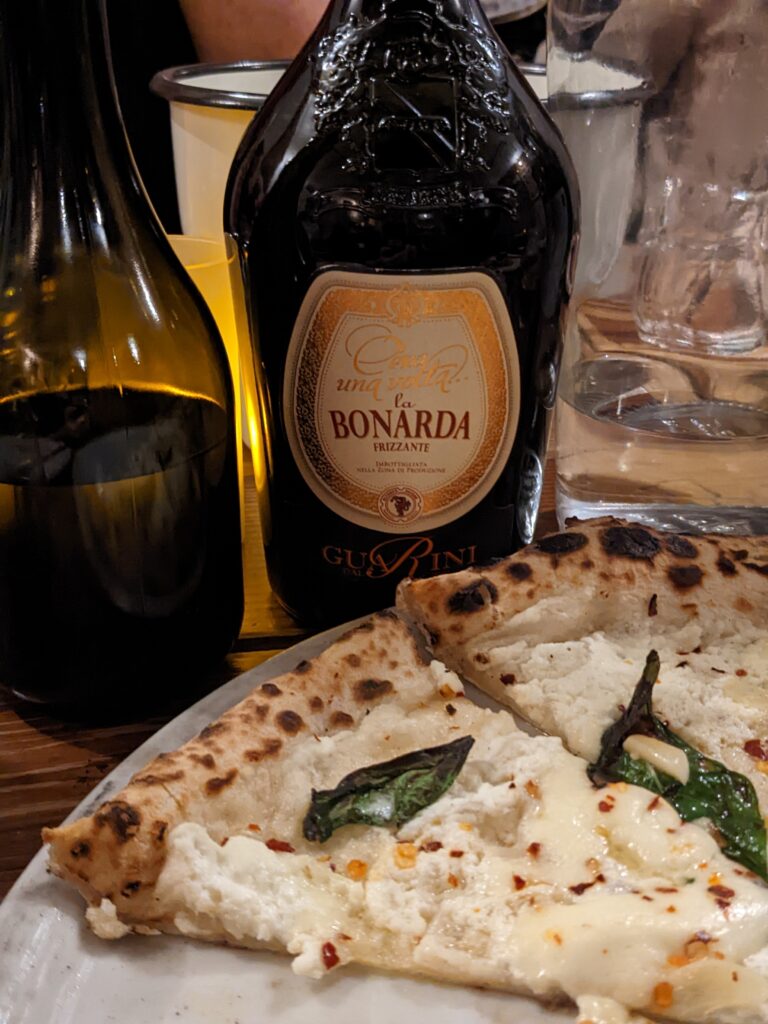
The diversity is further reflected in its many different sub-denominations. For example, there are four alone just for Metodo Classico sparkling wines. Bonarda dell’Oltrepo Pavese refers to a lightly sparkling (frizzante) red wine produced from a minimum of 85% Croatina, supplemented with up to 15% of Barbera, Ughetta, and/or Uva Rara. Finally, the unusually titled Sangue di Giuda is named for the legend that Judas came back to life to atone for his betrayal of Jesus, ultimately helping to end an epidemic in the vineyards. This sweet red can be lightly or fully sparkling and may be produced from 25-65% Barbera, 25-65% Croatina, with the remainder being Uva Rara, Ughetta and/or Pinot Nero, up to a maximum of 45%.
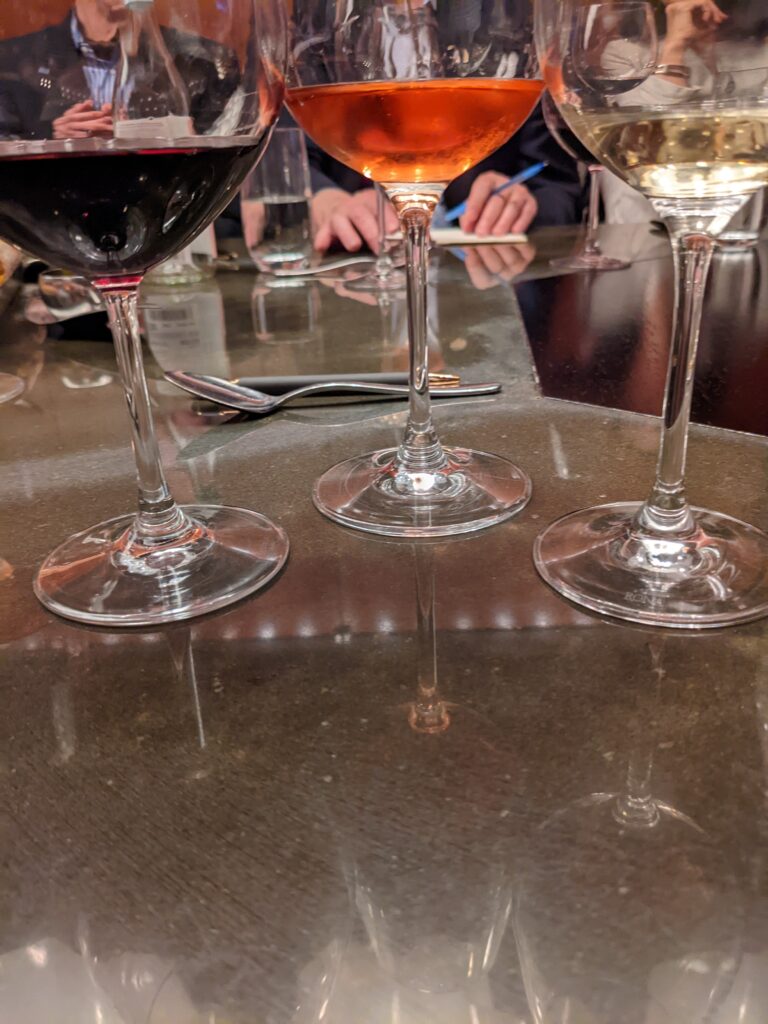
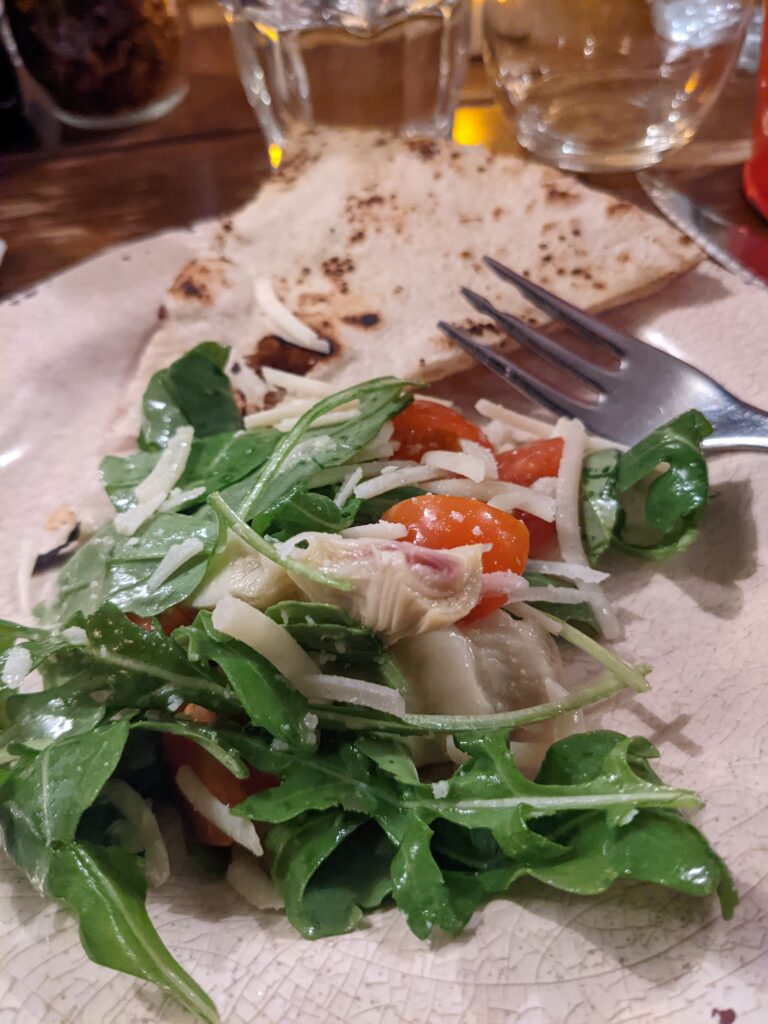
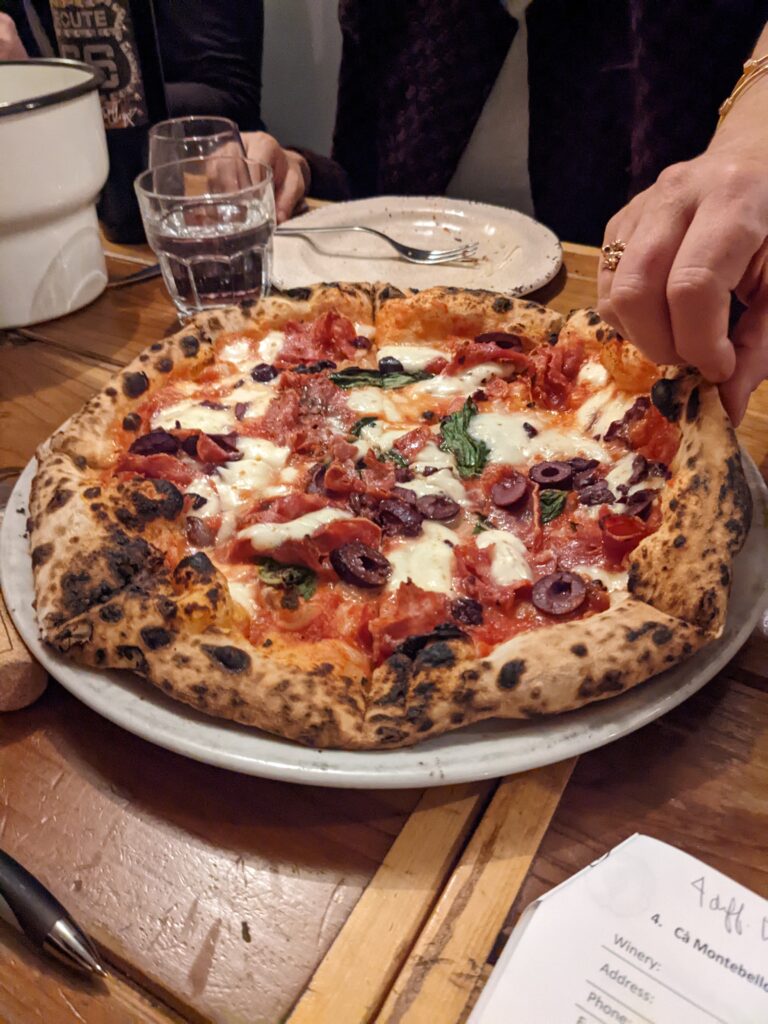
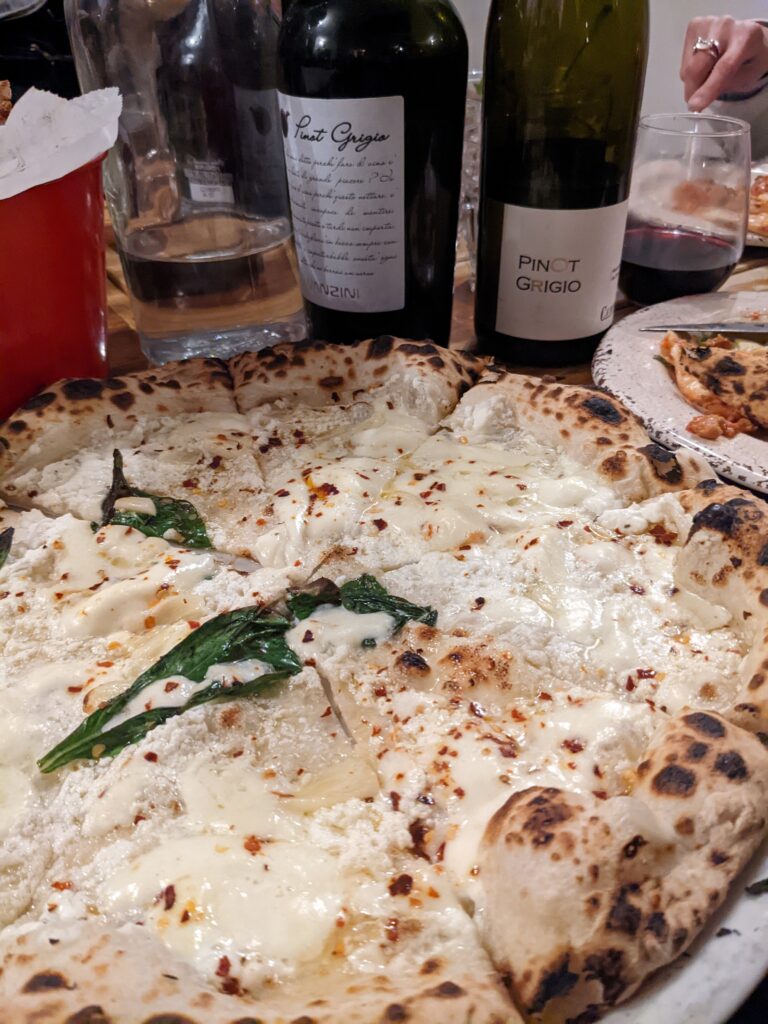
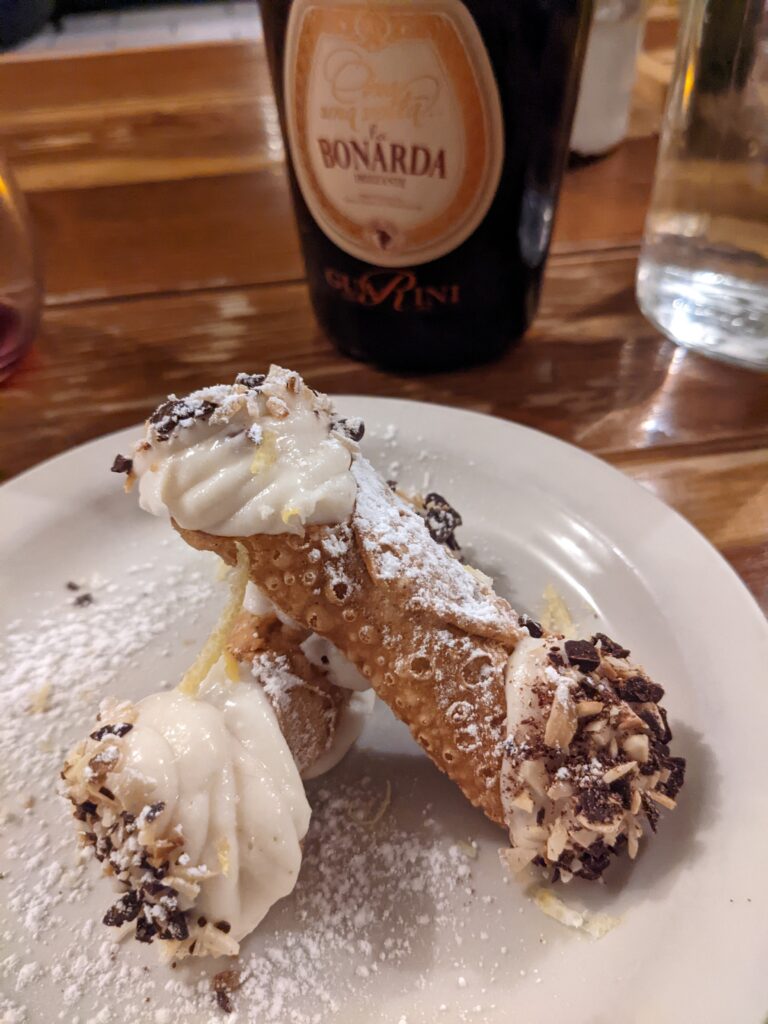
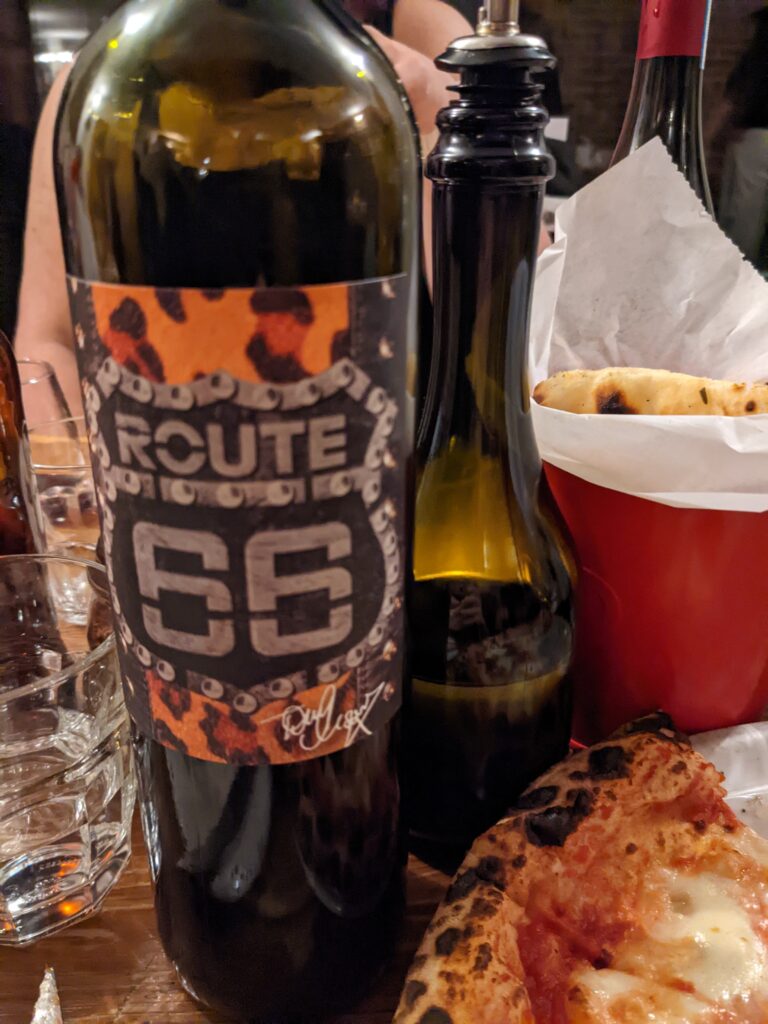
Thus, it was a fun and festive introduction to these wines at Sottocasa, an authentic thin-crust pizza restaurant in Harlem, which was the site for an informal wine dinner. Our meal featured an assortment of Oltrepo Pavese wines paired with a selection of salads, pizzas and people. Yet, the informal nature of the event did not mean that the wines were any less complex or of low quality. In fact, they were quite delicious and easy to pair with both the savory and sweet dishes on the crowded table.
Moreover, the diversity of vinous flavors, coupled with the hodge podge of people and food, was the perfect proving ground for Thanksgiving, which we will celebrate in the U.S. this week. While Oltrepo Pavese may be situated on the other side of the Po, this time of year in the U.S. we are metaphorically heading “Over the river and into the woods… to grandmother’s house…” to celebrate Thanksgiving with family, friends or both, with our own assortment of culinary traditions on the table.
The sparkling, white and red wines of Oltrepo Pavese should be a welcome addition to your feast throughout the holiday season and beyond with their flexible, food-friendly nature.
TASTING NOTES
The following wines were those we tasted at Sottacasa, but you can search out whatever Oltrepo Pavese are available at your local wine store.
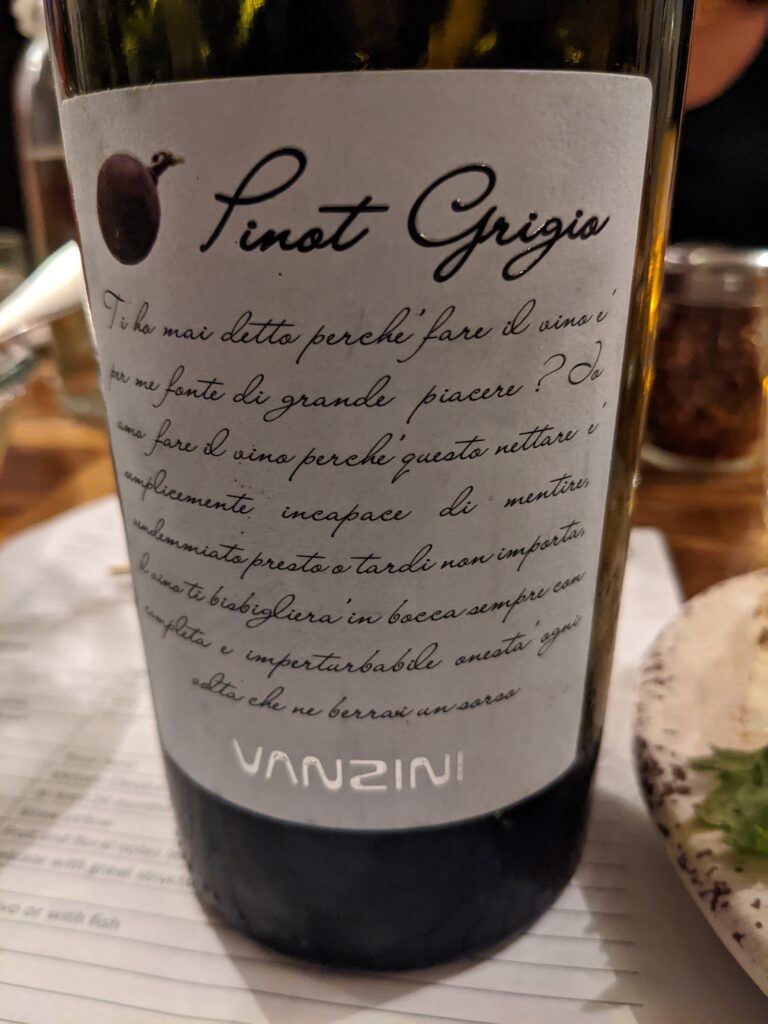
Az. Vitivinicola Vanzini Sas, Oltrepo Pavese Pinot Grigio DOC 2021 100% Pinot Grigio, fermented in steel tanks This was my preference among the Pinot Grigios, but they were all quite good.
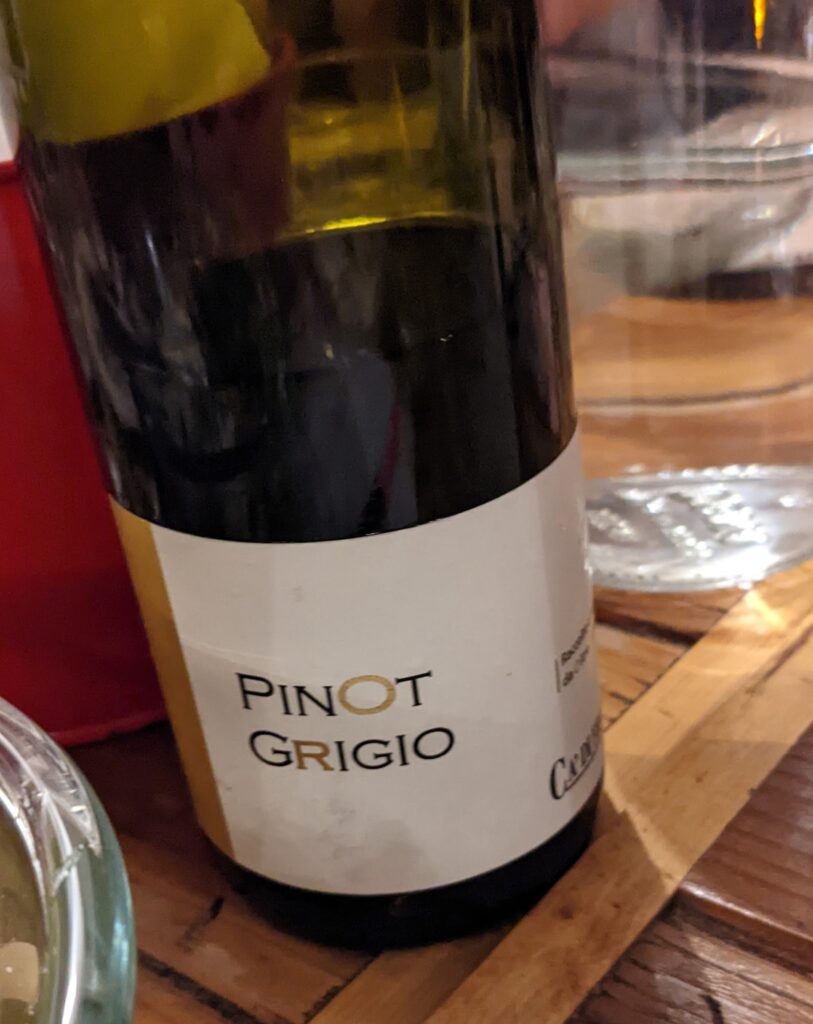
Ca di Frara Oltrepo Pavese Pinot Grigio DOC 2021 100% Pinot Grigio, fermented in steel tanks
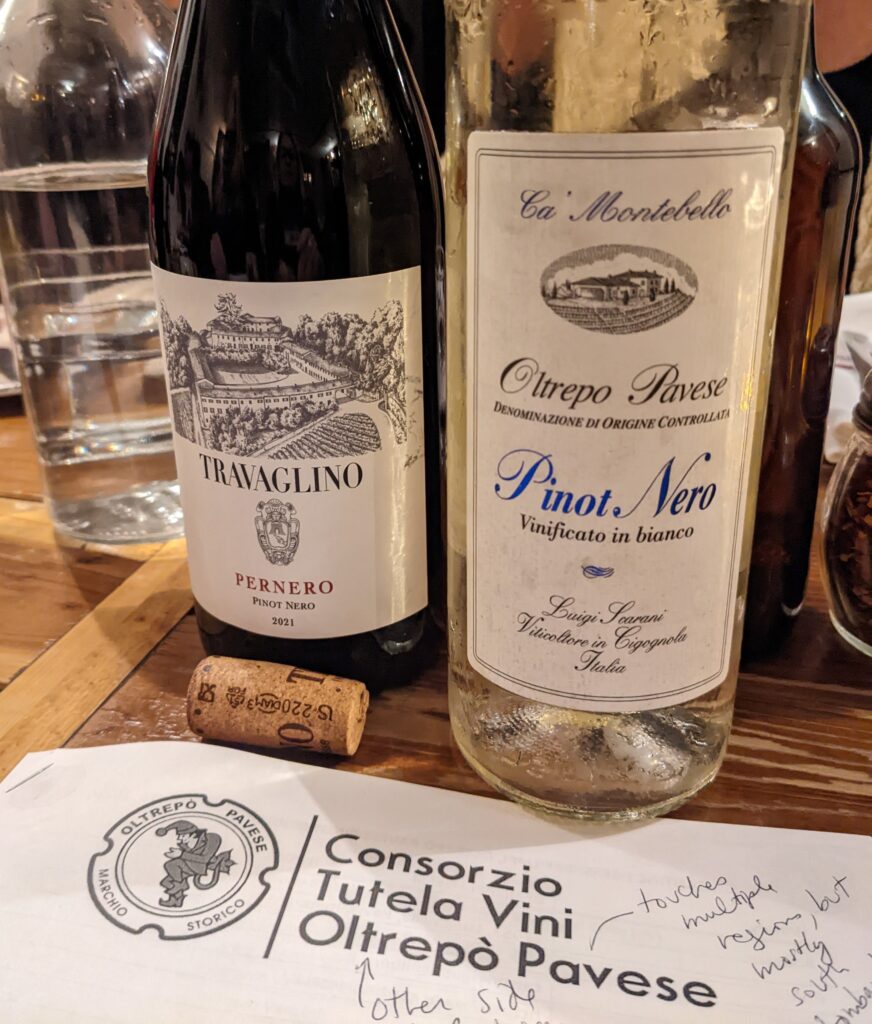
Ca Montebello Oltrepo Pavese DOC Pinot Nero Vinificato in Bianco 2021, $25 100% Pinot Nero. Vinified as a white wine, this Pinot was extremely fresh and lively, light bodied, really beautiful and super easy to drink. It was a crowd favorite at our meal.
Castello di Luzzano Sommossa Bonarda dell’Oltrepo Pavese DOC 2021, $23 100% Croatina. This dry, sparkling red, was produced using the tank method, with raspberries and blackberries, and long length.
Losito & Guarini Giovannella Fugazza Bonarda Dell’ Oltrepo Pavese DOC C’Era Una Volta NV, $20 100% Croatina, tank method.
Dino Torti Oltrepo Pavese DOC Barbera Route 66, 2019, $25 100% Barbera, aged in Fench barrique for 18 months. I didn’t take good notes, but I did enjoy this fresh, medium-bodied red.
Tenuta Travaglino Pinot Nero Dell’ Oltrepo Pavese DOC Pernero 2021 100% Pinot Nero, tank fermentation, 6 months aging on the lees. A light-bodied red, with good cherry fruit, a hint of herbaceousness and lively acidity.
Az. Vitivinicola Vanzini Sas, Sangue di Guida Dell’ Oltrepo Pavese DOC 2021 Croatina, Uva Rara, Barbera, field blend, Martinotti Method. This off dry, red sparkling wine was lovely and fresh and a good pairing with dessert.
Already know your South American ABC’s? Now it’s time to get to know U!
You are likely very familiar with wines from Argentina, Brazil and Chile, but if you are not aware of the wines from Uruguay, you are not alone. Yet, this oversight is worth correcting, especially given the country’s emphasis on further improving quality and care in crafting their wines. Moreover, its winemakers have learned to tame the tannins in its home-spun grape, Tannat, producing a plethora of styles to meet a range of palate preferences.
Although Uruguay is the second smallest country in South America, nestled between Argentina and Brazil, it has a lot of claims to fame. Most notably, Uruguay was the first country to host the World Cup. In addition to sharing a wine heritage with its neighbors, Uruguay also gives them a run for their money rivaling Argentina in tango and steak and Brazil with the longest carnival in the world at 50 days long. Perhaps most impressive, Uruguay boasts a 99% literacy rate and the country has given every school child a laptop since 2009.
Despite a less obvious presence on the world wine stage, Uruguay has been making wine since 1720s, and saw significant growth in the 1800s. However, it wasn’t until the 1990s that the country began to focus on premium wines, with the planting of the more noble, European grape varieties.
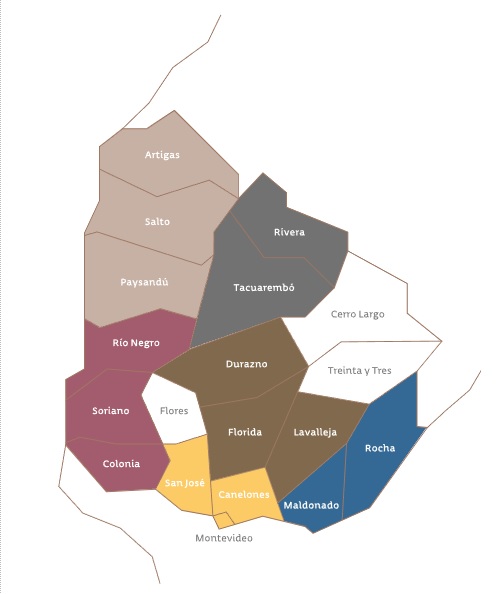
Climatically, Uruguay is home to a maritime climate, such as that of Bordeaux and Galicia. Within this climatic condition, the country comprises 1200 vineyards and 160 wineries. Today’s plantings total 12,000 acres and the land is composed of 99 different varieties of soil. The majority of production (75%) centers in two main regions along the coast: Canelones and Montevideo (shaded in yellow in the map below). Here, the vines are planted on gently sloping hillsides and, tend to be older, due to the lengthier history of viticulture in the region.
Similarly, the industry is seeking out new areas for planting such as Maldonado (shaded in blue), which is also coastal, but with granite soils. Another frontier area is Rivera (shared in gray), in the north, near the border of Brazil, with a distinctly more continental climate thanks to its location further inland.
For what little reputation Uruguay does have, it is perhaps most well-known and regarded for Tannat. This highly tannic variety of French origin was first planted in Uruguay in the 1860s, with 3,950 acres currently planted. With its thick skin, Tannat is less susceptible to disease, which makes it a good option to combat the country’s humid climate.
Yet, beyond the climate-conducive nature of Tannat, the Uruguayans are quick to note that with the preponderance of cows in the country, they make wine to eat with meat. In fact, one producer proclaimed, “We eat the cows or we will be eaten by them.” NB: Cows outnumber people 4 to 1. For this reason, they like to think that, “Tannat chose us,” rather than the other way around. Thus, Tannat’s high tannin content, which reacts favorably with the protein in steak, provides another reason for Tannat to be such an important grape for the country.
Regardless of the reason for Tannat’s initial take-off, it is clear that Uruguayan winemakers have become very adept at handling Tannat and, in particular, have learned to expertly manage those high tannins. The tannins are still generally intense and structural, yet they are more balanced. Plus, today’s Tannat wines offer a variety of styles from which the consumer can choose.
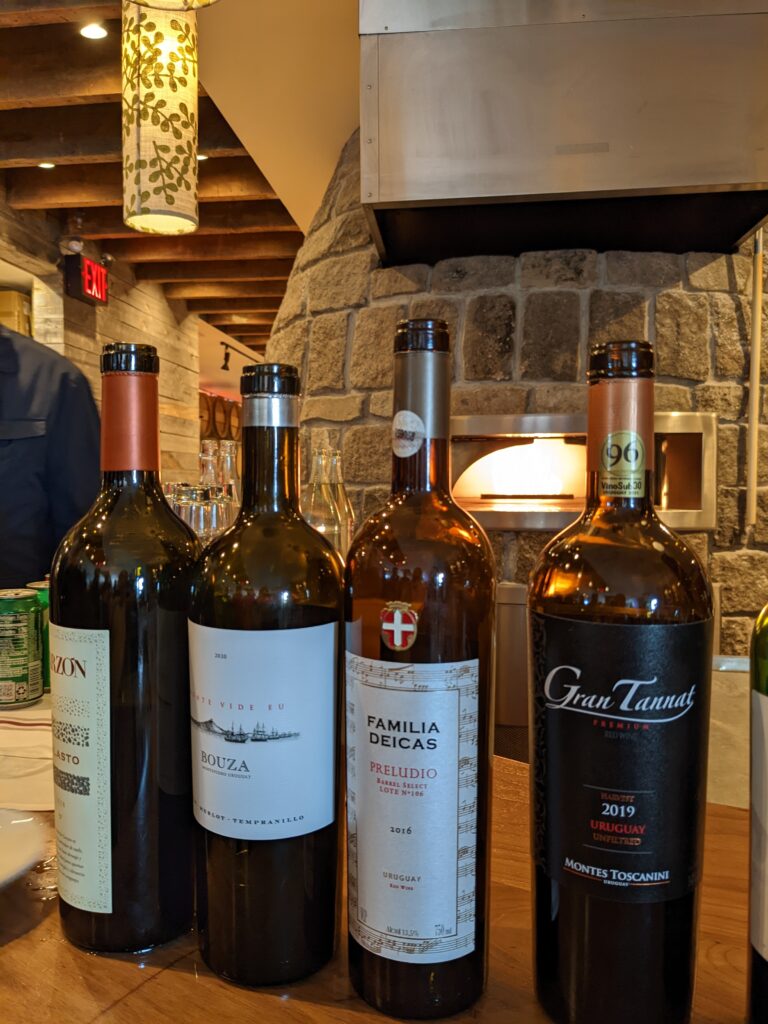
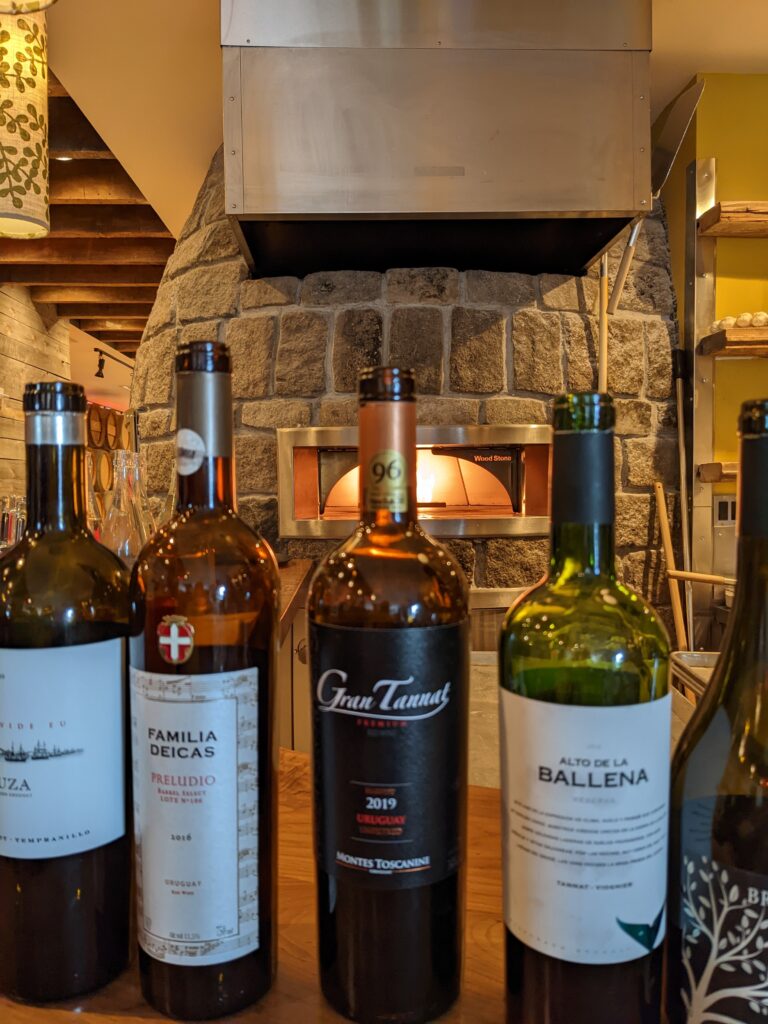
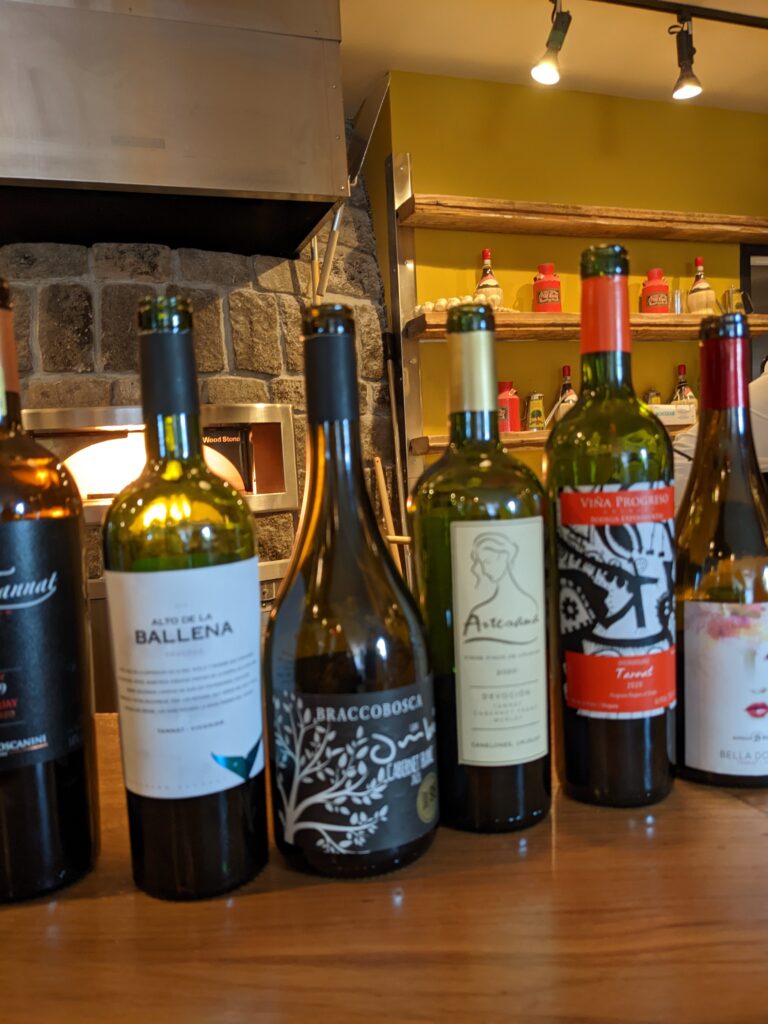
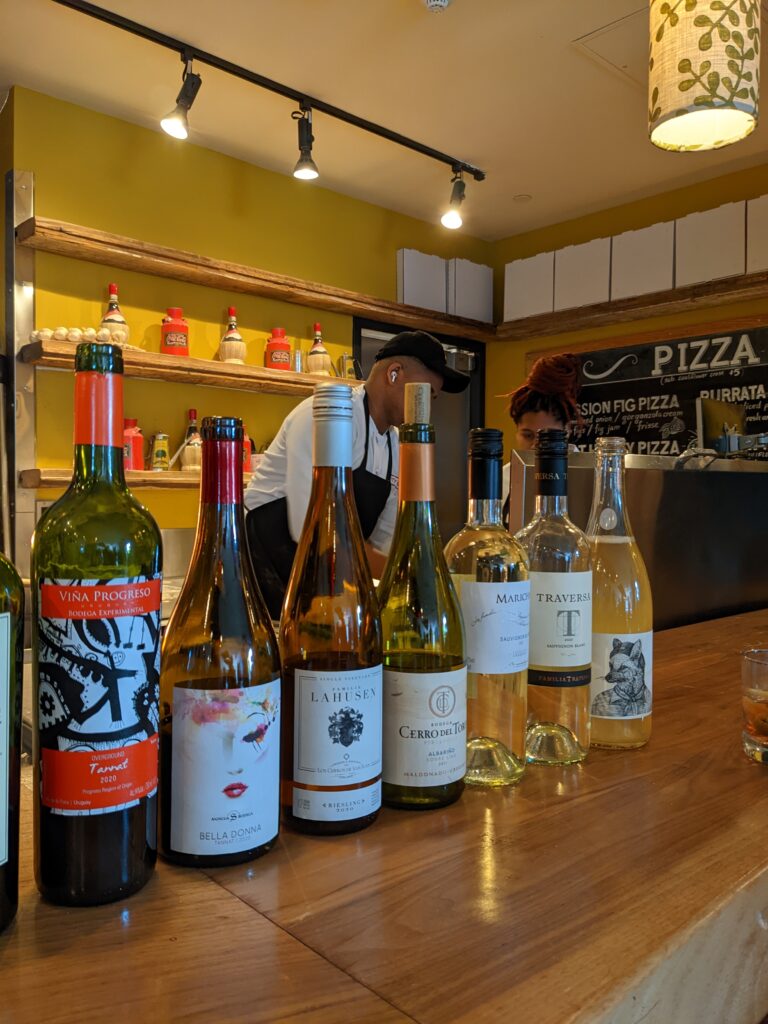
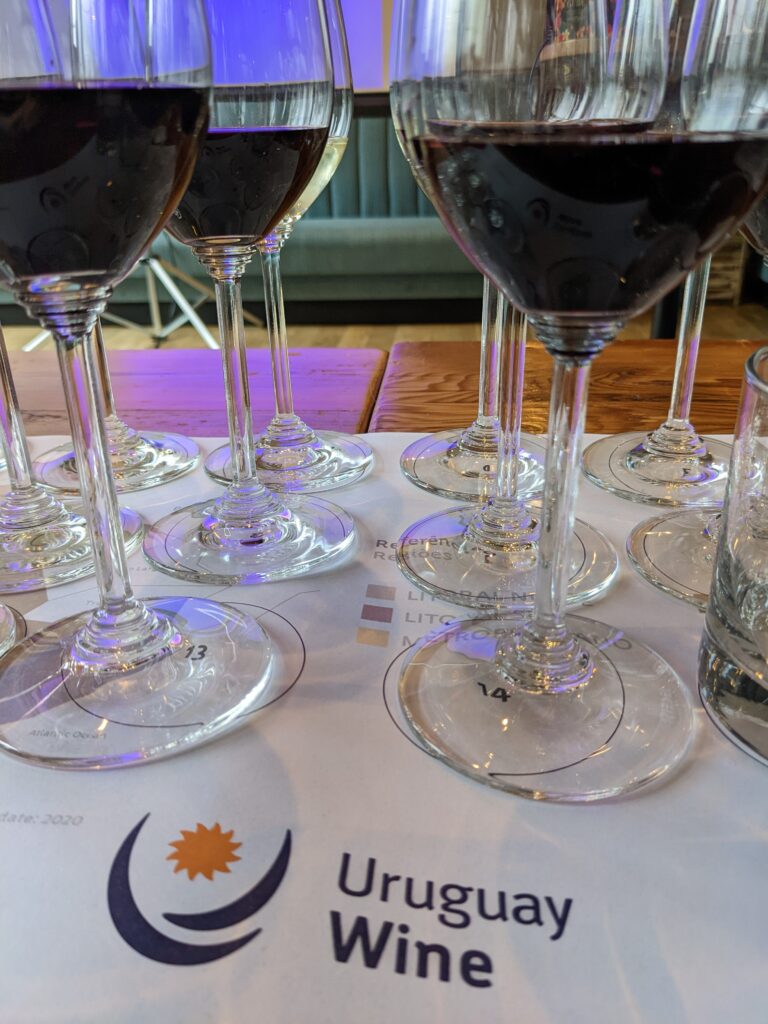
In fact, in a recent tasting at City Winery, members of the press and trade had a unique opportunity to taste through nine different Tannat wines (including a Tannat-based vermouth), which clearly illustrated the diversity being produced right now. Moreover, tasting through an assortment of varietal wines as well as blends revealed how the current crop of winemakers has implemented their experience and expertise to produce high-end wines and provided a showcase of what Tannat can truly do.
Aside from Tannat, Uruguay is home to other French varieties, including: Merlot, Cabernet Sauvignon, and Cabernet Franc, as well as Marselan, Syrah and Pinot Noir. Although whites comprise a much smaller percentage of total plantings, Sauvignon Blanc is the 8th most planted variety, Chardonnay is ninth and Albarino comes in at number 10.
Today’s producers run the gamut from historic family properties to experimental newcomers and everything in between, all of whom are embracing this latest chapter of Uruguay’s vinous history. There are some very interesting and exciting wines being exported to the U.S. and most of them are well priced. If you don’t know Uruguayan wines, now is the time to get to know them.
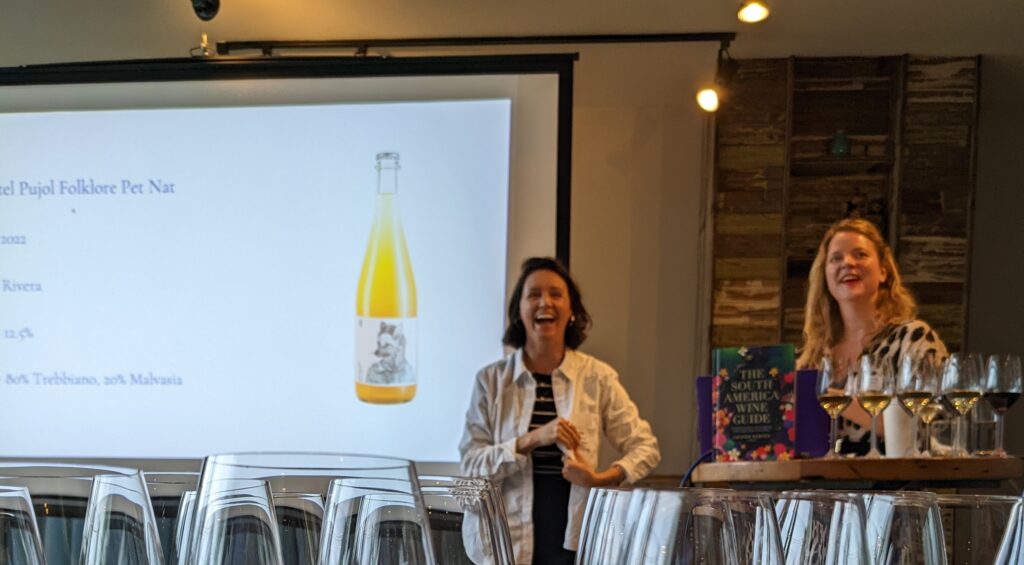
The Uruguayan masterclass at City Winery was led by award-winning wine journalist, Amanda Barnes, author of the The South America Wine Guide, joined above by a representative from Cerro Chapeu winery.
TASTING NOTES
Cerro Chapeu Castel Pujol Folklore Petillant Naturel 2022, Rivera, Uruguay Planted in the early 1970s, there are only two wineries in this tiny region, bordering Brazil. Produced in the Ancestral Method, this sparkling wine is a blend of 80% Trebbiano and 20% Malvasia. It is lightly sparkling, with nice citrus fruit, minerality, and long length.
Familia Traversa Sauvignon Blanc 2021, Montevideo, Uruguay The Traversa family hails from the Veneto in Italy, emigrating to Uruguay in 1904. In 1937, they purchased land in Montevideo and established the winery in 1956. This Sauvignon Blanc is treated to some barrel fermentation, giving it more weight and presence on the plate. It is very fresh, with a slight wood note, medium bodied, with mineral and citrus on the palate.
Marichal Sauvignon Blanc 2022, Canelones, Uruguay Founded in 1916, the Marichal brothers are members of the 4th generation to run the family business. They shifted their focus to fine wine in 2002 and have been improving quality ever wine. Compared to the Traversa Sauvignon Blanc, this wine is more herbal, with more tropical fruit.
Cerro del Toro Albarino Sobre Lias 2021, Maldonado, Uruguay This wine project is run by a Japanese businessman, who bought the land in the late 1980s. The winery itself was started in 2015 and comprises 70 acres. The wine spends some time sur lie. Aromas of apple and citrus greet the nose and persist on the palate, with high acidity, medium body and long length.
Los Cerros de San Juan Lahusen Riesling 2020, Colonia, Uruguay Established in 1854 by the Lahusen family from Germany, this is the oldest winery in Uruguay. The vines are planted on rocky soils and the wine was fermented in clay amphora. This Riesling shows lots of freshness with lime and minerality along with long length.
Antigua Bodega Bella Donna Tannat 2020, Canelones, Uruguay Since 1928, this Canelones-based winery has been family owned and female led, with the 6th generation currently at the helm. This Tannat is produced in a fresh, unoaked style with berries, black fruits, medium body, good acidity and long length.
Vina Progreso overground (revolution) Tannat 2020, Canelones, Uruguay Well respected winemaker, Gabriel Pisano has been exploring numerous projects since 2009 and established Vina Progreso as his “Experimental Winery” upon his return home to Uruguay. Fresh, with lively acidity, this Tannat is slightly reminiscent of Beaujolais, with light tannins and bright, red fruit aromas and flavors.
Artesana Devocion 2020, Canelones, Uruguay This boutique winery in Las Brujas was co-founded by Californian and Uruguayan winemakers, which explains why they grow Zinfandel in addition to Cabernet Franc, Tannat and Merlot and use a combination of both French and American oak. This blend of Cabernet Franc, Tannat and Merlot shows juicy red and black fruit. It is weighty, complex, and nicely balanced with ripe, firm tannins, good acidity, full body and long length.
Bracco Bosca Gran Ombu Cabernet Franc 2021, Atlantida, Uruguay Situated in Atlantida, a coastal area located just 8km from the sea, this winery was started in 2005, A member of the 5th generation of her Italian-heritage family (they are originally from Piedmont), Fabiana came back to the winery six years ago to take the lead. One of their top wines, the Gran Ombu Cabernet Franc spends ten months in New French oak and displays aromas and flavors of dried and fresh herbs, mulberry and cranberry, with good acidity and length.
Alto de la Ballena Tannat Viognier 2018, Maldonado, Uruguay The husband-and-wife owners of Alto de la Ballena have no family background in the wine industry, but simply wanted to seek out new areas (Maldonado) and pioneer new wines, getting their start in 2001. This wine takes its cue from the Northern Rhone, where the white variety, Viognier, is added to the red grape, Syrah. In this case, Tannat stands in for Syrah. With dark red fruit, dried herbs and vanilla on the nose and palate, the fruit is ripe yet restrained, culminating in long length.
Montes Toscanini Gran Tannat Premium 2019, Canelones, Uruguay In 1894, the family arrived from Geneva, eventually establishing the winery in 1979 in Canelones. Today, the 4th generation of the family is actively involved in the business. They only produce this specific wine in the best years, and from the best parcels. Offering up intense, firm, yet ripe tannins, this wine is well structured with long length, showing black fruit, oak, vanilla.
Familia Deicas Preludio Tinto 2016, Canelones, Uruguay This historic winery was purchased in 1979 and most recently established in 2000. This is a barrel select wine, which is a blend of Tannat, Cabernet Sauvignon, Cabernet Franc, Merlot, Petit Verdot, and Marselan. The selection is made by a large committee of family members after the wine has been aged for 24 months in oak barrels. It is redolent of red and black fruits and oak, with ripe tannins, good acidity, full body and long length.
Bouza Monte vide eu 2020, Montevideo, Uruguay Founded in 1999, the owners have been pioneers in new regions and with Albarino and are classic car enthusiasts. Bringing together 55% Tannat, 27% Merlot, and 18% Tempranillo, this wine takes its name from a Portuguese phrase, and has a sweet attack, with fresh, ripe fruit, violets, and oak. The full-bodied wine has firm tannins and long length.
Bodega Garzon Balasto 2018, Maldonado, Uruguay Bodega Garzon was established in 2009 in Maldonado by Argentine oil billionaire Alejandro Bulgheroni, in conjunction with an Italian wine consultant, Alberto Antonini. With a tribute to the terroir of decomposed granite soil and a strong emphasis on sustainability, the owners are more excited about their Silver LEED certification than any wine awards they may have won, which says a lot considering that the winery won Wine Enthusiast’s Wine Star Award for Best New World Winery in 2018. A blend of 45% Tannat, 25% Cabernet Franc, 18% Petit Verdot, and 12% Marselan, this wine is aged in untoasted botti, and offers up black fruit, berries and coffee, with full body and firm tannins. It is quite powerful, yet balanced and complex.
Basta Spirit Vermut Flores Rose NV, Uruguay An artisanal vermouth collaboration produced from Canelones-sourced grapes, this project started in 2019. With a tradition from Italy and Spain, interest in vermouth has been growing among consumers in Uruguay. There are four different flowers included in the 27-ingredient, botanical recipe. It starts with a base of Tannat rose. It is very fresh and lively.