Hot Girl Summer? Decidedly yes! But, also, just a very HOT summer with melty temperatures, apocalyptic skies and drenching humidity.
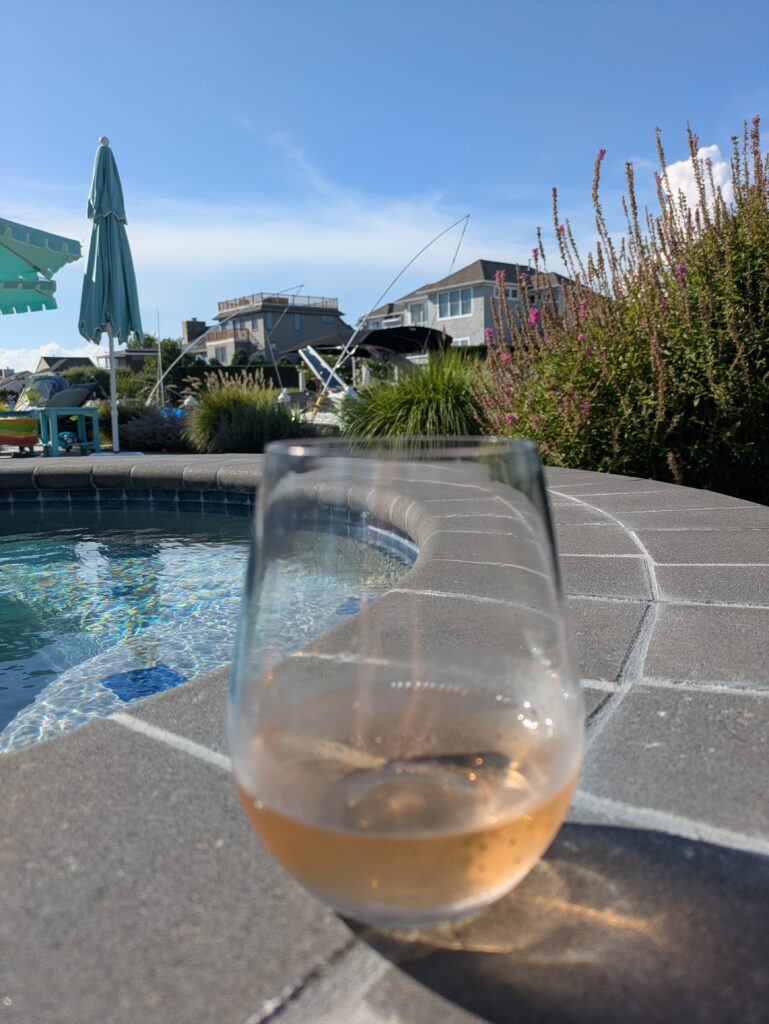
If you have the luxury of being beachside or at plunging in the pool, you might find some relief from the heat. While I have had the pleasure of both, I am also reaching for the quenching and refreshing wines from Rioja.
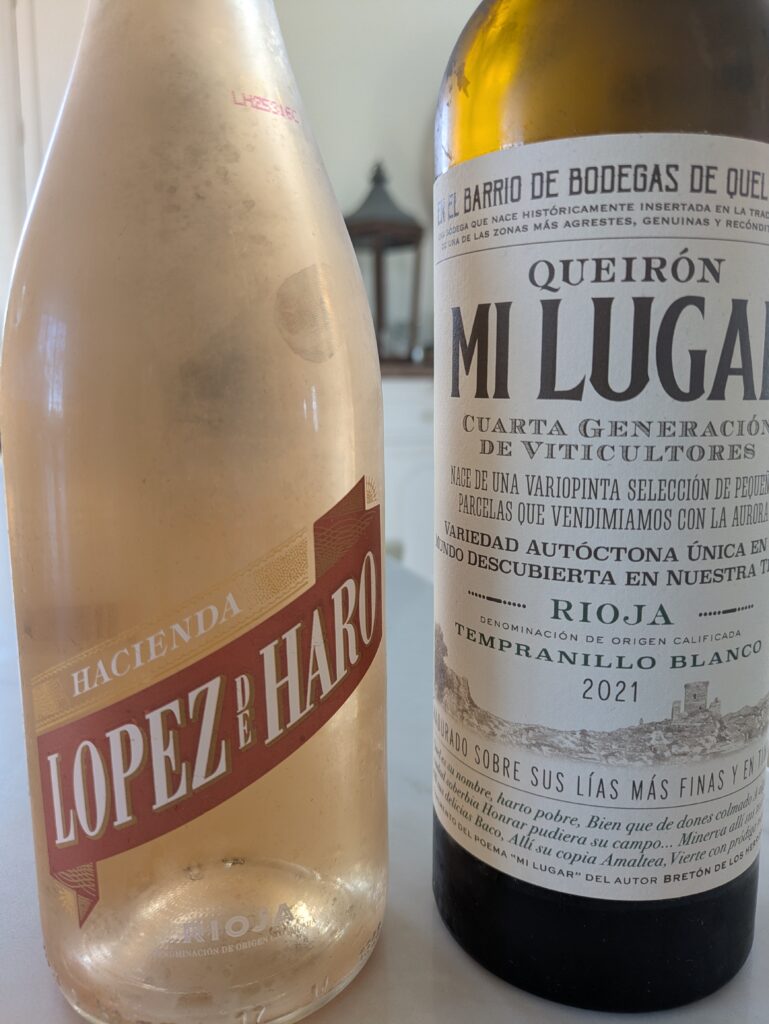
Although these have traditionally been more focused on oak-aged reds, the Spanish region has begun to shift its attention toward whites (blancos) and roses (rosados) as I noted last year. In fact, I opened up two of these wines this past weekend in Long Beach Island, which were well received by my hosts and paired beautifully with the fajita feast they had prepared.
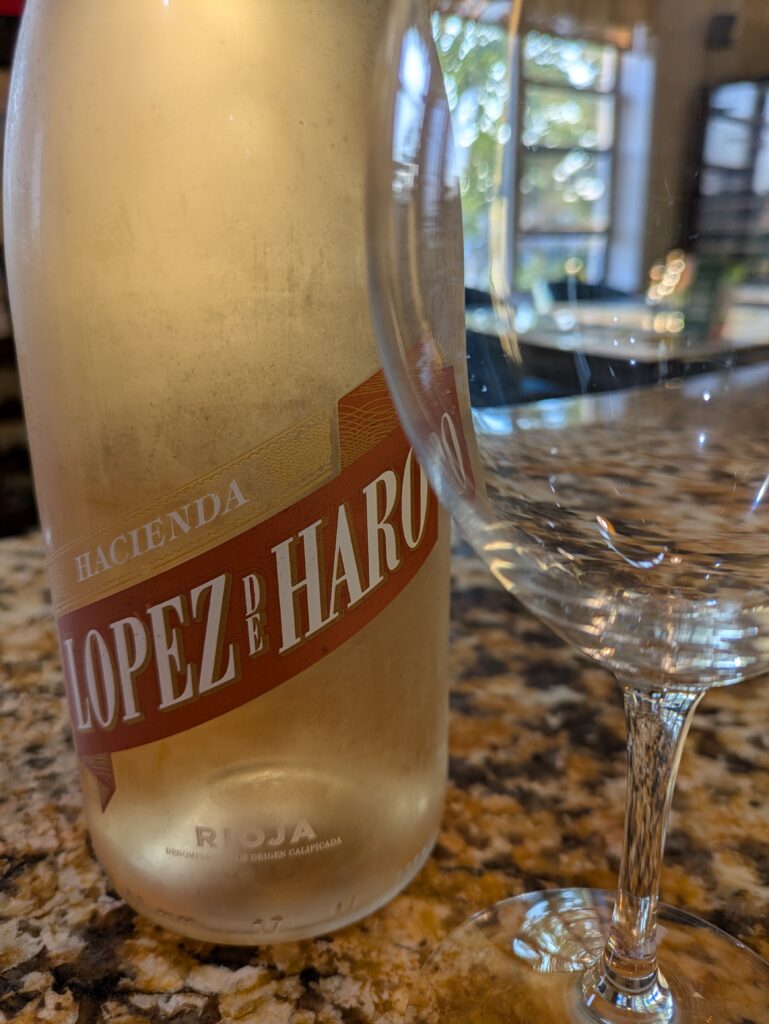
Hacienda Lopez de Haro – Rioja Rose 2024, Rioja, Spain $12.00 Located in the heart of the Rioja region, this winery Bodegas Lopez de Haro was established in 2003. Their rose Rioja brings together Garnacha and Viura, with the actual blend varying slightly by vintage. The juice generally spends about 24-48 hours in contact with the skins, accounting for the pale onion skin color. On the nose, the wine is fresh, with notes of under-ripe strawberry, slight herbs and a hint of floral. It offers up bright acidity and long length. Not surprisingly, it has continued to garner praise from many tasters and has won previously awards from Decanter World Wine Awards and and the Peñín Guide.
Ontañón Queirón Mi Lugar Tempranillo Blanco 2021, Rioja, Spain, $31.00 Produced from 100% Tempranillo Blanco and aged for 18 months in a mix of American and French oak, this is a complex and powerful wine that’s still fresh and fragrant for summer. Redolent of nuts, almonds, honey and stone fruit, the palate provides medium acidity, medium-plus body and medium-plus length. I think it is well deserving of its 92 Points from critic James Suckling.
We’ve finally landed in a new place – a new, physical space and a new state of being. And I can finally breathe a sigh of relief. It has been an incredibly challenging time for me over the past several years as I have struggled with anxiety, financial instability, fear, overwhelm, aging and heartbreak.
Much of this can be attributed to the real estate roller coaster on which my husband and I have been on. More specifically, due to financial constraints, in mid-2023, we made the difficult decision to put our home on the market and move to a new neighborhood with the aim of reducing our monthly living expenses. It was an easily conceived plan, yet not so easily implemented.
In fact, what started as a simple idea became a complicated journey that lasted for two and half years and added a lot of stress and strife to our already hectic lives. As a result, we were forced to deal with much uncertainty, a loss of autonomy and a heightened and sustained state of fight/flight/freeze/fawn.
Along the way, we found ourselves half-packed for a period of six months, as we waited for all of the various elements to successfully conclude with the sale of our apartment. Our next leg consisted of subletting a place in a fifth-floor walk up in midtown Manhattan for three months, carrying our medically-compromised dog up and down the stairs at least three times a day. While we were truly grateful to have a safe place to land for that time period, it was definitely not fun.
Thankfully, we are finally on the other side of this ordeal and are trying to level-set our lives once again as we settle into our new home and new normal.
However, all of this upheaval definitely stirred up a lot of feelings, causing us to ask the question: What is a home, anyway? Is it bricks and mortar? Is it your mailing address? Is it simply the place where you lay your head each night?
For twelve years, we had lived in an apartment we had dubbed ZenSKape. With its Zen-like decor – a shoji screen room divider, a waterfall wall feature and art from our trip to Japan – it had been our sanctuary during that time. But, living day-to-day, surrounded by a perimeter of boxes, our home shifted into someplace we no longer felt calm. Then, the relocation to someone else’s residence, added to our sense of unease and a lack of belonging.
In response to this nervous system dysregulation, I found myself reaching out to friends with greater frequency, trying to find that calm and connection. And, many of these meet ups centered around wine, lending a festive and familiar air to our visits. Wine was a constant, keeping us tethered to community and reminding us to find moments of pleasure, peace and happiness, even on some of the hardest days. And, ultimately, finding the joy of making it to the end of this journey!
TASTING NOTES Merry Edwards Sauvignon Blanc 2023, Russian River Valley (CA), USA, $45.00 May 2025 found me in the moments before the chaos. We were in contract on both the sale of our apartment and the purchase of a new one, anticipating a positive outcome to the lengthy process. In that spirit of enthusiasm, I met up with my friend Ron at his apartment, with a bottle of Merry Edwards Sauvignon Blanc 2023 in hand. We opened up the bottle, poured the wine and conversation flowed. Bright acidity, medium plus body, slight herbs, citrus and tropical fruit, culminating in long length and pairing beautifully with Thai cuisine.
Merry Edwards Meredith Vineyard Sauvignon Blanc 2023, Russian River Valley (CA), USA, $80.00 Domaine Anderson Pinot Noir 2021, Anderson Valley (CA), USA, $55.00 A few weeks later, we admittedly started to feel nostalgic as the end date of living at ZenSKape loomed large. We made linguini with clam sauce for dinner at home and reached for the Merry Edwards Meredith Vineyard Sauvignon Blanc 2023. With tropical fruit and citrus aromas, it was more reserved on the palate, with tart citrus, minerality and long length. In a similar bid for holding on to precious moments, we enjoyed a picnic in Fort Tryon Park with our neighbors, preparing Tuna Nicoise and pairing it with the Domaine Anderson Pinot Noir 2021.
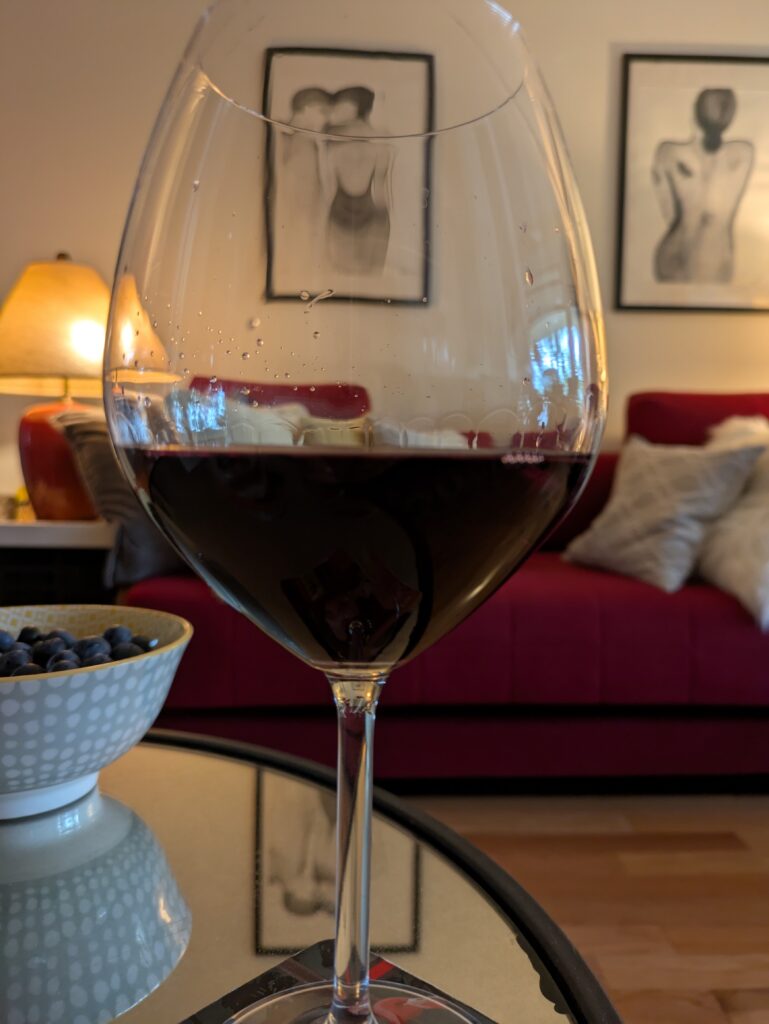
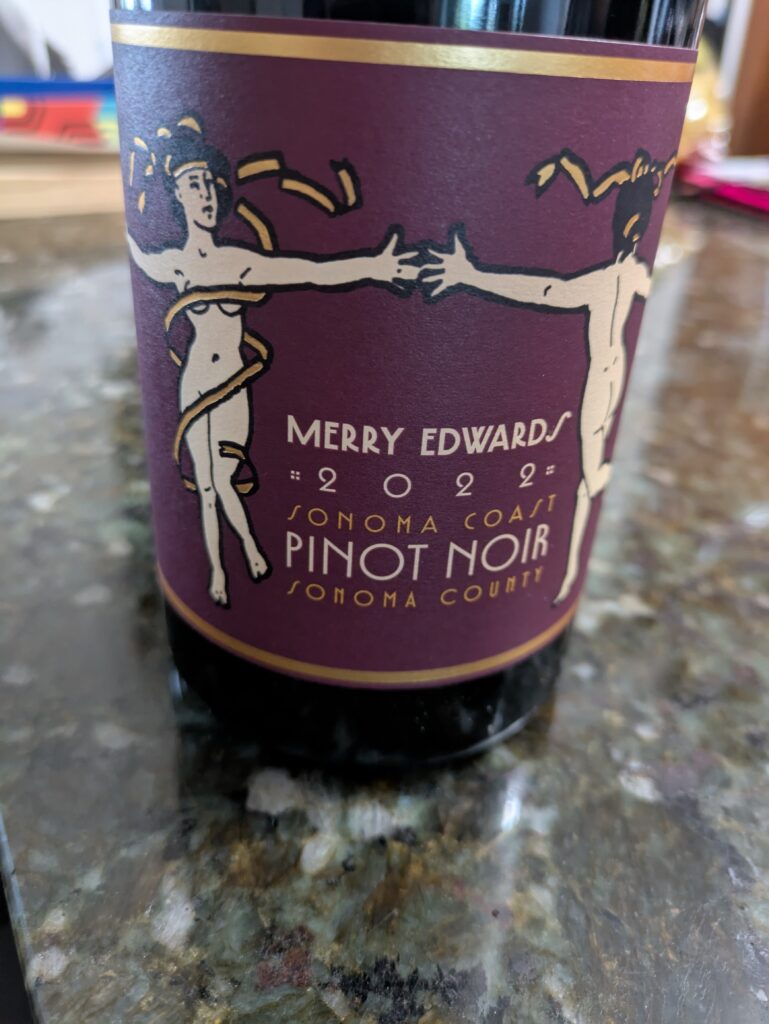
Merry Edwards Sonoma Coast Pinot Noir 2022, Sonoma Coast (CA), USA, $50.00 In further anticipation of our impending move to Riverdale, I met up with my dear friend Aleksandra in her home in Riverdale in June, bearing a bottle of Merry Edwards Sonoma Coast Pinot Noir. The visit was lovely as was the wine, which offered up bright acidity, medium body, luscious red fruit, slight herbal undertones and long length.
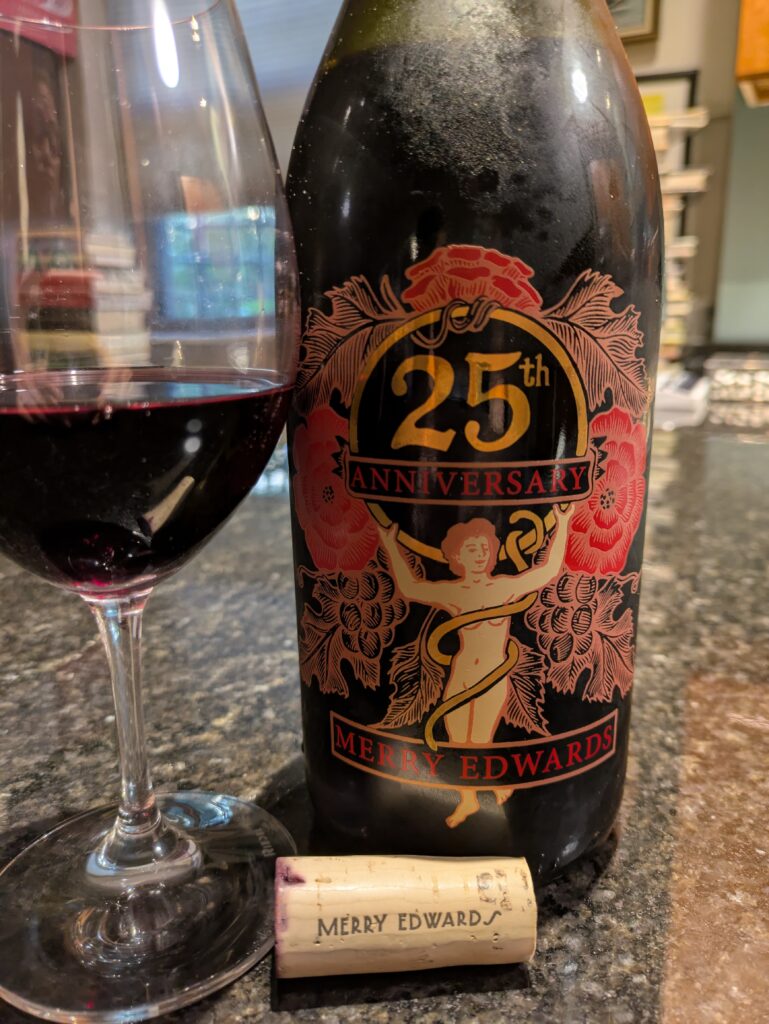
Merry Edwards 25th Anniversary Pinot Noir 2022, Russian River Valley (CA), USA, $120.00 Yet, by now, the fatigue of uncertainty had started to weigh on our minds. We had expected to be closing on both places by the end of June, but midway through the month, nothing had changed. Then, only a few days later, we learned that our application to the board in our proposed new building was denied. In the wake of that distressing news, we tried to find a bright spot by enjoying the 2022 25th Anniversary Pinot Noir, which displayed notes of raspberry and dark cherries on the nose. The dry palate presented lively acidity, medium-plus body, with hints of cocoa and spice, along with a very long length. Not long after this delicious diversion, we finished packing up all of our wines, limiting our home consumption for some time.
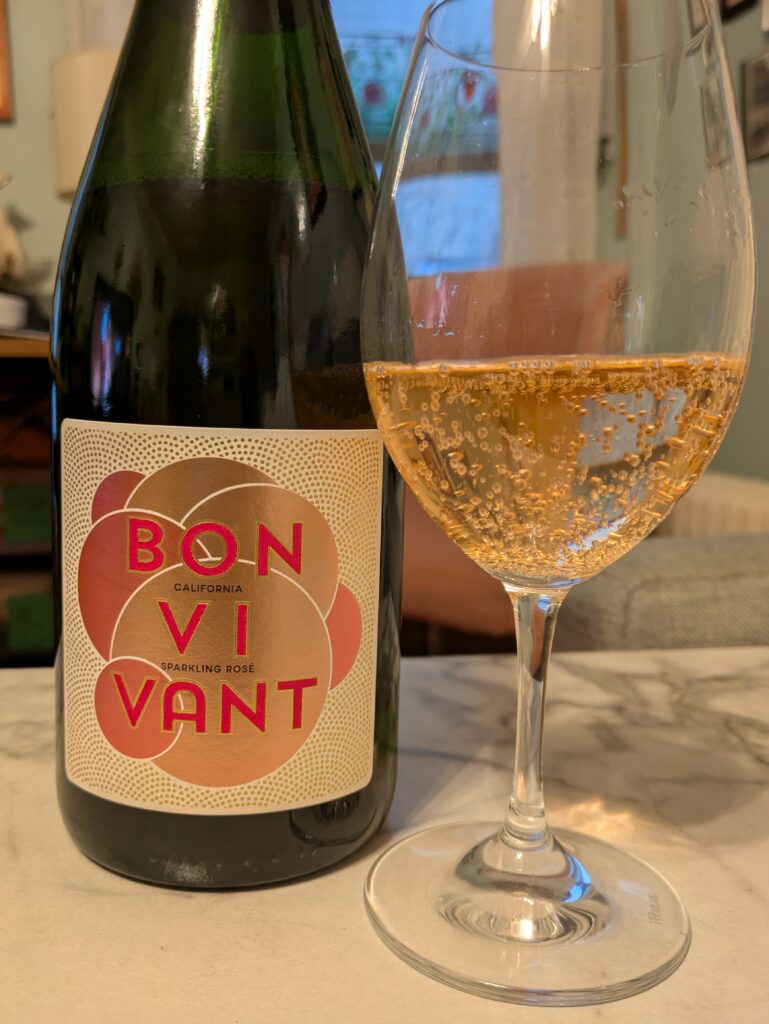
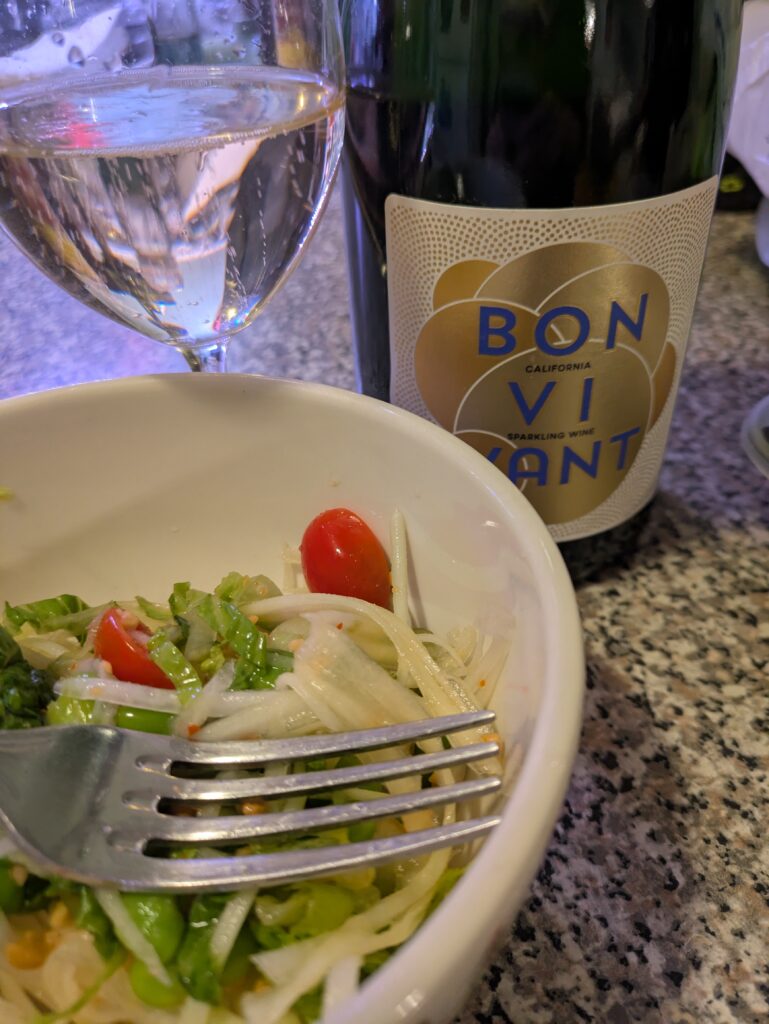
Bon Vivant Sparkling Rosé NV, California, USA, $20.00 Finally, in early October, the sale of our apartment was complete and we relocated to the midtown sublet noted above. In an effort to make the sublet our own, we found ways to spend time together and with friends. On one occasion, my friend Laura stopped by on a Friday evening, during which we enjoyed the Bon Vivant Sparkling Rosé with charcuterie, cheese and olives before heading to City Center for a mesmerizing dance production of Turn It Out with Tiler Peck & Friends. With a beautiful pale salmon hue, the effervescence danced on our tongues, with flavors of citrus, apple skin and toast.
Bon Vivant Sparkling NV, California, USA, $20.00 Not wanting him to feel left out, I opened up the rose’s Brut sparkler equivalent the following week for our date night in the sublet with Thai takeout. Both this wine and the rose were really wonderful examples of Traditional Method sparkling wines available at a reasonable price point. The Brut had an elegant mousse, with aromas of toast, green apple, citrus and long length.
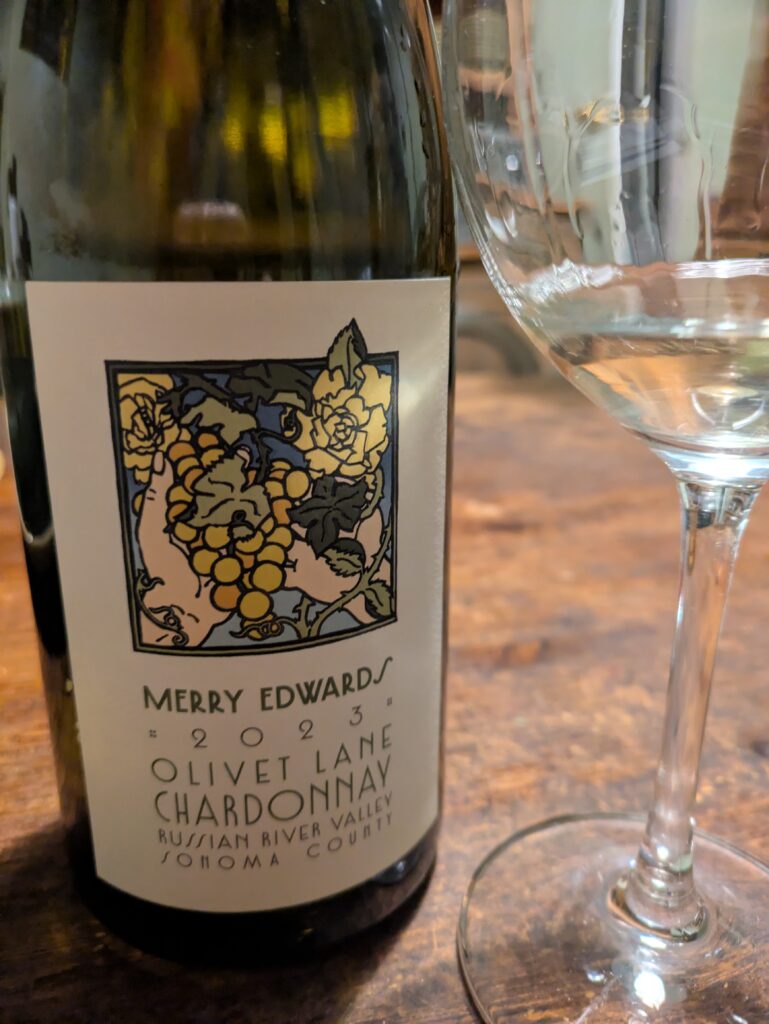
Merry Edwards Olivet Lane Chardonnay 2023, Russian River Valley (CA), USA, $70.00 By now it was mid-November and Thanksgiving was around the corner. As it had been awhile since I had seen my friend Ron, we made our usual plans to meet up at his place over a bottle or two. I knew he would appreciate this single vineyard Chard, with its complex aromas of lemon, citrus, vanilla and toffee. The excellent, full bodied white had bright acidity and very long length; it did not disappoint.
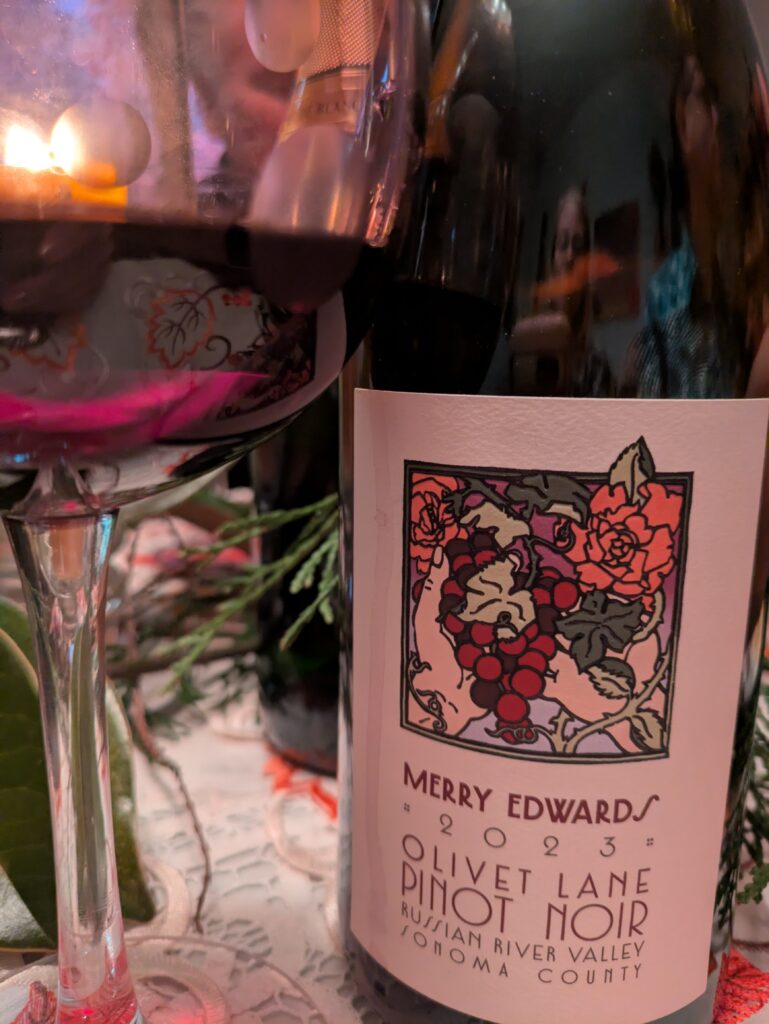
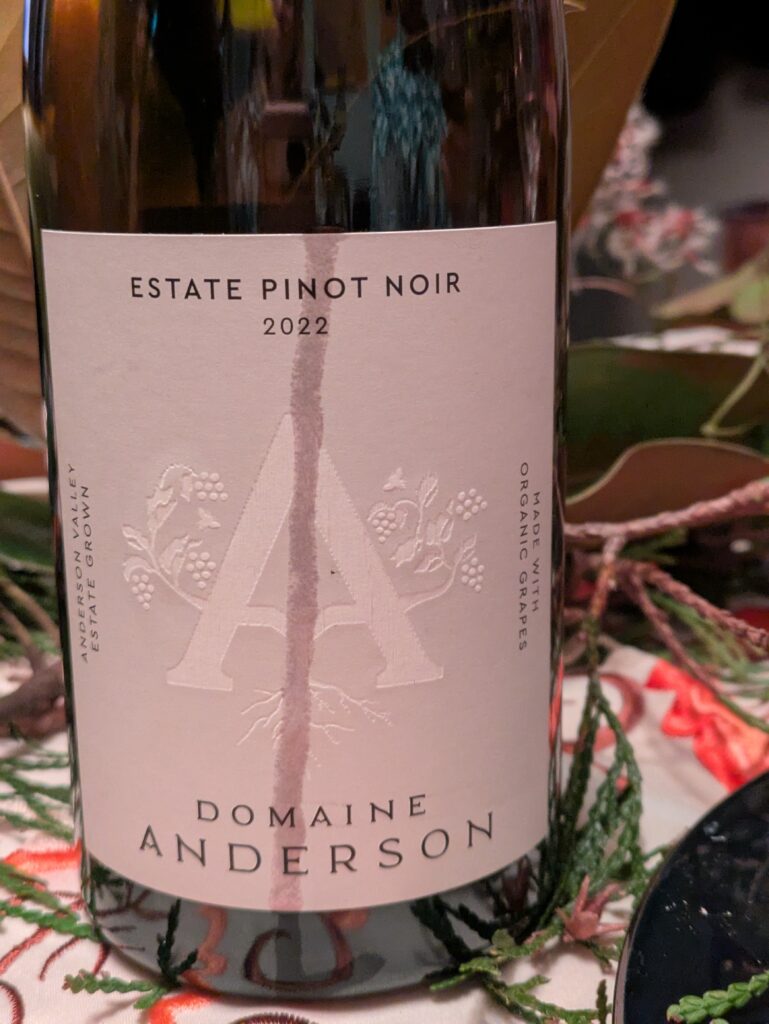
Scharffenberger Cellars Blanc de Noirs 2019, Mendocino County (CA), USA, $40.00 Domaine Anderson Estate Pinot Noir 2022, Anderson Valley (CA), USA, $55.00 Merry Edwards Olivet Lane Pinot Noir 2023, Russian River Valley (CA), USA, $77.00 For the past five years, we had hosted Friendsgiving in our apartment, which was an important and meaningful celebration for us. But, being in temporary housing meant that such a gathering was impossible. Gratefully, our dear friends who had been welcome guests at our Friendsgiving table took up the mantle to host and invited us to join them and others. We arrived ready to relish a sumptuous meal, surrounded by chosen family and fabulous food, with a Trader Joe’s pumpkin pie and three bottles of wine. We kicked off the festivities with the Scharffenberger Blanc de Noirs 2019, with its notes of toast and lemon, joined by a hint of almond in the finish. As the meal progressed, we opened up two Pinot Noirs, which are a great accompaniment at the Thanksgiving table, as I have shared previously. The Domaine Anderson Estate Pinot Noir 2022 provided an array of dried herbs, spice, berries and fresh red fruits, along with good acidity, medium body and long length. In contrast, the Merry Edwards Olivet Lane Pinot Noir 2023 was less fruit forward and much moodier with smoke, fresh herbal notes, and wet leaves,, but was still bright on the palate with medium-plus body and very long length.
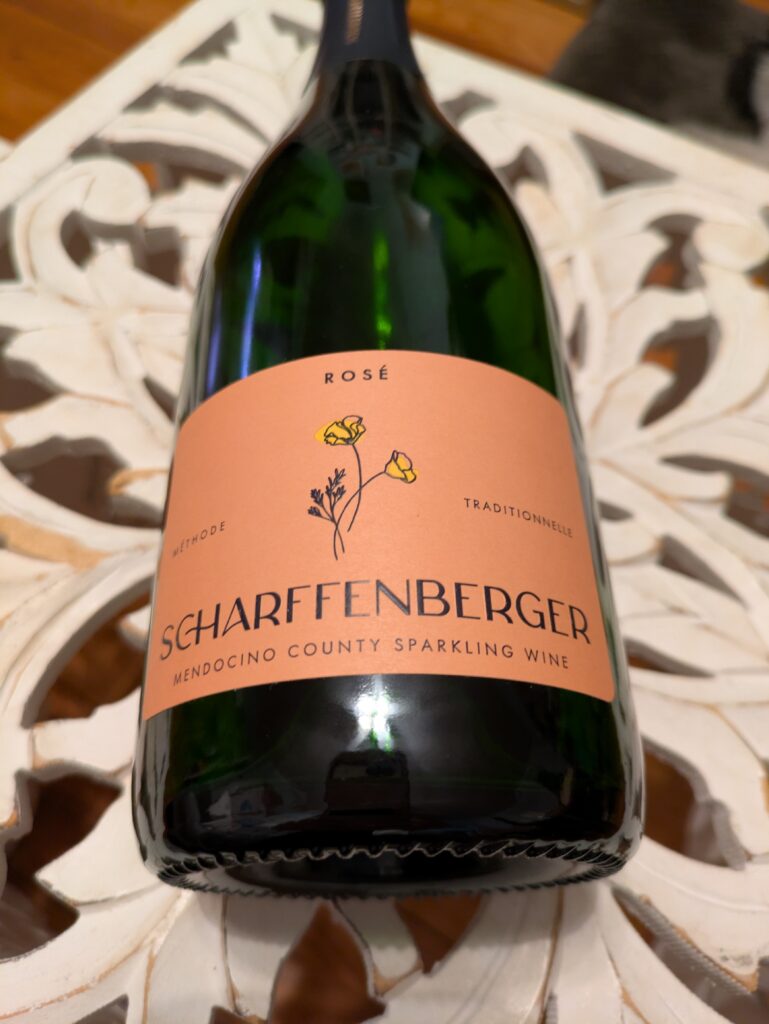
Scharffenberger Sparkling Rosé NV, Mendocino County (CA), USA, $30.00 On the heels of this holiday high, we were grateful to receive good news – our interview with the board at our new apartment co-op had been scheduled for early December. This boded well since it is rare that you are invited to interview if you won’t be accepted soon after. Fingers crossed, we went into the interview cautiously optimistic. Our hard work in putting together our board package was richly rewarded with the announcement that we had, indeed, been accepted. For certain, this called for a bubbly celebration and the Scharffenberger Sparkling Rosé was a perfect option. We slowly savored the mix of red cherries and yeasty notes; admired the palate’s lovely mousse, good acidity and long length; and exhaled a big sigh of relief. We finally had a new home!
Roederer Estate Sparkling Brut MV, Anderson Valley (CA), USA, $32.00 Roederer Estate Sparkling Rose MV, Anderson Valley (CA), USA, $39.00 We had the good fortune to be able to move into our apartment in time for the December holidays and, consequently, kept the celebration going. Christmas Day found us at home, happy to be able to continue our Christmas tradition of a Jewish Christmas (Chinese food and movies) in our new place. We merrily toasted the season with Roederer Estate’s Sparkling Rose, which offered up fresh notes of strawberry, apple peel and yeast, along with bright acidity and long length. The Sparkling Brut was wonderful a few days later as we unpacked our lives and got ready for the new year.
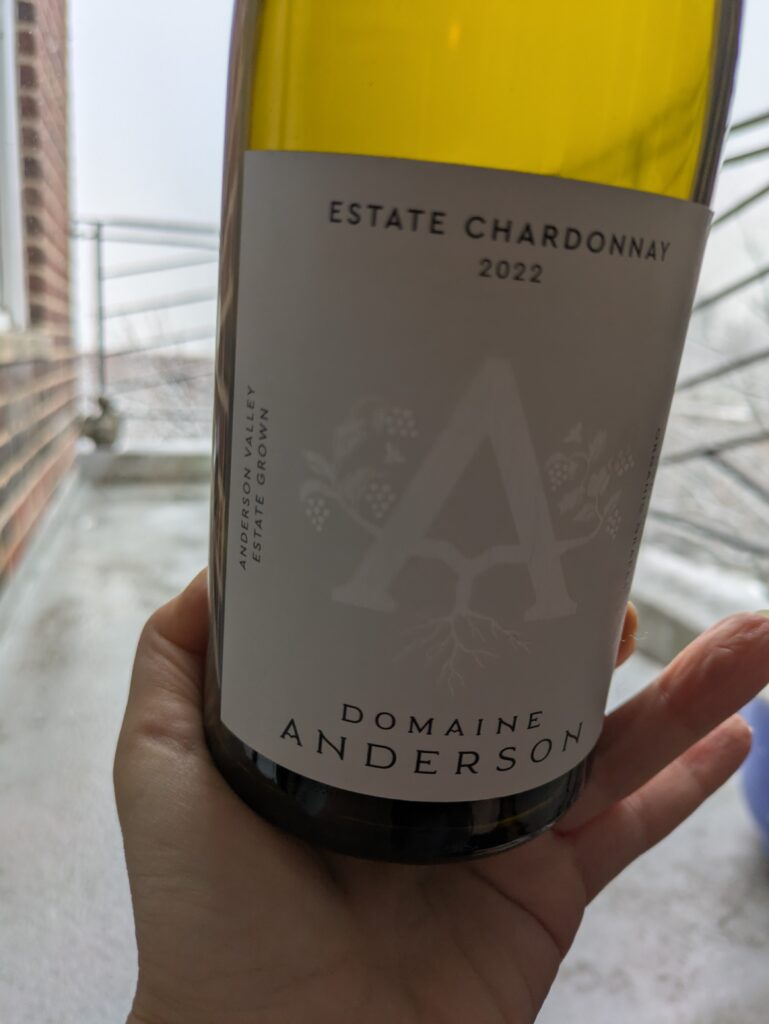
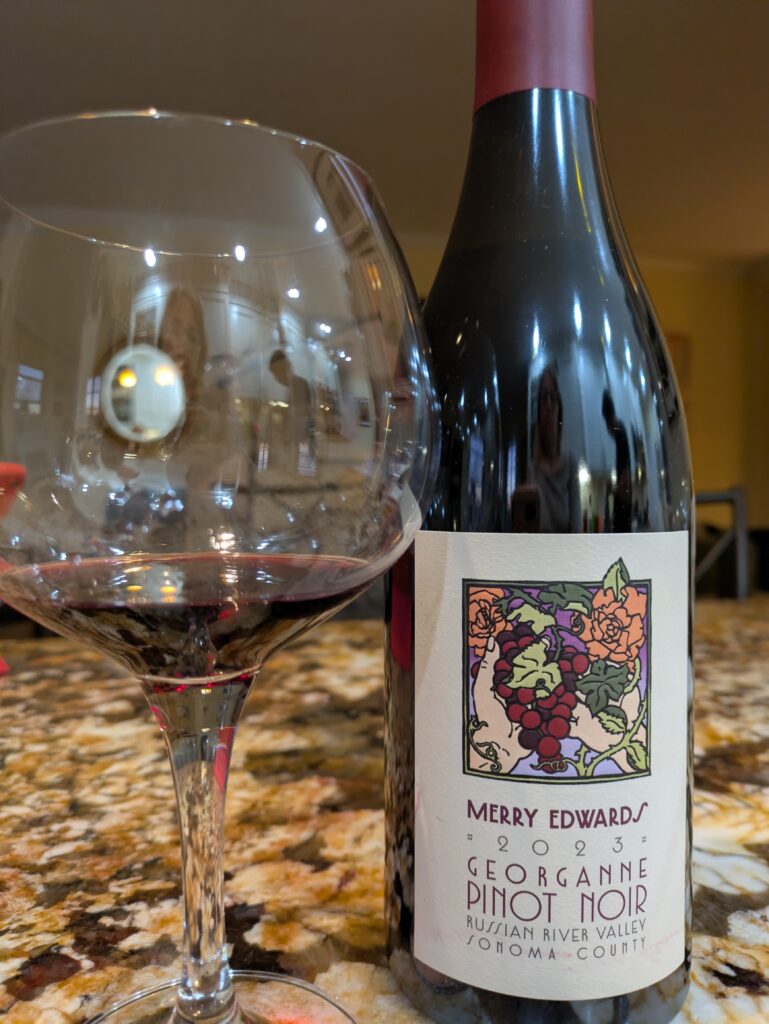
Domaine Anderson Estate Chardonnay 2022, Anderson Valley (CA), USA, $40.00 Merry Edwards Georgeanne Pinot Noir 2023, Russian River Valley (CA), USA, $72.00 For the MLK Holiday weekend, we hunkered down with the snow and settled into our annual connection weekend tradition. Among our activities, we enjoyed some nice dinners together and opened up two wines over the course of the weekend. The Chardonnay displayed a balanced use of oak, with citrus and tropical fruit, medium-plus body and medium acidity. We especially loved the Georganne Pinot Noir 2023, with its range of aromas and flavors from wet leaves and coffee to cherries and cocoa, along with bright acidity, medium body and long length.
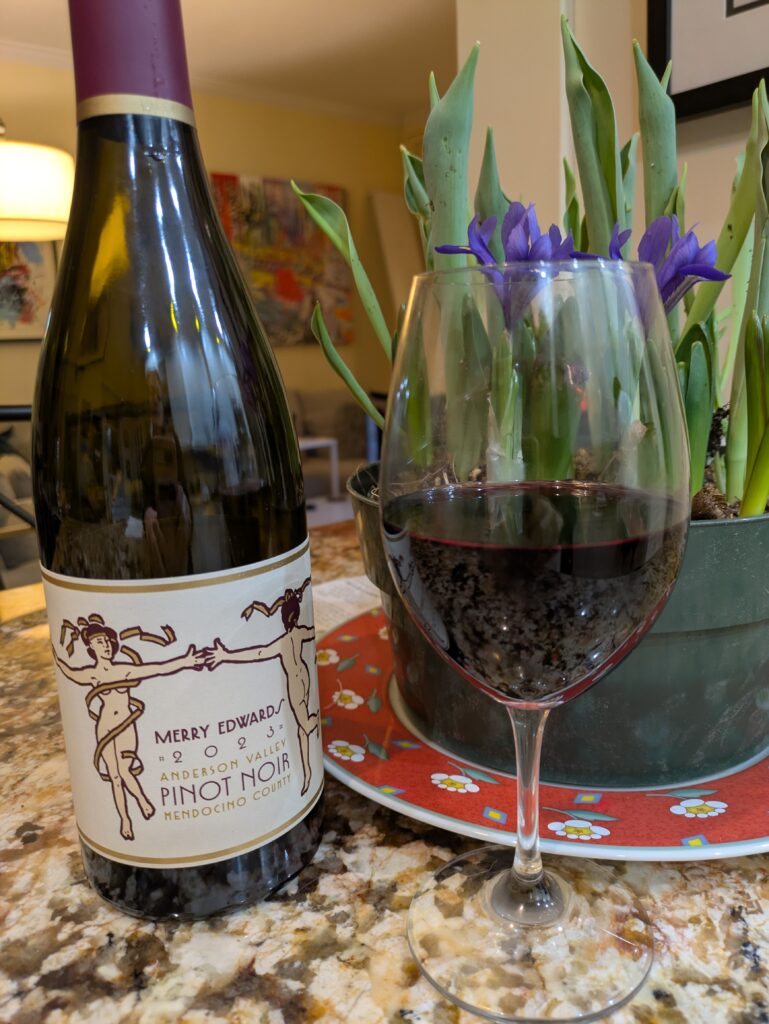
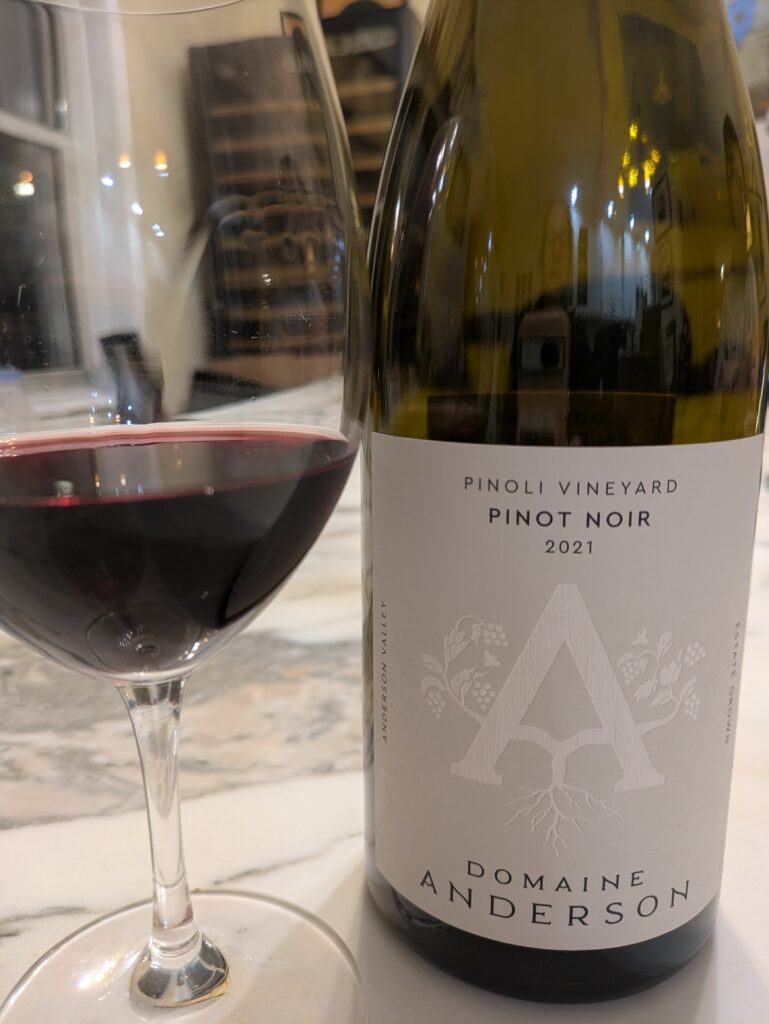
Domaine Anderson Pinoli Vineyard Pinot Noir 2021, Anderson Valley, (CA), USA, $70.00 Merry Edwards Anderson Valley Pinot Noir 2023, Anderson Valley, (CA), USA, $55.00 At this point in our tenure, we were ready to welcome guests to our home, which we had christened, MaisonOtto. First to visit were Hillarie and Tom, from our previous building, as well as my friend Helene. They all had the good fortune to enjoy Domaine Anderson Pinoli Vineyard Pinot Noir 2021 with its depth of bright red fruit, blueberry, and spices. The palate provided good acidity, medium body and very long length. A week or so later, Keith and Linda stopped by before we headed out to dinner at the new Mediterranean restaurant, Sawa, around the corner. We opened up the Merry Edwards Anderson Valley Pinot Noir 2023, which displayed aromas of cocoa, blueberry and blackberry, slight herbs and earth, which gave way to bright acidity, medium body and long length.
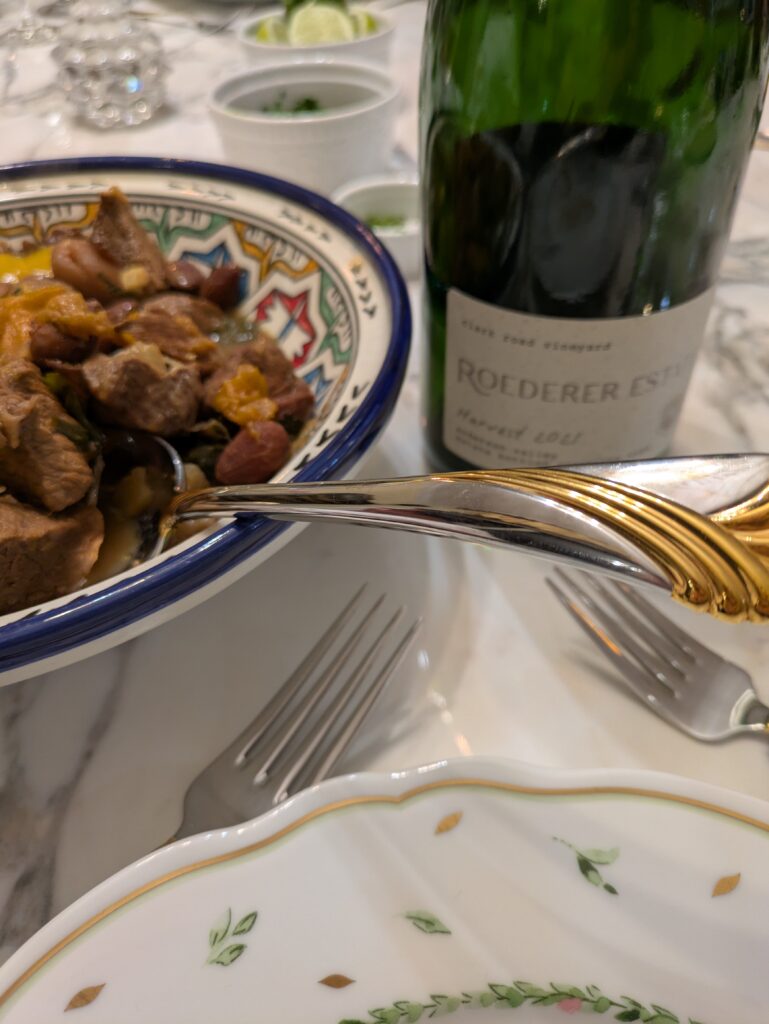
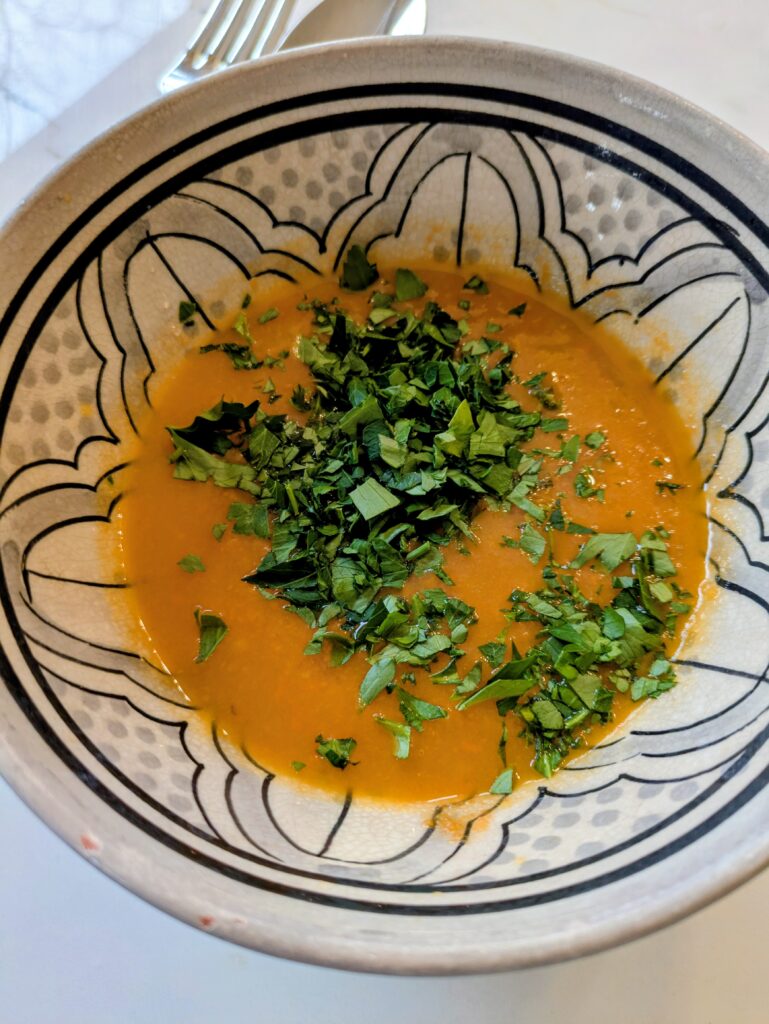
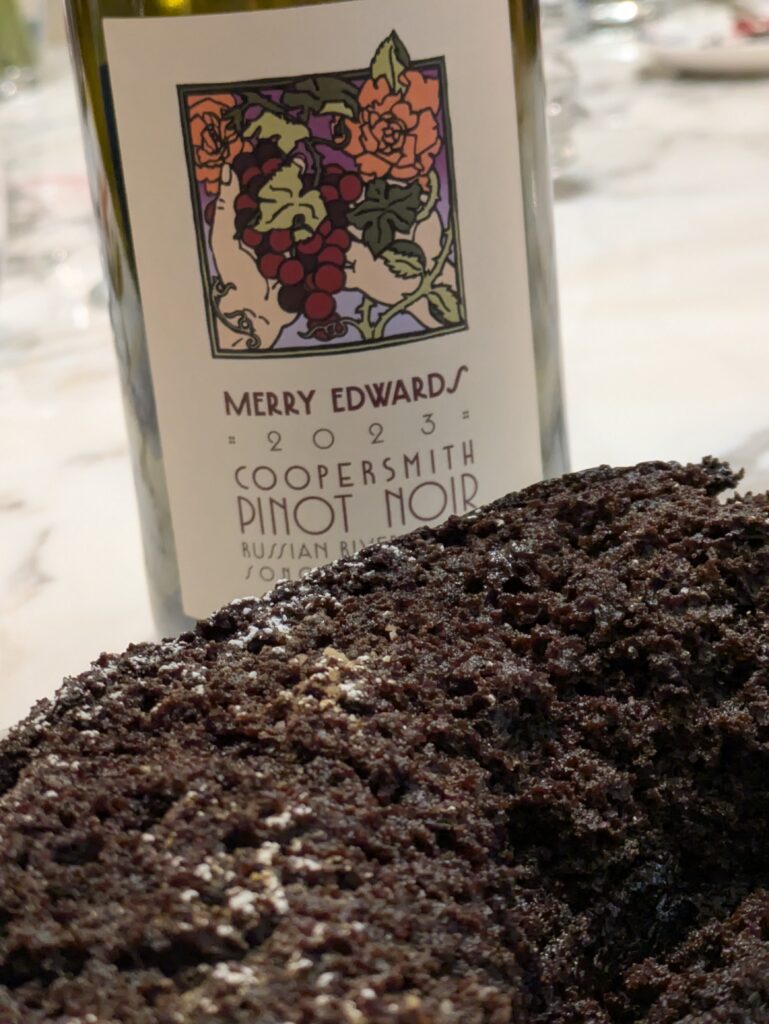
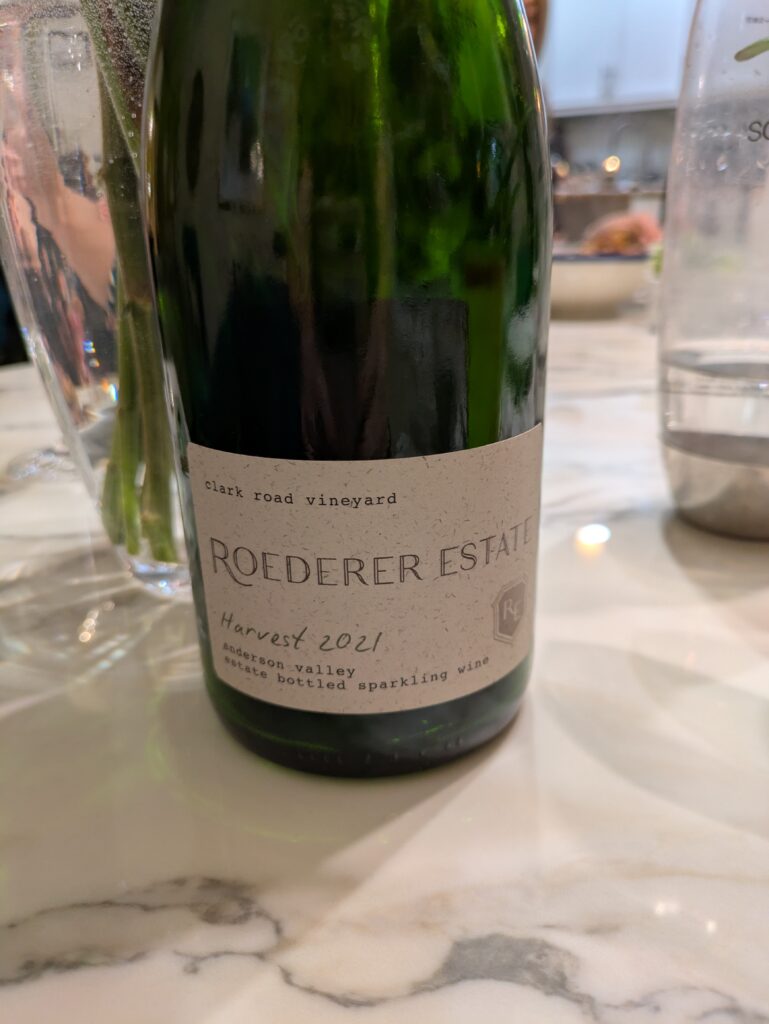
Roederer Estate Clark Road Vineyard 2021, Anderson Valley (CA), USA, $55.00 Merry Edwards Coopersmith Pinot Noir 2023, Russian River Valley (CA), USA, $75.00 Finally, by mid-February, we were mostly settled and were ready to host our first dinner party, which took the form of a February Baby Birthday Dinner – celebrating two of my best friends whose birthdays are in February. The menu included Carrot and Ginger Soup, Beef Tagine with Apricots and Prunes and a Gluten-Free Chocolate Gingerbread Cake. Admittedly, I was too busy hosting to take good tasting notes, but both wines were truly well received and added greatly to the celebratory nature of the birthday dinner. It had been an arduous journey, but we had definitely arrived on the other side. Home Sweet Home!
With Thanksgiving around the corner, one need not look any further than the Loire Valley for wonderful wines to grace their table. Here, in the land of castles and Kings, French royalty would spend their summers in the countryside away from the hustle and bustle of Parisian city life.
Spanning 629 miles and stretching from the Atlantic Ocean to the center of France before heading south, the Loire River is the longest wild river in France. Given this vast distance covered, a diversity of climates, grapes and wines exist, making the river among the only threads that tie this large wine region together. Rather, while lumped into one large region, the Loire Valley is actually an amalgam of several smaller wine appellations that offer up a wide range of wines thanks to changing microclimates, soil types and grape varieties. This sheer diversity means that there is something for everyone from bone dry, mineral-driven whites to lusciously sweet dessert wines and everything in between. Additionally, the area is known for its full range of red, white, rose and refreshing sparklers. So, if you can’t find a Loire Valley wine to love… chances are that you don’t actually like wine 😉.
My husband and I visited the Loire Valley back in 1999, as part of a belated honeymoon trip through France. Our knowledge of the area was limited, but we were excited to visit the grand chateaux that now function as museums. However, upon arriving in the region, we quickly discovered that it was not only home to stunning scenery, exquisite castles and fabulous gastronomy, but it was also home to a plethora of wine.
To wit, we had barely entered the area when we were enticed to stop at Domaine Ackerman where we did a tasting of their Crémant de Loire sparkling wines. These Traditional Method sparklers spend a minimum of nine months aging on the lees and deliver great quality and value. It was a lovely introduction to the region and a welcome respite after our long drive.
Today, 85% of Loire Valley vineyards are farmed in adherence with one or more environmental approaches, signifying the region’s dedication to sustainable practices. The most prevalent varieties include Cabernet Franc (most notably the Bourgueil and Chinon appellations), Chenin Blanc (grown in the areas of Anjou, Saumur and Vouvray) and Melon (wines labeled as Muscadet, hailing from the Atlantic coast). Another key grape is Sauvignon Blanc, which is primarily planted in the continental climate of the Central Vineyards (with wines labeled — and perhaps more recognizable to consumers as — Sancerre, Pouilly Fume, and Menetou-Salon).
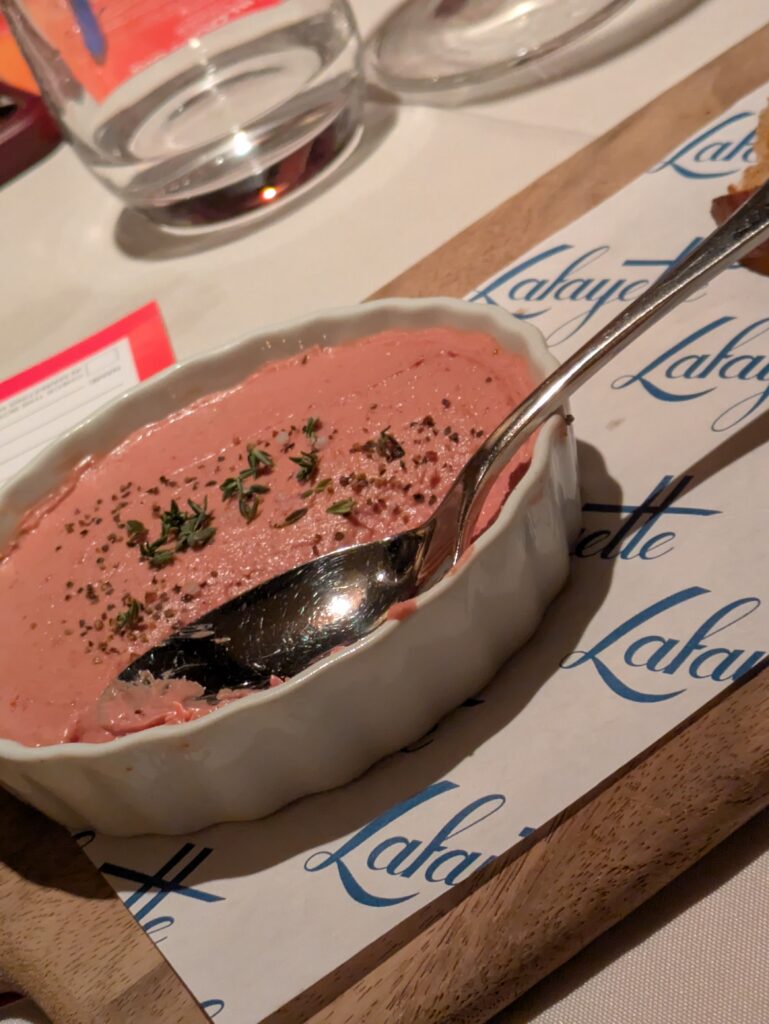
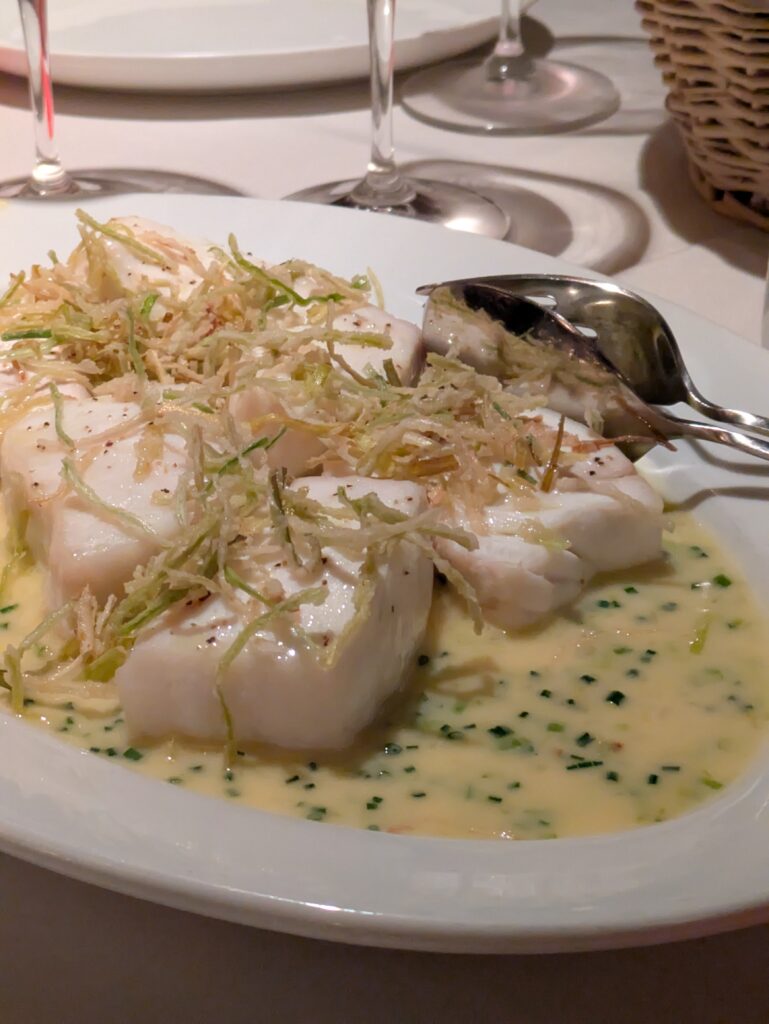
At a recent walk-around tasting and dinner at Lafayette, I had the opportunity to taste through a vast selection of Loire Valley wines, presented by category. While I didn’t try every single wine on offer (nor did I attempt to do so), I did a pretty good job, sipping (and spitting) 37 of the 50 wines. After the tasting portion of the evening, we were treated to a sumptuous, multi-course meal, paired with additional Loire Valley wines.
A few of my favorite wines from the evening are listed below, but I highly encourage you to simply seek out Loire Valley wines on restaurant wine lists and at your local bottle shop. Not only do they offer great diversity, they are generally well priced and very food friendly, making them a fantastic option for your holiday celebrations.
Sparkling Domaine du Changeon Les Fabuleuses 2023, Crémant de Loire, France This 100% Cabernet Franc rose sparkler offers up notes of yeast, and floral. It was slightly fuller bodied, with a heftier palate than some of the others I tasted, with a nice richness and weight, culminating in very long length.
Maison Ackerman Crémant de Loire Rosé Brut Bulle Royale, Crémant de Loire, France Having visited this winery decades ago, it was a pleasure to become reacquainted with their wines. Another rose sparkling wine, this one brings together 60% Cabernet Franc, 30% Pinot Noir and 10% Grolleau. It displayed elegance and finesse with a fine bead on the palate, along with slight cherry and yeast aromas and flavors.
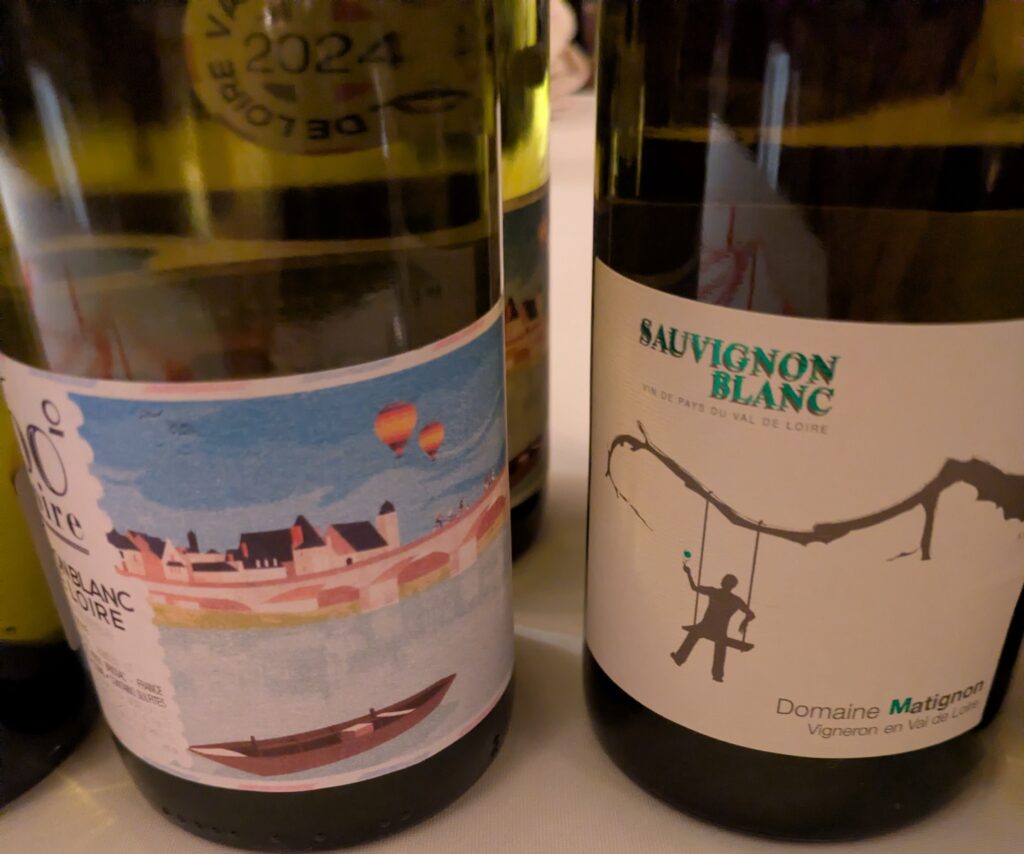
Sauvignon Blanc& Other Whites Domaine Pre Baron Sauvignon Blanc 2024, Touraine AOC, France A more restrained style of Sauvignon Blanc than many of those produced in New Zealand, this wine provided citrus and mineral notes, along with medium body and good length.
Vignoble Gilbert Chon, Perle Bleue – Folle Blanche 2023 Gros Plant due Pays Nantais, France While Folle Blanche is not a well known grape, most relegated to the production of Cognac and Armagnac, this wine was a shining example of how a less lauded variety is capable of producing a simple, yet very satisfying wine. Citrus notes, crisp acidity, and good length.
Melon Blanc Domaine Julien Braud Les Vignes du Bourg 2023, Muscadet Sèvre et Maine AOC, France Aged for six months on the lees in glass-lined vats, this wine shows bright acidity, yeasty aromas, joined by citrus-lime flavors on the palate, with long length.
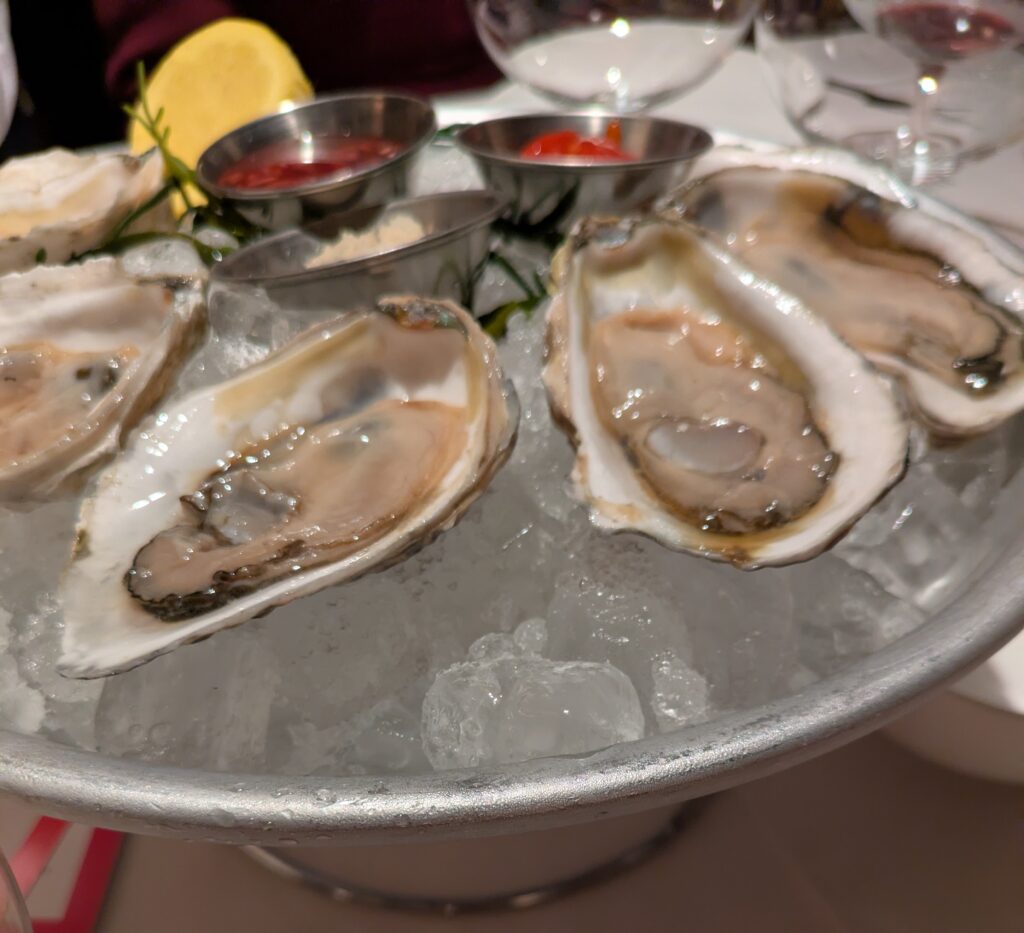
Vignoble Gilbert Chon Muscat Chateau de la Jousseliniere 2023, Muscadet Sèvre et Maine AOC, France Having spent more than 8 months aging on the lees, this wine displays more pronounced yeast notes, along with minerality and very long length. It is the quintessential pairing partner to oysters.
Chenin Blanc Alliance Loire Vouvray Sec Les Lys 2021, Vouvray, France This wine offers up a complex mix of minerality and tree fruit, with a rich palate and really lovely mouthfeel, culminating with long length.
Domaine de la Chataigneraie Vouvray de Gautier 2023, Vouvray AOC, France Similarly rich and complex, this wine provides very ripe tropical fruit, but is balanced with vibrant acidity.
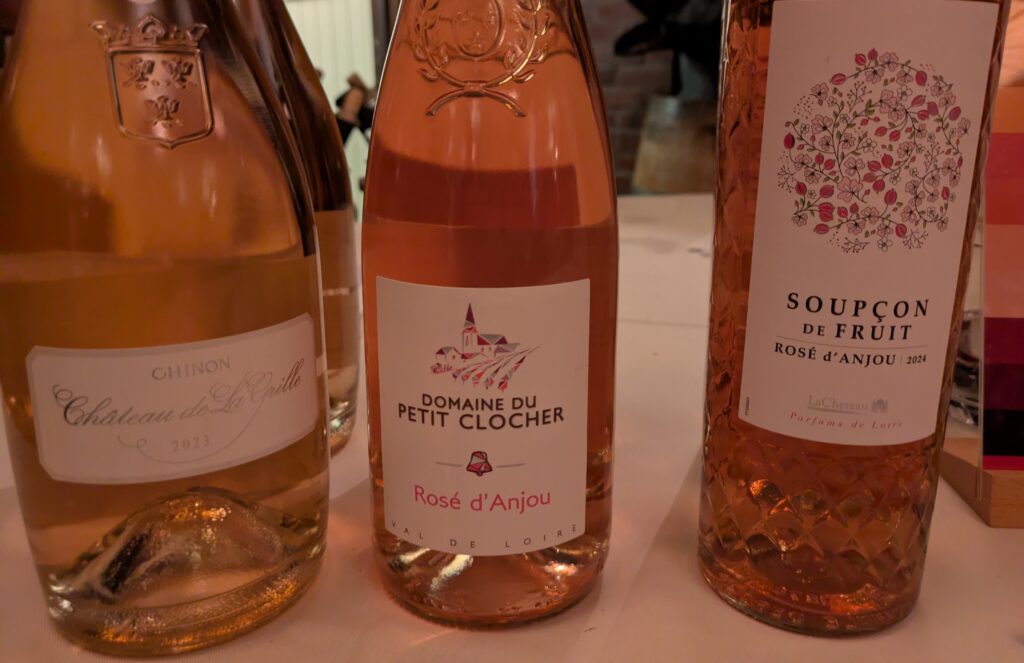
Roses & Reds Lacheteau Soupcon de Fruit Rose d’Anjou 2024, Rosé d´Anjou AOC, France A blend of 60% Cabernet Franc, 20% Grolleau, and 20% Gamay, this off-dry rose shows ripe, red berries, but remains fresh and balanced with good acidity and nice length.
Domaine Oudart Apicula 2023, Touraine AOC, France Produced from 100% Gamay — a grape more associated with Beaujolais than the Loire — this is a fresh and fragrant quaffable red, with ripe fruit, and candied bacon.
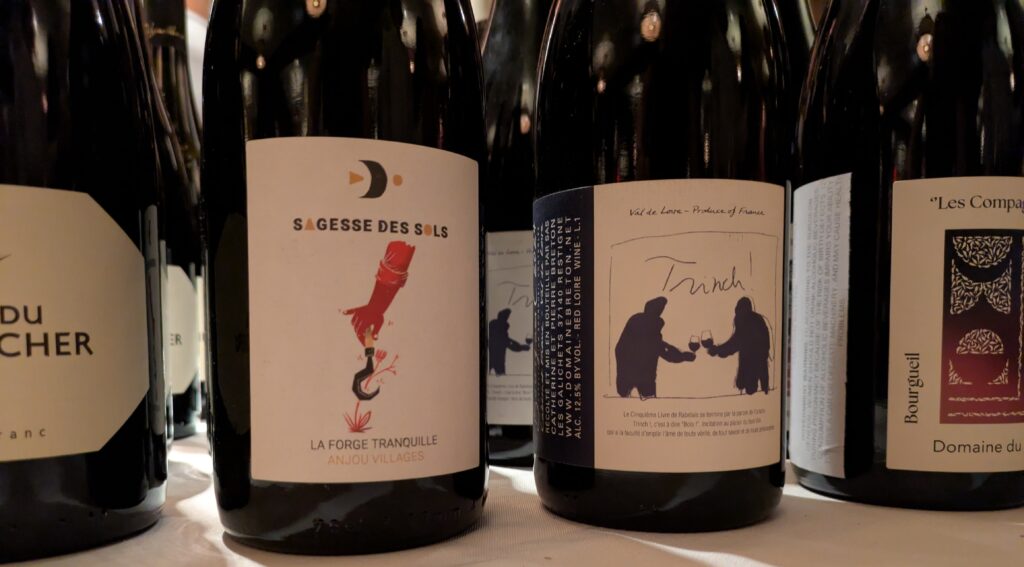
Cabernet Franc Catherine et Pierre Breton Trinch! 2023, Bourgueil AOC, France Layered notes of dried herbs, spice, and black cherry, with crunchy acidity, medium+ body, integrated tannins and long length.
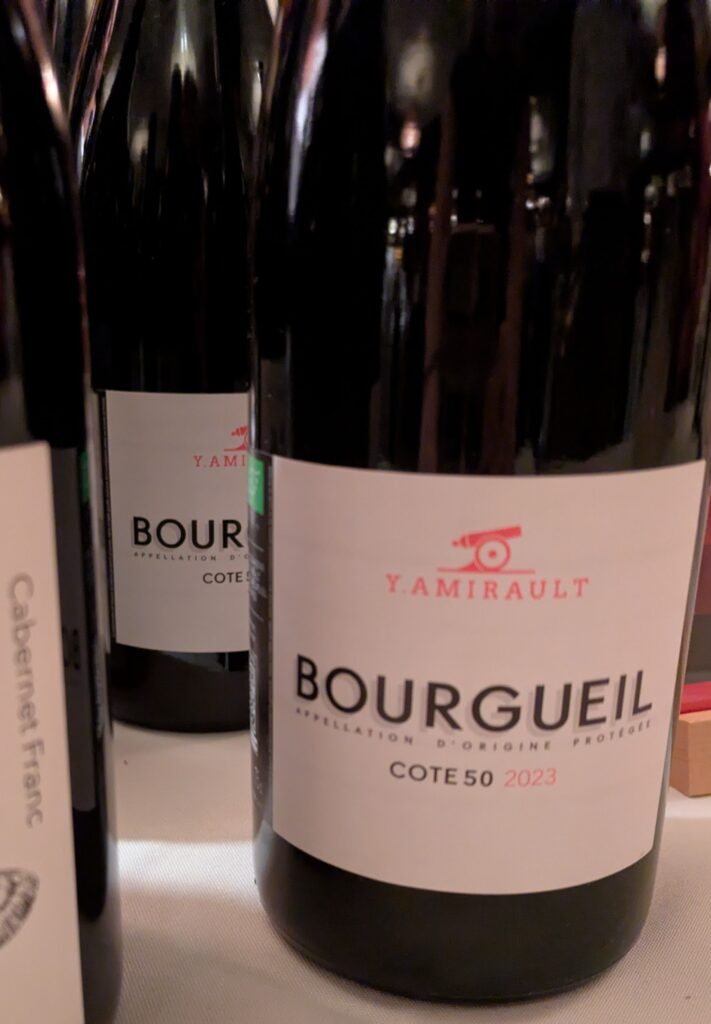
Amirault -Clos des Quarterons ls Quarterons2023, Saint-Nicolas-de-Bourgueil AOC, France Biodynamically produced by members of the 6th generation, this is really lovely, with soft tannins, lots of minerality, fresh red fruit, an herbal undercurrent and long length.
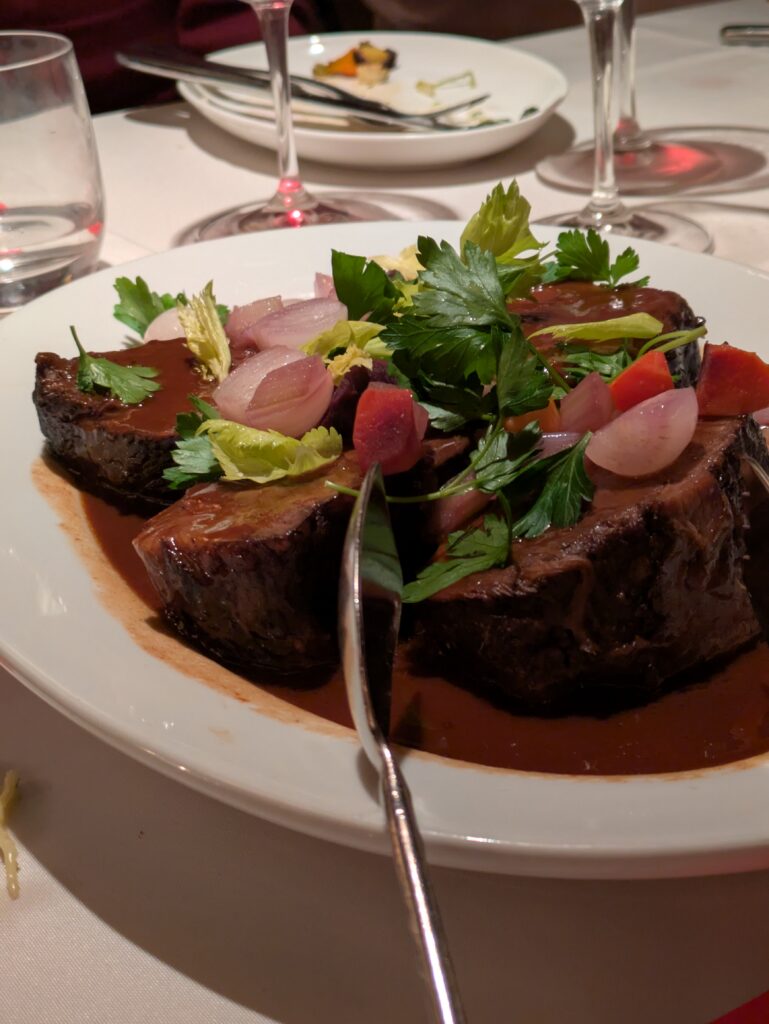
Domaine Pierre et Bertrand Couly La Haute Olive 2018, Chinon AOC, France Enjoyed with dinner, this wine was a beautiful pairing with the Short Rib Bourguignon and showed off that these wines have aging potential.
One of Spain’s most venerated wines, Rioja year celebrates the centennial anniversary of its official recognition as a Denomination of Origin. Given its lengthy history, it’s no surprise that Rioja is so well known in vinous circles. It’s wines are high quality, age-worthy and wonderful. For a historical look at these wines and their ageability, see this article. Yet, most of this praise is heaped upon its red wines, at the expense of its whites and roses.
Yes, in case you didn’t know, Rioja is also home to blanco and rosado wines, which are perfect for pairing, especially this time of year! Admittedly, these wines make up a small percentage of Rioja’s total production, but, with its high-altitude vineyards and emphasis on native grapes, the region of Rioja is well suited to crafting quality whites and roses. In particular, the whites rely on Viura, but may be supplemented with Chardonnay or other varieties. Meanwhile, like the reds, the roses feature Tempranillo, along with the other permitted varieties such as Graciano and Garnacha.
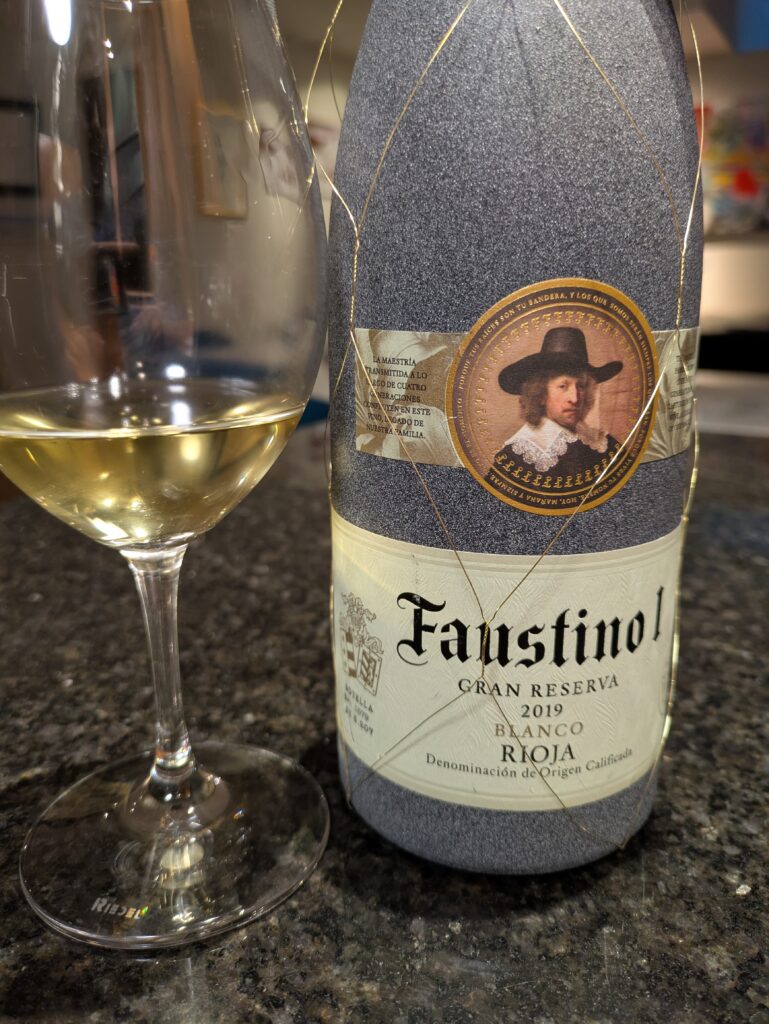
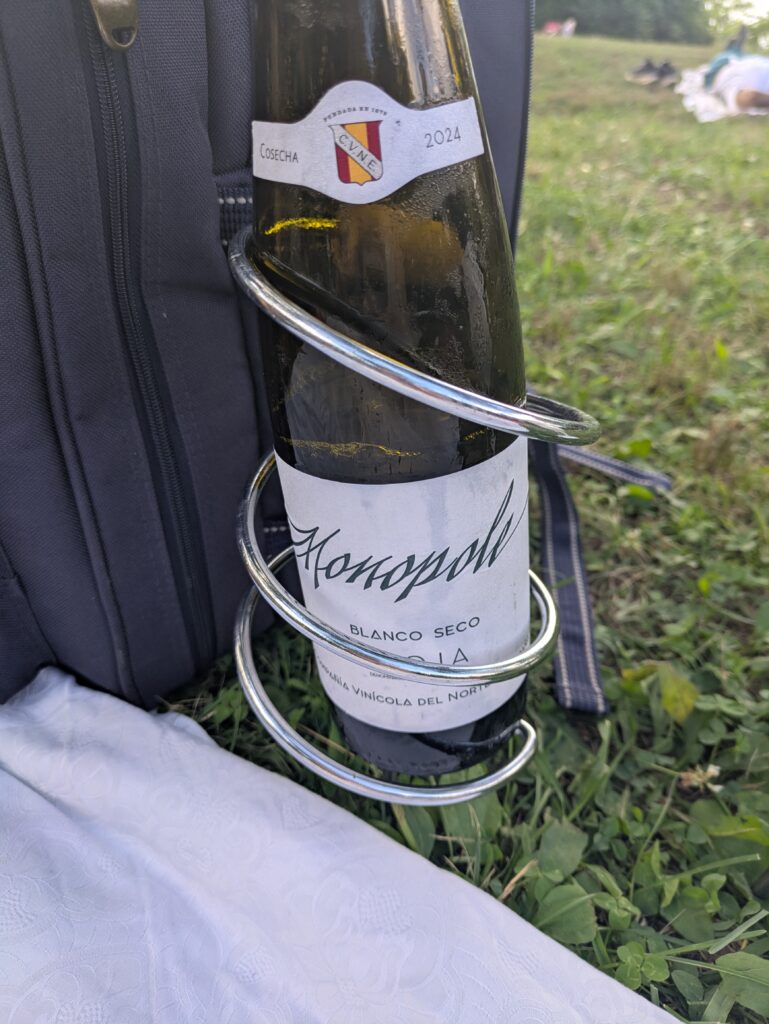
If you haven’t had the pleasure of these wines, I highly recommend them. In particular, I recently had the opportunity to taste through two Rioja Blancos — the CVNE Monopole, which has always been a favorite and the Faustino I 2019 Gran Reserva Blanco Rioja.
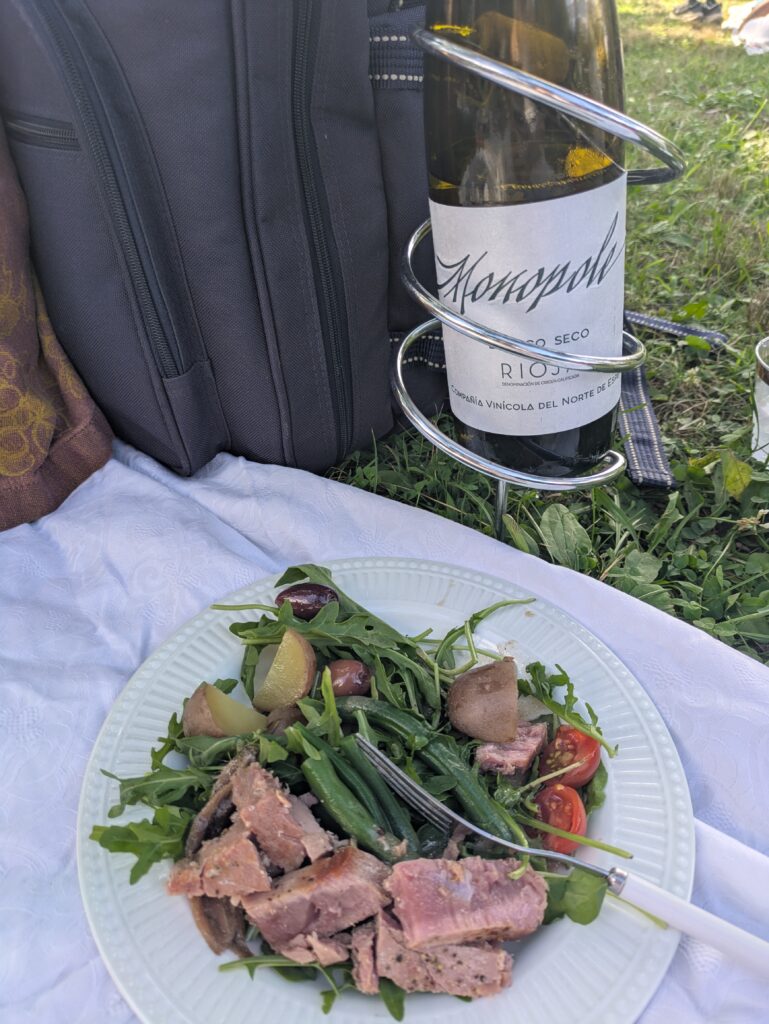
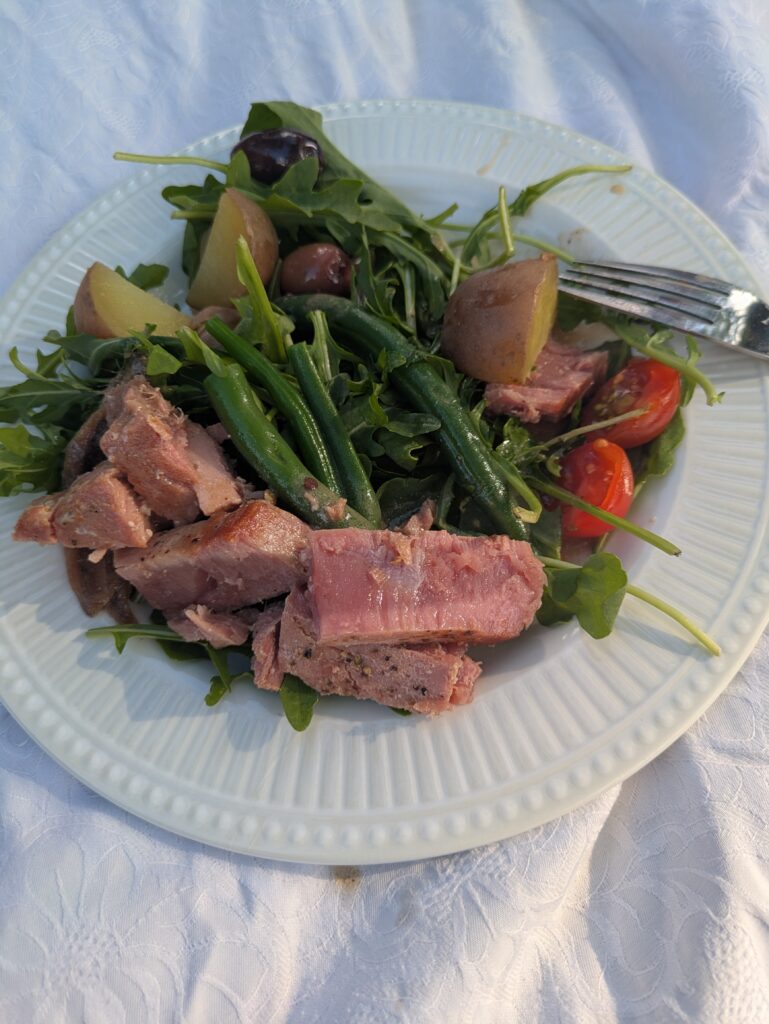
The Bodegas C.V.N.E. Monople Blanco 2023($13.99) was a lovely companion for our picnic with neighbors in the local park. We paired it with salad Nicoise and it provided a crisp and refreshing option. Produced from 100% Viura, it offered up notes of citrus, apple and herbaceousness, with medium body, good acidity and long length.
For a fuller-bodied bottle, the Faustino I 2019 Gran Reserva Blanco Rioja ($36.95) is made from a blend of Viura and Chardonnay, which have been aged in oak barrels for over four years, hence its designation of Gran Reserva. This wine has long life ahead of it, but for now, it is displaying aromas of nuts, apples and rich, lush stone fruit. With bright acidity, full body, the palate shows minerality and salinity, culminating in long length.
It was an absolute pleasure to reacquaint myself with Anne Bousquet and Domaine Bousquet‘s wines. When I last saw Anne, it was March 10, 2020 (see story). Little did we know it, but the world was about to fall apart. Thankfully, both Anne and I survived the pandemic and I have had the opportunity to taste her wines since then (Anne and her chief agronomist presented an informative webinar in 2021).
But, as it had been such a lengthy period since our last visit, I was excited at the prospect of seeing her in person to catch up at a press dinner in late October of this year.
During the intervening years, Anne has certainly not been idle. Domaine Bousquet has been continuing its efforts not only in producing high quality wines, but also in focusing on organic practices in the vineyard. Further, the winery in Argentina’s Uco Valley has significantly expanded its hospitality. More specifically, they established an on-site bistro, hotel and robust tasting room to welcome guests. As part of the Gaia experience, the trio ensure that they have a wonderful experience at the property.
Additionally, they have been at the forefront of the elevation of gastronomy in the region. To this end, the Michelin folks recently came to the region for the very first time, recognizing that the local restaurants are worthy of rating.
Of note, during pandemic, understandably, there was more local interest whereas previously, the visitors were all tourists. However, it seems that the locals are continuing to visit the winery.
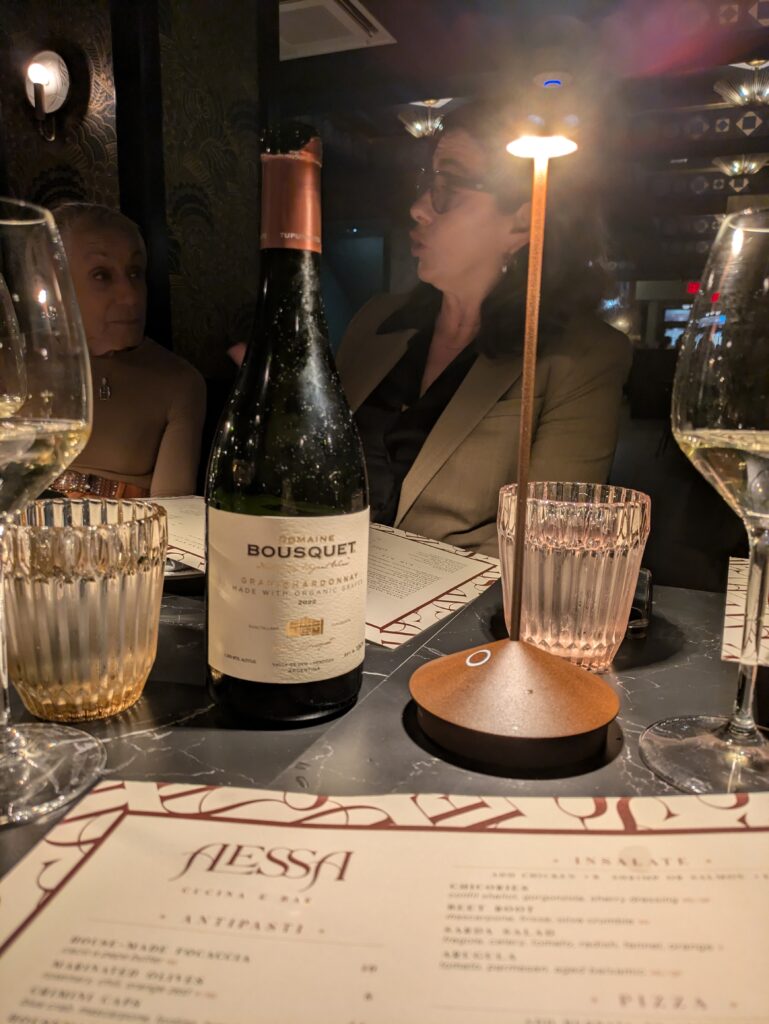
Gathered together again — in person — Anne, the group of wine industry professionals and myself enjoyed a delicious dinner at Cucina Alessa, an Italian restaurant in midtown Manhattan.
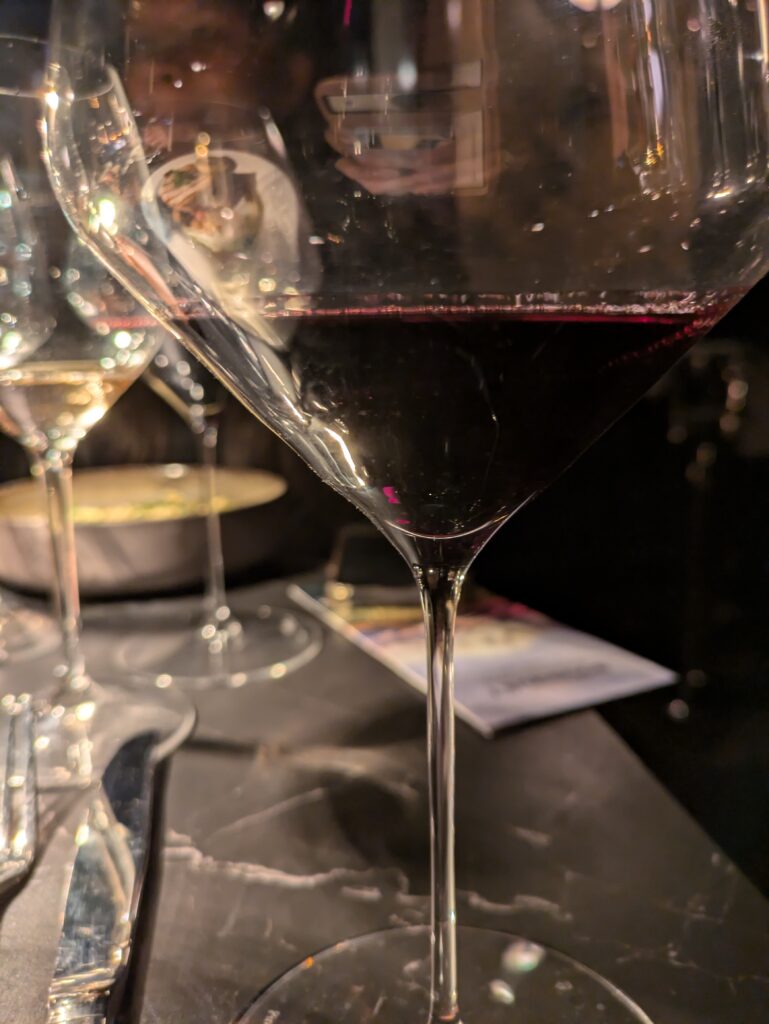
The food was a wonderful foil for the four Bousquet wines we tasted, all of which are well balanced and food friendly. Moreover, the wines continue to be good value and, with Domaine Bousquet’s membership as a B Corp (as I had previously shared), you can feel good about supporting a company that has devoted significant time and effort to organic agriculture and sustainability, among other altruistic endeavors.
Overall, it was a fantastic evening, filled with lively conversations and, of course, great wine!
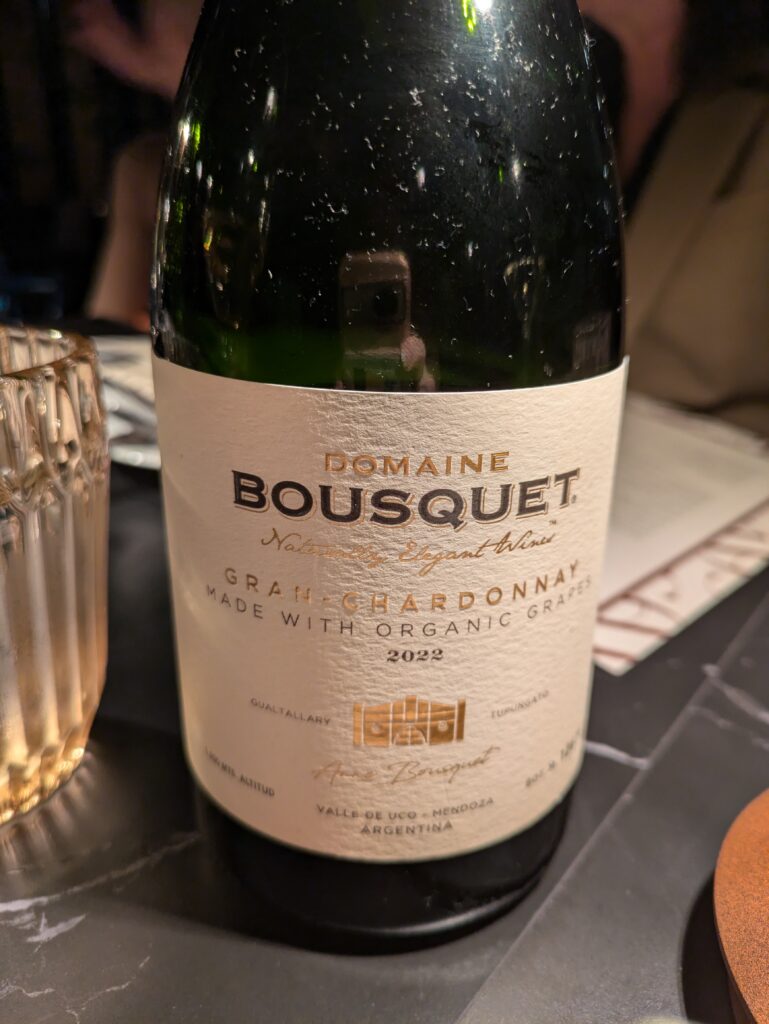
Domaine Bousquet Chardonnay Gran 2022, Mendoza, Argentina, $25.00 Produced from the very first vines planted in 2000, the vineyard is at a high altitude of 4000 ft., which helps preserve the natural acidity of the grapes. The resulting organic wine spent 12 months in barrel, 75% of which was new oak. On the nose, it is slightly nutty, with apple and vanilla notes. It has medium+ body, medium acidity and long length.
Domaine Bousquet Gaia Rose 2024, Mendoza, Argentina, $20.00 The Gaia line is named for the Greek goddess of the Earth. This rose is produced from 100% Pinot Noir and is very fresh with great acidity. Notes of strawberries and cherries dominate the nose and palate, culminating in long length.
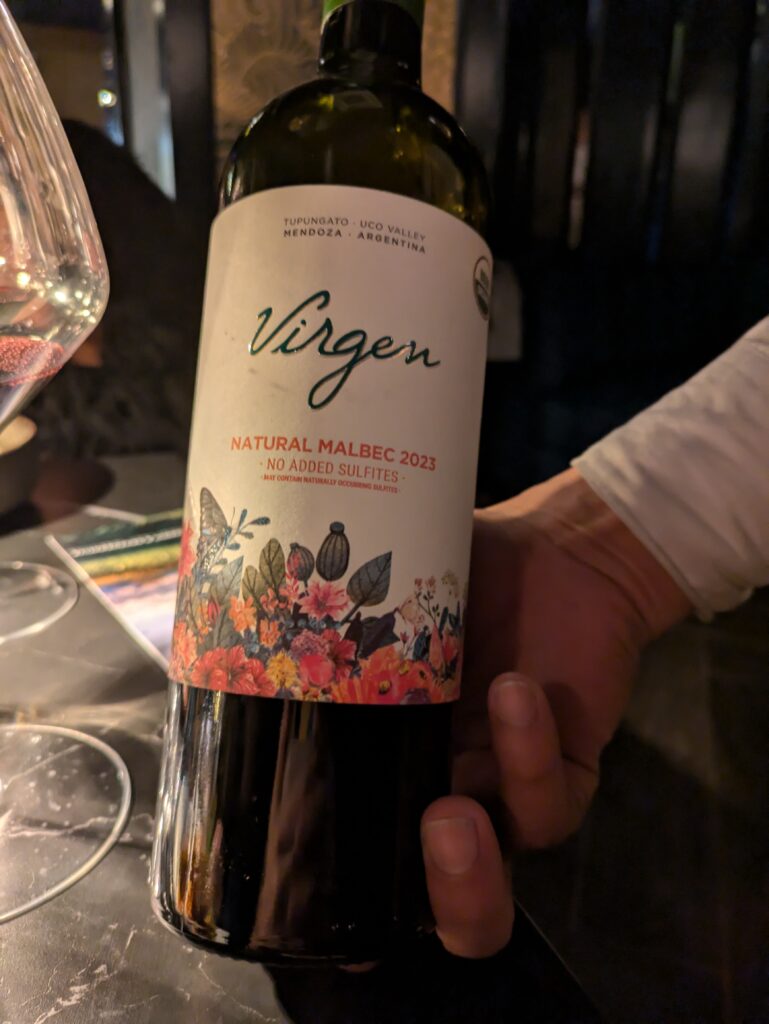
Virgen Vineyards USDA Organic Malbec 2023, Mendoza, Argentina, $13.00 Virgen was Domaine Bousquet’s first line without added sulfites and is USDA-certified, vegan and organic. Admittedly, Anne was initially worried about crafting these wines since the addition of small amount of sulfites provides protection to the wine. However, they have proven to be hearty on their own. Made from Argentina’s signature grape, Malbec, the wine was light and fresh, with berries, medium body, beautiful acidity and good length.
Domaine Bousquet Ameri Red Blend 2021, Mendoza, Argentina, $ 36.00 As Domaine Bousquet’s premium red blend, Ameri is made only in the best vintages, from grapes harvested from a “single cluster,” within a single certified-organic vineyard that stands at 4,125 ft, the highest elevation on the estate. The 2021 is comprised of 60% Malbec, 30% Cabernet Sauvignon, 5% Merlot and 5% Syrah. It offers up an intense nose of black fruit, slight oak and spice, along with a full-bodied palate with medium+ acidity and finishing with very long length. Spice, black berry Very long length
In late 2002, I had a proposal hearing with my dissertation committee. It was December and thus, holiday season, and I wanted to show my appreciation to them for ensuring that our meeting happened before year end. And what better way to say thank you than with bubbles? Around that time, we had become familiar with the sparkling wines from Pacific Echo. It was before we really knew a lot about wine other than the fact that we really enjoyed it, but we knew a good thing when we tasted it and it was a pleasure to share these wines with others. Thus, I ordered a half case from my local wine store and brought the bottles with me to campus, where it was well received by my committee members.
We continued to drink Pacific Echo’s wines periodically throughout the years, purchasing them from the same local shop, until one day, they no longer carried it and we were unable to find it elsewhere. We were definitely disappointed. But, all was not lost. It turned out that Pacific Echo had previously been known as Scharffenberger Cellars and, thanks to another shift in ownership in 2004, was, once again, hailing under that name.
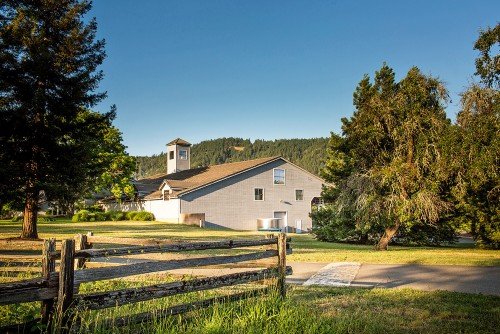
Initially launched in 1981 by John Scharffenberger, the winery was focused on sparkling wine from its very beginning. John specifically choose the Anderson Valley, within California’s Mendocino County, as the ideal place to grow Chardonnay and Pinot Noir for this purpose. At the time, the valley was just gaining momentum as a quality wine area, with a bid for official recognition as an American Viticultural Area requested in 1982. However, it began to garner attention for the quality of its wines, which did well in its vineyards, thanks to new clones that could reliably ripen in the region’s cool, maritime climate. (Read the Anderson Valley’s full history here.)
Photo courtesy of Scharffenberger Cellars
More specifically, given the influence of the Pacific Ocean and the resulting fog, the area is very conducive to these two grape varieties, ensuring that they maintain good acidity. Thus, it is not surprising that Champagne producers found the region equally attractive for these same reasons. In particular, in 1989, Champagne Pommery partnered with John Scharffenberger, who eventually sold his portion of the company in 1995. In April 2000, it was Cliquot, Inc., Scharffenberger’s new marketing agent who changed the name to Pacific Echo to reflect the winery’s dedication to the Anderson Valley.
But, a few years later, in 2004, the winery was acquired yet again, this time becoming a member of the Roederer Collection, under the aegis of Champagne house Maison Louis Roederer, who had established itself in the Anderson Valley as early as 1982, with the production of its sparkling wine facility, Roederer Estate. And, as noted above, they restored the Scharffenberger moniker with its acquisition.
Yet, despite the numerous changes in ownership, there have been far fewer shifts in the winery itself. In this regard, Tex Sawyer served a winemaker from 1989 through 2018, at which point Jeff Jindra took over, becoming only the third winemaker in the winery’s history. With this consistency in winemaking leadership, it is no wonder that the winery continues to consistently produce high quality wines, irrespective of the name on the label. Accordingly, the wines remain well made and well appreciated, earning top marks from both Wine Enthusiast and Wine & Spirits magazines (and others). Moreover, at less than $25 for the Brut and $30 the Rose, these are fabulous finds for the money.
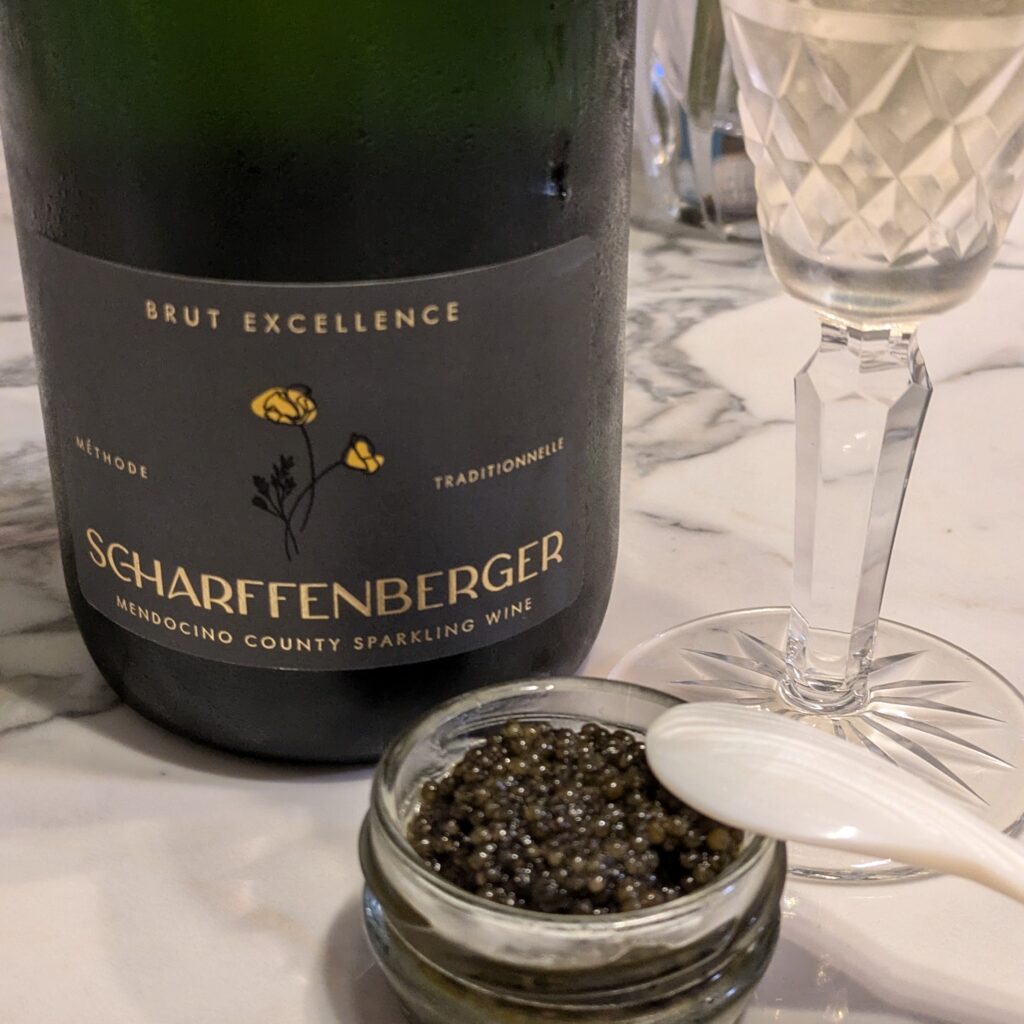
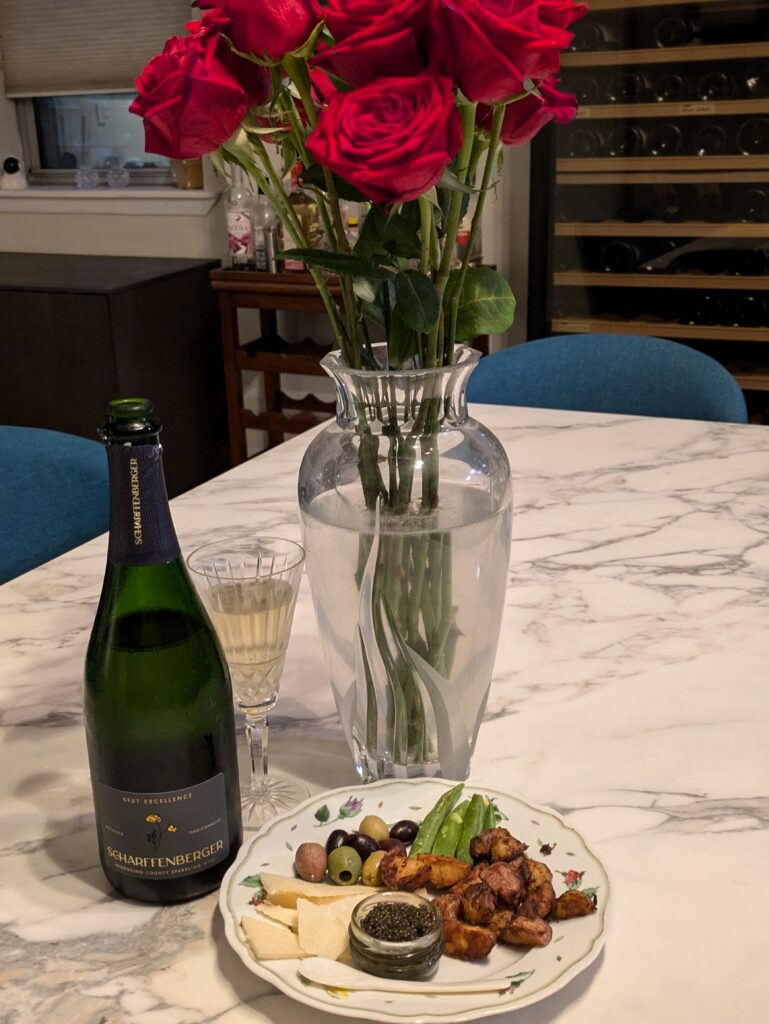
TASTING NOTES Scharffenberger Cellars Brut, Mendocino County (CA), USA, $24 I spent this past August observing my own made-up celebration: 31 days of pleasure. This meant that each day of the month included at least one intentional act of pleasure. Options were, of course, endless, but admittedly most of my choices centered around food and wine. On one occasion I chose to indulge in caviar, which paired beautifully with this wine, which spent about two years on the lees. It had a lovely mousse, with persistent bubbles, with aromas and flavors of apple, brioche, butter and yeast, culminating in long length.
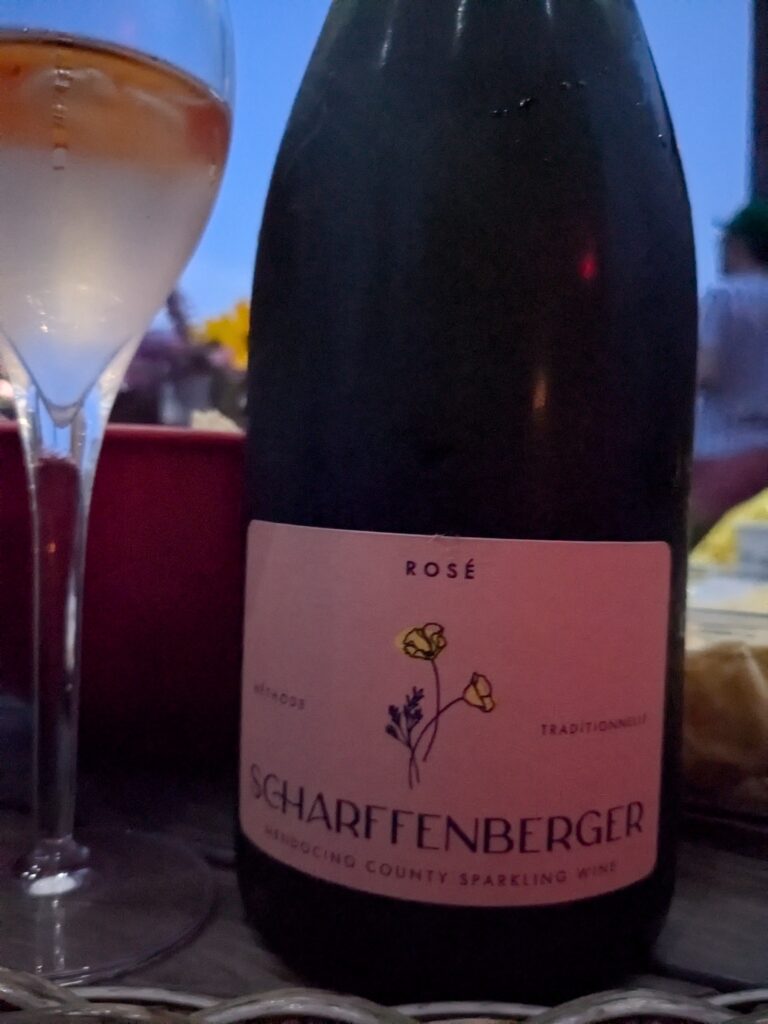
Scharffenberger Cellars Rose, Mendocino County (CA), USA, $30 Although you never need a specific occasion or excuse to open up a bottle of sparkling wine, July 4th was the perfect opportunity to share the Scharffenberger Rose with dear friends while watching fireworks from their rooftop. With a stunning pale salmon hue, this wine displayed yeasty and toasty notes, along with cherries and berries. The effervescence was well integrated, and overall the wine was refreshing, lovely, and elegant, with long length.
While I have previously tasted and written about Georgian wine, it has been from a more clinical vantage point – tasting wines and taking notes at my own dining table or occasionally sampling one at an adventurous wine bar. However, it wasn’t until last week that I had a much more immersive experience with the wines, food and culture of Georgia, which was an absolute privilege and pleasure.
More specifically, in Georgian culture, guests are seen as a gift from God, which is exactly how I felt at a recent press dinner at the Brooklyn outpost of Chama Mama – a top Georgian restaurant with three locations in New York City.
Due to subway signal issues, I arrived slightly late, feeling a bit out of sorts and overwhelmed as I was introduced to a flurry of people and then further greeted a glass of wine: Chateau Buera Ojaleshi Rose 2021. But, within minutes, the group of us were easily comfortable with one another as we acknowledged both our differences and our shared roots of growing up in the Metro New York area.
Chama Mama’s Lasha Tsatava, wine director and Mariam Navdarashvili, chief marketing officer.
Presiding over the dinner were our hosts Nino Chiokadze, executive chef and Lasha Tsatava, wine director. We were also joined by Chama Mama’s chief marketing officer, Mariam Navdarashvili. While long on passion for Georgian wine, Lasha’s tenure in New York is limited to just a handful of weeks (although he has lived in the U.S. since 1998).
But, he is on a mission to share his love and passion for Georgian wine with the United States. In fact, he is so passionate about sharing these wines with the U.S. that he is co-founder with Erica Frey of the non-profit Saperica, whose “mission is to promote Saperavi and other Georgian grape varieties along with Georgian gastronomy and culture in the Finger Lakes, NY and around the U.S., by organizing and facilitating educational seminars and exchange programs between the regions, for wine and culinary professionals and enthusiasts.”
In fact, citing its incredibly long and rich vinous history (in 2017, conclusive evidence proved that Georgia was the birthplace of wines), Lasha was eager to share how Georgia and wine have been inextricably linked forever, which permeates throughout its culture and political history, a point he came back to on several occasions.
After our initial introductions, we gathered around the table to begin our feast, where we were greeted by a beautiful bowl of fresh, seasonal vegetables, including Persian cucumbers, brightly colored red radishes and other farm-fresh produce. From this first taste, our immersion into Georgian culture began.
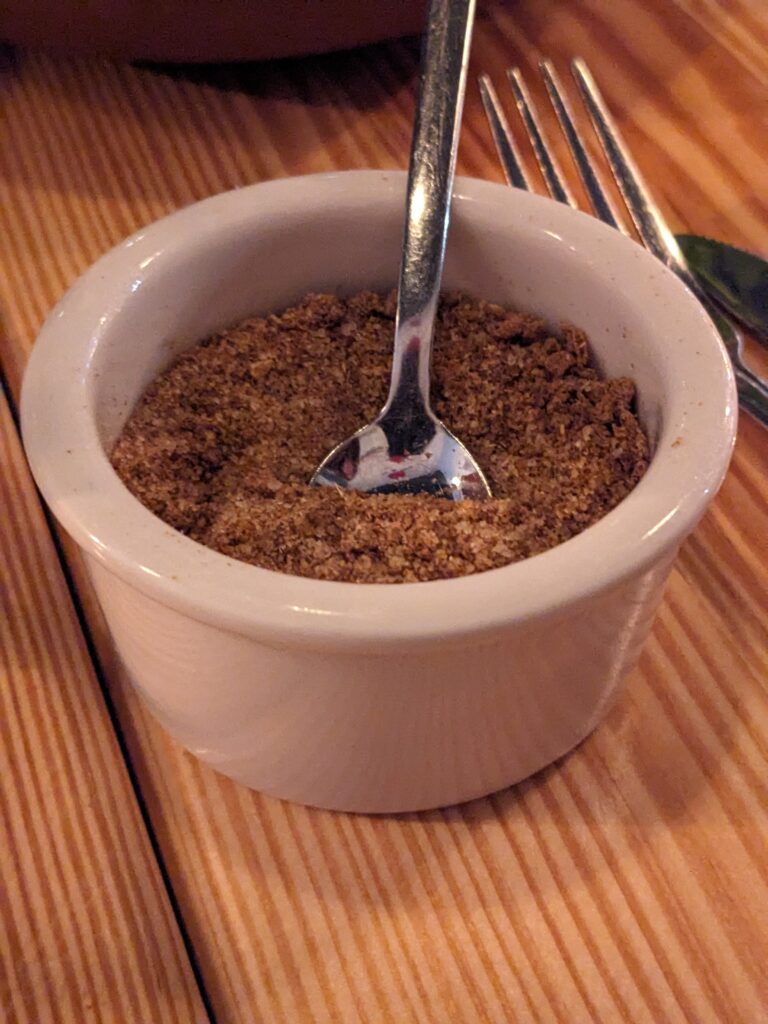
Lasha explained that the seasoned salt found in a ramekin on the table was typical of NW Georgia, in the mountainous region of Georgia called Svaneti. Associated with the Argonauts and the Golden Fleece (thanks to its mention in Homer’s Odyssey), this area contains the most preserved culture of the country. Bringing together salt and a blend of spices, the mixture was delicious for dipping the aforementioned vegetables and simply enjoying them on their own.
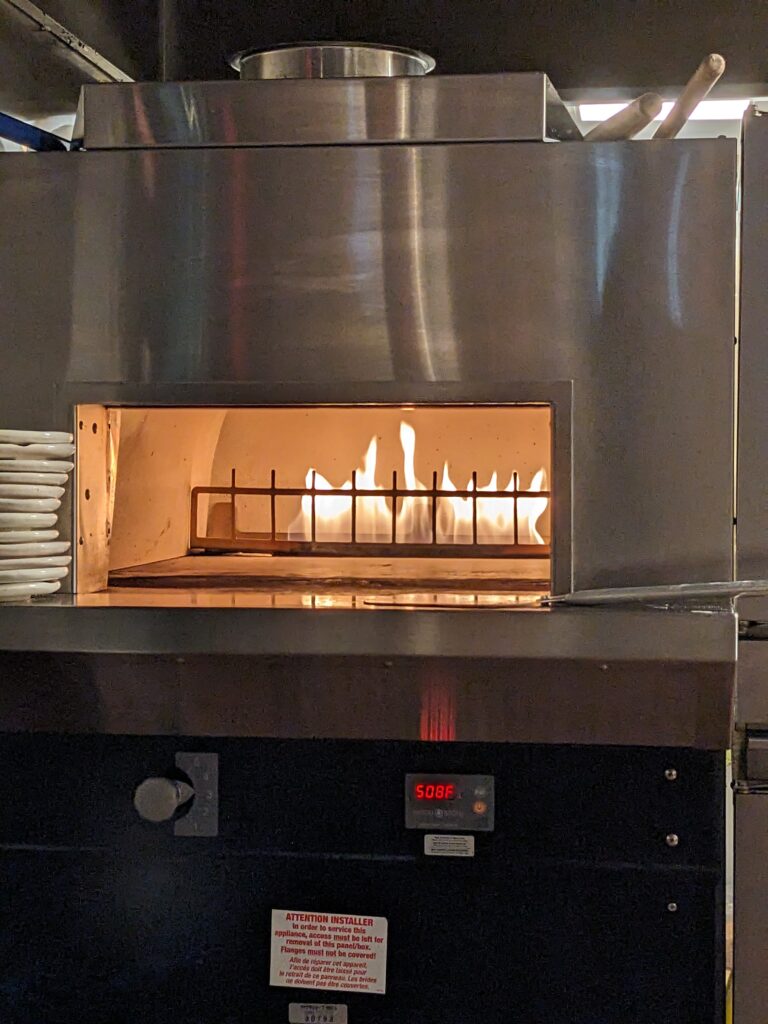
Another important component of Georgian culture was the presence of bread (aka puri) on the table. Joining the vegetables and salt were simple mini baguettes and a flatter, pita-looking bread, both of which had been baked in a wood fired oven. We were encouraged to dip the bread in flavored sunflower oil, known as adjika. This spicy condiment was more flavor than heat and added a delicious dimension to enjoying the bread.
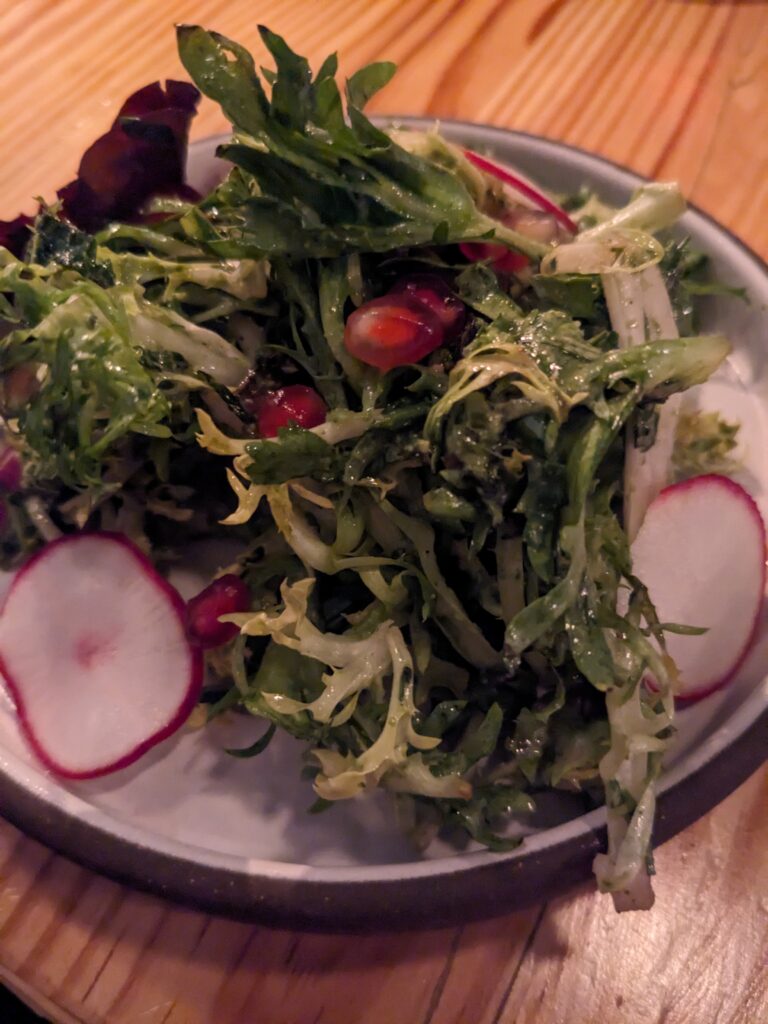
Appetites whetted, we turned our attention to the first course, which further showcased the season with a Spring herb salad, featuring aromatic, springtime tarragon in the dressing. This herby freshness paired beautifully with the white wine served alongside it: Chateau Buera Rkatsiteli 2022. This wine displayed lovely notes of citrus, hazelnut and salinity, with medium acidity, medium body and long length.
At this point, we were provided with a more formal introduction to our other (yet non-present) host of the evening – Château Buera. Buera is situated in Kakheti, an area that Lasha likened to the Napa Valley, and which represents 75% of the country’s plantings and 70% of its total wine production.
Château Buera was established in 2018 by Goga Maisuradze who is also the founder of Lopota Spa Resort and is responsible for spearheading tourism to the region. Here, the focus is on European wine making, while celebrating indigenous varieties (such as Rkatsiteli, Ojaleshi and Saperavi) and centuries-old winemaking. In this regard, Lasha described Buera as a modern, visionary producer and further shared that many of the wines had been aged, not just in oak, but also in clay vessels known as qvevri. Also important to note is that Chateau Buera utilizes sustainable agriculture practices in its vineyards and is in the process of obtaining BIO certification.
Equally important, as the meal progressed, we were given a glimpse into classic Georgian culture – the Supra, which is a feast hosted by a toastmaster, referred to as the Tamada. Clearly serving as our tamada, Lasha held his glass aloft and welcomed us to the table, noting our shared love of food, wine and travel, a very apropos toast and a lovely way to highlight how our shared experiences bring us all together.
Typically, these feasts feature immense tables heavily laden with food, dozens of people and toasts that last well into the night. Some of the extended nature of these events can be attributed to the Tamada’s nomination of an Alaverdi – someone nominated to elaborate on the toast. Fortunately, the nominations were limited and while our evening was no less memorable or special, it gratefully left us only tipsy and home before midnight.
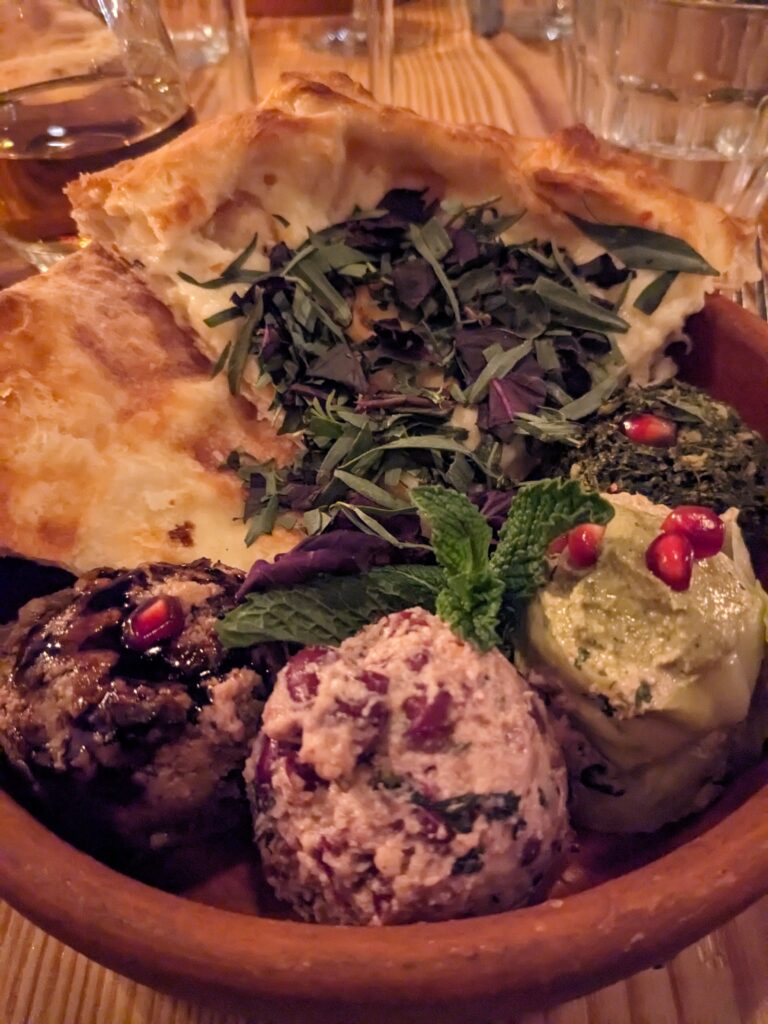
Salad plates cleared, we were brought our second course, which consisted of a “Taste of Georgia,” starring four different pkhali (spreads) – spinach, cabbage, beans and eggplant – served alongside two different breads. These spreads are prepared with walnut paste and other seasonings such as garlic, cilantro and pomegranate. The bread options were the open faced, seasonal khachapuri, topped with fresh tarragon and basil and the imeruli khachpuri stuffed with farmers and other cheeses, which was reminiscent (to me) of a cheese borek.
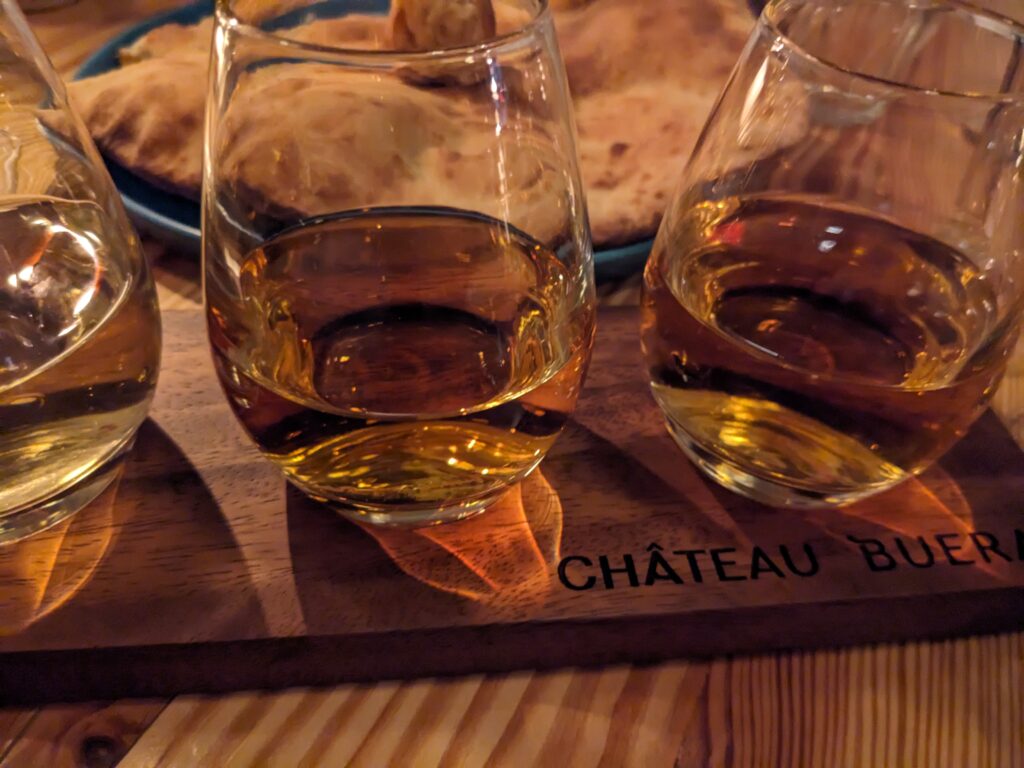
Lasha suggested different combinations of the spreads with the bread options and added to the permutations by serving a trio of Amber wines. The Amber wine style is a category especially close to Lasha’s heart and one that they are actively building at the restaurant. While some people may be familiar with skin-contact, orange wines, they deliberately use the term Amber (instead of orange) as these are skin-contact wines that are specifically aged in clay qvevri.
Our flight consisted of an “Intro to Amber” wine, “Combo” and a “ ‘Full-On’ Amber”, denoting three different styles of these wines. Lasha explained that these wines provided a 3D experience with clay serving as a third dimension in addition to the more common use of stainless steel and oak.
Hailing from Western Georgia, the Intro wine (Tsolikouri Amber 2020, with one month of full skin-contact and six months in qvevri) offered up more fresh fruit with low tannins; more tannic than the Intro and with less fresh fruit character, the modern innovation Combo wine (Chateau Buera Qvevri Amber 2019) had been aged in oak. Finally, the “Full-On style (Pat’ra Marani Rkatsiteli 2021) was redolent of rich, dried fruit and was more overtly tannic on the palate. A similar Amber flight is always on offer at the restaurant as are ones featuring white wines, Saperavi wines and a trio of white, amber and red.
From breads and spreads, we shifted to heavier fare, with pork mtsvadi, pork skewers that had been marinated for at least 24 hours. The Chef further clarified that dried vine stems are used alongside the charcoal when cooking the meat. This course was served with the Château Buera Saperavi Reserve 2018, which had been aged in French oak for 12 months and then another 12 months in bottle, before release. This wine offered up beautiful notes of black cherry, chocolate and cocoa powder and toast, with good acidity, ripe tannins, full body and long length.
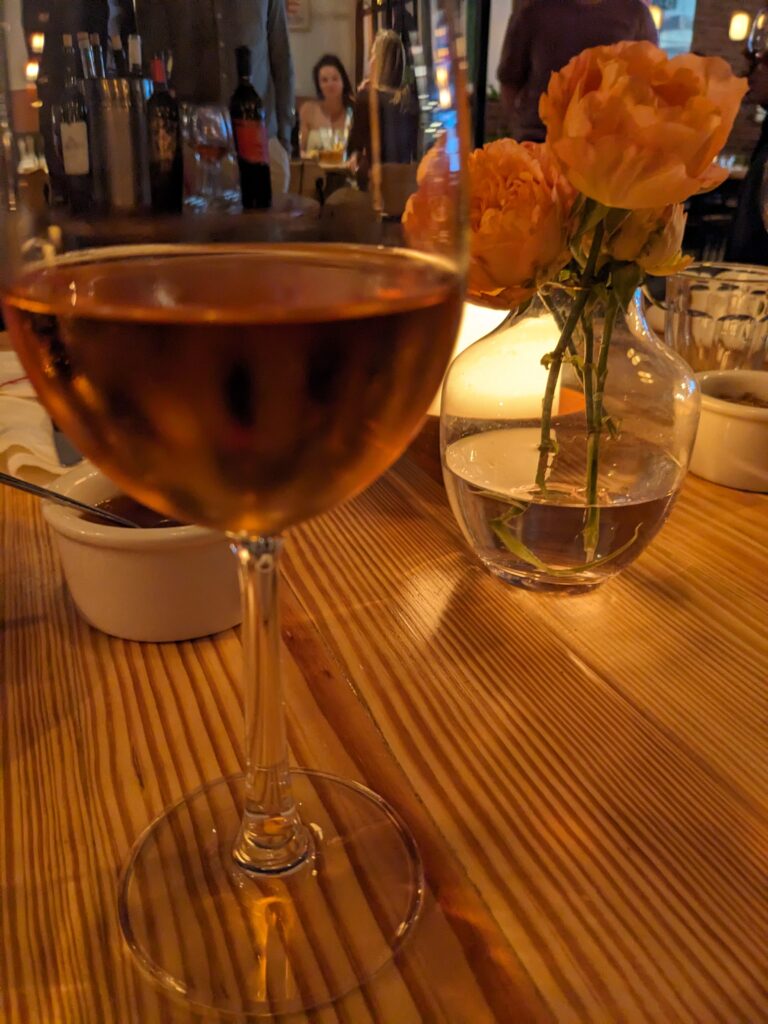
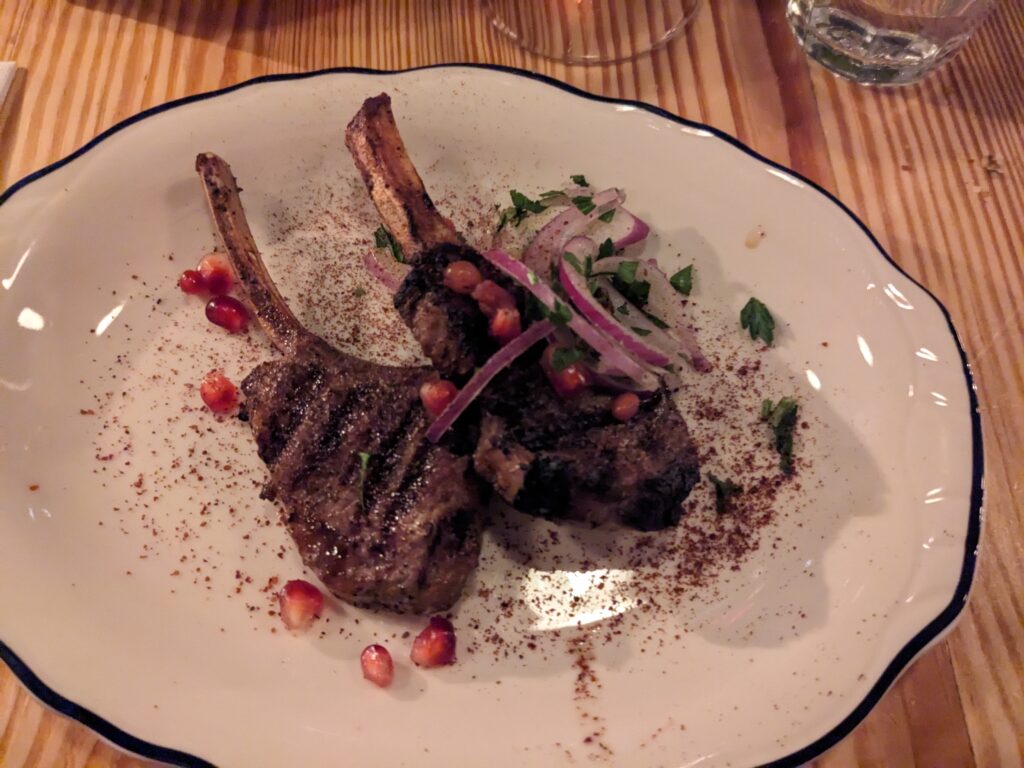
The pork plate was followed by lamb chops similarly marinated for a lengthy period of time and also sprinkled with pomegranates, adding sweetness and tartness in contrast to the meaty flavors. The chops were accompanied by the Dekanozishvili Dry Red 2017, a blend of 70% Saperavi, 20% Otskhanuri Sapere and 10% Shavkapito. The wine had been fermented in both qvevri and oak, aged in oak barrel for 18 months and had also been produced using the appassimento method of drying out the grapes over a period of months to naturally reduce their water content and thereby increase the concentration of flavors. At seven years of age, this showed some development on the nose and palate with aromas of smoke, toast, forest floor and black fruit. It was intense with heady flavors, culminating in very long length.
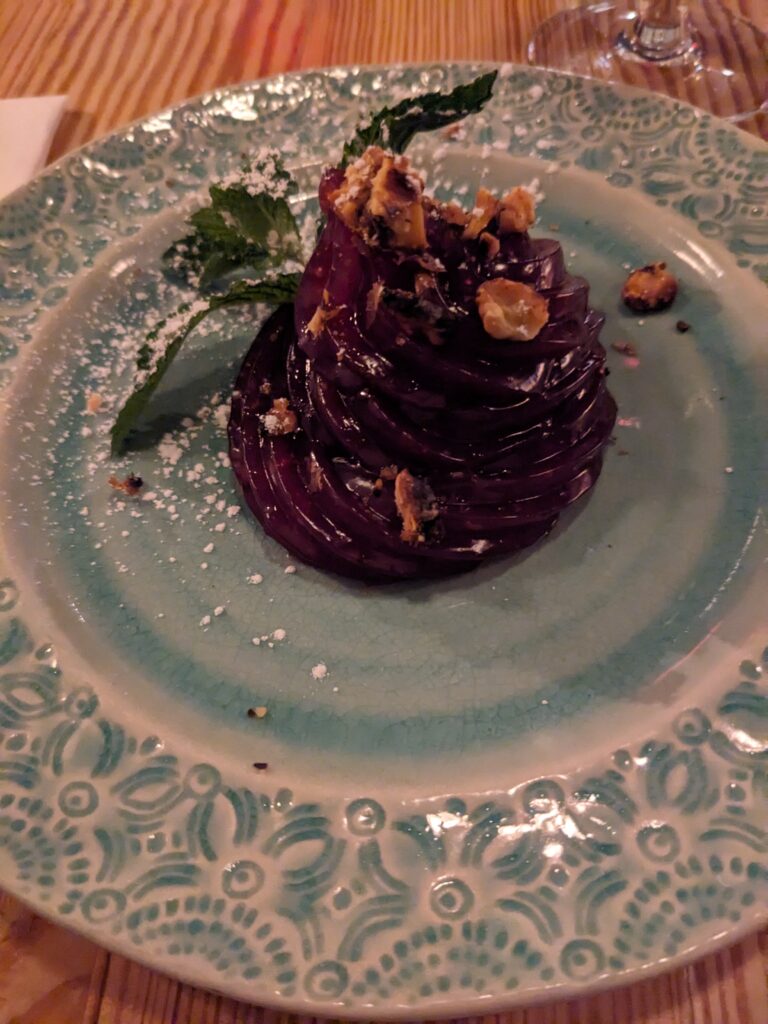
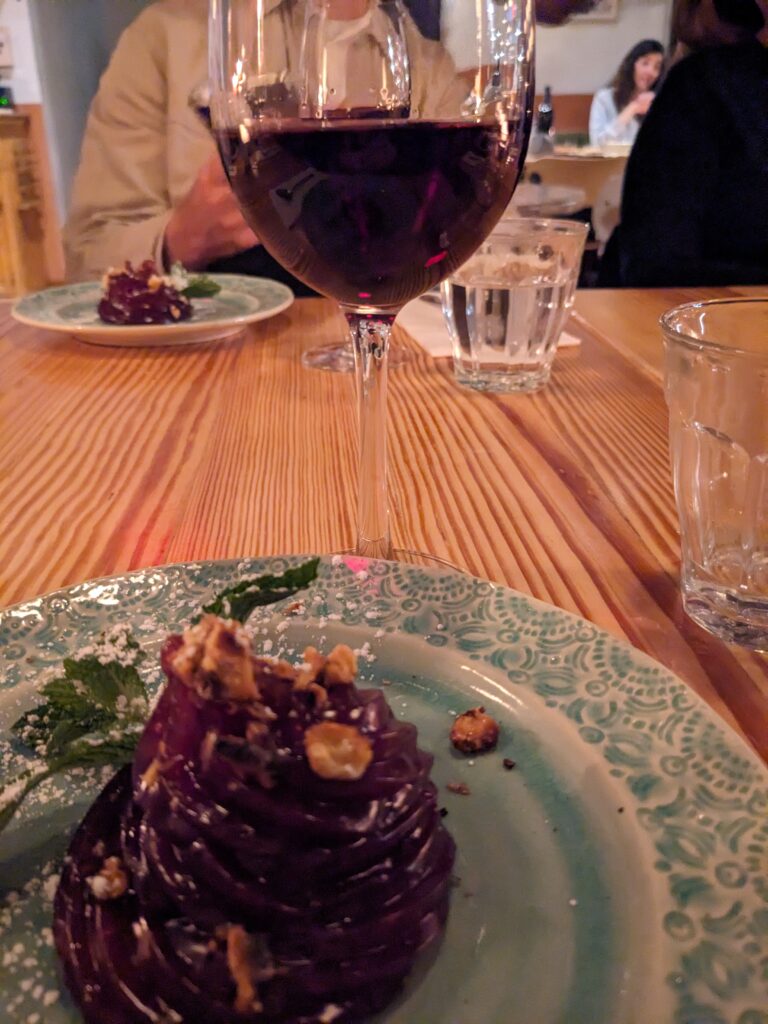
Nearly sated with food and drink, we were presented with one last course: Pelamushi, which is a “traditional Georgian sweet grape pudding topped with glazed walnuts”. To produce this dish, grape juice retained from during harvest is significantly reduced to concentrate the flavors and cooked with flour to produce a gelatinous, yet tasty, dessert. The course was paired with the Royal Khvanchkara Khvanchkara Red Semi-sweet 2018, from NW Georgia featuring a blend of the Alexandrouli and Mujeruli grapes.
As we lingered at the table a little longer, Lasha insisted upon us tasting a little Chacha, Georgian distilled beverage produced similarly to Grappa, produced from the Rkatsiteli grape and “blended with glacier-based water from the Caucasus mountains, aged in qvevri (handcrafted clay vessel) for 3-4 month and charcoal filtered before bottling”. It was very smooth, balanced and a refreshing palate cleanser.
We had finally come to the end of our evening and reluctantly bid our hosts farewell. We might not have quite become friends, but we certainly left feeling more connected, having shared a very special experience that truly immersed us in the ways of Georgian wine and food. Whether or not guests are seen as gifts from God, having been a part of this magical evening was truly a gift!
LIST of WINES TASTED
Chateau Buera Ojaleshi Rose 2021, Lechkhumi, Georgia
While Colorado is most usually associated with beer (and, in fact, the Colorado Rockies baseball team’s stadium bears the name of its sponsor, Coors Brewing), you might find it surprising to know that the state is also home to over 170 wineries. Moreover, wine production in Colorado dates back to 1890 when the state’s governor, George A. Crawford, planted 60 acres of wine grapes.
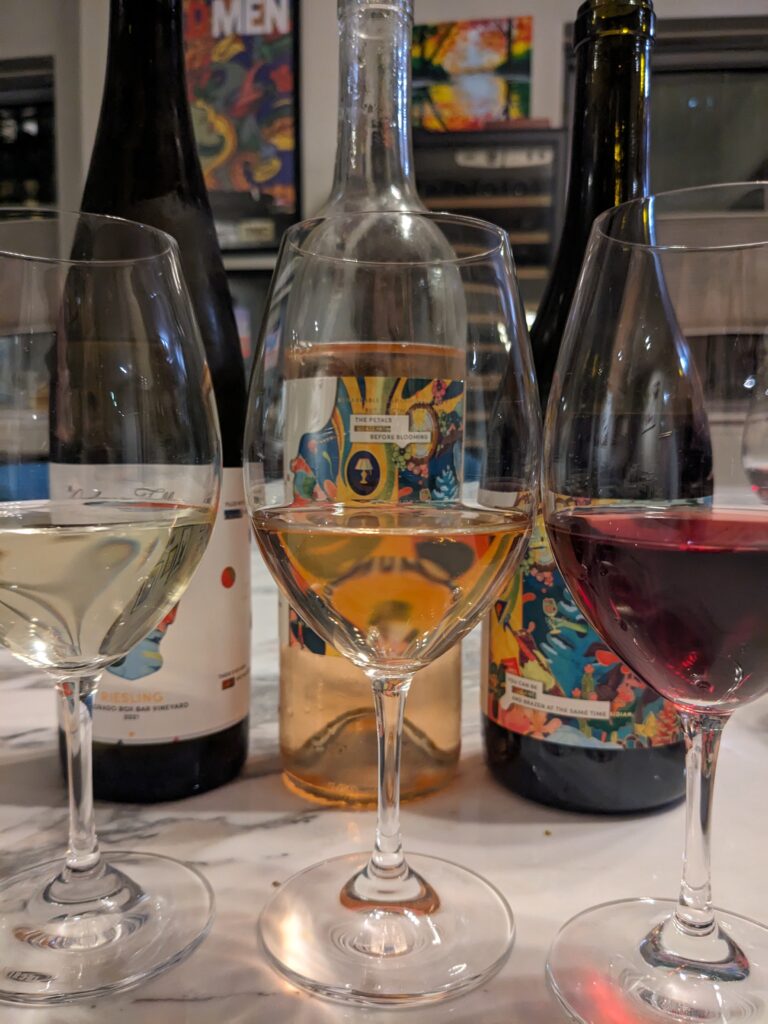
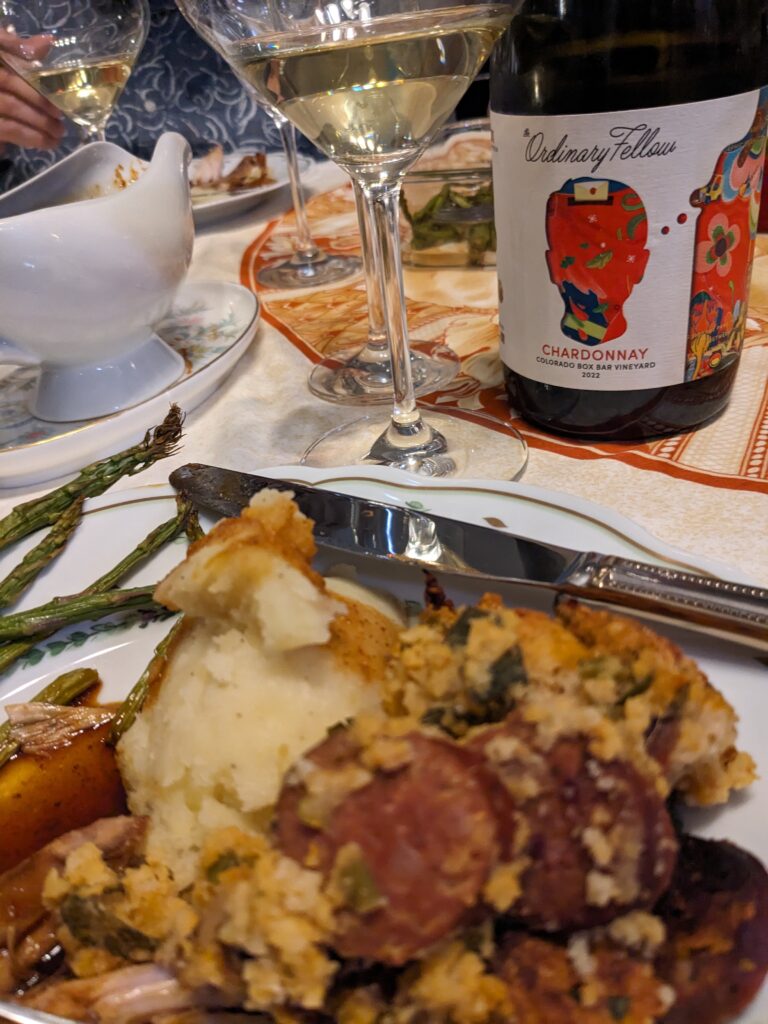
Admittedly, this is not a state that comes to mind when thinking of wine, but I am always game to try and expand my statutory wine knowledge. Thus, when I received the opportunity to taste samples from The Ordinary Fellow, I jumped at the chance and enlisted my friend, Ron, who previously joined me for Virginia and California tastings, to taste through a selection of these wines with me. The remainder were enjoyed at the table for Thanksgiving. As wines “born in the USA,” they were perfect options for this American holiday.
The Ordinary Fellow is much more recent that Colorado’s historic beginnings, having been established in 2021, by long-time winemaker, Ben Parsons. Parsons earned his degree in oenology from the University of Adelaide in Australia and has been (and continues to be) involved in numerous wine ventures, including one with a focus on canned wine. Originally from the UK, his latest winery launch is named for his hometown pub.
Situated in Colorado’s Grand Valley AVA, the winery sources from vineyards growing at elevations of 6,500 feet above sea level. With hot, dry, sunny days and cool nights, grapes are able to fully ripen while maintaining good acidity levels.
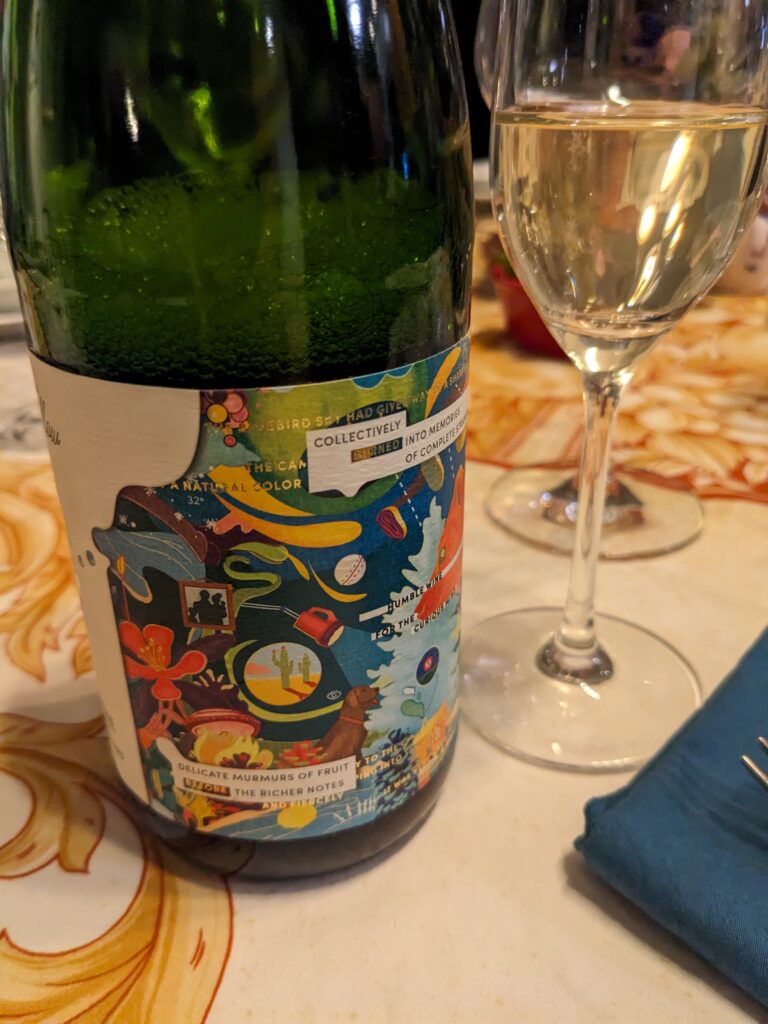
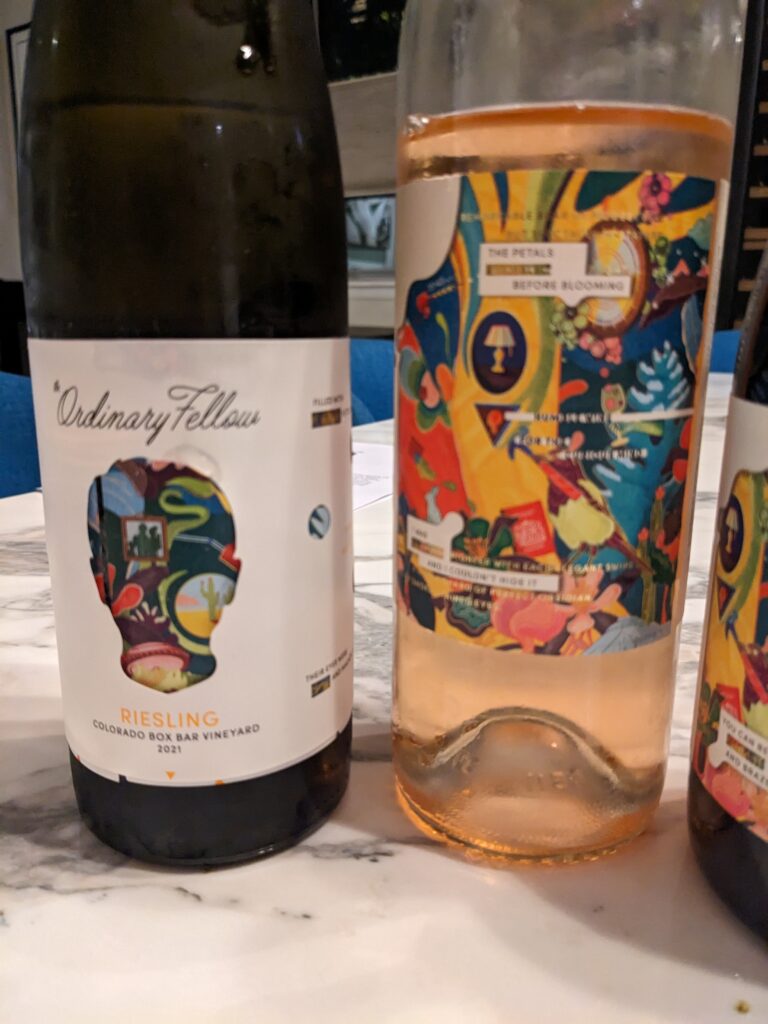
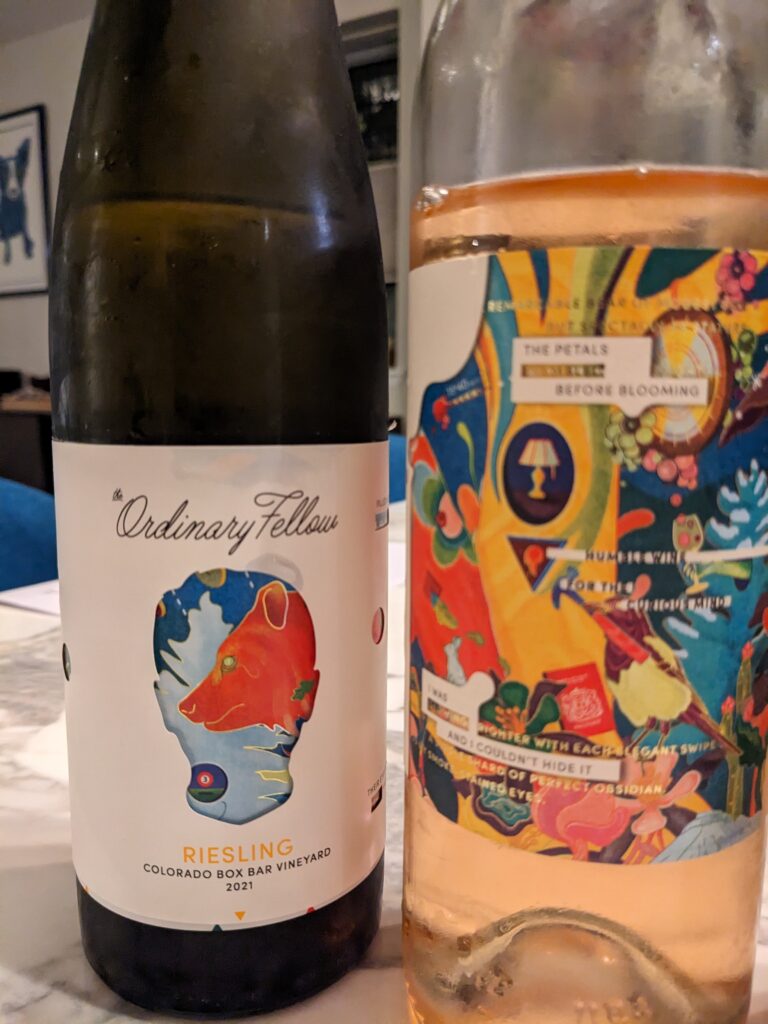
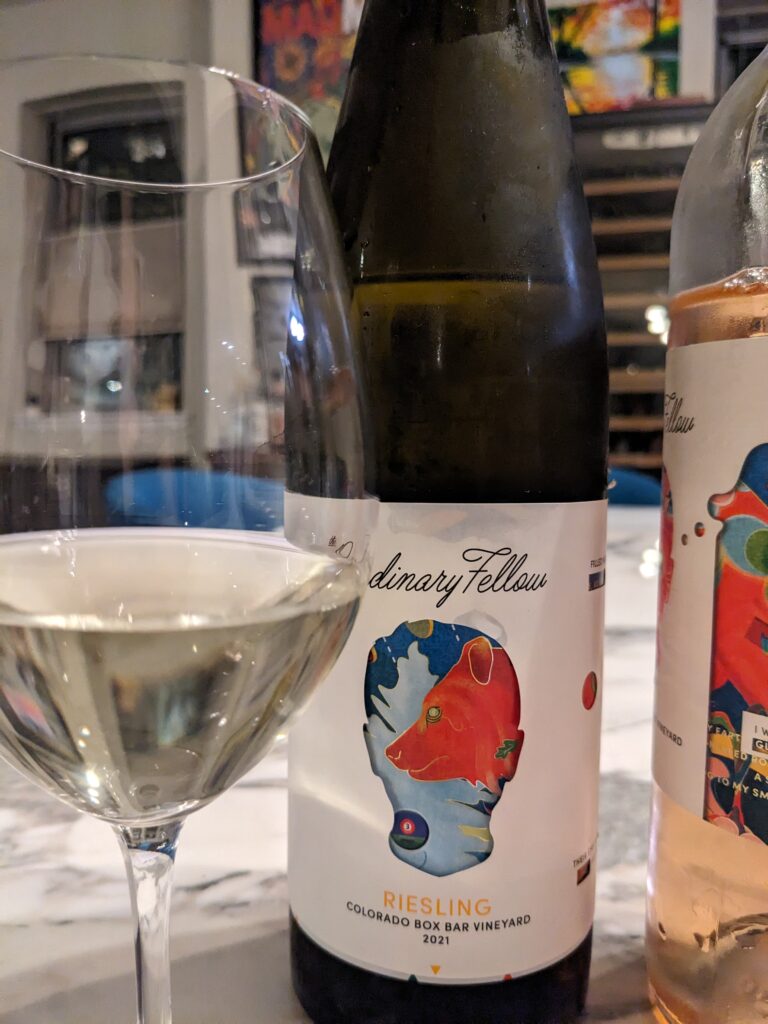
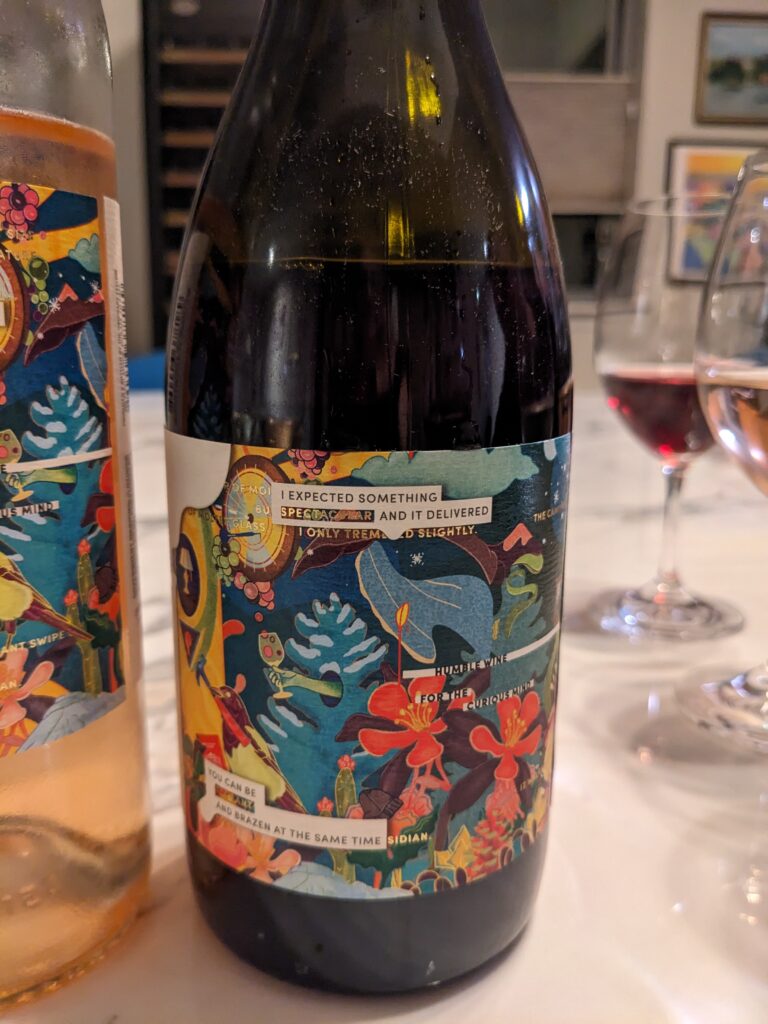
The eye-catching labels sport the slogan “Humble wine for the curious mind,” and other interesting phrases that appear to be quasi tasting notes. Further, they are interactive with outer sleeve silhouettes that can be rotated full circle to display alternate images and text.
With absolutely no exposure to Colorado wines prior to our tasting, we weren’t sure what to expect from them, but we were very impressed with their quality. The wines showed beautifully, displaying complexity, balance, concentration and length. My favorite of the selection was the Pinot Noir, but they were all really lovely, well-made wines and a pleasure to enjoy with friends over good food and good conversation.
Of note, these are boutique wines with small production (225-450 cases per wine) and while not inexpensive, they are reasonably priced for the quality and limited production.
TASTING NOTES
The Ordinary Fellow Sparkling Blanc De Noirs of Pinot Noir 2022, Colorado (USA), $48.00 Fresh, with citrus, slight yeast and nuts, green apple, beautiful effervescence, long length. [225 case production]
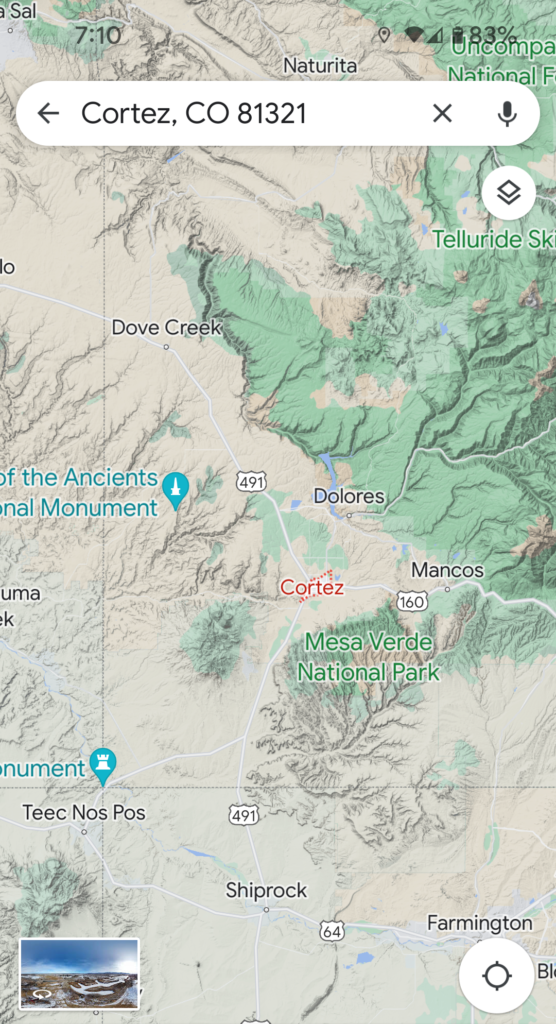
The Ordinary Fellow Riesling 2021 Colorado Box Bar Vineyard, Colorado (USA), $24.00 With grapes sourced from the Box Bar Vineyard, a growing site just south of Cortez, CO on the slopes of the Sleeping Ute Mountain overlooking Mesa Verde National Park, this wine has a 420 case production (this is the Rocky Mountain High state after all). Displays a typical Riesling nose of lemon, lime, slight petrol and minerality. On the palate, it is dry, with medium+ acidity, medium body, lime, mineral, chalk and petrol, long length, very nice. [Low residual sugar of less than 1 g/l]
The Ordinary Fellow Chardonnay 2022, Colorado Box Bar Vineyard, Colorado (USA), $34.00 Made from 100% Chardonnay grapes from the Box Bar Vineyard, which, at a 6500 elevation is one of the highest vineyard sites in the state. Notes of butter, a hint of nuts and yeast, rich and ripe with apple, medium+ body, good acidity and long length. [375 case production]
The Ordinary Fellow Rose of Pinot Noir 2022, Colorado Hawk’s Nest Vineyard, Colorado (USA), $27.00 The Pinot Noir grapes for this wine and that of the next one are grown at 6800 feet in elevation, which is outside Dolores, CO in the Montezuma Valley. Produced from 100% Pinot Noir, this is a lovely, fresh wine with peach, strawberry and floral notes, with tart strawberry, bright acidity, medium body, cherry, with a restrained elegance, which we greatly appreciated. The Tech Sheet suggested aromas of marijuana – none of us agreed, but we did all chuckle.
The Ordinary Fellow Pinot Noir 2022, Colorado Hawk’s Nest Vineyard, Colorado (USA), $37.00 Produced from 100% Pinot Noir and aged in 3-year-old French oak, medium+ toast, this wine offered up a beautiful nose, restrained and elegant with cherry, berry and floral notes, giving way to some herbal undercurrents, with vibrant acidity, medium body and culminating in very long length.
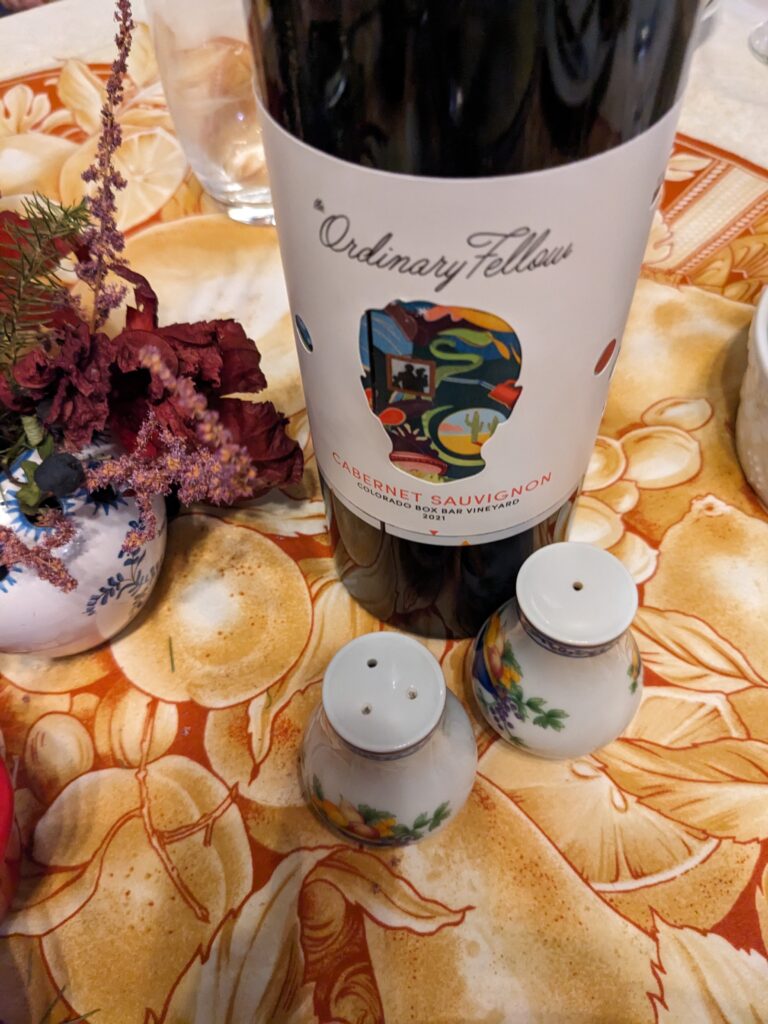
The Ordinary Fellow Cabernet Sauvignon 2021, Colorado Box Bar Vineyard, Colorado (USA), $39.00 Aromas of blackberry, slight herbal notes, and slight oak, all of which persist on the palate, along with full body, bright acidity and long length. [350 case production]
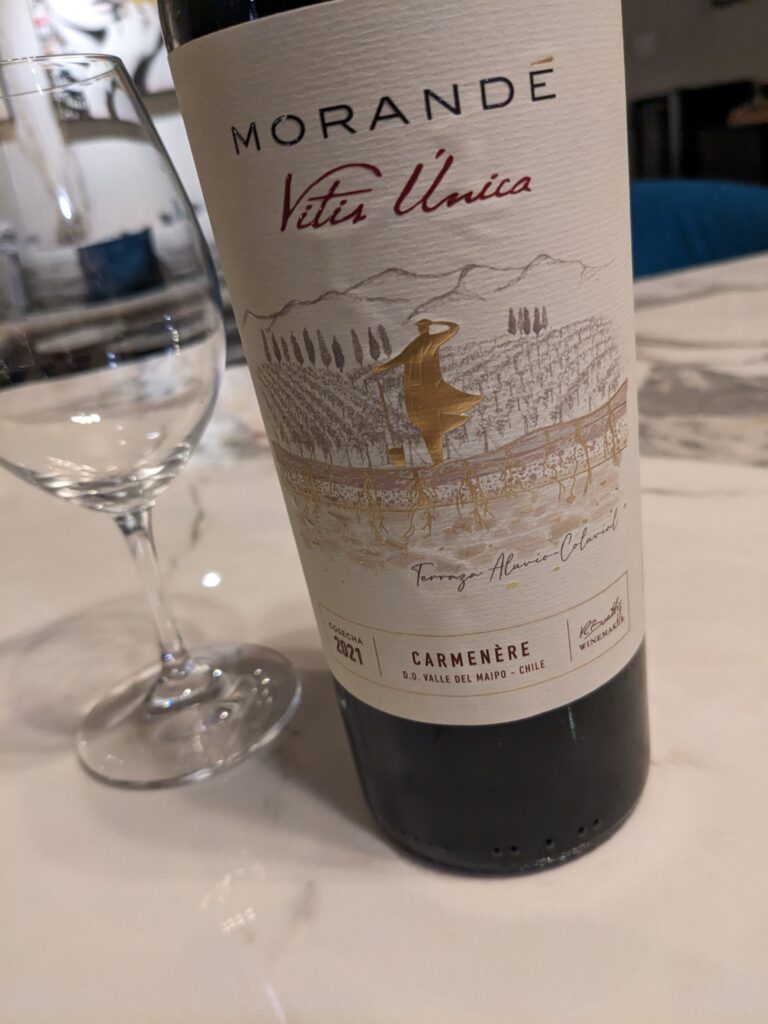
As I wrote about last year (See story), an important shift in the Chilean wine landscape has been the recognition of what grapes are actually being grown in the vineyards. More specifically, a big emphasis has been on the grape variety, Carménère. If you are unfamiliar (or less familiar) with Carménère, you are not alone. In fact, the Chileans mistook Carménère for Merlot for decades, only correctly identifying it in Chilean vineyards in 1994. Carménère has now been embraced as a singularly Chilean variety, gaining respect and an understanding for how to grow and produce this grape.
This sister variety to Cabernet Sauvignon gets its name from the French word carmin, which translates as crimson, given the variety’s deep red color. It originally hails from France’s Bordeaux region, where it was among the red grapes permitted for Bordeaux wines back in the day. While it is still allowed, it is not readily found in France these days. By 1994, as it was rediscovered in Chile, less than 25 acres could be found in the Médoc, while today there are only 197 acres in total remaining in France.
In contrast, in that same year (1994), over 8,500 acres of supposed Merlot turned out to be Carménère. This figure has grown to 25,500 acres in 2021, after peaking at 34,000 in 2014 and, presently, Chile boasts the most Carménère vines in the world. Currently, there is a diverse mix of old vines – some as old as 80 years – and newer plantings, providing winemakers with a range of options from which to craft their wines.
With Cabernet Franc as the parent variety for both Cabernet Sauvignon and Carménère, it is not surprising that the two share many of Cabernet Franc’s characteristics, including the pyrazine-influenced aromas and flavors. Most often described as green pepper or herbaceous notes, these aroma compounds shift more toward spicy, fruity flavors when the Carménère grapes are more fully ripe.
In this regard, Carménère can be produced in either a riper or cooler style, depending on what the winemaker hopes to achieve. Consequently, very ripe grapes display lots of spice, with darker fruit characteristics, yet often yield wines that are high in alcohol, body and intensity due to the warmer climate, extra time on the vine or both. Conversely, cooler climates and soils are more likely to produce wines with more pronounced vegetal aromas. Given the reduction in green pepper aromas, warmer regions, such as the Colchagua and Cachapoal Valleys, have had significant success with Carménère.
However, this robust style peaked in 2010 and has been on the decline in favor of a less ripe profile in more recent years. In particular, this stylistic shift was heralded in 2017 with the release of the Carménère Santa Rita Floresta. Since then, winemakers have strived to respect the vegetal characteristics and create balanced wines with both red and dark fruit flavors, along with more moderate alcohol and body.
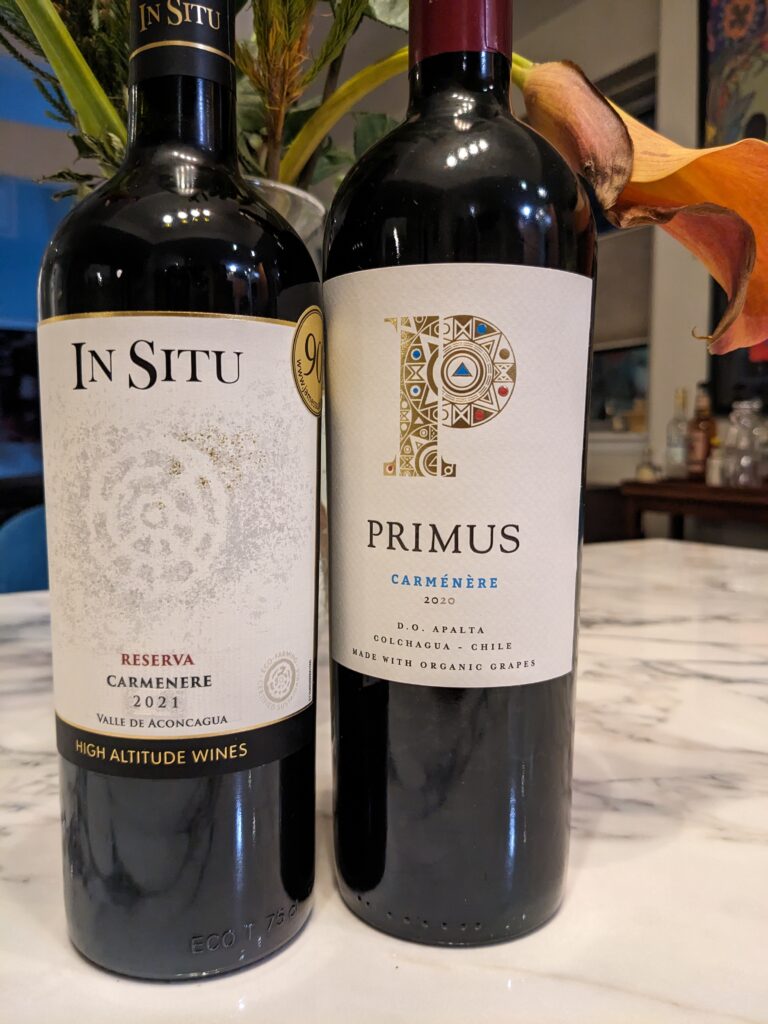
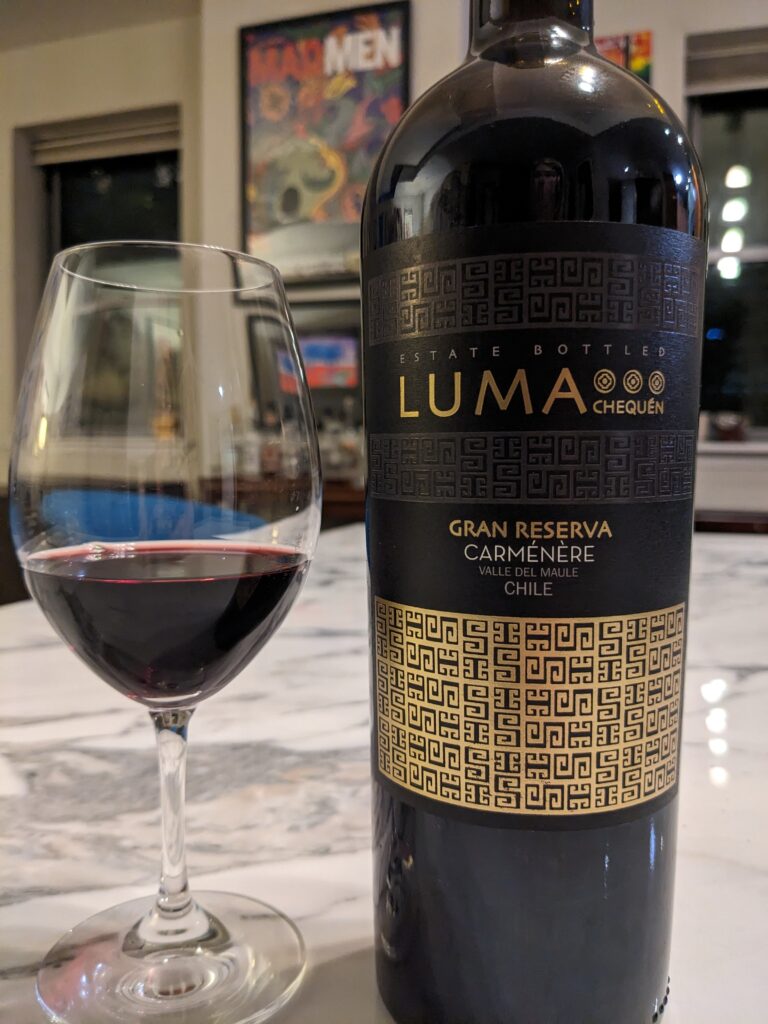
Regardless of one’s preferred style, these wines are well made and generally provide a good price to quality ratio. A recent round up tasting included the wines below, which offered up a range of styles and price points. We were particularly impressed with the Viña San Esteban In Situ Carménère Reserva 2020, which, at $13.00, overdelivered and was a pleasure to drink.
I strongly encourage you to check out Chilean Carménère, but, love it or hate it, don’t call it Merlot!
Viña San Esteban In Situ Carmenere Reserva 2020, Aconcagua Valley, Chile, $13.00 A really lovely wine, especially at this price, the wine offers up aromas of smoke, blackberry, and oak, with very peppery and spicy notes. The full-bodied palate is dry, with medium acidity, medium body, ripe tannins and flavors of coffee, blackberry, earth, spice with long length.
Primus Carmenere 2020, DO Apalta, Colchagua Valley, Chile, $21.00 A very elegant wine produced from organic grapes, this wine has a fruity nose with black and blue fruit. The dry palate has medium+ body, medium acidity, and ripe, medium tannins, along with flavors of black and blue fruit, spice and cocoa and very long length.
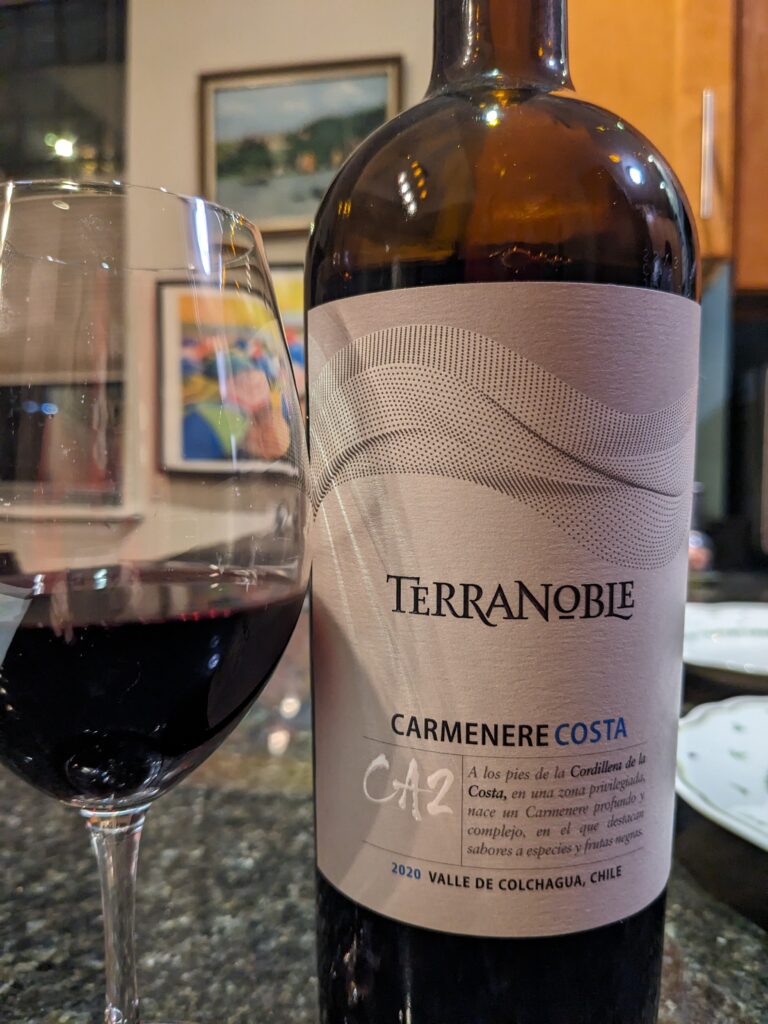
TerraNoble CA2 2020 Carmenere Costa 2020, Colchagua Valley, Chile, $36.00 A beautifully complex wine with meaty, spicy, leafy and black cherry aromas. The palate is dry, with medium+ acidity, medium-to-full body, and ripe tannins. Blueberry and dried herbs dominate the palate, culminating in very long length.
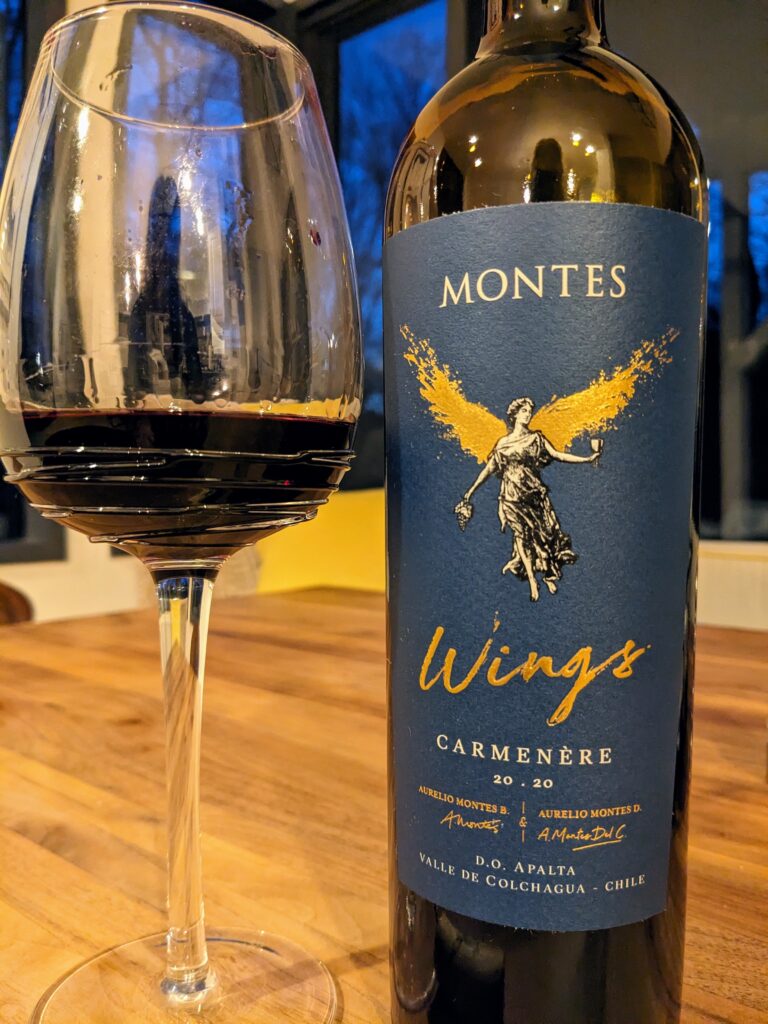
Montes Wings Carmenere 2020, Apalta Valley, Chile, $55.00 Aromas of leafy herbs, red berries, and plum continue on the dry, smooth palate along with full body, medium acidity, oak, and very long length. Overall, a complex and elegant wine with fine tannins. You can learn more about Aurelio Montes, Sr. and Aurelio Montes, Jr. and the Montes winery in this story.
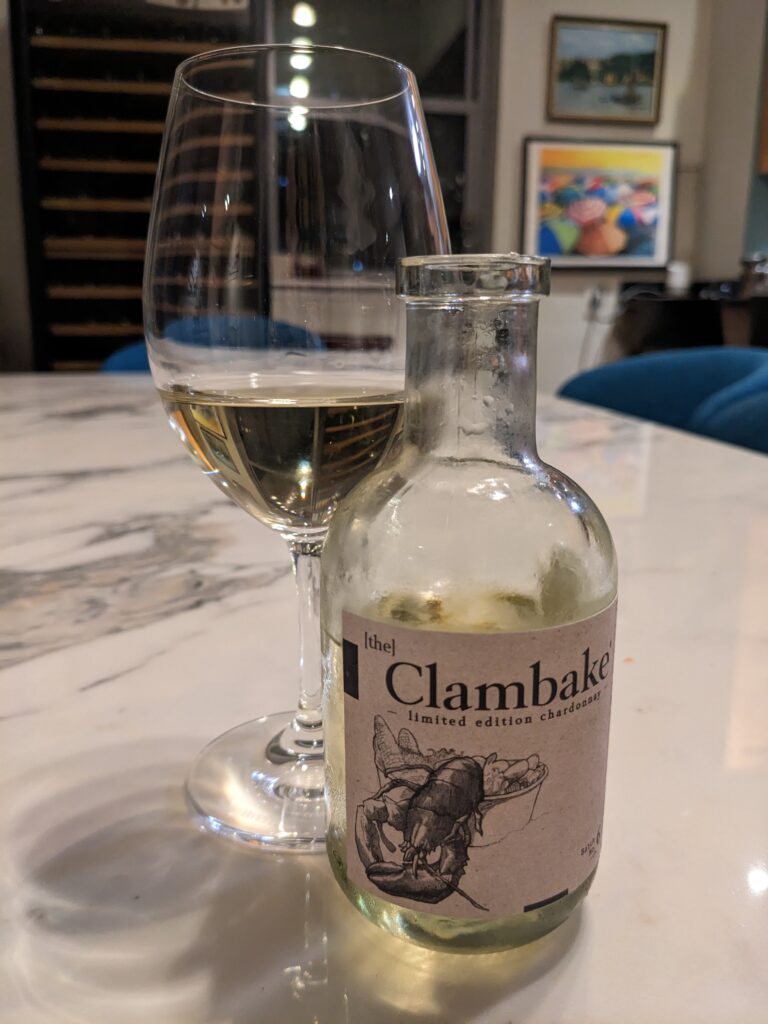
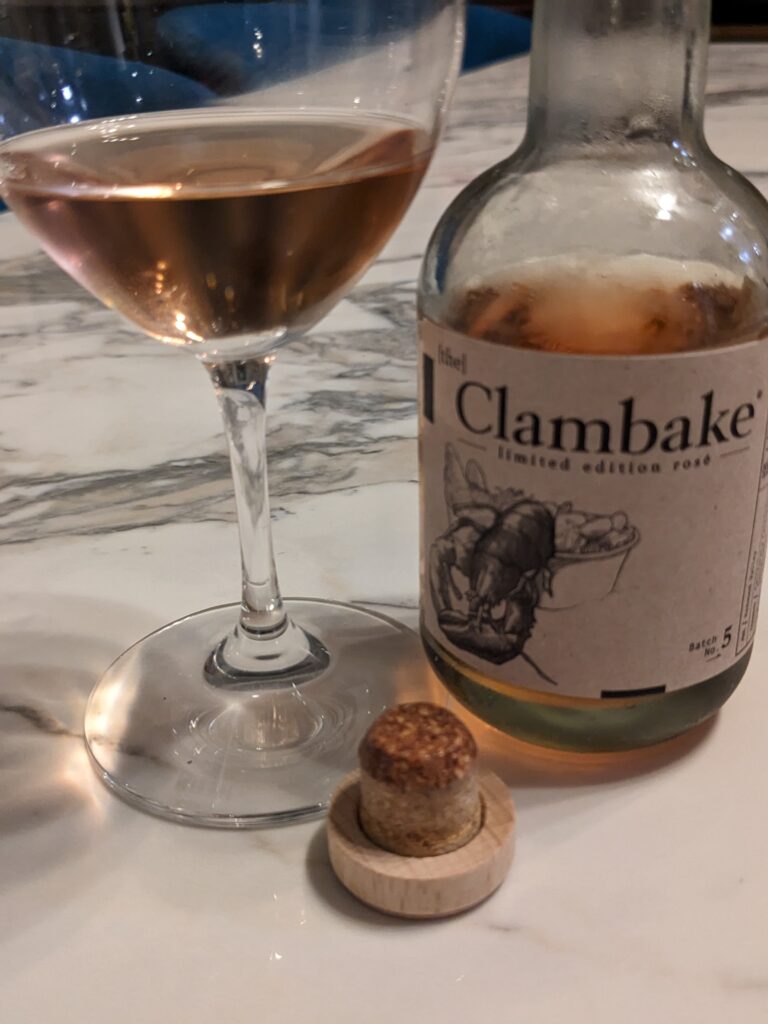
While summer and clambakes are behind us for now, the wines that accompany them don’t have to be put on hold. In this regard, winemaker Mary McAuley and her Clambake Wines are great accompaniments at the table anytime of year. And, with their luscious fruit and lovely minerality, these wines are actually a wonderful option for Thanksgiving, given their versatility and vibrant acidity.
Mary produces her wines under her Ripe Life Wines company and was first inspired to do so when she was less than satisfied with the options available when selecting wines for a friends’ annual clambake. A certified sommelier and graduate of the French Culinary Institute, Mary decided to solve the problem by making her own wine. Thus, her single-vineyard, Unoaked Chardonnay and Limited Edition Rose, were crafted in response. More recently, she added the Moules Blanc de Blancs Brut to her seafood-themed portfolio. Made with 100% sustainable grapes sourced from the Lodi Valley (CA), this methode champenoise sparkler is produced from 100% Chardonnay grapes.
Aromas of minerality and butter greet the nose. On the palate, the wine is fresh, with citrus and red apple flavors, medium-plus body, a slight toothpick texture and lovely, long length.
Hailing from the Hawkeye Vineyard, this rose is produced from 100% Pinot Noir grapes. It offers up notes of melon and strawberry. The dry palate shows bright acidity, medium body, with simple, but fresh and good fruit, culminating in long length.