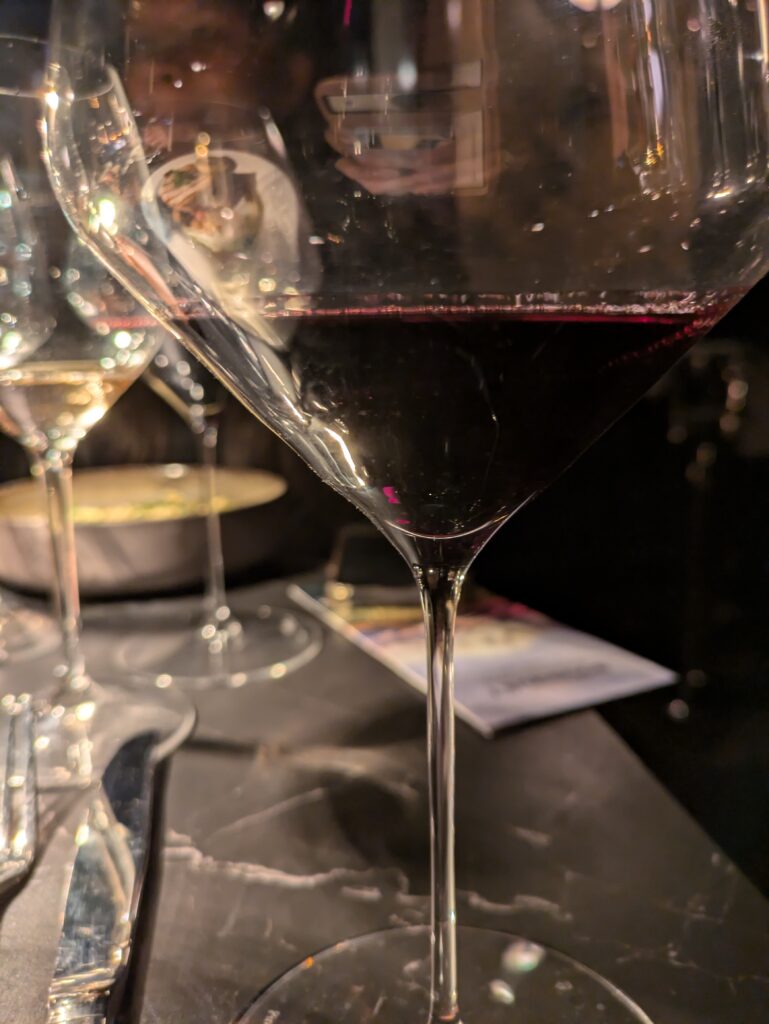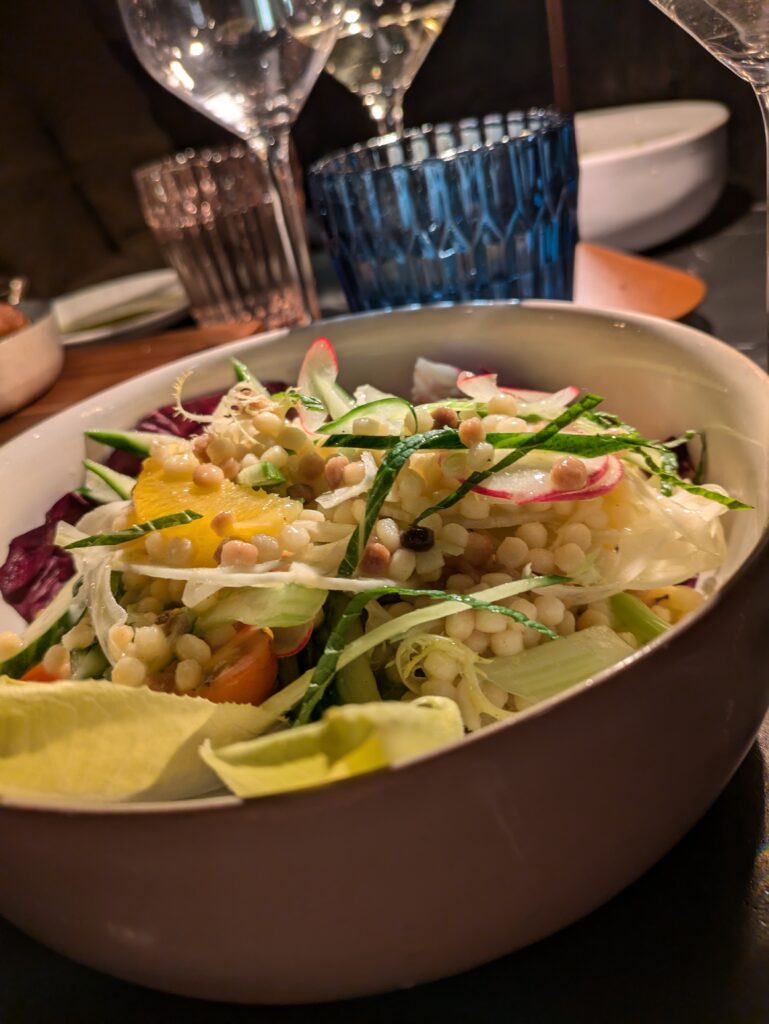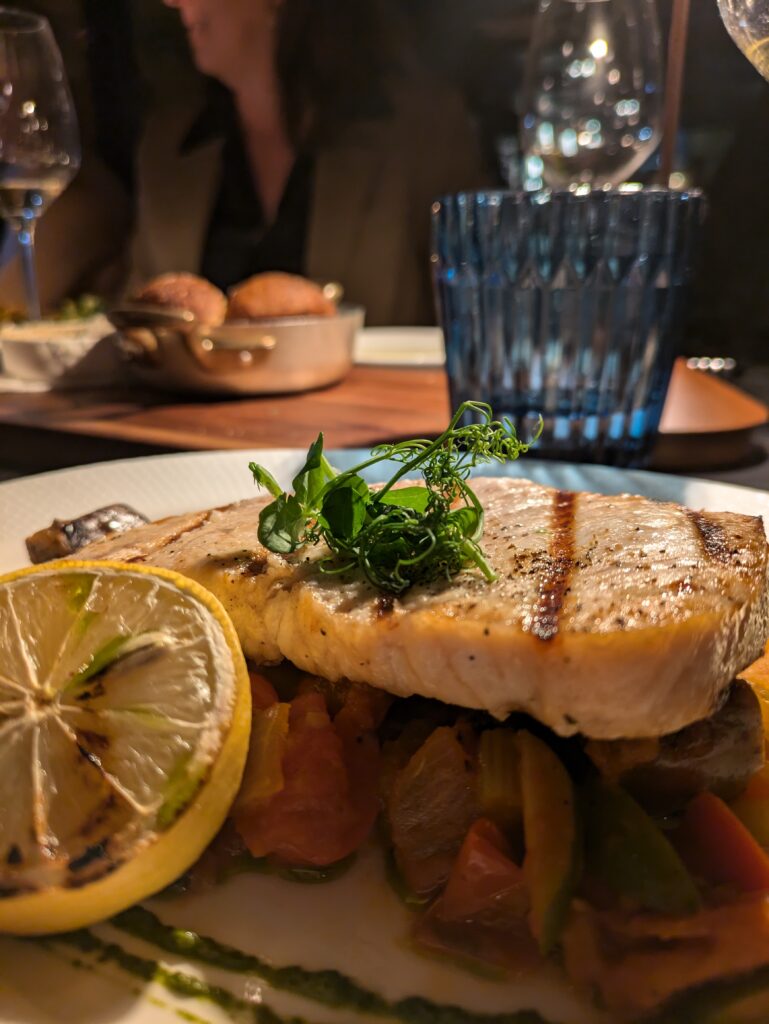
Home is where the heart (and wine) is! Merry Edwards and Friends help us find meaningful moments and connections amidst an angst-ridden year.

We’ve finally landed in a new place – a new, physical space and a new state of being. And I can finally breathe a sigh of relief. It has been an incredibly challenging time for me over the past several years as I have struggled with anxiety, financial instability, fear, overwhelm, aging and heartbreak.

Much of this can be attributed to the real estate roller coaster on which my husband and I have been on. More specifically, due to financial constraints, in mid-2023, we made the difficult decision to put our home on the market and move to a new neighborhood with the aim of reducing our monthly living expenses. It was an easily conceived plan, yet not so easily implemented.

In fact, what started as a simple idea became a complicated journey that lasted for two and half years and added a lot of stress and strife to our already hectic lives. As a result, we were forced to deal with much uncertainty, a loss of autonomy and a heightened and sustained state of fight/flight/freeze/fawn.

Along the way, we found ourselves half-packed for a period of six months, as we waited for all of the various elements to successfully conclude with the sale of our apartment. Our next leg consisted of subletting a place in a fifth-floor walk up in midtown Manhattan for three months, carrying our medically-compromised dog up and down the stairs at least three times a day. While we were truly grateful to have a safe place to land for that time period, it was definitely not fun.

Thankfully, we are finally on the other side of this ordeal and are trying to level-set our lives once again as we settle into our new home and new normal.

However, all of this upheaval definitely stirred up a lot of feelings, causing us to ask the question: What is a home, anyway? Is it bricks and mortar? Is it your mailing address? Is it simply the place where you lay your head each night?

For twelve years, we had lived in an apartment we had dubbed ZenSKape. With its Zen-like decor – a shoji screen room divider, a waterfall wall feature and art from our trip to Japan – it had been our sanctuary during that time. But, living day-to-day, surrounded by a perimeter of boxes, our home shifted into someplace we no longer felt calm. Then, the relocation to someone else’s residence, added to our sense of unease and a lack of belonging.

In response to this nervous system dysregulation, I found myself reaching out to friends with greater frequency, trying to find that calm and connection. And, many of these meet ups centered around wine, lending a festive and familiar air to our visits. Wine was a constant, keeping us tethered to community and reminding us to find moments of pleasure, peace and happiness, even on some of the hardest days. And, ultimately, finding the joy of making it to the end of this journey!

TASTING NOTES
Merry Edwards Sauvignon Blanc 2023, Russian River Valley (CA), USA, $45.00
May 2025 found me in the moments before the chaos. We were in contract on both the sale of our apartment and the purchase of a new one, anticipating a positive outcome to the lengthy process. In that spirit of enthusiasm, I met up with my friend Ron at his apartment, with a bottle of Merry Edwards Sauvignon Blanc 2023 in hand. We opened up the bottle, poured the wine and conversation flowed. Bright acidity, medium plus body, slight herbs, citrus and tropical fruit, culminating in long length and pairing beautifully with Thai cuisine.

Merry Edwards Meredith Vineyard Sauvignon Blanc 2023, Russian River Valley (CA), USA, $80.00
Domaine Anderson Pinot Noir 2021, Anderson Valley (CA), USA, $55.00

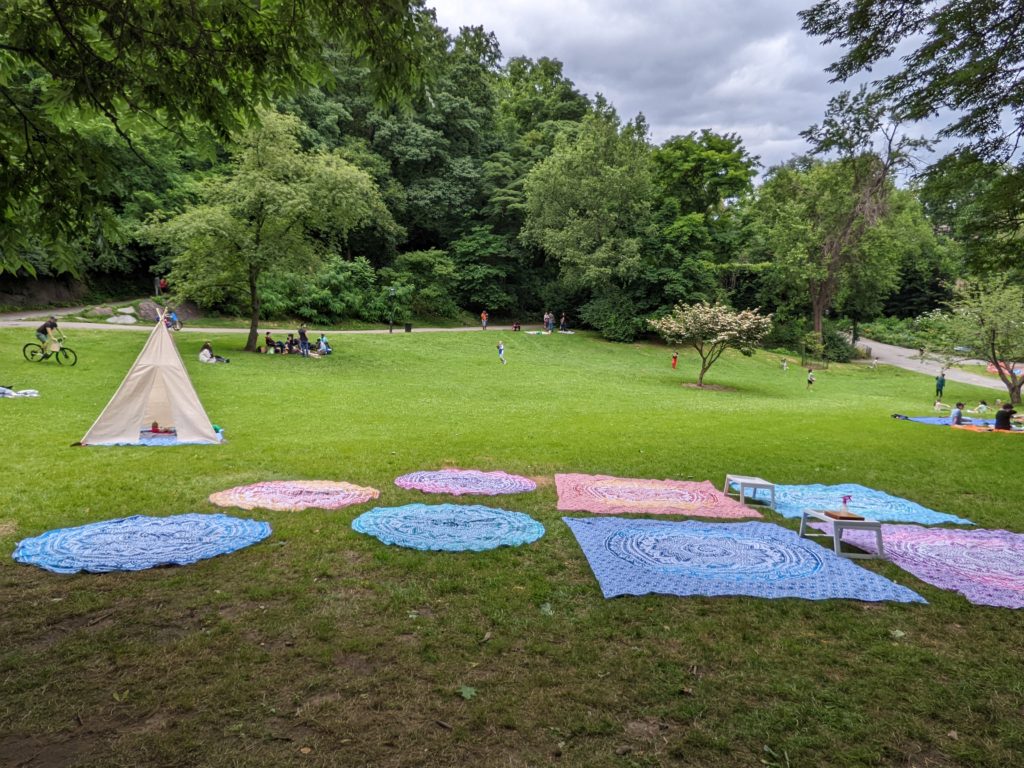
A few weeks later, we admittedly started to feel nostalgic as the end date of living at ZenSKape loomed large. We made linguini with clam sauce for dinner at home and reached for the Merry Edwards Meredith Vineyard Sauvignon Blanc 2023. With tropical fruit and citrus aromas, it was more reserved on the palate, with tart citrus, minerality and long length. In a similar bid for holding on to precious moments, we enjoyed a picnic in Fort Tryon Park with our neighbors, preparing Tuna Nicoise and pairing it with the Domaine Anderson Pinot Noir 2021.


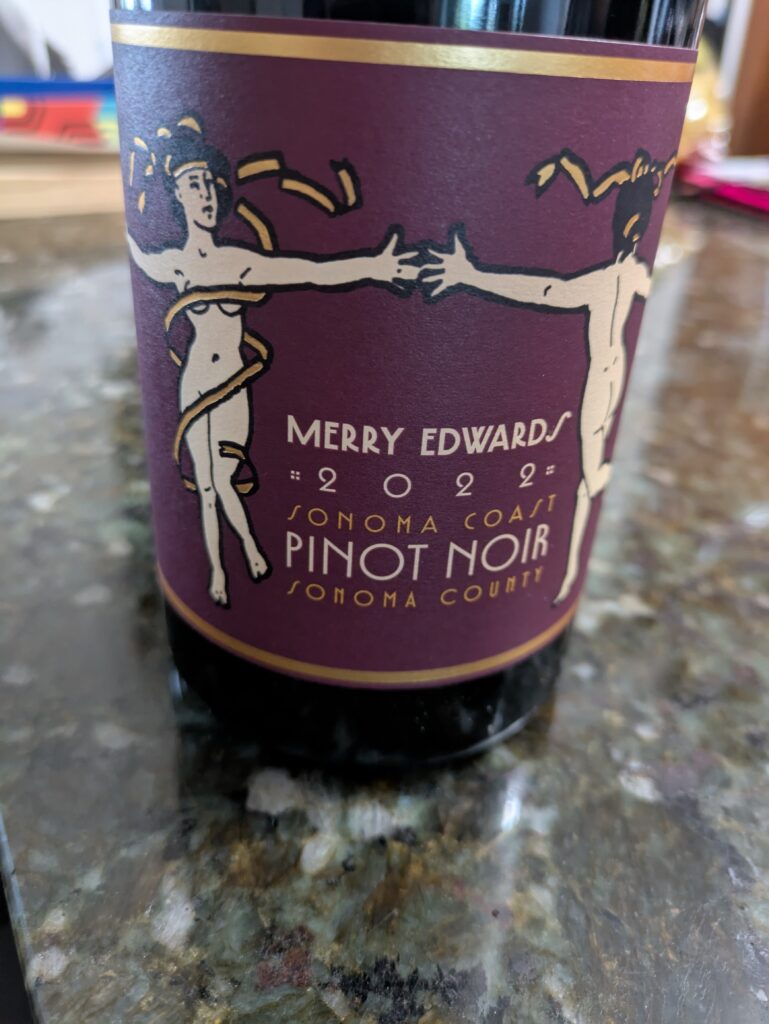
Merry Edwards Sonoma Coast Pinot Noir 2022, Sonoma Coast (CA), USA, $50.00
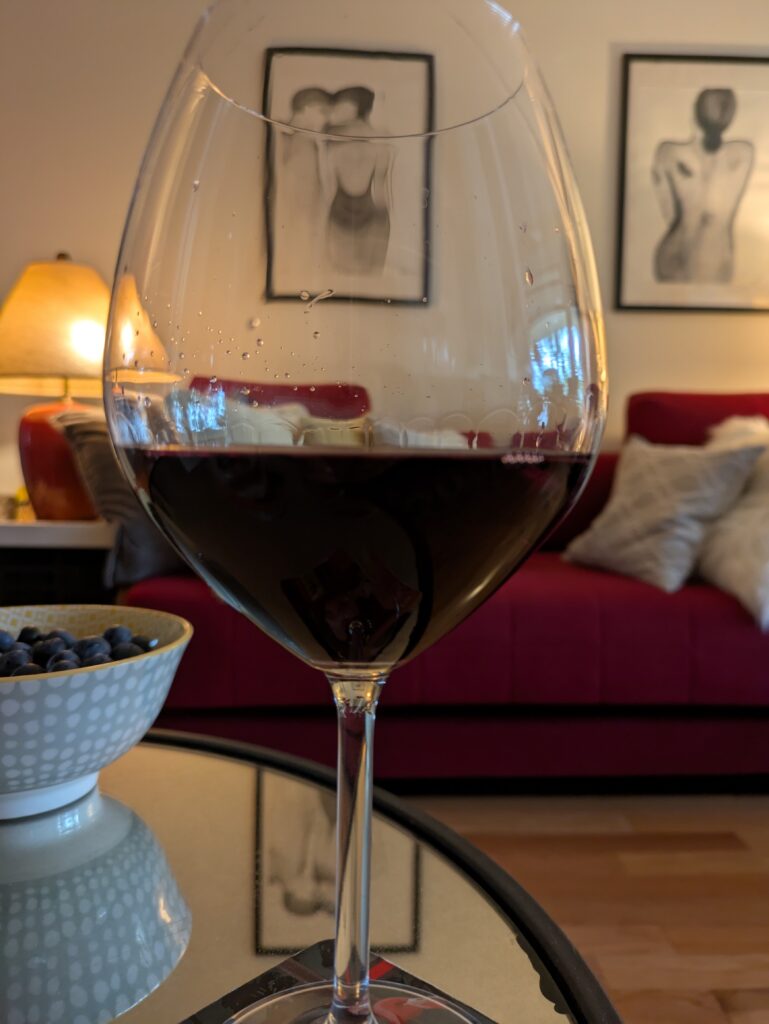
In further anticipation of our impending move to Riverdale, I met up with my dear friend Aleksandra in her home in Riverdale in June, bearing a bottle of Merry Edwards Sonoma Coast Pinot Noir. The visit was lovely as was the wine, which offered up bright acidity, medium body, luscious red fruit, slight herbal undertones and long length.
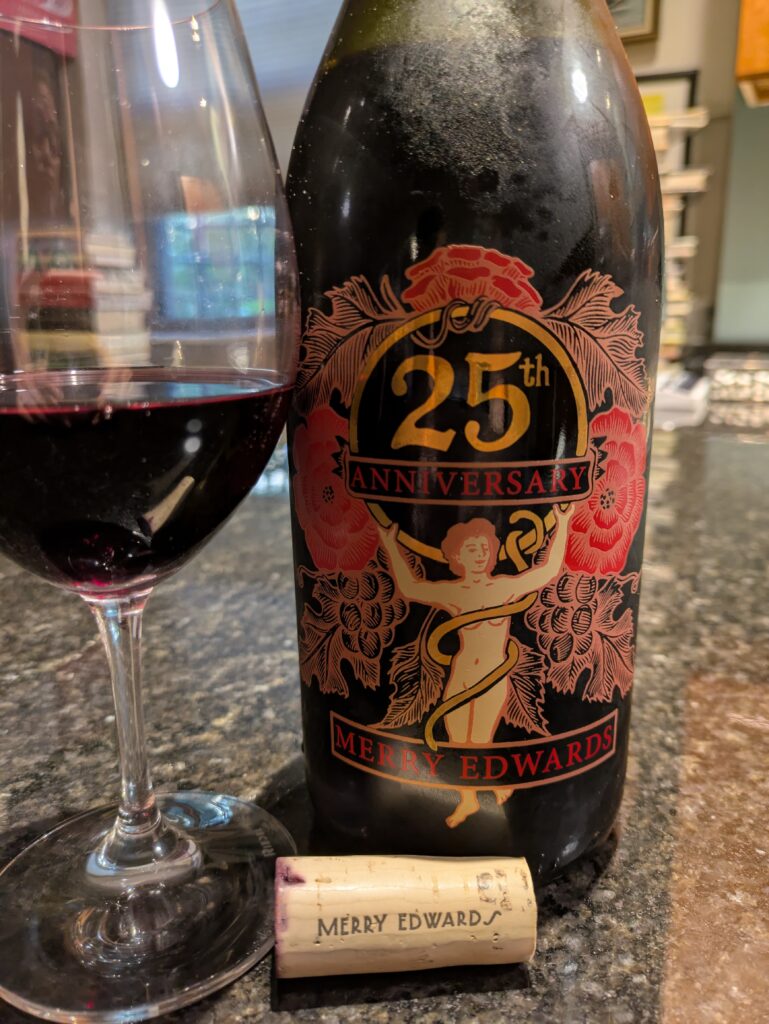
Merry Edwards 25th Anniversary Pinot Noir 2022, Russian River Valley (CA), USA, $120.00
Yet, by now, the fatigue of uncertainty had started to weigh on our minds. We had expected to be closing on both places by the end of June, but midway through the month, nothing had changed. Then, only a few days later, we learned that our application to the board in our proposed new building was denied. In the wake of that distressing news, we tried to find a bright spot by enjoying the 2022 25th Anniversary Pinot Noir, which displayed notes of raspberry and dark cherries on the nose. The dry palate presented lively acidity, medium-plus body, with hints of cocoa and spice, along with a very long length. Not long after this delicious diversion, we finished packing up all of our wines, limiting our home consumption for some time.
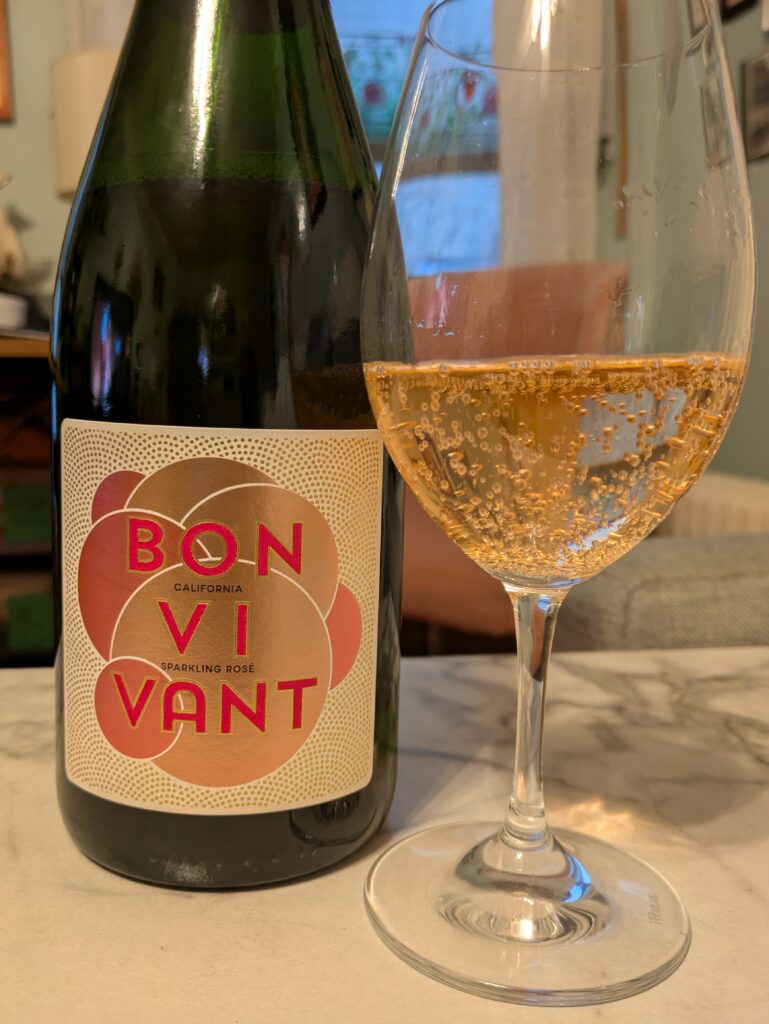
Bon Vivant Sparkling Rosé NV, California, USA, $20.00
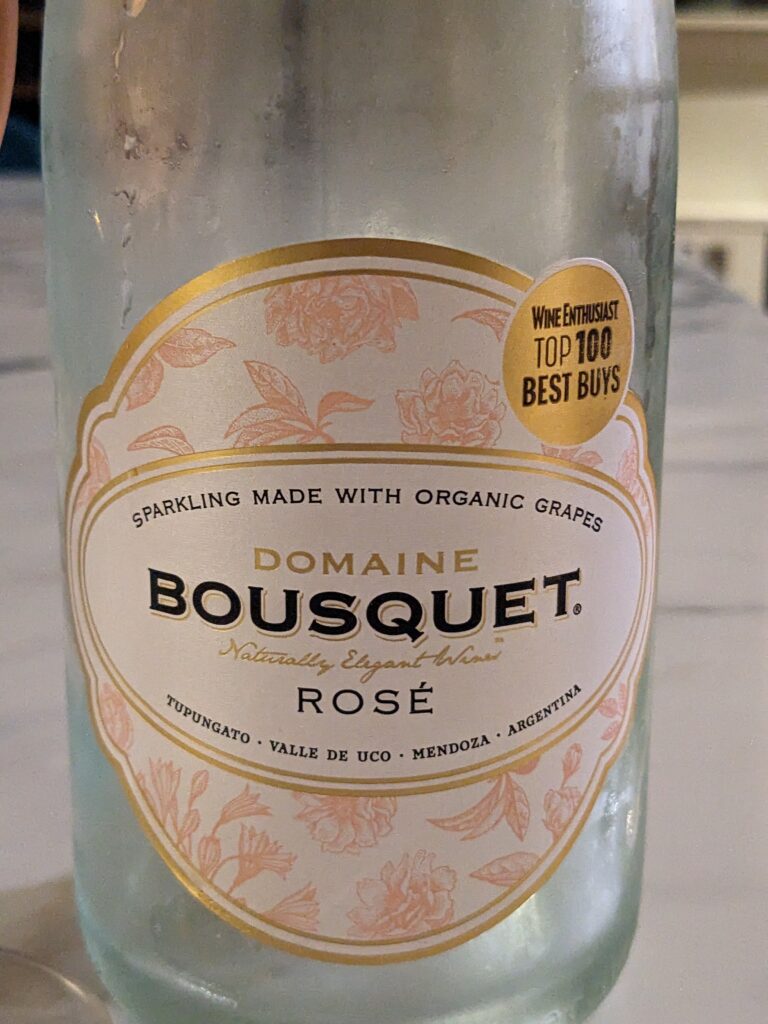
Finally, in early October, the sale of our apartment was complete and we relocated to the midtown sublet noted above. In an effort to make the sublet our own, we found ways to spend time together and with friends. On one occasion, my friend Laura stopped by on a Friday evening, during which we enjoyed the Bon Vivant Sparkling Rosé with charcuterie, cheese and olives before heading to City Center for a mesmerizing dance production of Turn It Out with Tiler Peck & Friends. With a beautiful pale salmon hue, the effervescence danced on our tongues, with flavors of citrus, apple skin and toast.

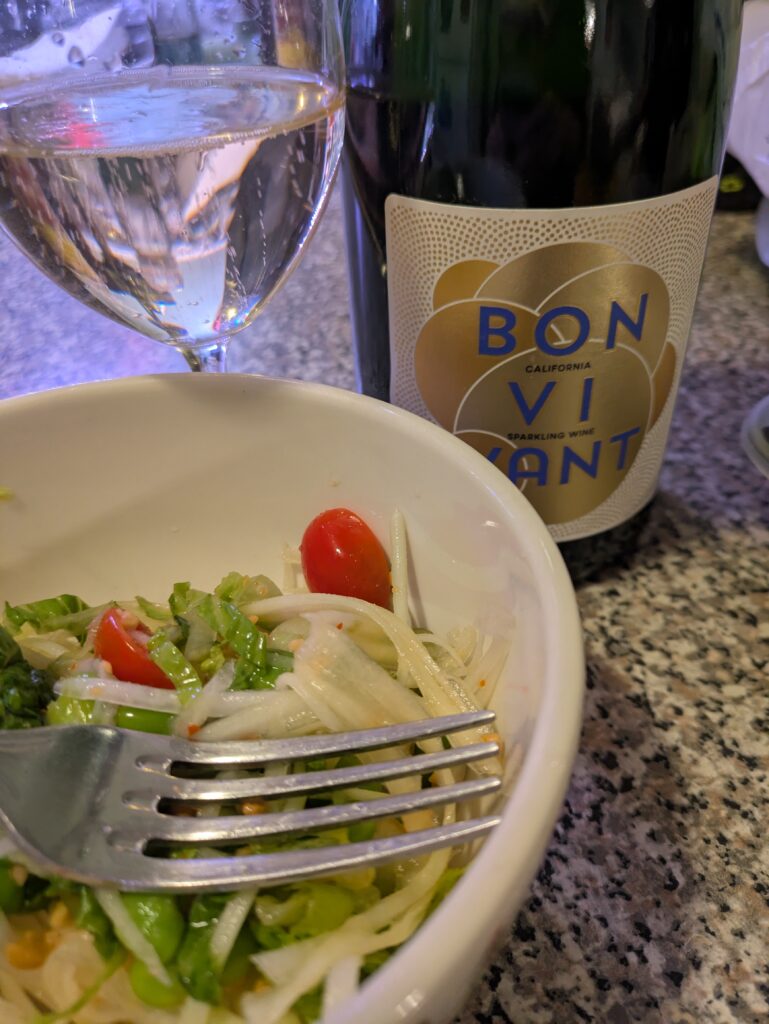
Bon Vivant Sparkling NV, California, USA, $20.00
Not wanting him to feel left out, I opened up the rose’s Brut sparkler equivalent the following week for our date night in the sublet with Thai takeout. Both this wine and the rose were really wonderful examples of Traditional Method sparkling wines available at a reasonable price point. The Brut had an elegant mousse, with aromas of toast, green apple, citrus and long length.
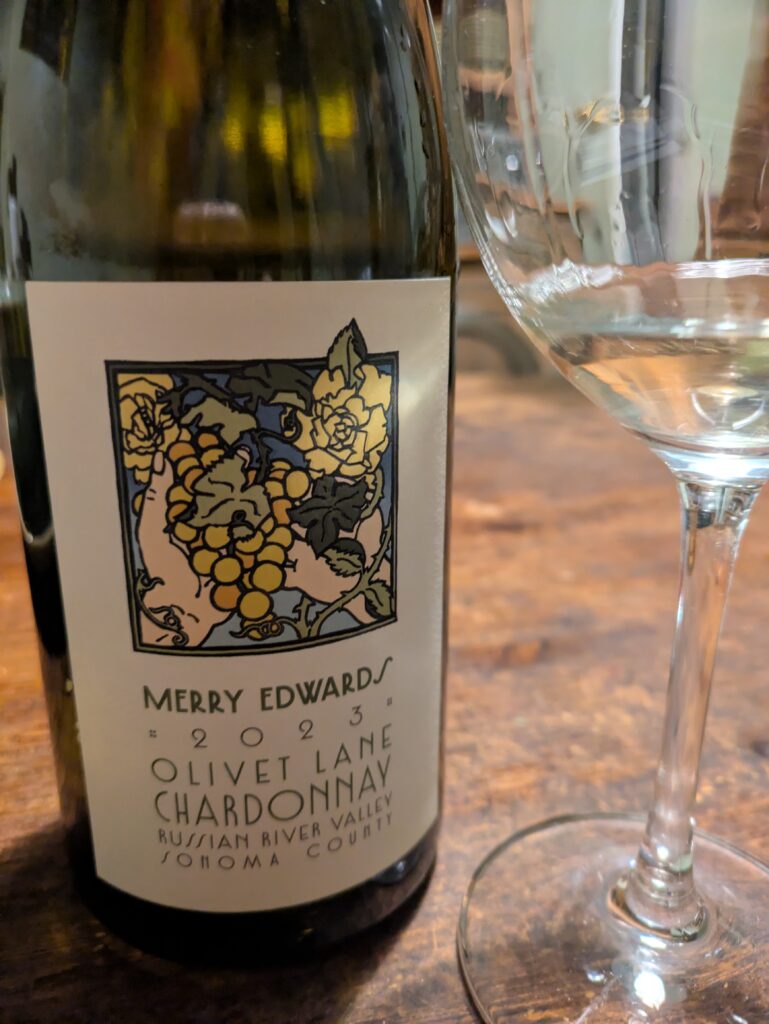
Merry Edwards Olivet Lane Chardonnay 2023, Russian River Valley (CA), USA, $70.00
By now it was mid-November and Thanksgiving was around the corner. As it had been awhile since I had seen my friend Ron, we made our usual plans to meet up at his place over a bottle or two. I knew he would appreciate this single vineyard Chard, with its complex aromas of lemon, citrus, vanilla and toffee. The excellent, full bodied white had bright acidity and very long length; it did not disappoint.

Scharffenberger Cellars Blanc de Noirs 2019, Mendocino County (CA), USA, $40.00
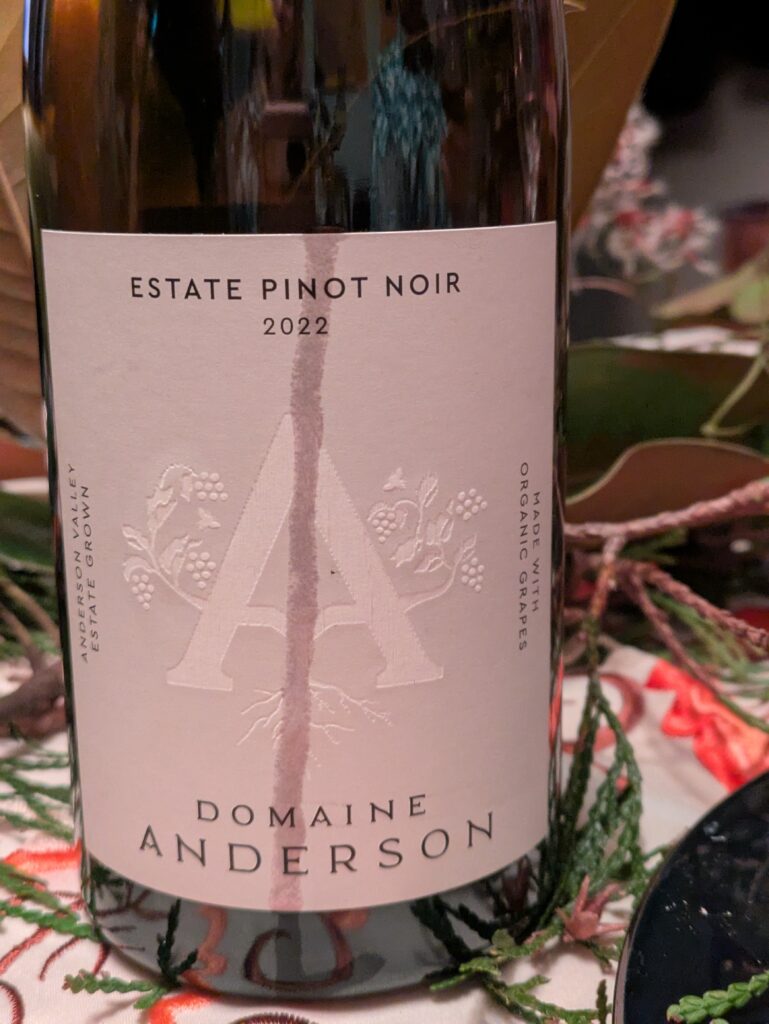
Domaine Anderson Estate Pinot Noir 2022, Anderson Valley (CA), USA, $55.00
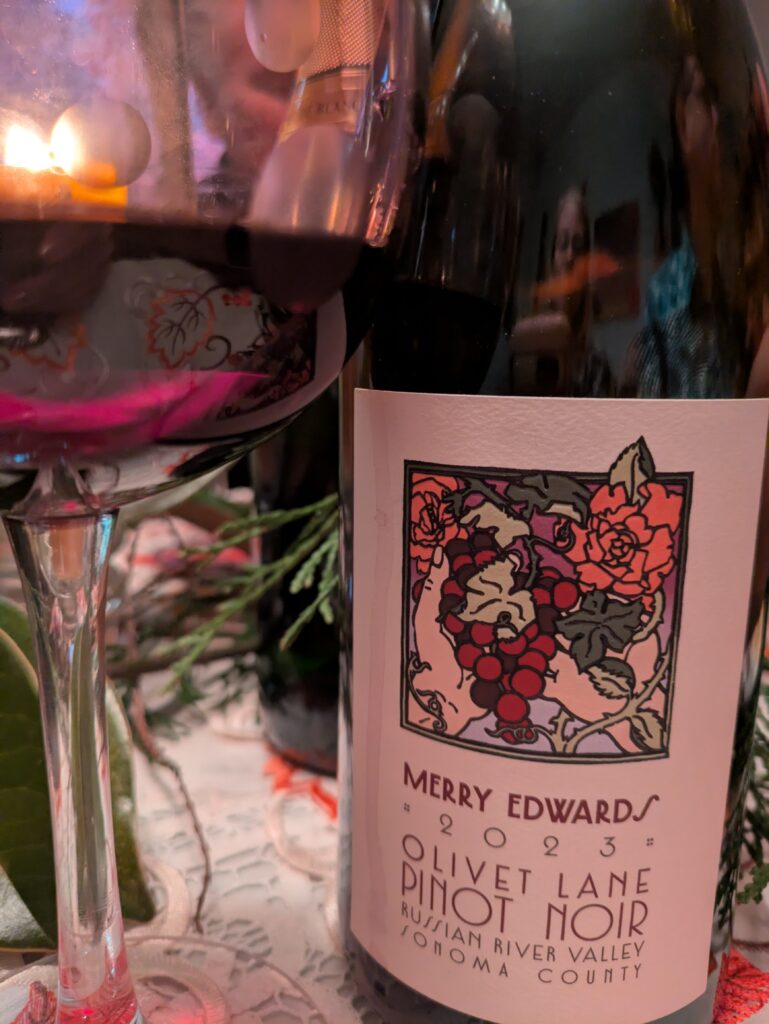
Merry Edwards Olivet Lane Pinot Noir 2023, Russian River Valley (CA), USA, $77.00
For the past five years, we had hosted Friendsgiving in our apartment, which was an important and meaningful celebration for us. But, being in temporary housing meant that such a gathering was impossible. Gratefully, our dear friends who had been welcome guests at our Friendsgiving table took up the mantle to host and invited us to join them and others. We arrived ready to relish a sumptuous meal, surrounded by chosen family and fabulous food, with a Trader Joe’s pumpkin pie and three bottles of wine. We kicked off the festivities with the Scharffenberger Blanc de Noirs 2019, with its notes of toast and lemon, joined by a hint of almond in the finish. As the meal progressed, we opened up two Pinot Noirs, which are a great accompaniment at the Thanksgiving table, as I have shared previously. The Domaine Anderson Estate Pinot Noir 2022 provided an array of dried herbs, spice, berries and fresh red fruits, along with good acidity, medium body and long length. In contrast, the Merry Edwards Olivet Lane Pinot Noir 2023 was less fruit forward and much moodier with smoke, fresh herbal notes, and wet leaves,, but was still bright on the palate with medium-plus body and very long length.
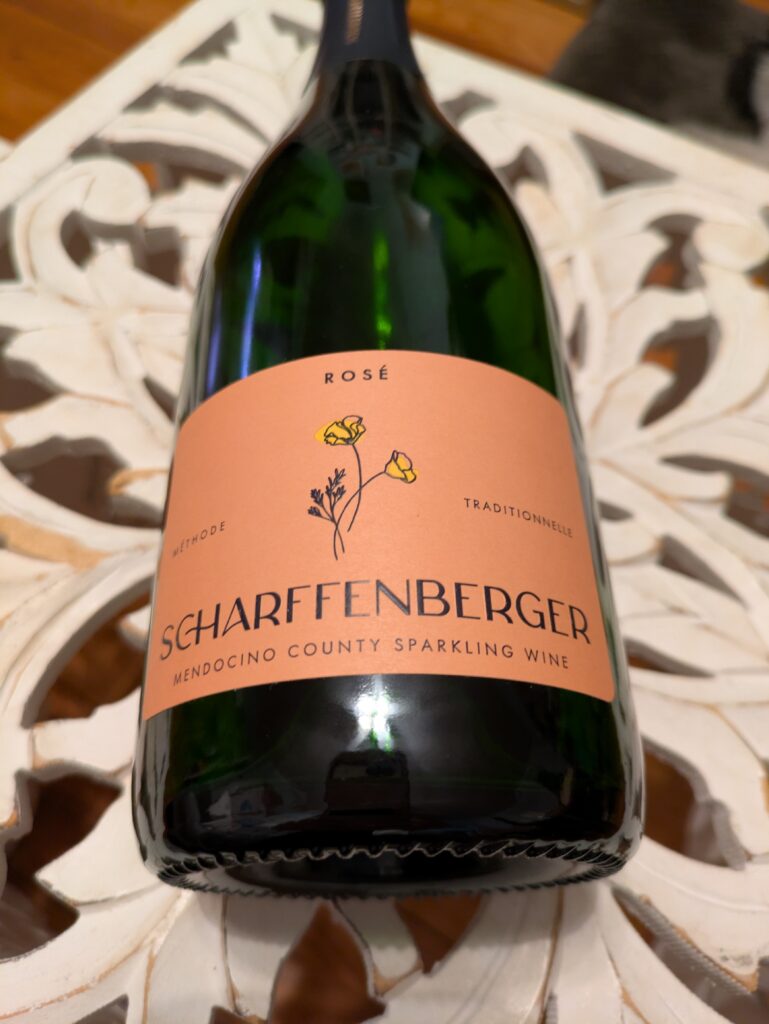
Scharffenberger Sparkling Rosé NV, Mendocino County (CA), USA, $30.00
On the heels of this holiday high, we were grateful to receive good news – our interview with the board at our new apartment co-op had been scheduled for early December. This boded well since it is rare that you are invited to interview if you won’t be accepted soon after. Fingers crossed, we went into the interview cautiously optimistic. Our hard work in putting together our board package was richly rewarded with the announcement that we had, indeed, been accepted. For certain, this called for a bubbly celebration and the Scharffenberger Sparkling Rosé was a perfect option. We slowly savored the mix of red cherries and yeasty notes; admired the palate’s lovely mousse, good acidity and long length; and exhaled a big sigh of relief.  We finally had a new home!
Roederer Estate Sparkling Brut MV, Anderson Valley (CA), USA, $32.00
Roederer Estate Sparkling Rose MV, Anderson Valley (CA), USA, $39.00
We had the good fortune to be able to move into our apartment in time for the December holidays and, consequently, kept the celebration going. Christmas Day found us at home, happy to be able to continue our Christmas tradition of a Jewish Christmas (Chinese food and movies) in our new place. We merrily toasted the season with Roederer Estate’s Sparkling Rose, which offered up fresh notes of strawberry, apple peel and yeast, along with bright acidity and long length. The Sparkling Brut was wonderful a few days later as we unpacked our lives and got ready for the new year.


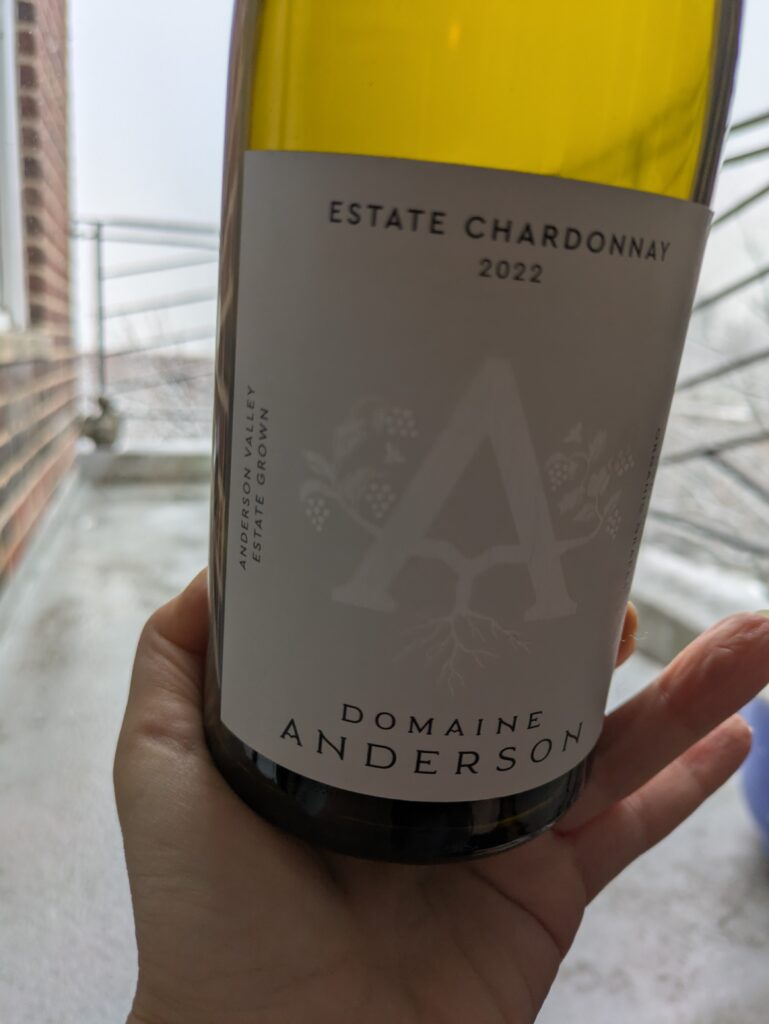
Domaine Anderson Estate Chardonnay 2022, Anderson Valley (CA), USA, $40.00
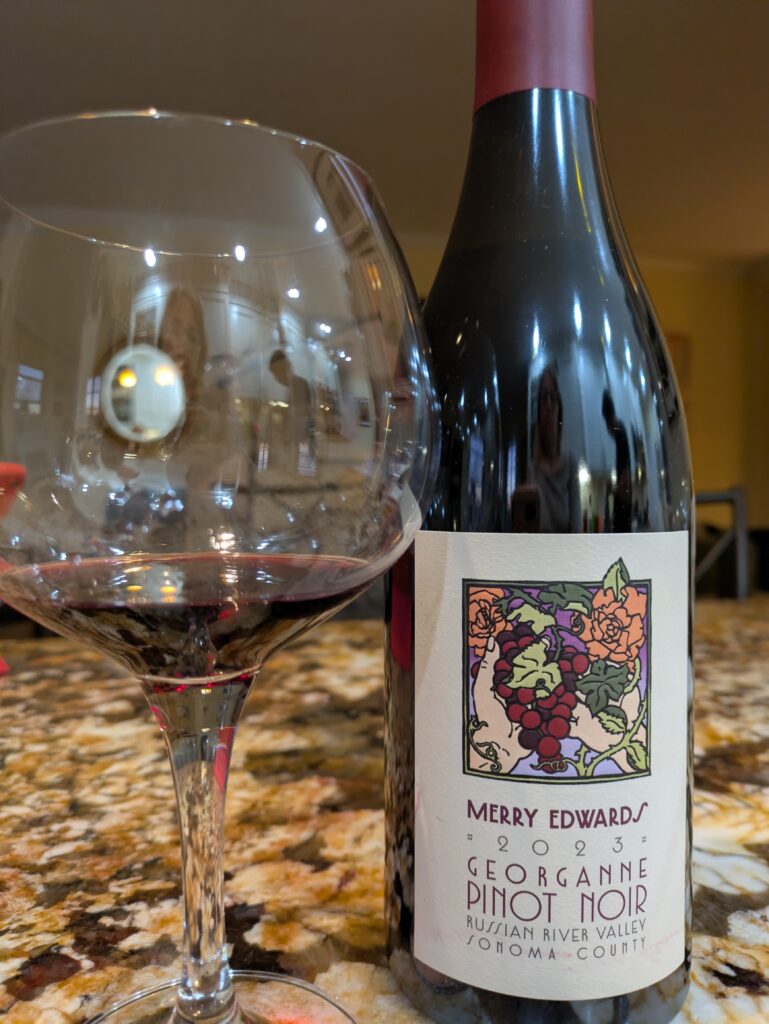
Merry Edwards Georgeanne Pinot Noir 2023, Russian River Valley (CA), USA, $72.00
For the MLK Holiday weekend, we hunkered down with the snow and settled into our annual connection weekend tradition. Among our activities, we enjoyed some nice dinners together and opened up two wines over the course of the weekend. The Chardonnay displayed a balanced use of oak, with citrus and tropical fruit, medium-plus body and medium acidity. We especially loved the Georganne Pinot Noir 2023, with its range of aromas and flavors from wet leaves and coffee to cherries and cocoa, along with bright acidity, medium body and long length.
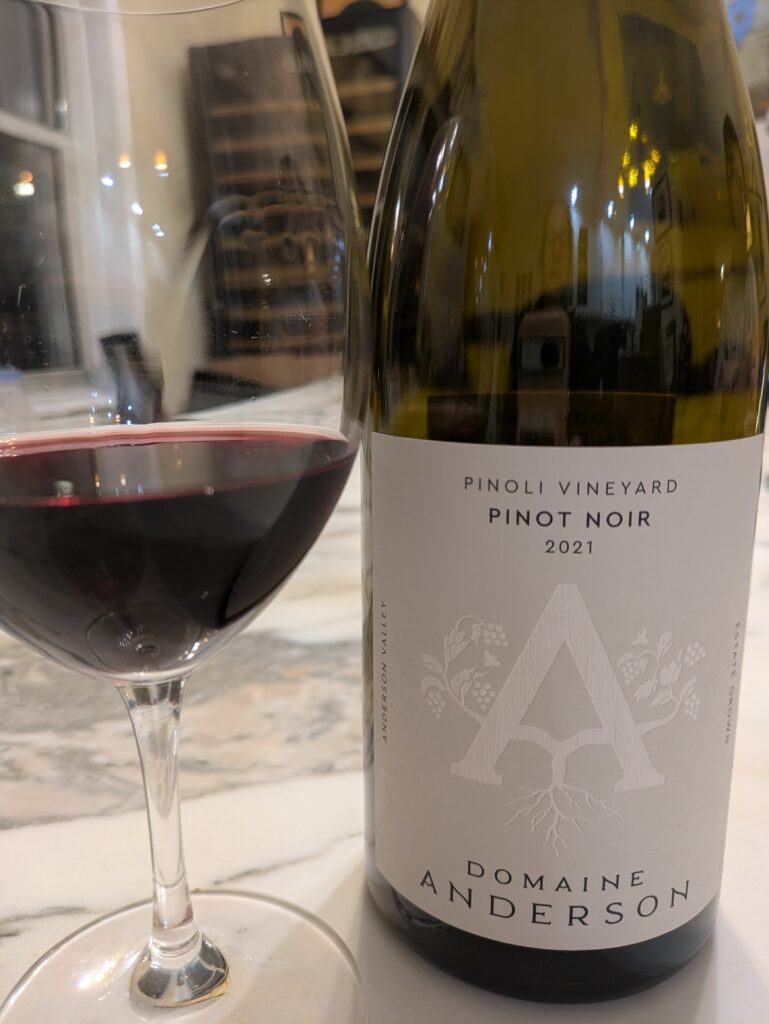
Domaine Anderson Pinoli Vineyard Pinot Noir 2021, Anderson Valley, (CA), USA, $70.00
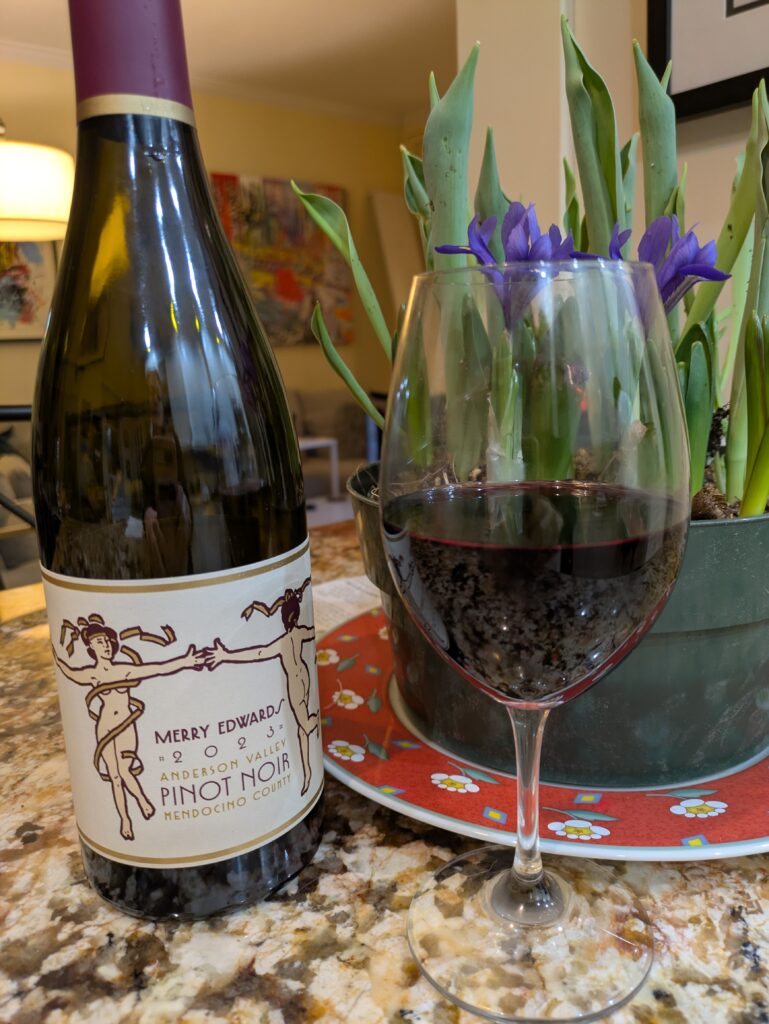
Merry Edwards Anderson Valley Pinot Noir 2023, Anderson Valley, (CA), USA, $55.00
At this point in our tenure, we were ready to welcome guests to our home, which we had christened, MaisonOtto. First to visit were Hillarie and Tom, from our previous building, as well as my friend Helene. They all had the good fortune to enjoy Domaine Anderson Pinoli Vineyard Pinot Noir 2021 with its depth of bright red fruit, blueberry, and spices. The palate provided good acidity, medium body and very long length. A week or so later, Keith and Linda stopped by before we headed out to dinner at the new Mediterranean restaurant, Sawa, around the corner. We opened up the Merry Edwards Anderson Valley Pinot Noir 2023, which displayed aromas of cocoa, blueberry and blackberry, slight herbs and earth, which gave way to bright acidity, medium body and long length.
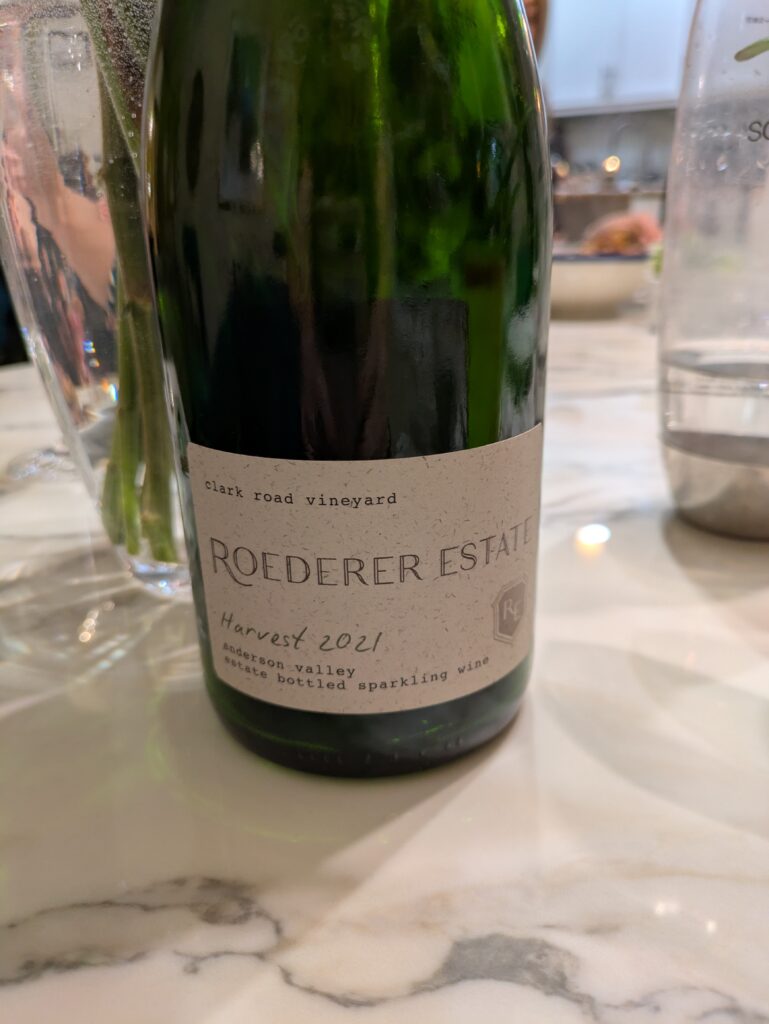
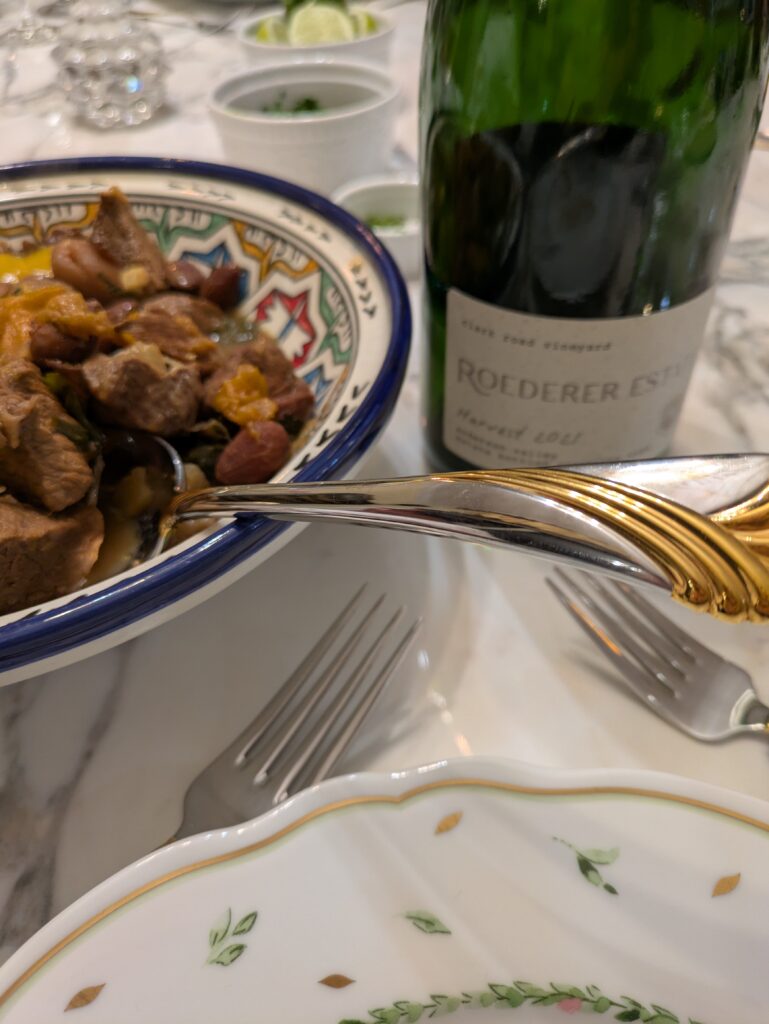
Roederer Estate Clark Road Vineyard 2021, Anderson Valley (CA), USA, $55.00
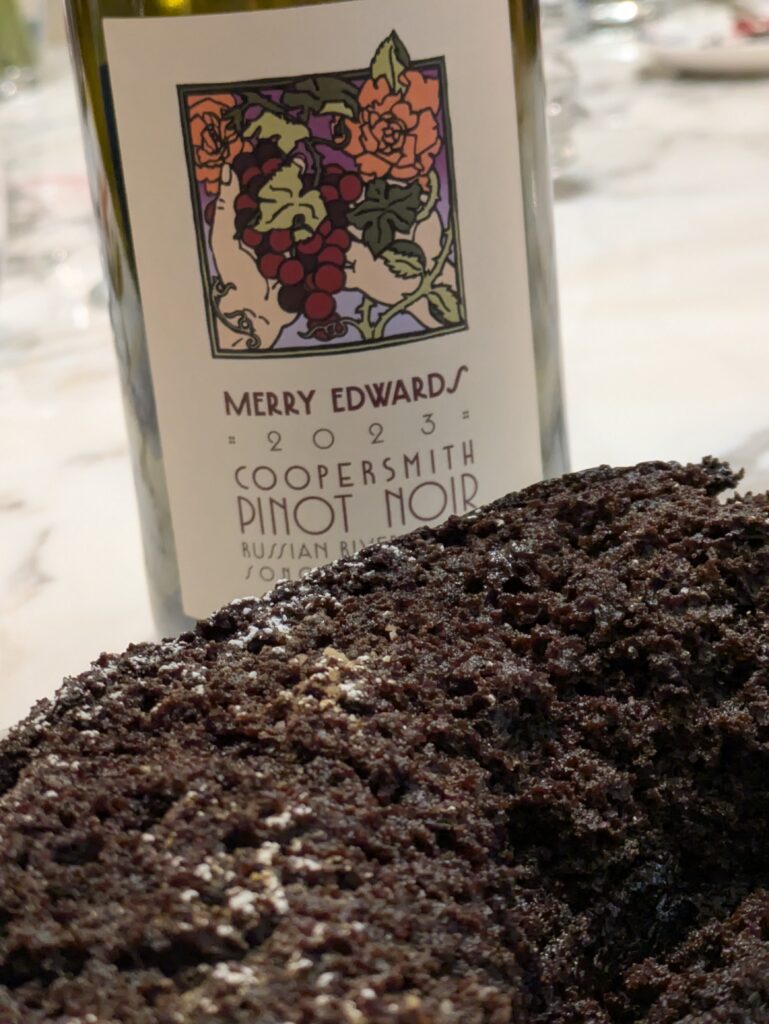
Merry Edwards Coopersmith Pinot Noir 2023, Russian River Valley (CA), USA, $75.00

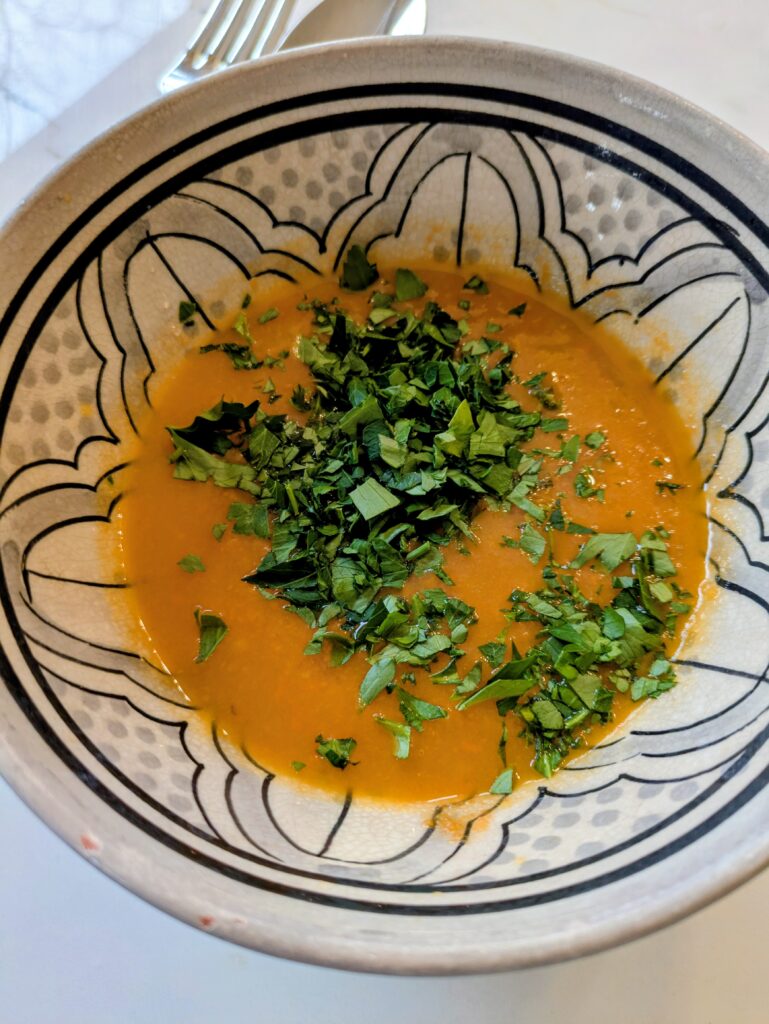
Finally, by mid-February, we were mostly settled and were ready to host our first dinner party, which took the form of a February Baby Birthday Dinner – celebrating two of my best friends whose birthdays are in February. The menu included Carrot and Ginger Soup, Beef Tagine with Apricots and Prunes and a Gluten-Free Chocolate Gingerbread Cake. Admittedly, I was too busy hosting to take good tasting notes, but both wines were truly well received and added greatly to the celebratory nature of the birthday dinner. It had been an arduous journey, but we had definitely arrived on the other side. Home Sweet Home!
Loire Valley Wine for the Win

With Thanksgiving around the corner, one need not look any further than the Loire Valley for wonderful wines to grace their table. Here, in the land of castles and Kings, French royalty would spend their summers in the countryside away from the hustle and bustle of Parisian city life.

Spanning 629 miles and stretching from the Atlantic Ocean to the center of France before heading south, the Loire River is the longest wild river in France. Given this vast distance covered, a diversity of climates, grapes and wines exist, making the river among the only threads that tie this large wine region together. Rather, while lumped into one large region, the Loire Valley is actually an amalgam of several smaller wine appellations that offer up a wide range of wines thanks to changing microclimates, soil types and grape varieties. This sheer diversity means that there is something for everyone from bone dry, mineral-driven whites to lusciously sweet dessert wines and everything in between. Additionally, the area is known for its full range of red, white, rose and refreshing sparklers. So, if you can’t find a Loire Valley wine to love… chances are that you don’t actually like wine 😉.

My husband and I visited the Loire Valley back in 1999, as part of a belated honeymoon trip through France. Our knowledge of the area was limited, but we were excited to visit the grand chateaux that now function as museums. However, upon arriving in the region, we quickly discovered that it was not only home to stunning scenery, exquisite castles and fabulous gastronomy, but it was also home to a plethora of wine.

To wit, we had barely entered the area when we were enticed to stop at Domaine Ackerman where we did a tasting of their Crémant de Loire sparkling wines. These Traditional Method sparklers spend a minimum of nine months aging on the lees and deliver great quality and value. It was a lovely introduction to the region and a welcome respite after our long drive.

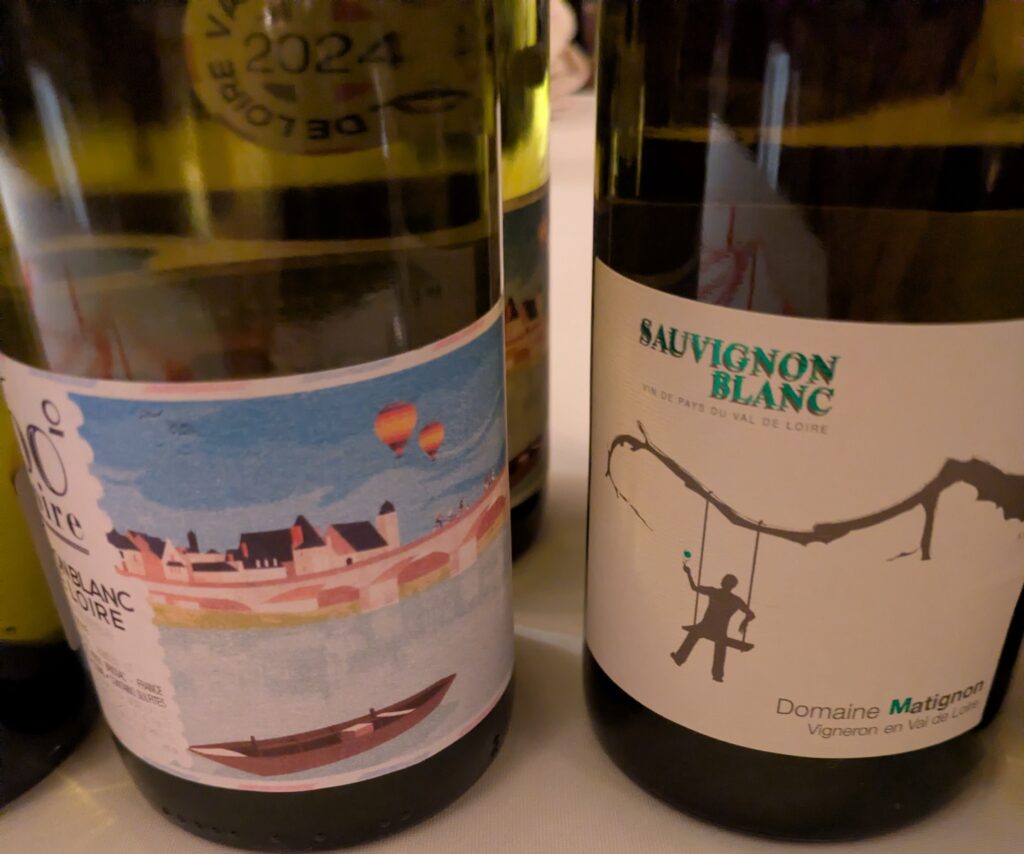
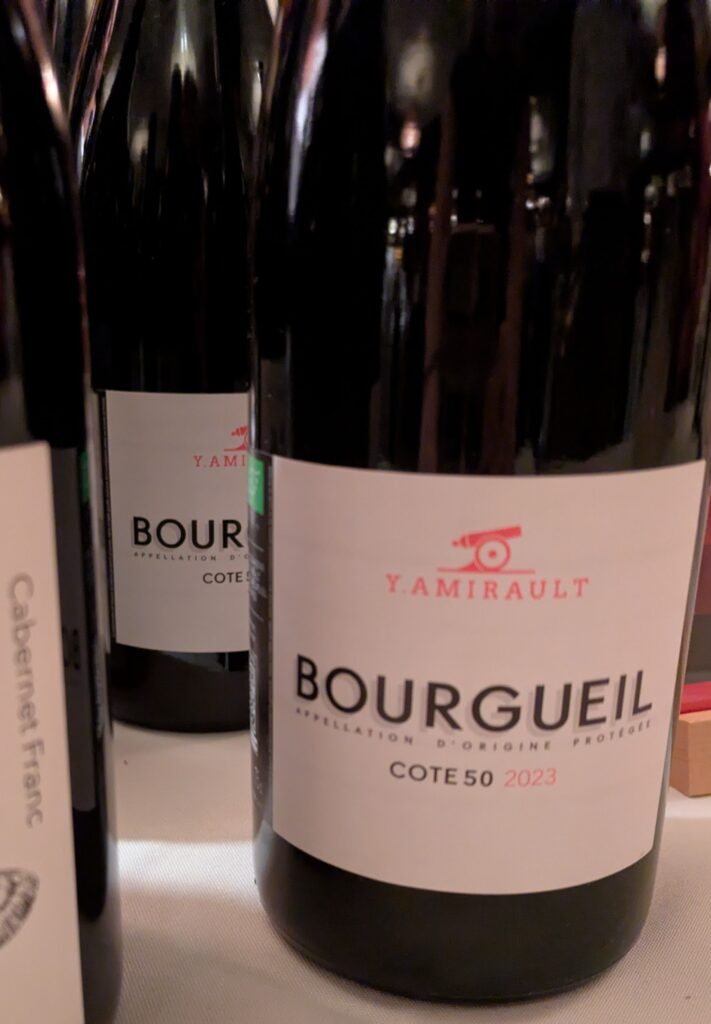
Today, 85% of Loire Valley vineyards are farmed in adherence with one or more environmental approaches, signifying the region’s dedication to sustainable practices. The most prevalent varieties include Cabernet Franc (most notably the Bourgueil and Chinon appellations), Chenin Blanc (grown in the areas of Anjou, Saumur and Vouvray) and Melon (wines labeled as Muscadet, hailing from the Atlantic coast). Another key grape is Sauvignon Blanc, which is primarily planted in the continental climate of the Central Vineyards (with wines labeled — and perhaps more recognizable to consumers as — Sancerre, Pouilly Fume, and Menetou-Salon).

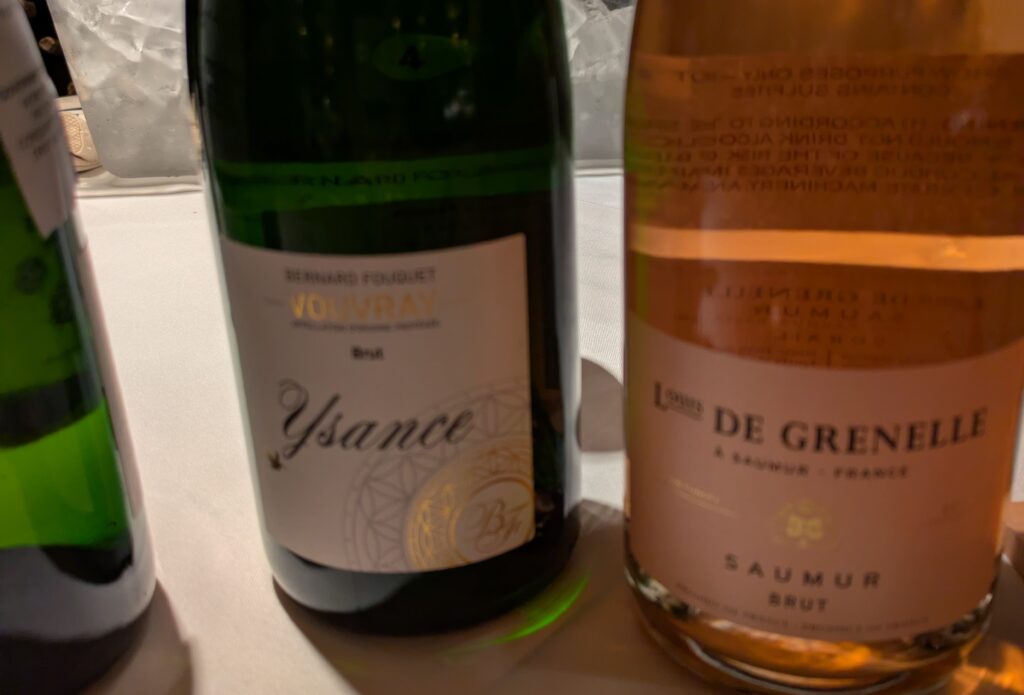
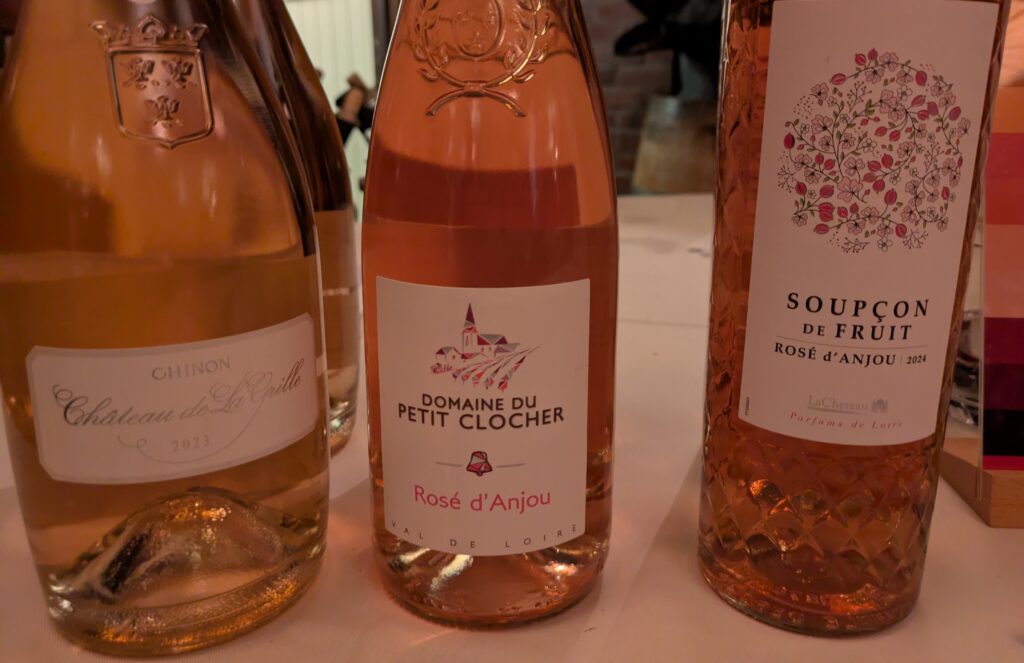
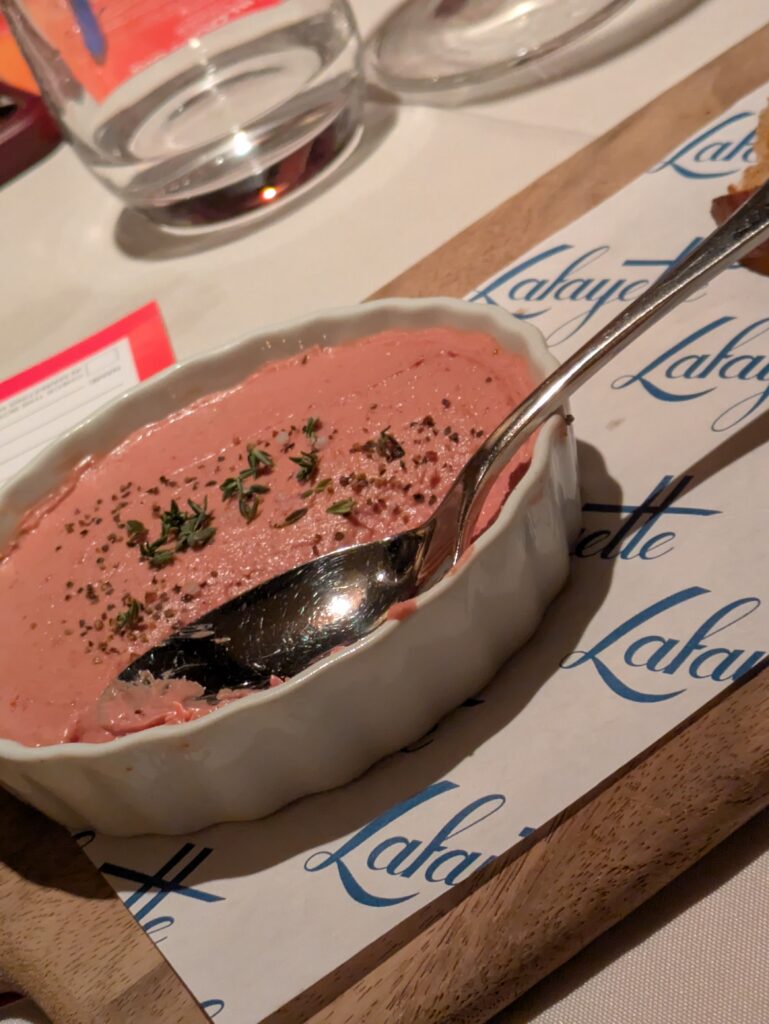
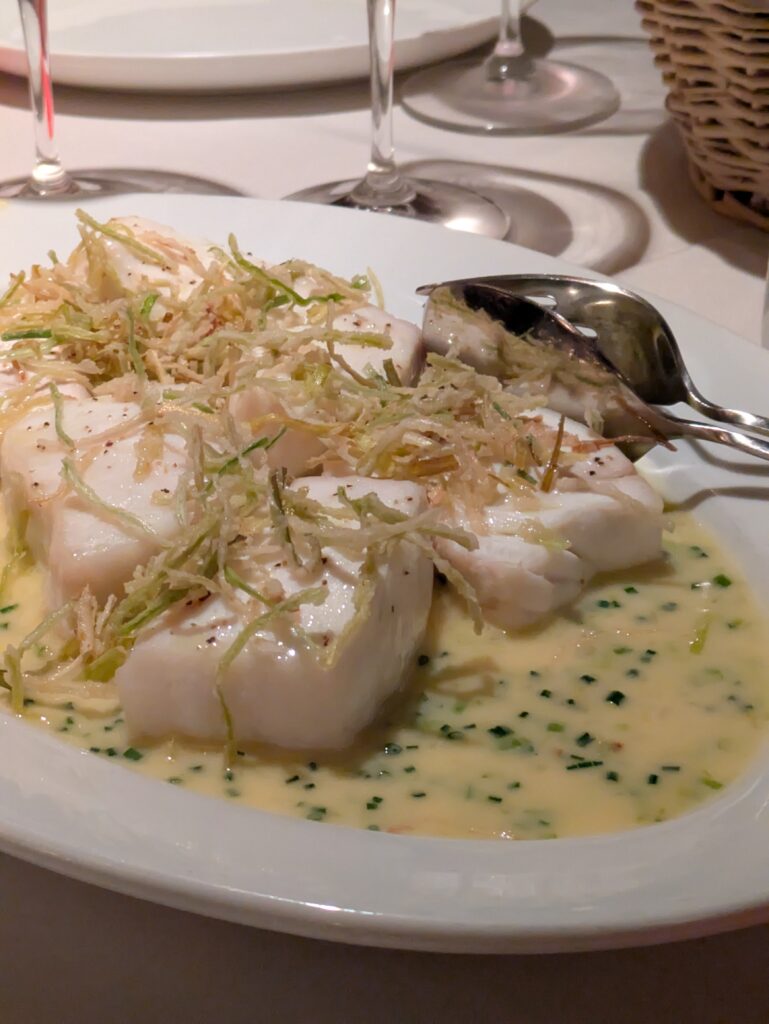
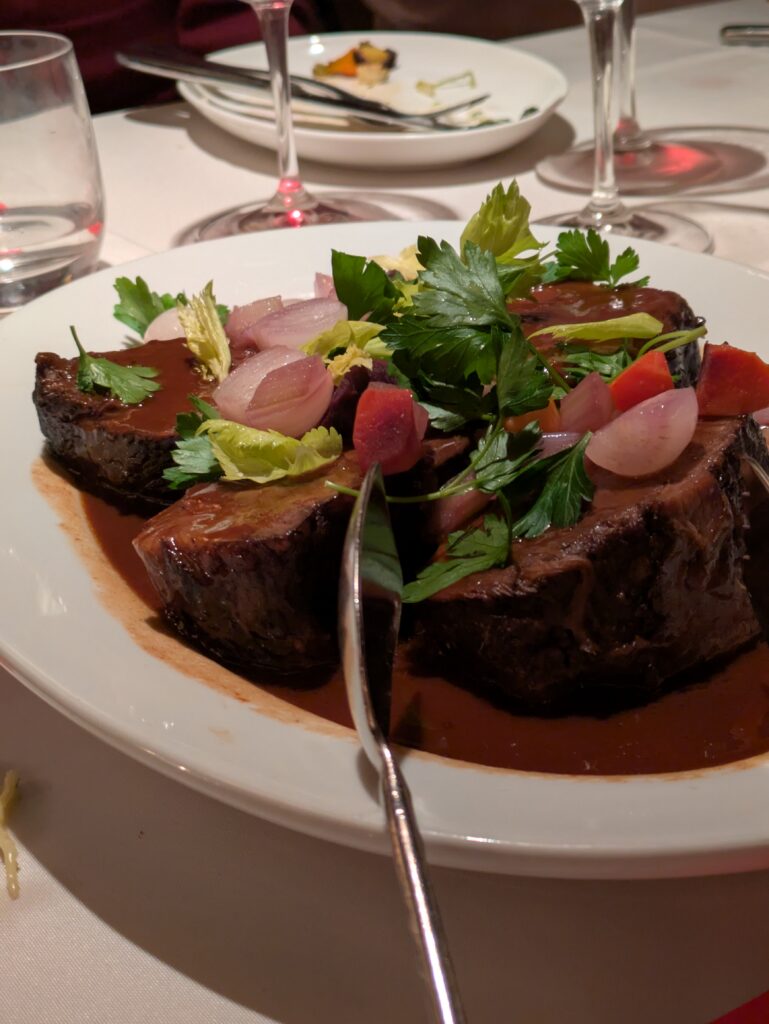
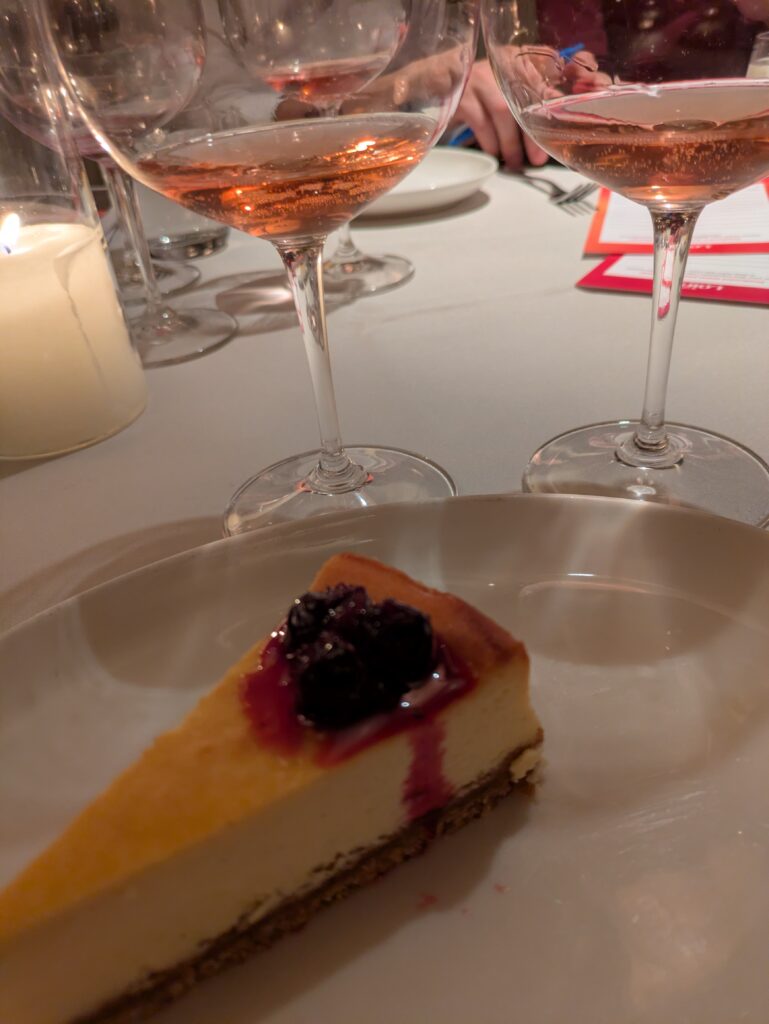
At a recent walk-around tasting and dinner at Lafayette, I had the opportunity to taste through a vast selection of Loire Valley wines, presented by category. While I didn’t try every single wine on offer (nor did I attempt to do so), I did a pretty good job, sipping (and spitting) 37 of the 50 wines. After the tasting portion of the evening, we were treated to a sumptuous, multi-course meal, paired with additional Loire Valley wines.

A few of my favorite wines from the evening are listed below, but I highly encourage you to simply seek out Loire Valley wines on restaurant wine lists and at your local bottle shop. Not only do they offer great diversity, they are generally well priced and very food friendly, making them a fantastic option for your holiday celebrations.


Sparkling
Domaine du Changeon Les Fabuleuses 2023, Crémant de Loire, France

This 100% Cabernet Franc rose sparkler offers up notes of yeast, and floral. It was slightly fuller bodied, with a heftier palate than some of the others I tasted, with a nice richness and weight, culminating in very long length.

Maison Ackerman Crémant de Loire Rosé Brut Bulle Royale, Crémant de Loire, France
Having visited this winery decades ago, it was a pleasure to become reacquainted with their wines. Another rose sparkling wine, this one brings together 60% Cabernet Franc, 30% Pinot Noir and 10% Grolleau. It displayed elegance and finesse with a fine bead on the palate, along with slight cherry and yeast aromas and flavors.

Sauvignon Blanc & Other Whites
Domaine Pre Baron Sauvignon Blanc 2024, Touraine AOC, France
A more restrained style of Sauvignon Blanc than many of those produced in New Zealand, this wine provided citrus and mineral notes, along with medium body and good length.

Vignoble Gilbert Chon, Perle Bleue – Folle Blanche 2023 Gros Plant due Pays Nantais, France
While Folle Blanche is not a well known grape, most relegated to the production of Cognac and Armagnac, this wine was a shining example of how a less lauded variety is capable of producing a simple, yet very satisfying wine. Citrus notes, crisp acidity, and good length.

Melon Blanc
Domaine Julien Braud Les Vignes du Bourg 2023, Muscadet Sèvre et Maine AOC, France
Aged for six months on the lees in glass-lined vats, this wine shows bright acidity, yeasty aromas, joined by citrus-lime flavors on the palate, with long length.

Vignoble Gilbert Chon Muscat Chateau de la Jousseliniere 2023, Muscadet Sèvre et Maine AOC, France
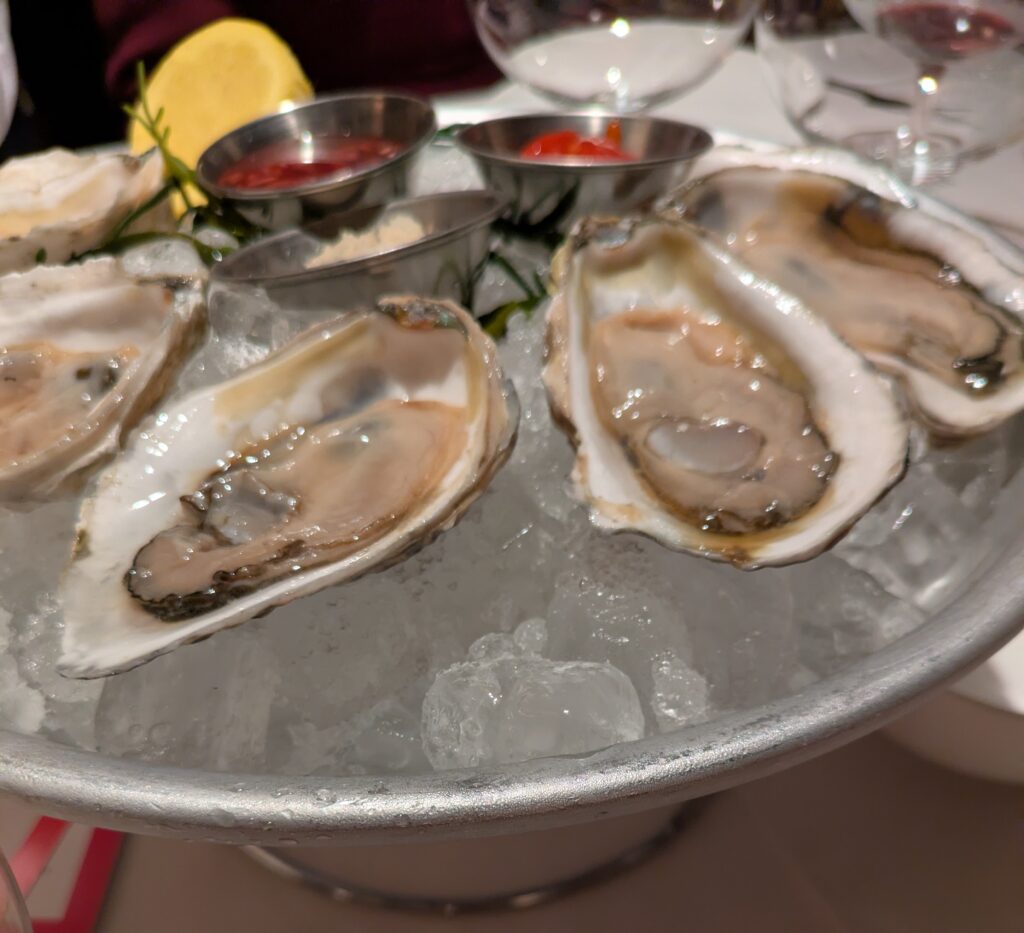
Having spent more than 8 months aging on the lees, this wine displays more pronounced yeast notes, along with minerality and very long length. It is the quintessential pairing partner to oysters.

Chenin Blanc
Alliance Loire Vouvray Sec Les Lys 2021, Vouvray, France
This wine offers up a complex mix of minerality and tree fruit, with a rich palate and really lovely mouthfeel, culminating with long length.

Domaine de la Chataigneraie Vouvray de Gautier 2023, Vouvray AOC, France
Similarly rich and complex, this wine provides very ripe tropical fruit, but is balanced with vibrant acidity.

Roses & Reds
Lacheteau Soupcon de Fruit Rose d’Anjou 2024, Rosé d´Anjou AOC, France

A blend of 60% Cabernet Franc, 20% Grolleau, and 20% Gamay, this off-dry rose shows ripe, red berries, but remains fresh and balanced with good acidity and nice length.

Domaine Oudart Apicula 2023, Touraine AOC, France
Produced from 100% Gamay — a grape more associated with Beaujolais than the Loire — this is a fresh and fragrant quaffable red, with ripe fruit, and candied bacon.

Cabernet Franc
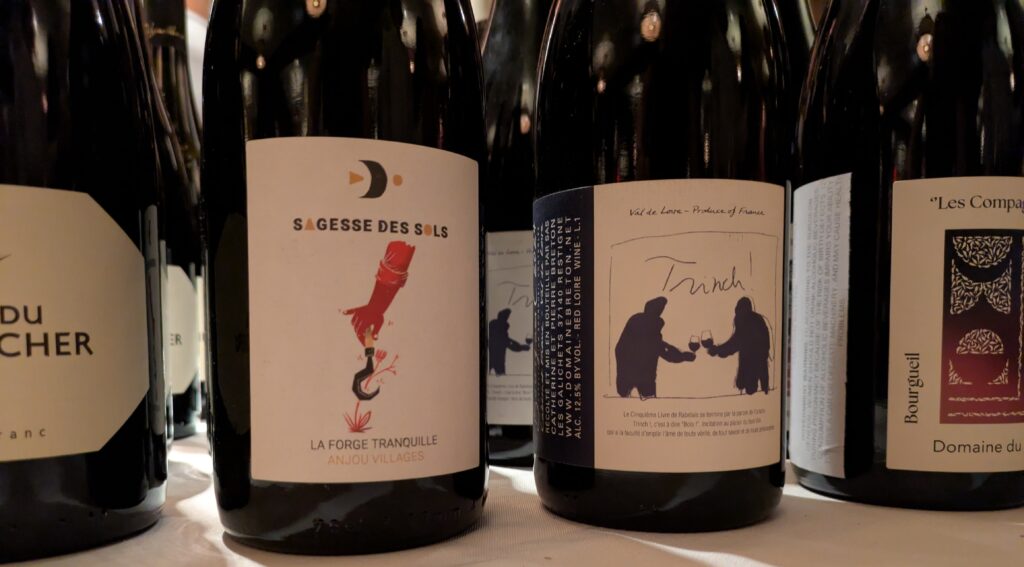
Catherine et Pierre Breton Trinch! 2023, Bourgueil AOC, France
Layered notes of dried herbs, spice, and black cherry, with crunchy acidity, medium+ body, integrated tannins and long length.

Amirault -Clos des Quarterons ls Quarterons2023, Saint-Nicolas-de-Bourgueil AOC, France
Biodynamically produced by members of the 6th generation, this is really lovely, with soft tannins, lots of minerality, fresh red fruit, an herbal undercurrent and long length.

Domaine Pierre et Bertrand Couly La Haute Olive 2018, Chinon AOC, France
Enjoyed with dinner, this wine was a beautiful pairing with the Short Rib Bourguignon and showed off that these wines have aging potential.

Back with Bousquet, my reunion with Anne and her wines

It was an absolute pleasure to reacquaint myself with Anne Bousquet and Domaine Bousquet‘s wines. When I last saw Anne, it was March 10, 2020 (see story). Little did we know it, but the world was about to fall apart. Thankfully, both Anne and I survived the pandemic and I have had the opportunity to taste her wines since then (Anne and her chief agronomist presented an informative webinar in 2021).

But, as it had been such a lengthy period since our last visit, I was excited at the prospect of seeing her in person to catch up at a press dinner in late October of this year.

During the intervening years, Anne has certainly not been idle. Domaine Bousquet has been continuing its efforts not only in producing high quality wines, but also in focusing on organic practices in the vineyard. Further, the winery in Argentina’s Uco Valley has significantly expanded its hospitality. More specifically, they established an on-site bistro, hotel and robust tasting room to welcome guests. As part of the Gaia experience, the trio ensure that they have a wonderful experience at the property.

Additionally, they have been at the forefront of the elevation of gastronomy in the region. To this end, the Michelin folks recently came to the region for the very first time, recognizing that the local restaurants are worthy of rating.

Of note, during pandemic, understandably, there was more local interest whereas previously, the visitors were all tourists. However, it seems that the locals are continuing to visit the winery.

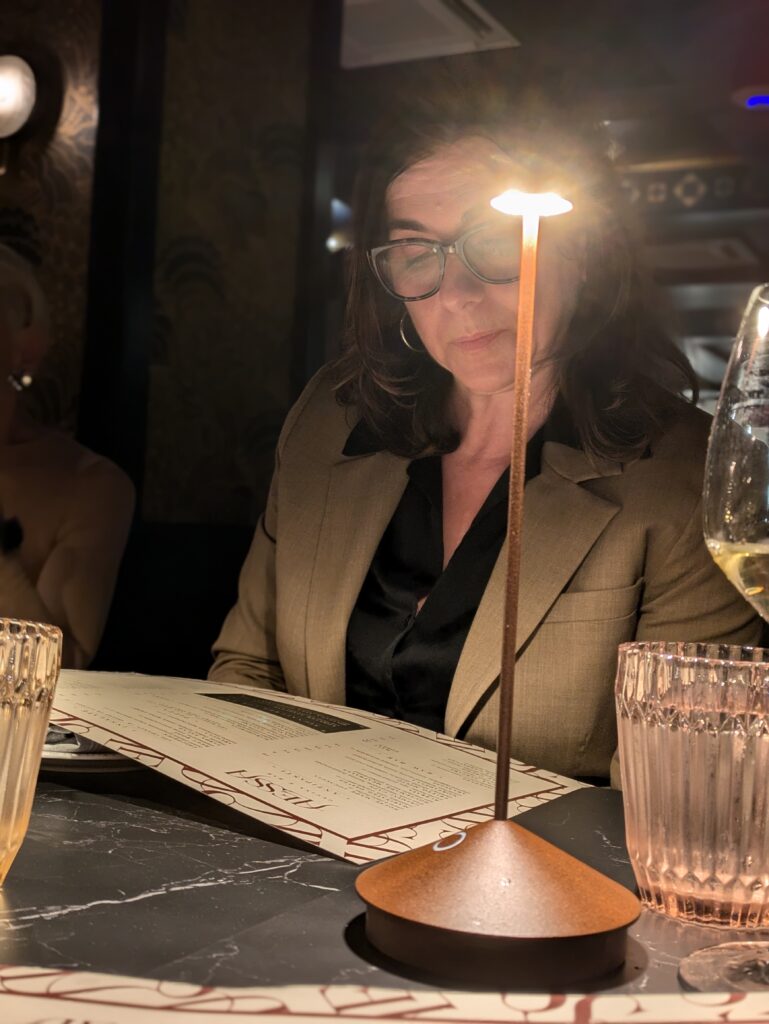
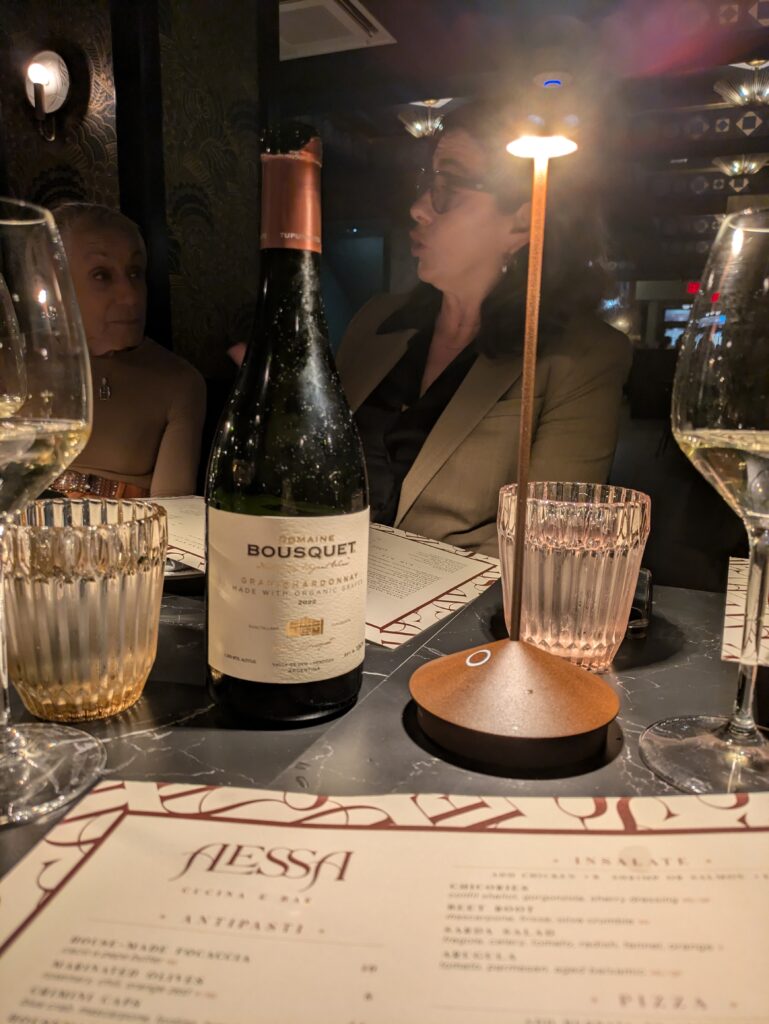
Gathered together again — in person — Anne, the group of wine industry professionals and myself enjoyed a delicious dinner at Cucina Alessa, an Italian restaurant in midtown Manhattan.

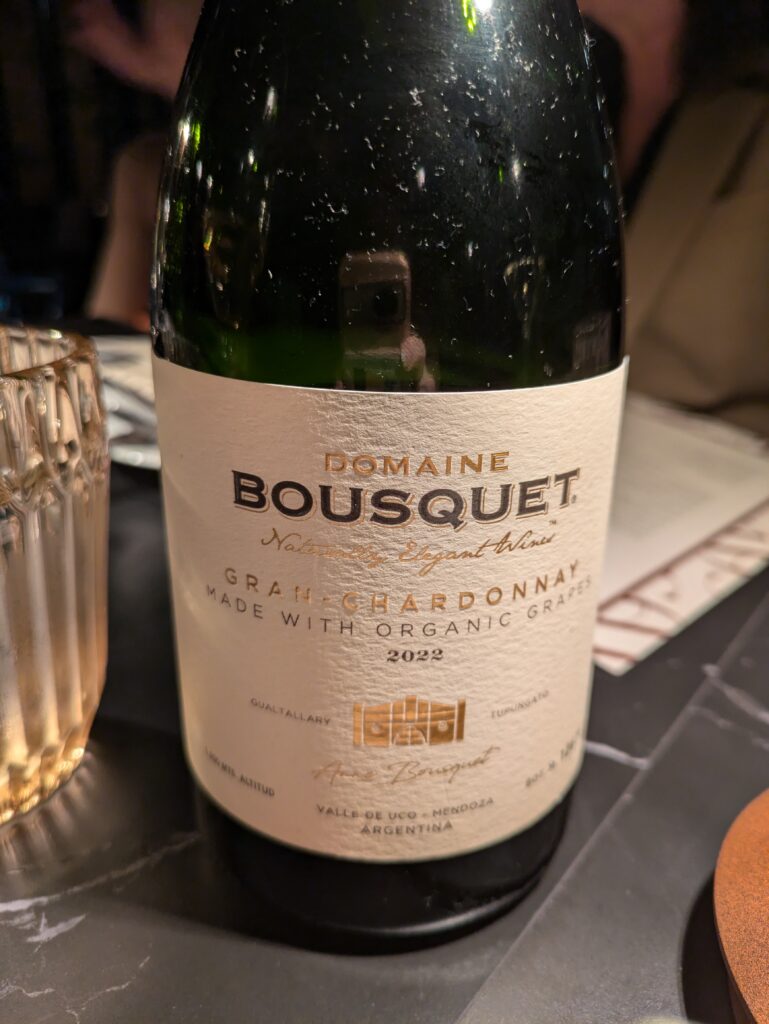
The food was a wonderful foil for the four Bousquet wines we tasted, all of which are well balanced and food friendly. Moreover, the wines continue to be good value and, with Domaine Bousquet’s membership as a B Corp (as I had previously shared), you can feel good about supporting a company that has devoted significant time and effort to organic agriculture and sustainability, among other altruistic endeavors.

Overall, it was a fantastic evening, filled with lively conversations and, of course, great wine!
Domaine Bousquet Chardonnay Gran 2022, Mendoza, Argentina, $25.00
Produced from the very first vines planted in 2000, the vineyard is at a high altitude of 4000 ft., which helps preserve the natural acidity of the grapes. The resulting organic wine spent 12 months in barrel, 75% of which was new oak. On the nose, it is slightly nutty, with apple and vanilla notes. It has medium+ body, medium acidity and long length.

Domaine Bousquet Gaia Rose 2024, Mendoza, Argentina, $20.00
The Gaia line is named for the Greek goddess of the Earth. This rose is produced from 100% Pinot Noir and is very fresh with great acidity. Notes of strawberries and cherries dominate the nose and palate, culminating in long length.

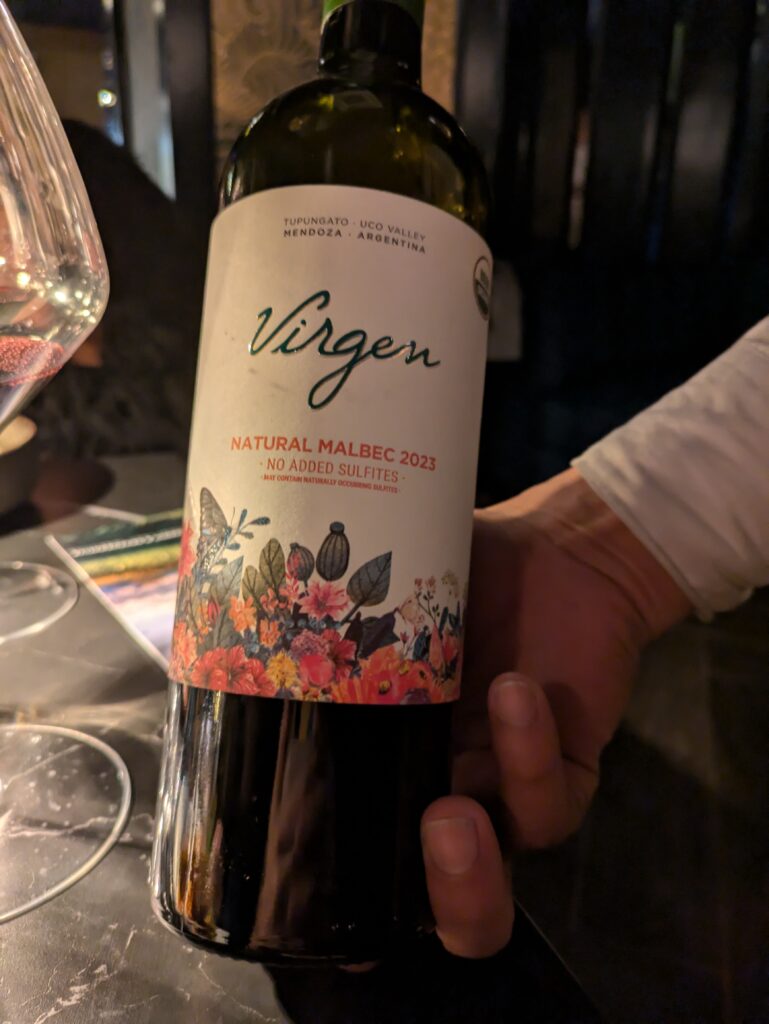
Virgen Vineyards USDA Organic Malbec 2023, Mendoza, Argentina, $13.00
Virgen was Domaine Bousquet’s first line without added sulfites and is USDA-certified, vegan and organic. Admittedly, Anne was initially worried about crafting these wines since the addition of small amount of sulfites provides protection to the wine. However, they have proven to be hearty on their own. Made from Argentina’s signature grape, Malbec, the wine was light and fresh, with berries, medium body, beautiful acidity and good length.

Domaine Bousquet Ameri Red Blend 2021, Mendoza, Argentina, $ 36.00
As Domaine Bousquet’s premium red blend, Ameri is made only in the best vintages, from grapes harvested from a “single cluster,” within a single certified-organic vineyard that stands at 4,125 ft, the highest elevation on the estate. The 2021 is comprised of 60% Malbec, 30% Cabernet Sauvignon, 5% Merlot and 5% Syrah. It offers up an intense nose of black fruit, slight oak and spice, along with a full-bodied palate with medium+ acidity and finishing with very long length.
Spice, black berry
Very long length

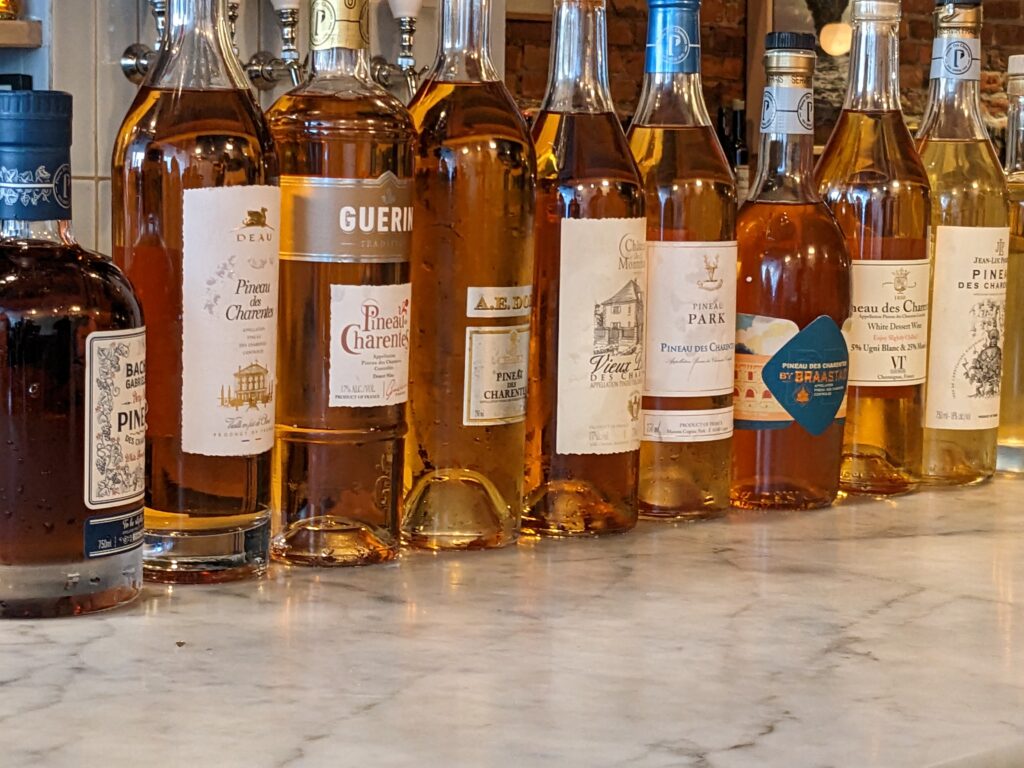
Another Pineau to Know: Pineau des Charentes

Fortified wines aren’t very well known among most consumers, And, no, it has nothing to do with vitamins. Rather, the fortification comes in the form of the addition of a grape-based spirit to raise the alcohol level and consequently halt the fermentation process. As a result, some of the sweetness in the wine remains instead of being fully converted to alcohol as would be the case with a dry wine.

While Port, Sherry and Madeira are more recognizable in this category, Pineau des Charentes is definitely deserving of consideration. It hails from the Charente and Charente-Maritime regions of France, which is where Cognac is made and has had Appellation d’Origine Contrôlée (AOC) status since 1945, which guarantees quality and an adherence to minimum production requirements.

In particular, it must be aged for at least 18 months, 12 of which must be spent in oak. Wines designated as “old” must age for a minimum of seven years, while the “very old” must age for 12 years. Produced from Ugni Blanc, Colombard, Folle Blanche and other local grape varieties, it shares many similarities with Cognac, but are generally sweet wines, with an alcohol level of 17% (compared to 40% proof Cognac).

Not surprisingly, with its freshness and lower alcohol, it is well suited to cocktails. In fact, it is quite versatile and diverse in its expression, yielding a wide range of options. These wines can also be enjoyed on their own and can be a great pairing throughout the meal – not just with dessert – despite their sweetness. Rather, they are quite food friendly, a point made abundantly clear at a recent dinner at l’Accolade in New York City’s West Village neighborhood.

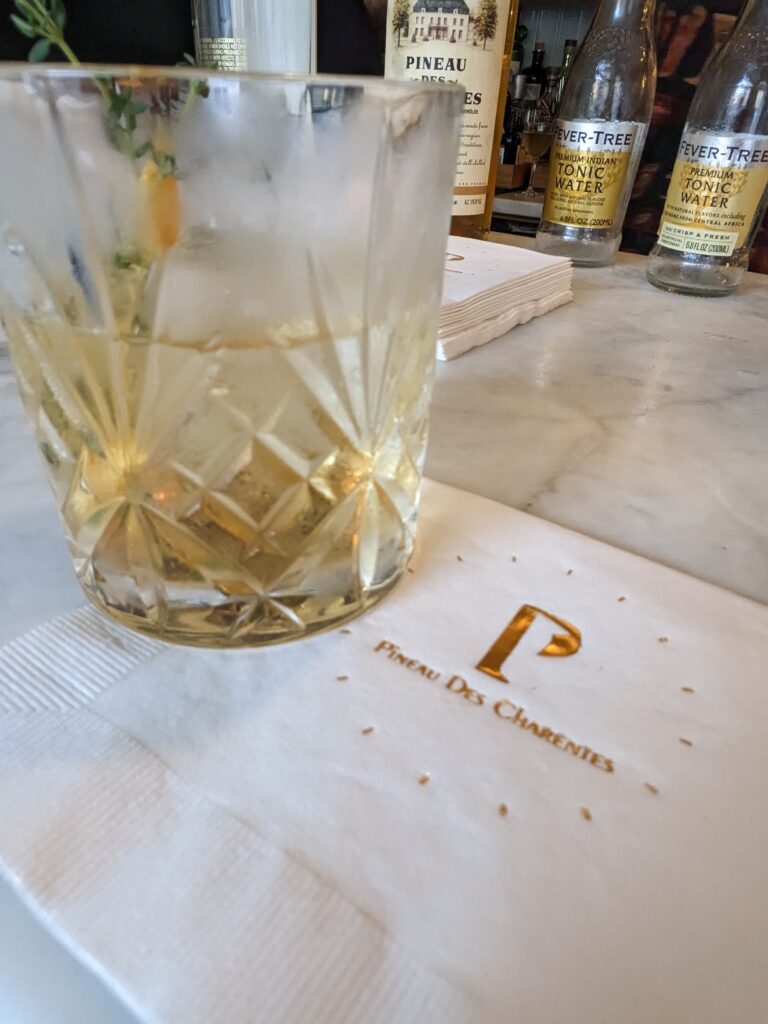
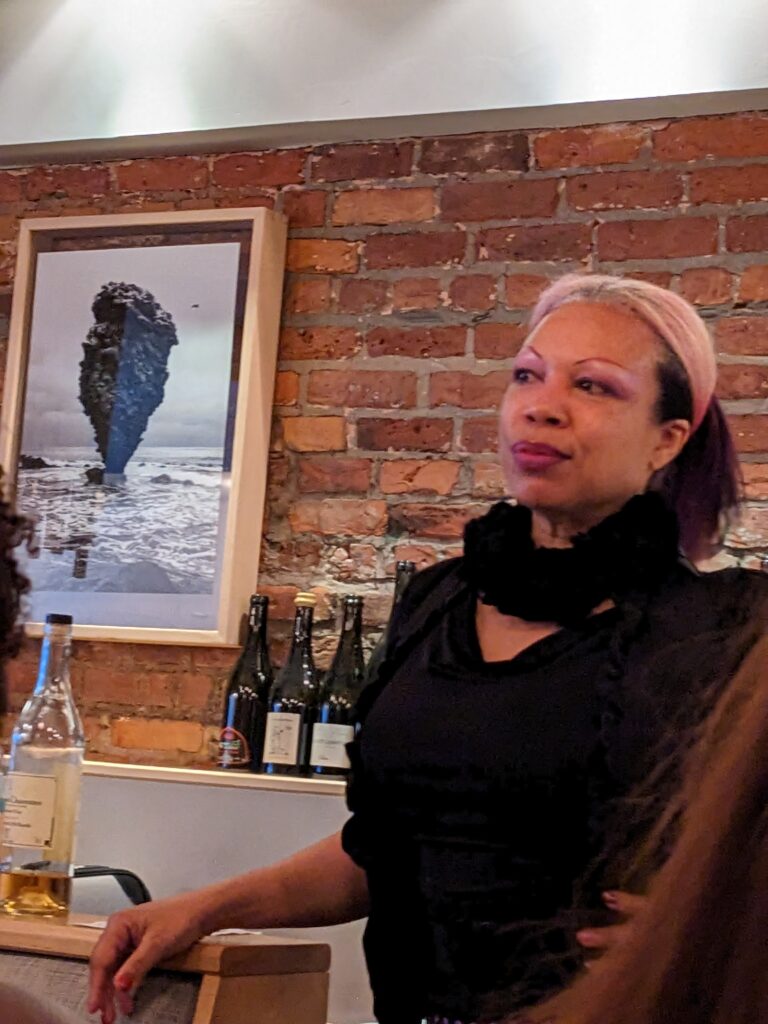
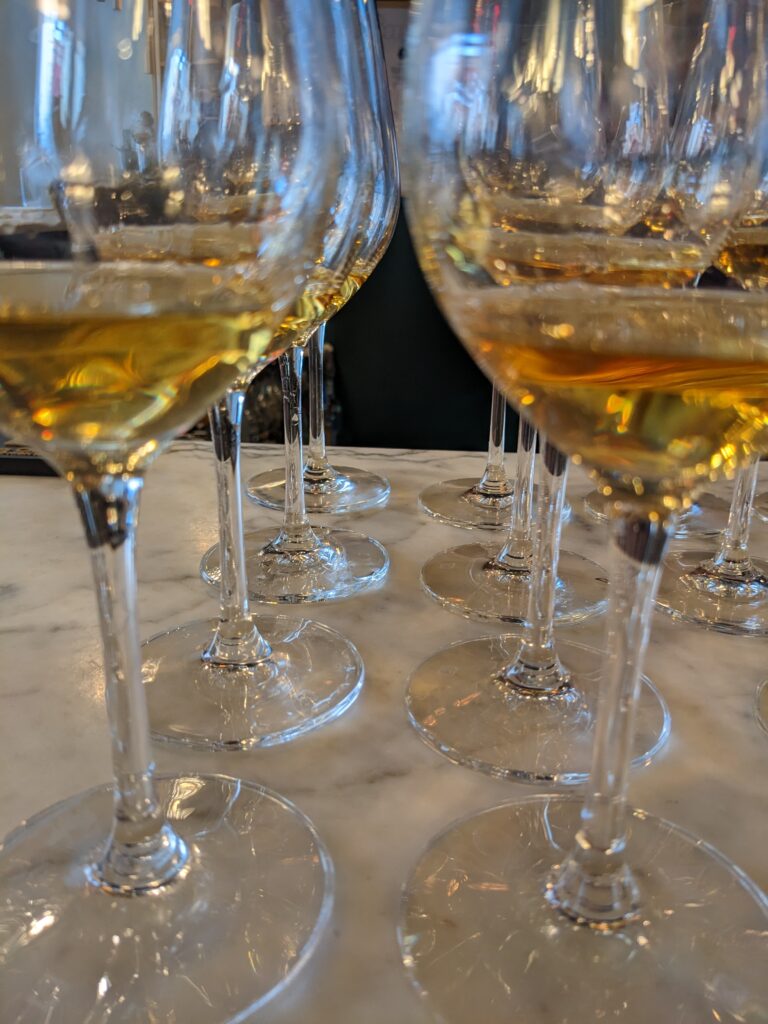
Presided over by Ms. Franky Marshall, who bills herself as a modern bartender, the evening got off to a great start with a Pineau & Tonic with thyme and grapefruit, which beautifully displayed the freshness, balance and aromatics of this wine. Franky has been working with Pineau des Charentes since 2017, and, once we were seated, paired each dish with a different Pineau option. In this fashion, she joked that we were “speed dating” the wines.

I was very impressed with the breadth and depth of what was in the glass and really enjoyed drinking the Pineaus with the meal.

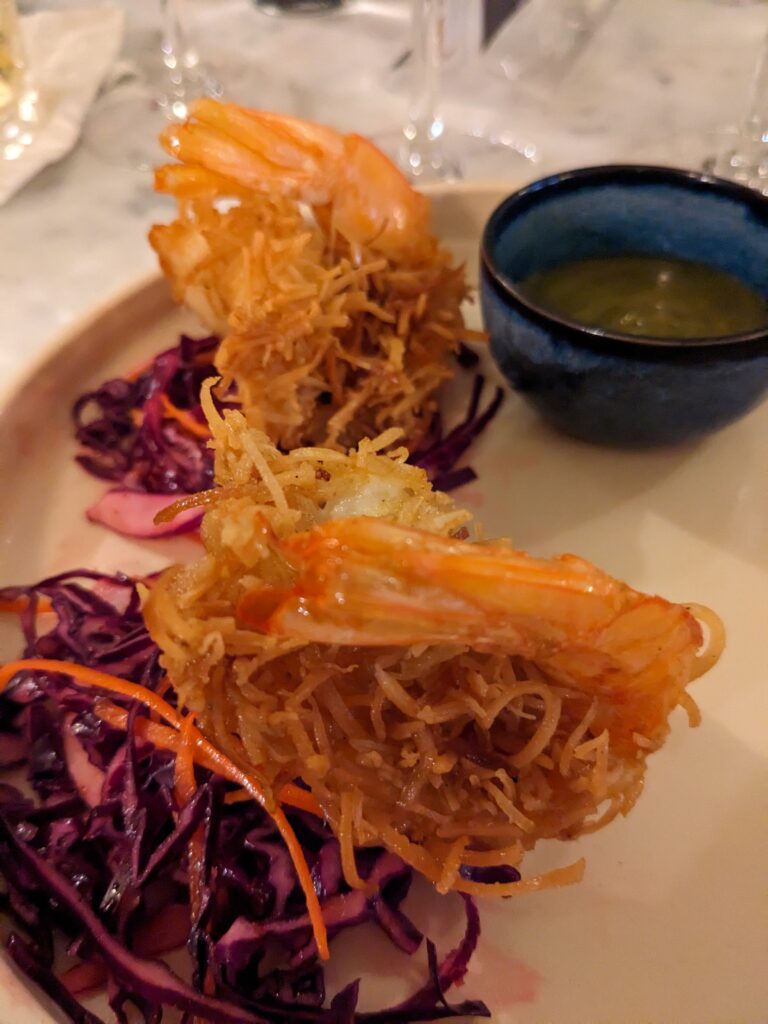
With my Coconut Shrimp appetizer, prepared with coconut, peanut dressing and a pepper cabbage salad, I enjoyed two Pineau des Charentes. The first of which was distinctly floral with maple aromas and flavors, while the second option was more intense and heavier in its texture and weight on the palate. They each matched well, but I was more partial to the former, as a counterpoint to the dressing.

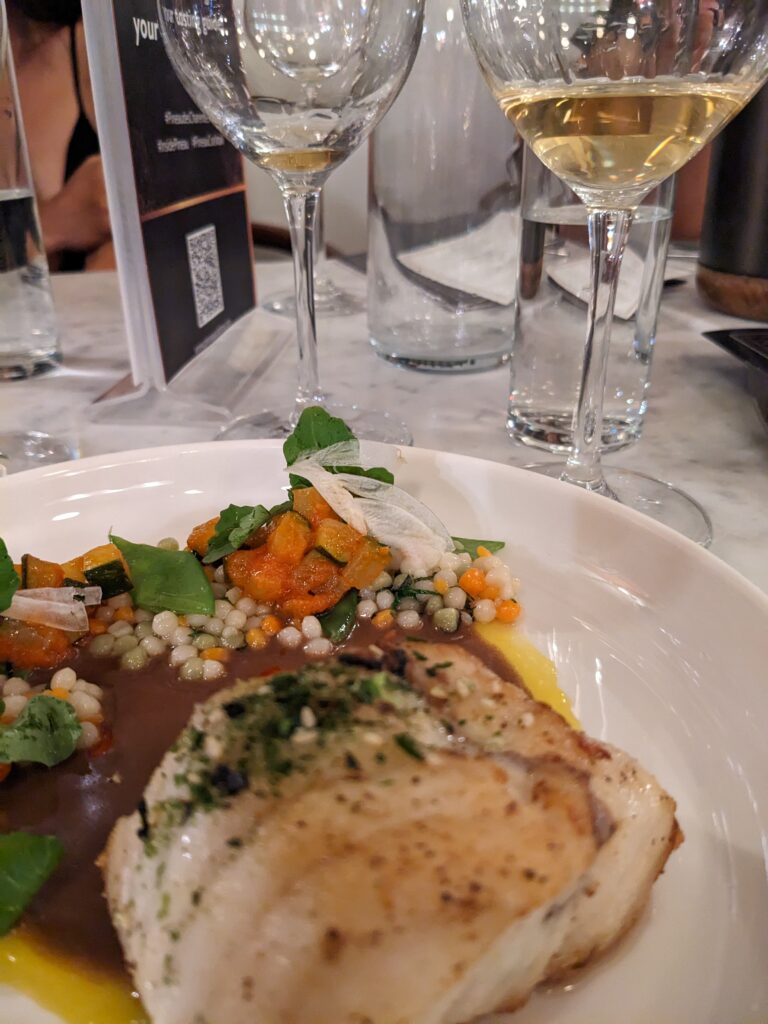
My main course of Monkfish served with zuchini, shrimp nage and mango puree was accompanied by one with caramel notes and a clean finish and another that was lighter, with bright acidity. Both were really lovely with the richness of the dish.

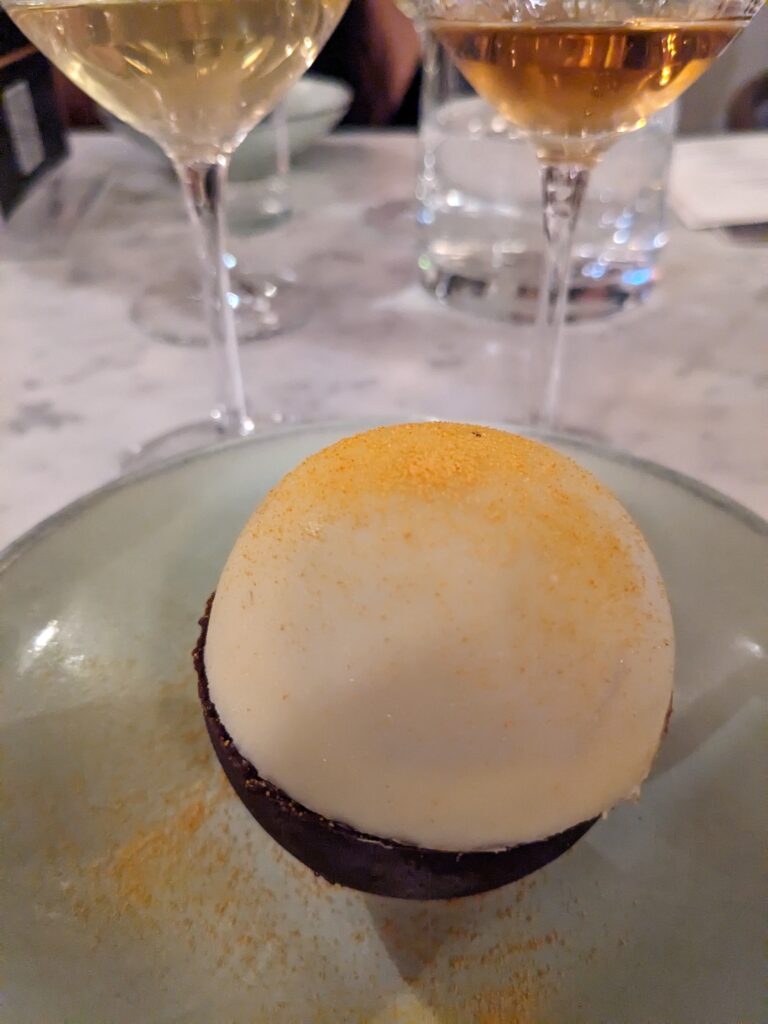
For dessert, I had the chocolate mousse with almondine, orange chocolate cake and almond puree. My Pineau pairings included a wine with light citrus notes that was medium sweet yet well balanced, with an herbal undercurrent. The other was more complex, with fuller body, caramel, burnt orange and rancio aromas and flavors, that had been aged for 15 years. The two wines paired really well, but the second wine was my favorite of the two for its complexity and rancio character.

If these wines are not on your radar (and likely they aren’t), I encourage you to seek them out or perhaps encourage your favorite bartender to try their hand at Pineau cocktails – for a twist on a classic or their own, new creation.

For more information on Pineau des Charentes, check out the Pineau Academy: https://pineauacademy.com/


Picnic season returns… wines for spring and summer 2023

Spring has been a long time coming this year. While Mother Nature graced us with a beautiful glimpse of picture-perfect weather in early April, the cold, wet weeks that followed left much to be desired. We are now happy to see the sun and feel its warmth, beckoning us outside. In a word (or more precisely two), it’s Picnic Season!
That means a lot of things, but chief among them is what wines to enjoy al fresco this spring and summer. In that regard, I recently had the very pleasant opportunity to taste through a selection of wines from Spanish wine producer, Hammeken Cellars. With Sailé Ramirez at the helm as CEO, the company has launched six new brands and planted over 250,000 trees as part of their sustainability program.

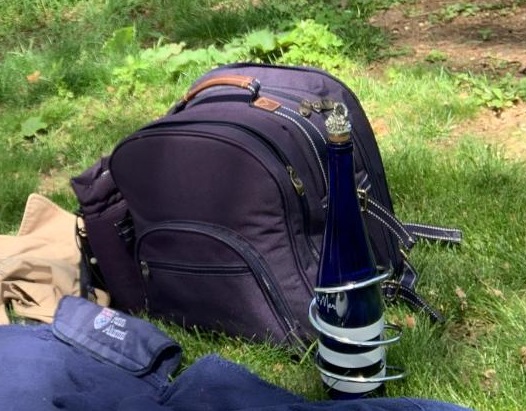
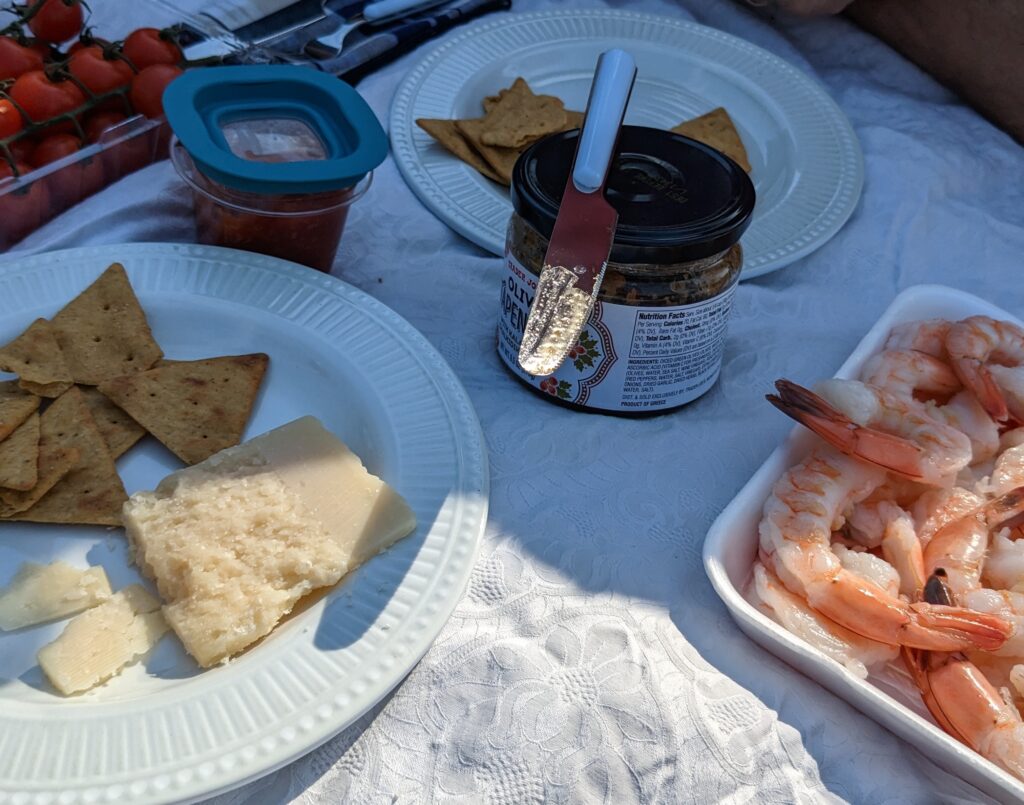
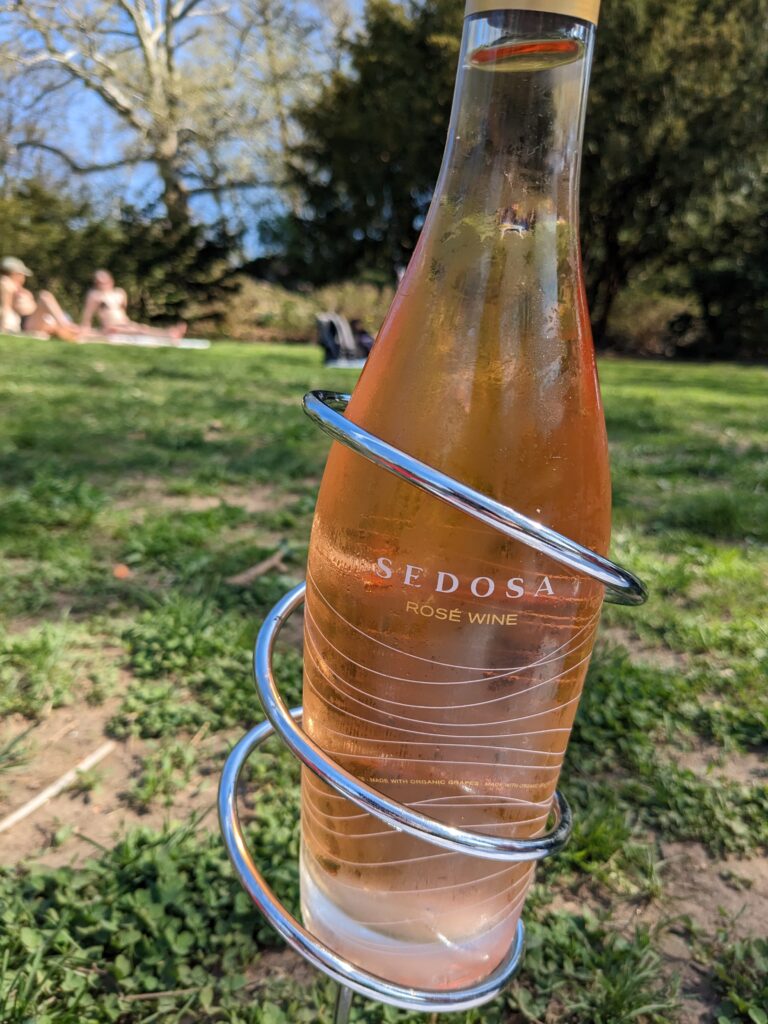
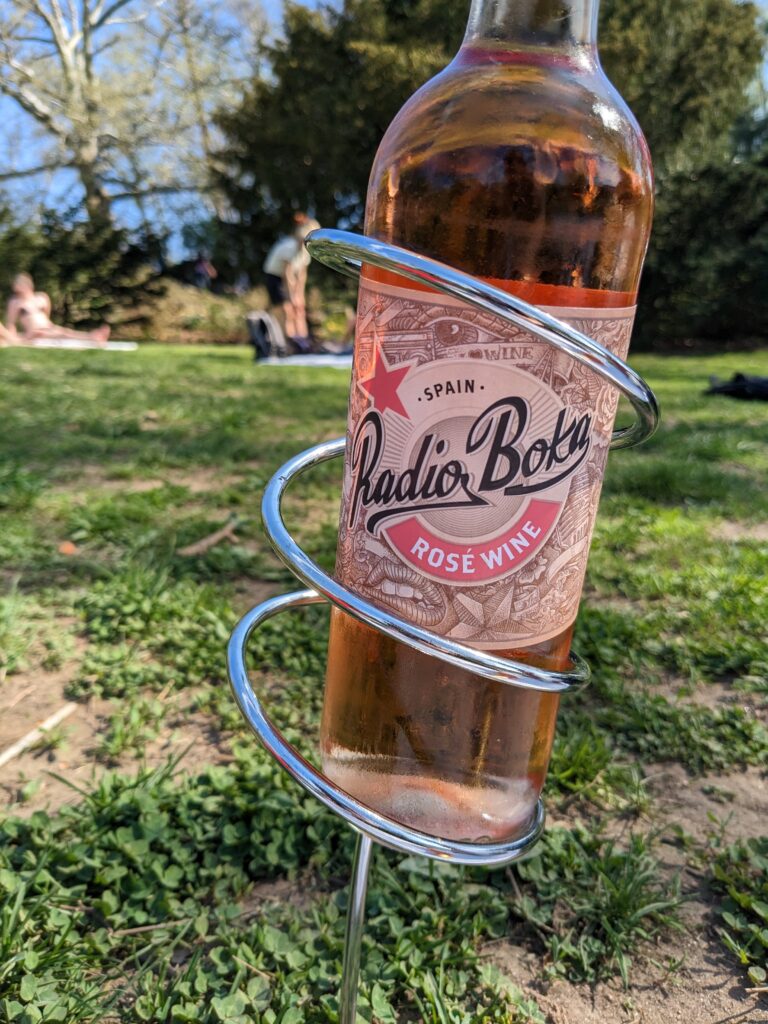
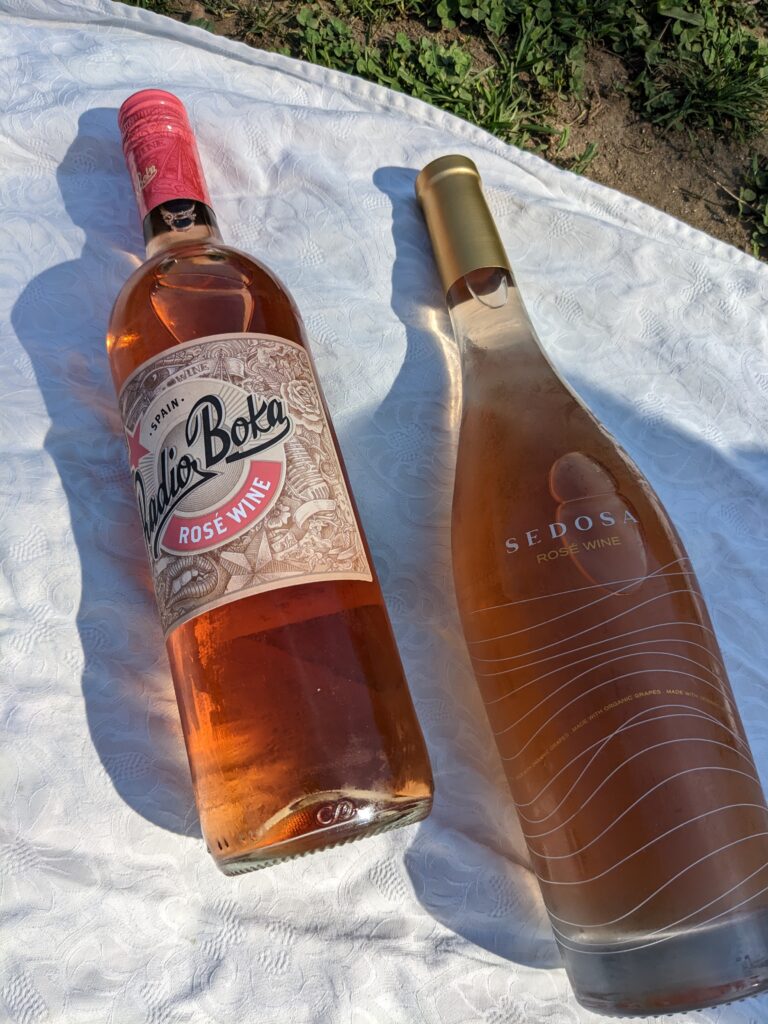
In fact, during that spring preview weekend in April, my husband and I had a picnic date night in Fort Tryon Park, toting along two rosés from their collection: Radio Boka Rosé and Sedosa Rosé.

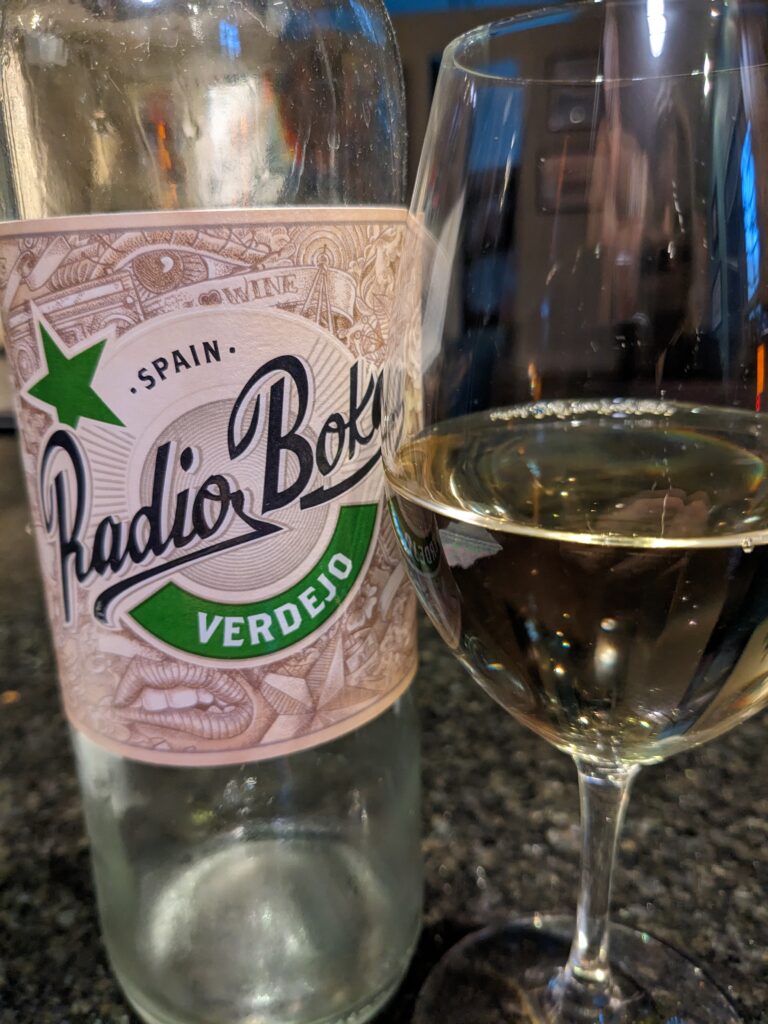
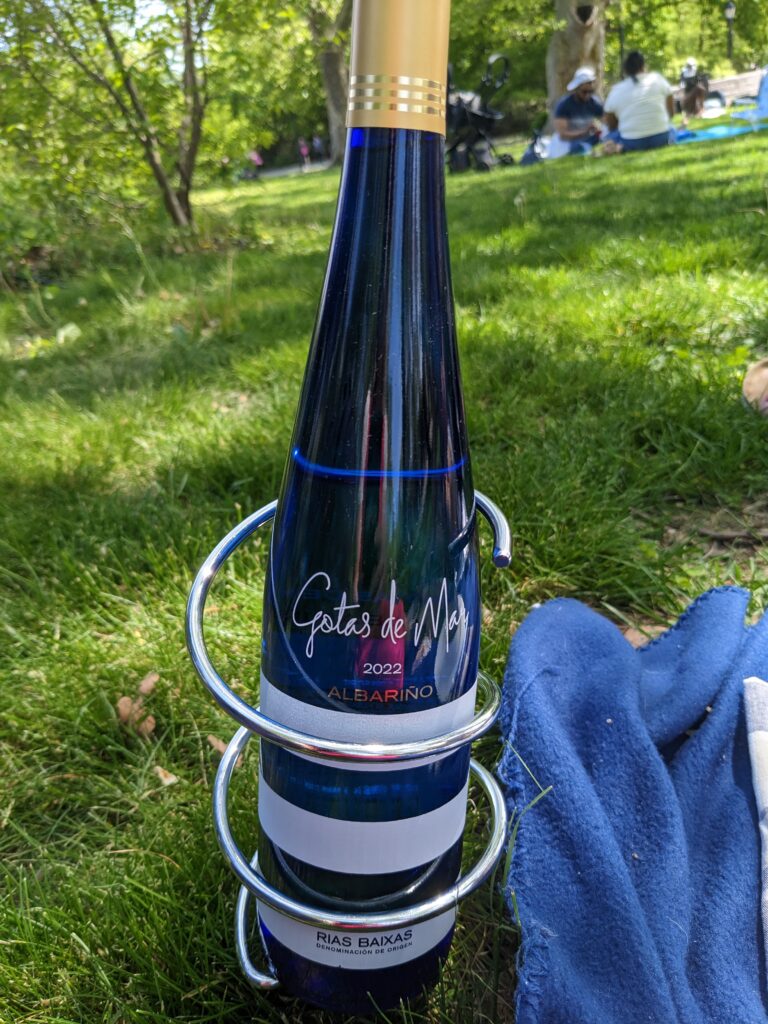
Outside was no longer an option for a while, so the Radio Boka Verdejo was enjoyed indoors at the dining table, but the Gotas de Mar Albarino was a welcome companion as I introduced my friend, Sharon, to the joys of fancy picnics when we met up in Prospect Park for lunch and a production of Molière’s Tartuffe.

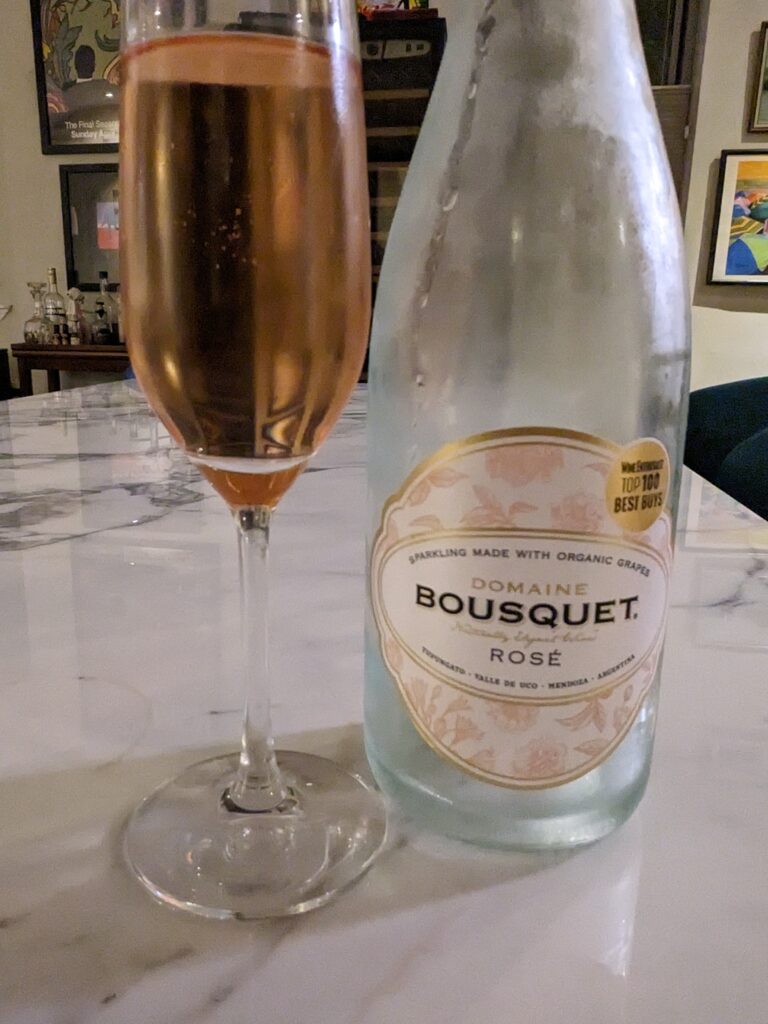
In keeping with the theme of freshness and al fresco dining, I’m including tasting notes from a recent seminar with Domaine Bousquet, since several of its current releases are also perfect picnic pairings, particularly, their sparkling rose and LO CA Chardonnay.

TASTING NOTES

WHITES

Radio Boka Verdejo 2021, VDT Castilla, Spain, $12.00
Aromas of bitter almond, pear, and citrus on both the nose and palate, this complex wine offers up medium body, medium acidity and long length.

Gotas de Mar Albariño 2022, Rias Baixas, Spain, $25.00
Produced from 100% Albariño from 15-25 year old vines, this wine was aged for six months on its lees. Notes of citrus and riper tree fruit are joined by minerality and salinity, with medium body, good acidity and long length.

Domaine Bousquet LO CA Chardonnay 2022, Uco Valley, Argentina, $14.00
LO CA is a local calorie and low alcohol wine, which required numerous attempts to get it right due to ensure a wine that was stable and of the quality they desired. The resulting wine has 9% abv and 2% residual sugar. Green apple, musk and citrus greet the nose and persist on the palate with high acidity, minerality, medium body and long length.

ROSÉS

2021 Radio Boka Rosé, VDT Castilla, Spain, $12.00
Tasted alongside the Sedosa rosé, this wine was less ripe, with slightly higher acidity. It is redolent of fresh raspberries and citrus, with medium body and long length.

Sedosa Organic Rosé 2021, VDT Castilla, Spain, $20.00
Comprised of 100% Bobal from 15 year old vines, this wine is pale salmon in color with aromas of berries, and melon and a hint of floral. The dry palate provides ripe fresh berries, good acidity and long length.

Domaine Bousquet Sparkling Rose NV, Uco Valley, Argentina, $13.00
This sparkling wine is produced using the Charmat Method, bringing together 75% Pinot Noir and 25% Chardonnay. Deep salmon in color, with a persistent bead, it is fresh and lively with tart cherry notes, a lovely mousse and long length.


Mediterranean Aperitivo: Delicious Products of Place on Your Plate

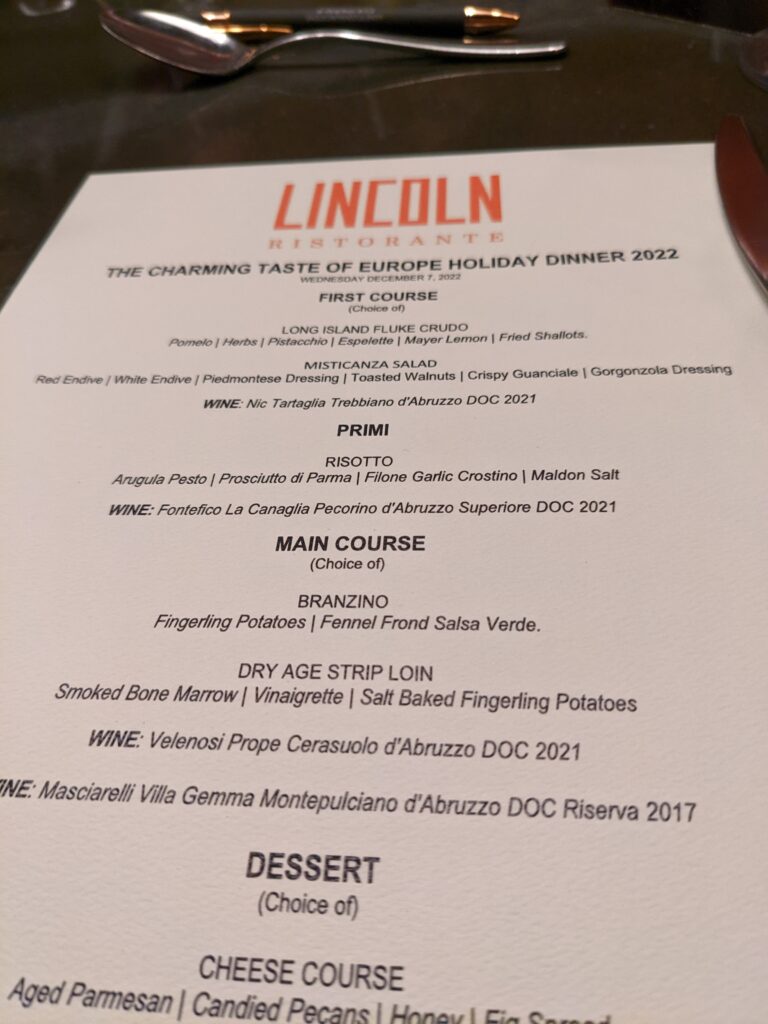
I’ve noticed an interesting trend recently of food and wine products banding together to take their message to the masses. Case in point, the Charming Taste of Europe Consortium dinner I attended a few weeks ago. I think this is a great idea and, frankly, it makes a lot of sense since it can be challenging to showcase a single product and moreover, we don’t eat and drink in a vacuum.

This type of collaborative effort was also seen at the Mediterranean Aperitivo event, which was held at Eataly Flatiron’s winter wonderland rooftop in mid-December. As I was unable to attend, the organizers offered me the opportunity to recreate the festivities at home and I happily accepted.

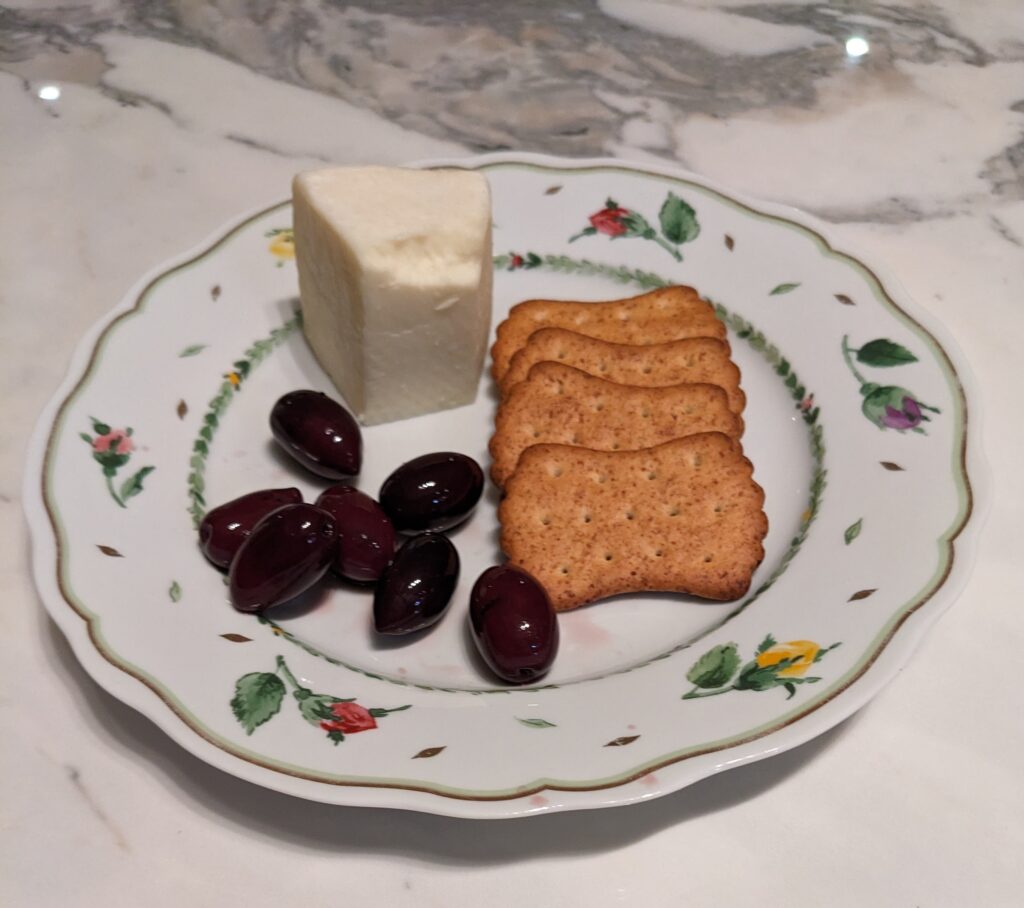
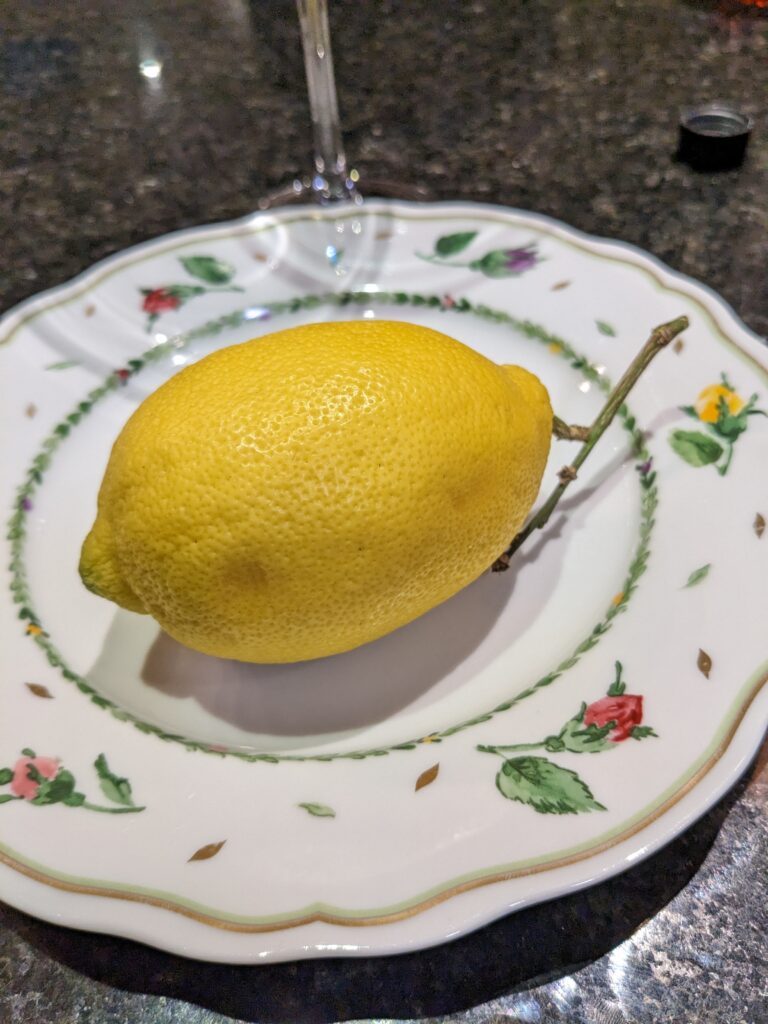
Admittedly unsure what to expect, I was pleasantly surprised to receive a cute package revealing Vermouth di Torino PGI, Pecorino Toscana PDO, a Costa d’Amalfi PGI Lemon and Greek olives, along with an informative guide. You’ll spot a lot of letters in the above product names and that’s both intentional and important.

Specifically, PDO (Protected Designation of Origin) and PGI (Protected Geographical Indication) are legal terms that mean that the products have been deemed by the European Union to be of high quality and of particular connection to a territory or geographical area. Much like Champagne (a sparkling wine that only comes from the Champagne region in France), these labels signal to the consumer that this is a special product coming from a very specific place.

Vermouth di Torino PGI: While many people are familiar with vermouth in the context of a martini, they may not know precisely what vermouth is. It is, in fact, an aromatized wine. In this regard, a local wine has been infused with local, aromatic plants. Think of it as the gin of wine! Vermouth is commonly produced in alpine areas and Piedmont’s Torino, at the foothills of the Alps, is no exception. The region’s vermouth developed its stellar reputation in the 18th century and has continued to uphold the same standards and receive continued recognition.

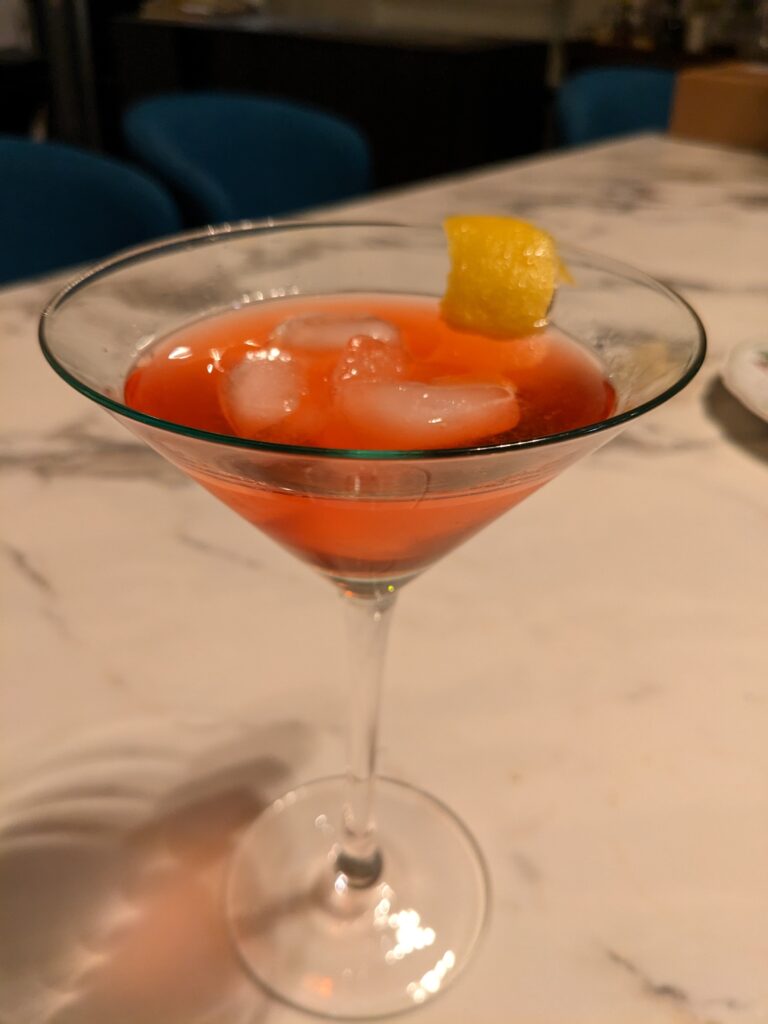
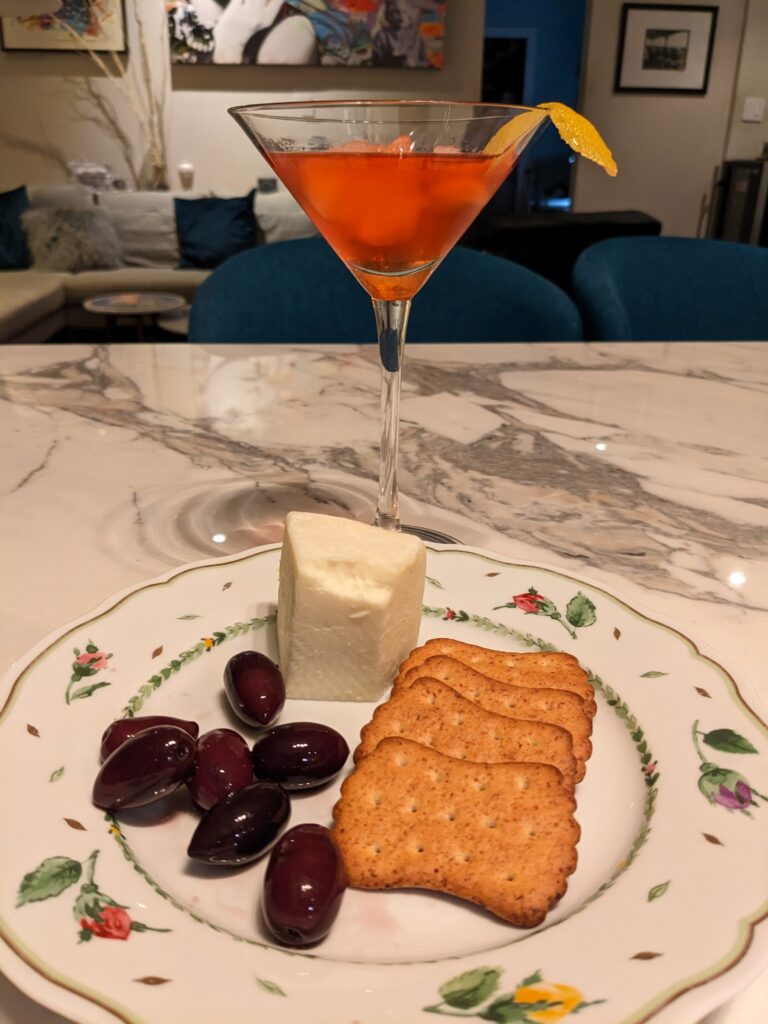
While the guide suggested making a classic martini, paired with the enclosed Greek olives, our household was a bit shy of the required quantities of either gin or vodka at that moment. Instead, I opted to mix up a slightly altered version of the guide’s other recipe, Contessa of Piedmont, substituting the sweet vermouth for the dry and Campari for the Aperol. It was well balanced and delicious with floral and botanical notes!

Pecorino Toscano PDO: While pecorino is a general term for cheese produced from sheep’s milk, Pecorino Toscano PDO hails specifically from sheep’s milk produced in Tuscany and a few municipalities in Umbria and Lazio. It can be made as a soft or semi-hard cheese, depending on the maturation (20 days and four months minimums, respectively). It was relatively mild and slightly salty, with nice richness.

Costa d’Amalfi PGI: Groves for the Costa d’Amalfi PGI lemons were first planted between the 10th and 12th centuries along the coast from Positano and Cetara in Campania. Interestingly, these should not be confused with the lemons of Sorrento, which have their own PGI and are a different variety of lemon. The Costa d’Amalfi lemons are quite large, weighing a minimum of 100 grams and are less acidic than the typical, store-bought lemon. These lemons frequently find their way into limoncello, but as was evidenced by enjoying it on its own, they are great in their unadulterated form, with freshness, beautiful fragrance and bright acidity.

Greek olives: Finally, we have the olives produced in Western Greece, which has a biblical history of olive groves. Formal cultivation of olives within Greece dates to 3500-2500 BCE. Today, the area is home to 150 million olive trees, 600,000 olive farmers and 2,800 mills. The type of olives wasn’t specified, but I suspect them to be Kalamata olives, with their intense briny, acidic and salty flavors.

After making my cocktail and plating up the cheese, olives and crackers, I sat down to enjoy a wonderful collection of tastes and flavors, all of which proved to be a perfect pairing. Overall, I encountered lots of freshness on the plate and in the glass. The next time you are shopping for various ingredients, reward your palate by seeking out the unique products that are produced in very special places. Salut!

From Europe with Love: Abruzzo and the Sweet Wines of Bordeaux


Looking for some new wines to grace your holiday table this season? Or, just want to expand your wine knowledge? Check out the dry wines from Abruzzo and the sweet wines from Bordeaux!

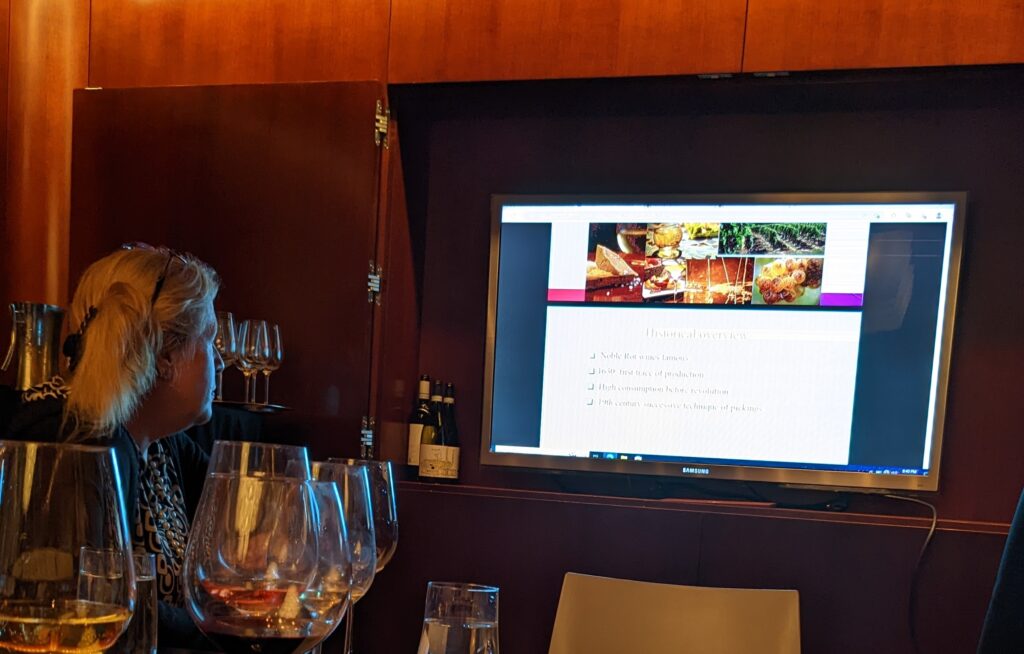
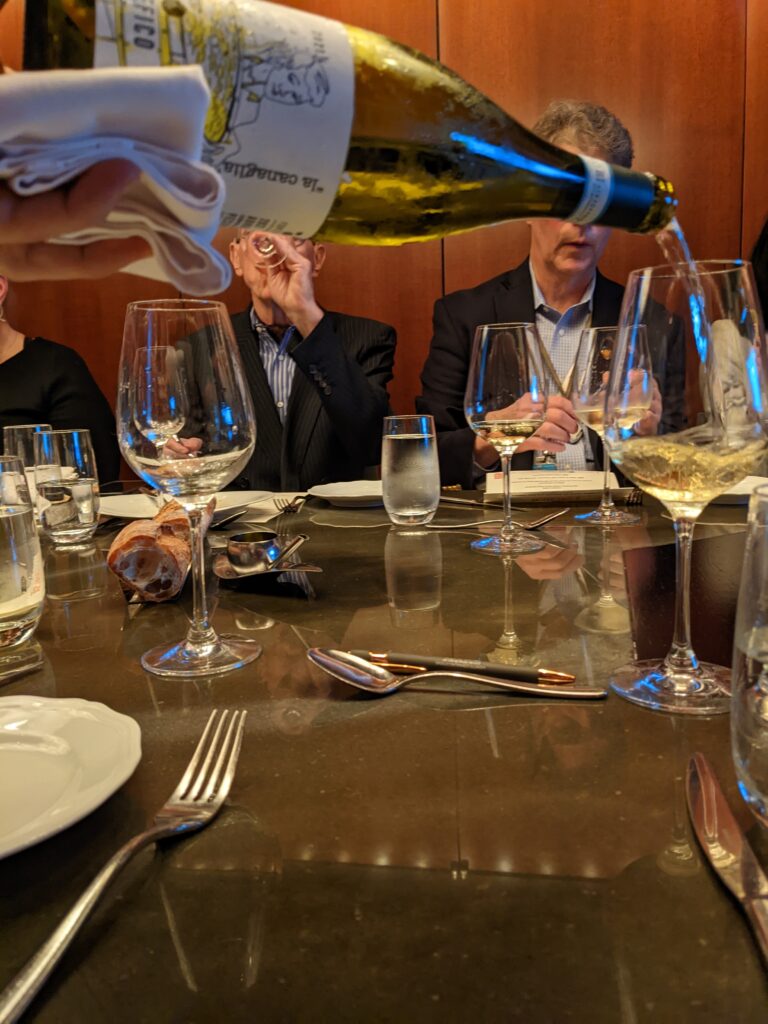
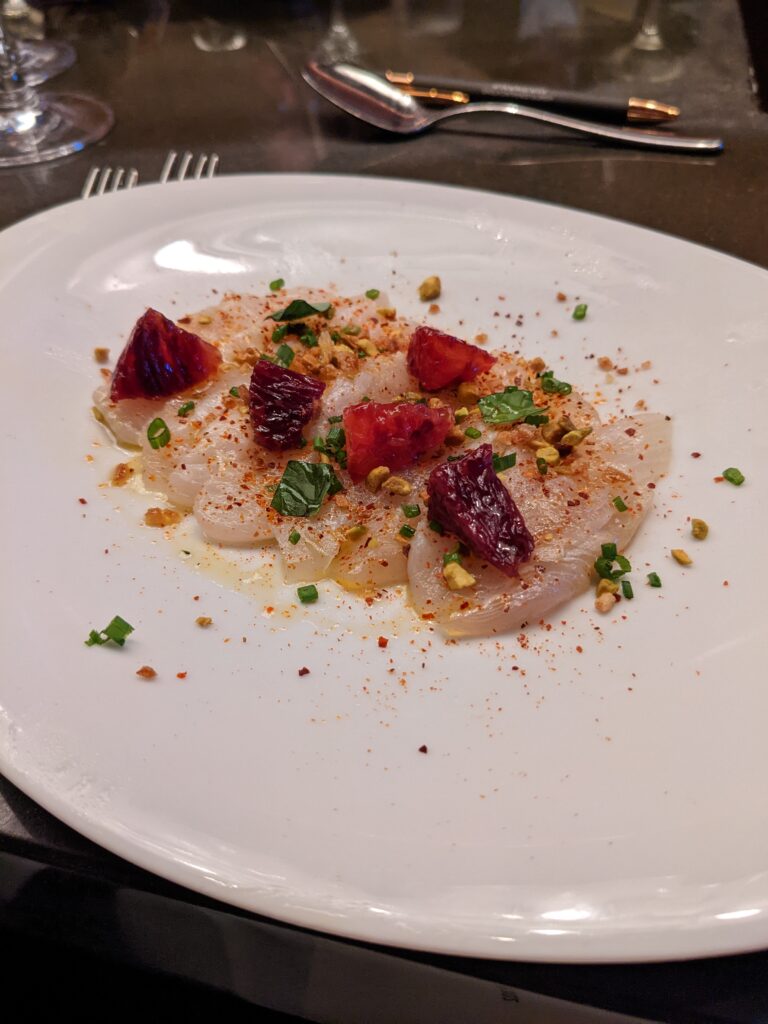
A recent dinner at Lincoln Ristorante welcomed members of the wine press and trade in an effort to better acquaint us with the wines from Abruzzo (Italy) and the sweet wines from Bordeaux (France). This was a wonderful opportunity to reconnect with colleagues after a lengthy hiatus as well as taste through a selection of amazing wines (and delicious food).

Prior to the evening, I had only limited exposure to the wines from Abruzzo, mostly aware of its Trebbiano d’Abruzzo and Montepulciano d’Abruzzo wines, but the meal provided a much more in-depth look at the region and the high quality wines it produces.

An historic region, the wines from Abruzzo were mentioned by Pliny the elder. In particular, the centrally located Abruzzo is home to both the Adriatic Sea as well as steep mountains (65% of the region is mountainous and 30% of the land is protected by natural parks) and has a mild climate that becomes more continental in character as one moves inland. Consequently, one can ski during the day and then be at the sea within 30 minutes.

Wine production includes 2 DOCG-level wines, 7 DOCs and 7 IGT (regional) wines. As with elsewhere in Italy, co-ops are very important to the scene, but there are also 200 private wineries in Abruzzo.

Here, the two main varieties are the two already mentioned: the red Montepulciano, which accounts for 80% of production and the white Trebbiano, which is the second most planted grape in the region. This latter variety dates to the 16th century and is considered to be a more more elegant version of the Trebbiano variety, and has the ability to age well.

Another grape of note in the region is Pecorino, which had almost become extinct, but thankfully has had a revival. Grown in both the Le Marche and Abruzzo regions, it is a variety with great acidity, structure and good aging potential.

We next enjoyed a Cerasuolo d’Abruzzo DOC, which, when established in 2010, was the first designation in Italy dedicated exclusively to rosé wine. The word cerasuolo refers to the deep pink color of these wines, which are produced from the Montepulciano grape.

Finally, we had a Riserva-level Montepulciano d’Abruzzo, which displayed the beauty of these wines, which have elegance and powerful, along with good fruit character, complexity, balance and length.

After our foray into the Abruzzian wines, we turned our attention to dessert. As their name implies, the Sweet Wines of Bordeaux offer up beautiful sweetness in the glass and make for a perfect liquid dessert. Yet, they are versatile enough to pair with savory foods as well, with bright acidity and balance accompanying the sweet notes. At dinner, one had a choice between a cheese course or a chocolate-based dessert, both of which paired equally well with the two Bordeaux wines.

Bordeaux’s sweet wines feature the grape varieties of Sémillon, Sauvignon Blanc and (in some cases) Muscadelle and are produced in several styles as well as several different appellations.

The Bordeaux Moelleux are among the lighter-style wines with nice freshness and sweetness. Conversely, those produced as Bordeaux Supérieur are fuller-bodied, can include Muscadelle in the cepage and are aged for a period of 6 to 18 months in wood vessels.

Additionally, Côtes de Bordeaux Saint-Macaire, covers a geographic area along the right bank of the Garonne River, while Premières Côtes de Bordeaux is used for those made from grapes grown in the vineyards of 39 towns that extend across the right bank of the Garonne river located south of Bordeaux.

However, the wines from the more specific appellations are the ones perhaps best compared with their siblings from Sauternes. In this regard are the wines from Cadillac,
Cérons, Loupiac and Saint-Croix-Du-Mont. The Cadillac appellation (AOC) was established in 1972, while Cérons AOC dates to 1936. The Cadillac wines are produced from late harvest grapes, while grapes for Cerons are affected by noble rot. Regardless, both adhere to strict selections during harvest, all of which is done by hand, with the wines aged for 12 to 18 months. Two other well-regarded appellations are Loupiac, which is the largest of them all, and Saint-Croix-Du-Mont, both of which are produced similarly to Cadillac and Cérons.

While these may not be familiar names to you, the bottom line is that one should keep Bordeaux in mind when it comes to the dessert course.

In this day and age, we are blessed to have access to a wealth of wonderful wines from all over the world, but it is easy to fall into a rut and reach for the same wines time and again. If that sounds like you, I urge you to step out of your comfort zone and explore these two sets of wines; your palate will thank you!

Wishing you all the best for the holiday season and beyond!

TASTING NOTES

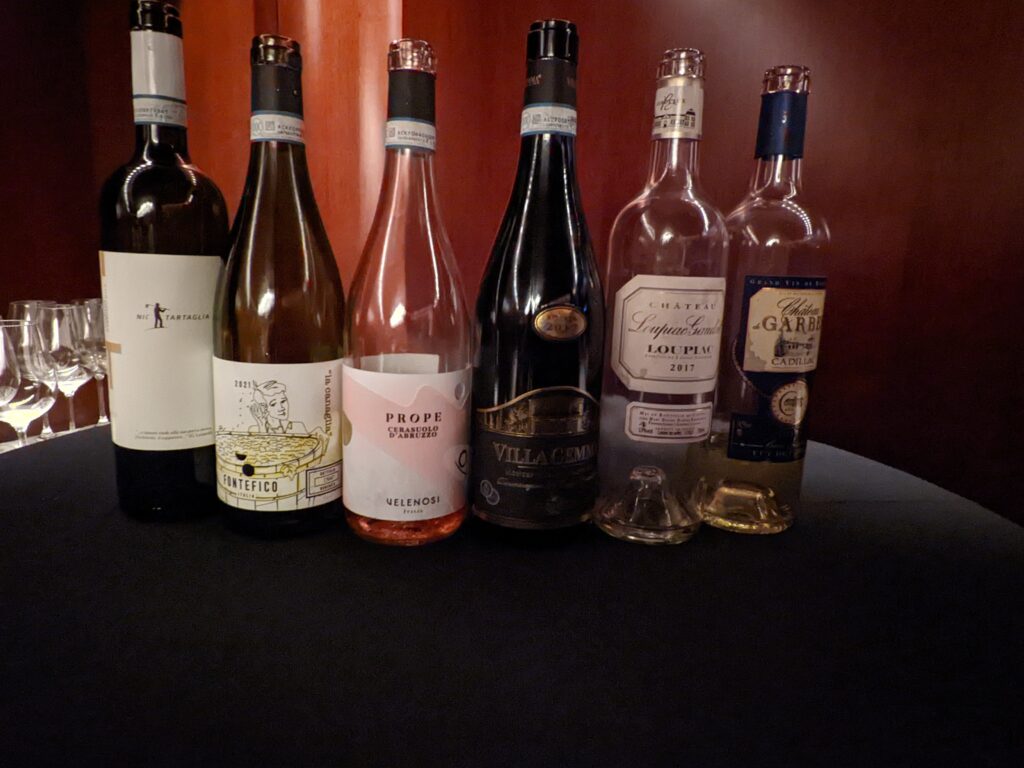
Nic Tartaglia Trebbiano d’Abruzzo DOC 2021, Abruzzo, Italy
Aromas and flavors of pear and white flowers, with bright acidity, medium body, and long length.
Paired with Long Island Fluke Crudo or Misticanza Salad

Fontefico La Canaglia Pecorino d’Abruzzo Superiore DOC 2021, Abruzzo, Italy
As a wine with the Superiore designation, it has been aged for one year, but, in this case, in stainless steel, not wood. Notes of apricot and smoke greet the nose, with a dry palate of medium acidity, medium+ body, culminating in long length.
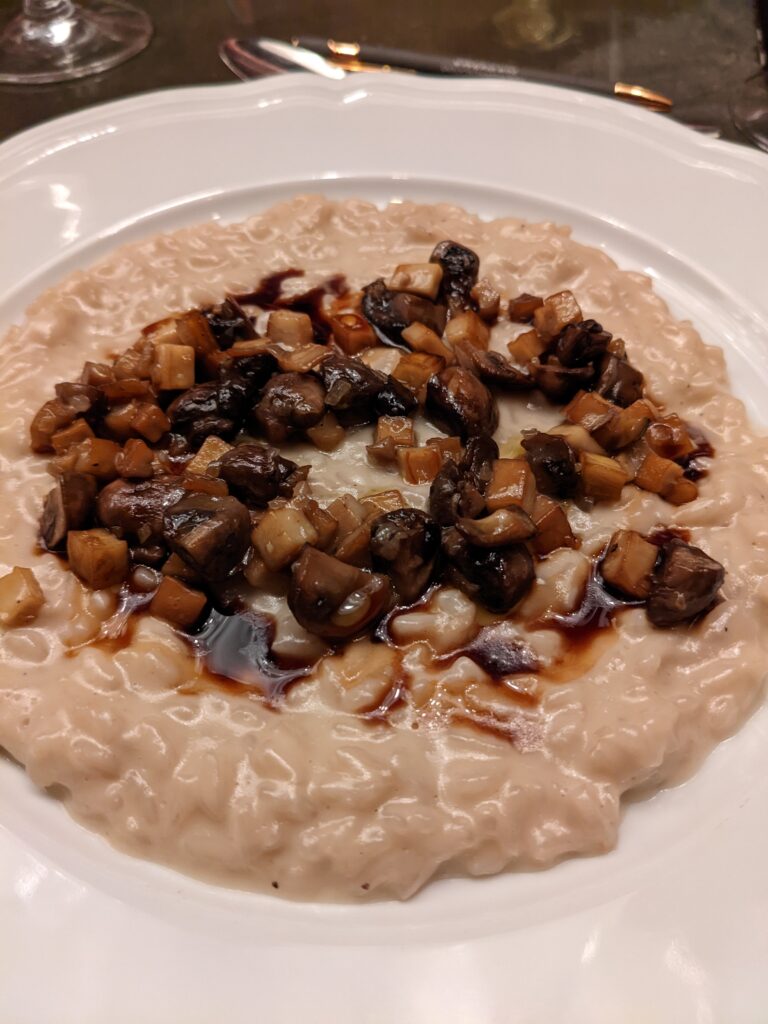
Paired with Risotto.

Velenosi Prope Cerasuolo d’Abruzzo DOC 2021, Abruzzo, Italy
Beautiful in color, this wine offers up fresh berries and zippy acidity, with good minerality, It is complex and structured, with medium+ body and is much more substantial on the palate than a Provencal-style rose. Good length.
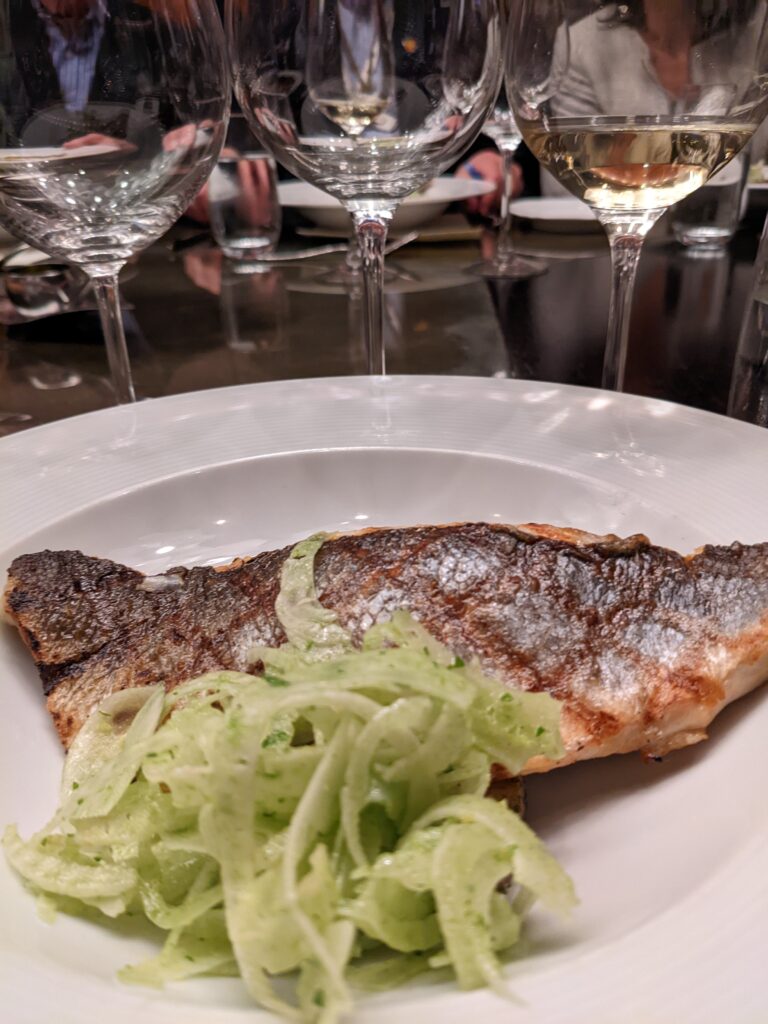
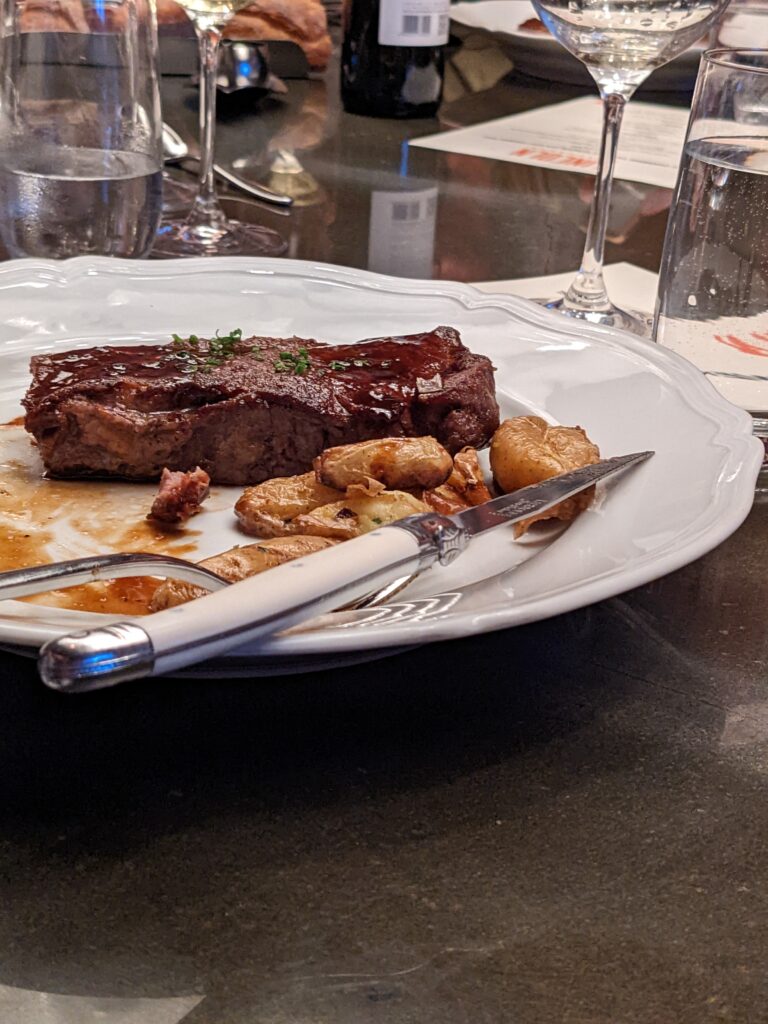
Paired with Branzino or Dry Age Strip Loin.

Masciarelli Villa Gemma Montepulciano d’Abruzzo DOC Riserva 2017, Abruzzo, Italy
Intense nose of red and black fruit, with firm, yet ripe tannins, this wine was aged for 24 24 months before release. It had lovely complexity, good fruit and very long length.
Paired with Branzino or Dry Age Strip Loin.

Chateau de Garbes Cuvee Fut de chene Cadillac AOC 2019, Bordeaux, France
Produced from old vines, this wine was aged for 12 months in oak. It was luscious, with good acidity to balance the sweetness and notes of apricot and other stone fruit.
Paired with Cheese (Aged Parmesan) or Pinola Al Cioccolato.

Chateau Loupiac-Gaudiet Loupiac AOC 2017, Bordeaux, France
Made from botrytized grapes (90% Semillion; 10% Sauvignon Blanc) from 45-year-old vines, this wine displays lovely fruit, spice and vanilla, culminating in long length.
Paired with Cheese (Aged Parmesan) or Pinola Al Cioccolato.


The Diversity and Delight of Languedoc Wines

Nestled in the south of France between the French Riviera and the region of Roussillon, the wines of Languedoc are impressive as well as both food and wallet friendly. If these are not on your radar, they should be given their diversity and sheer delight!

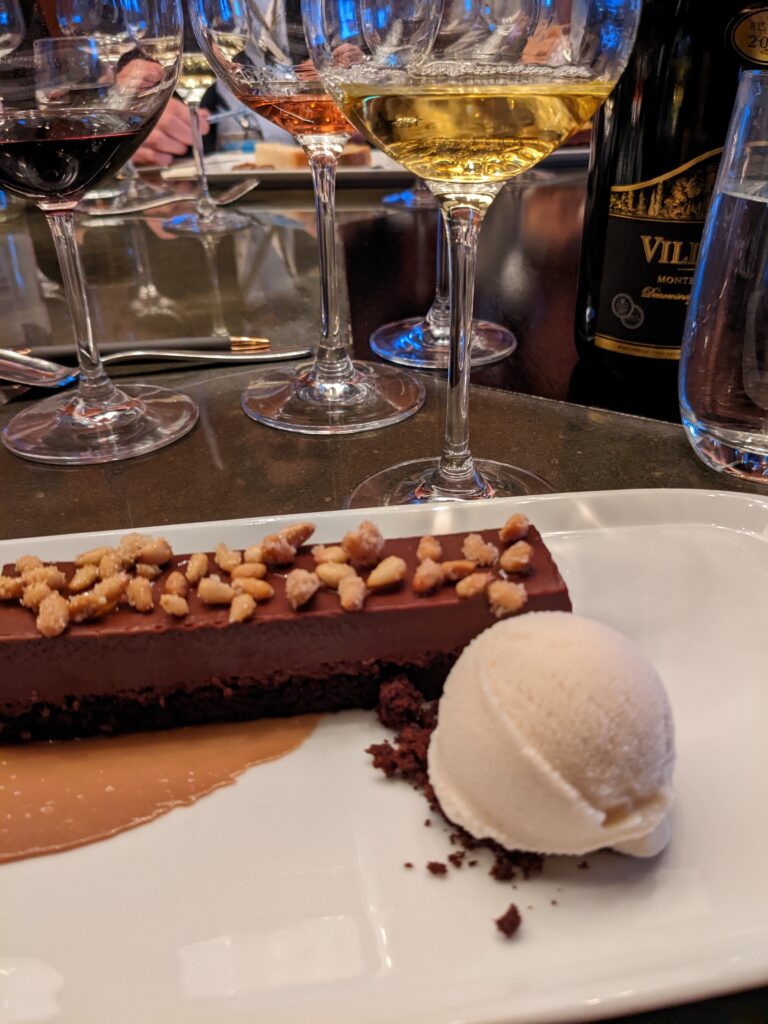
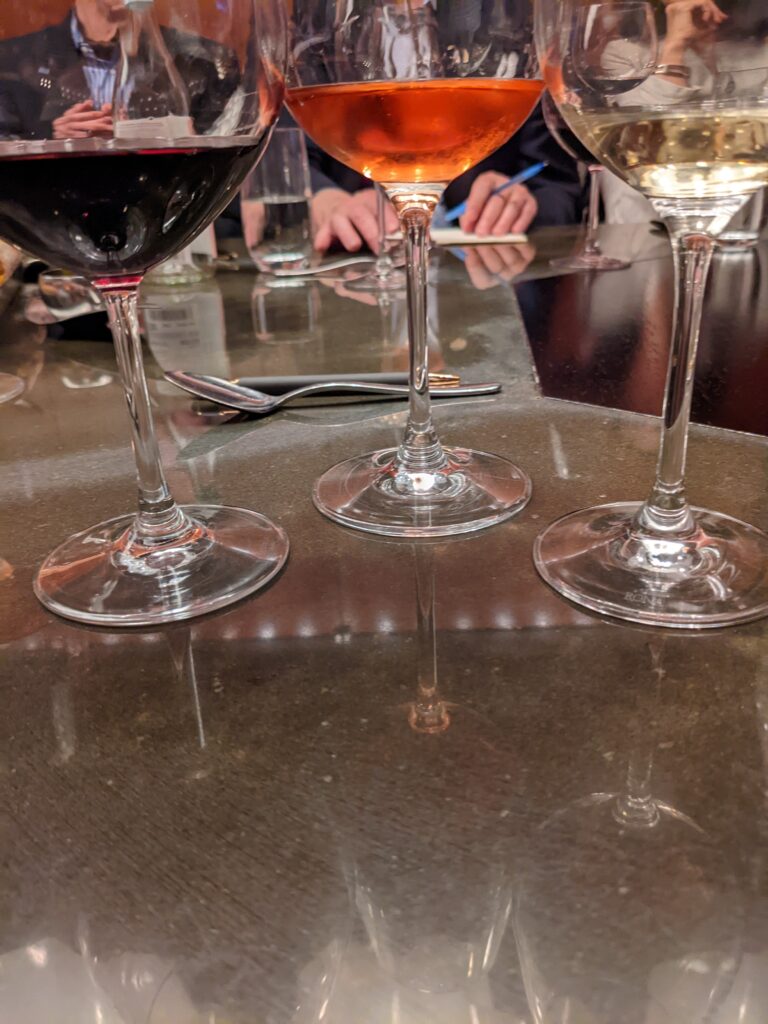
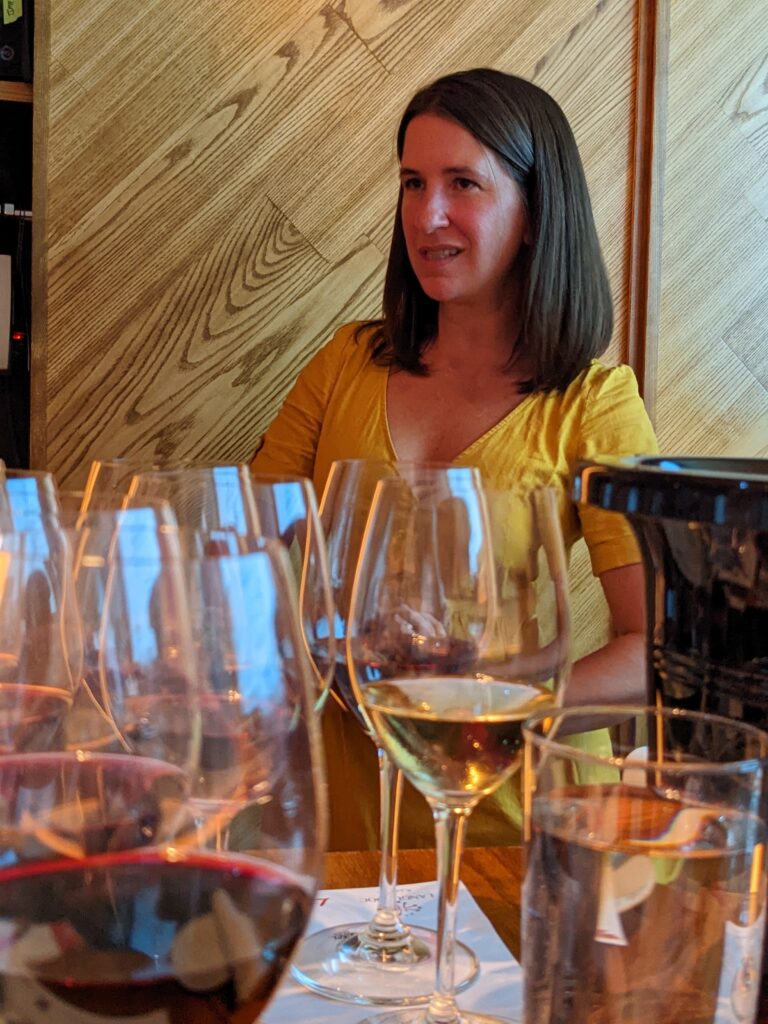
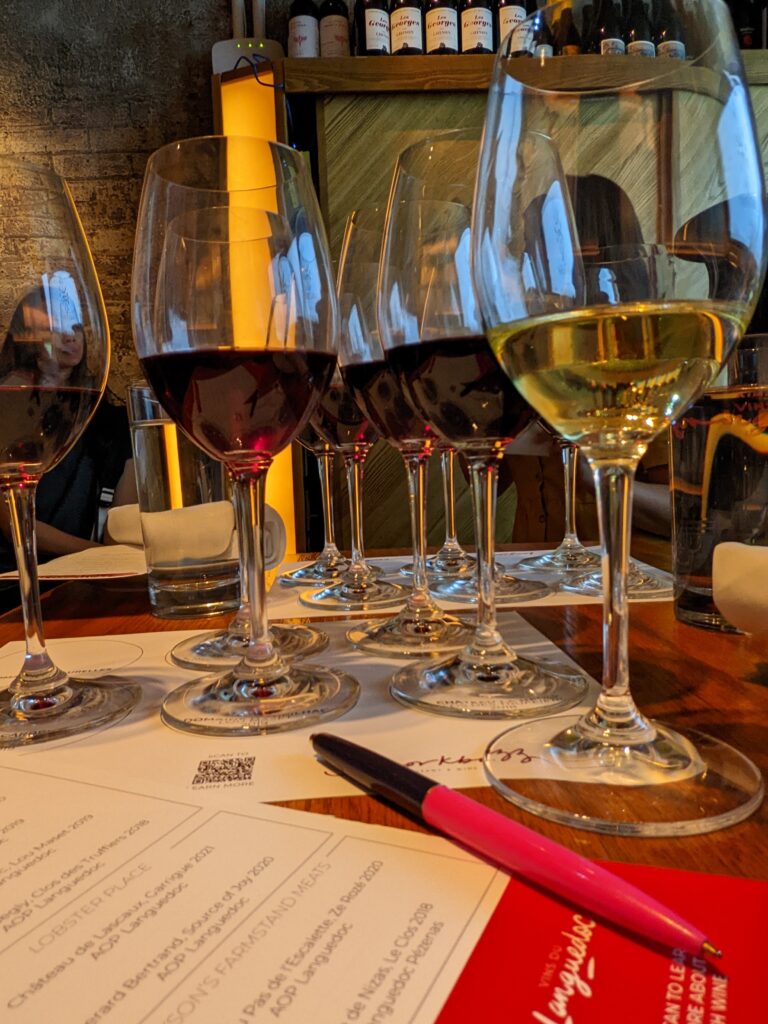
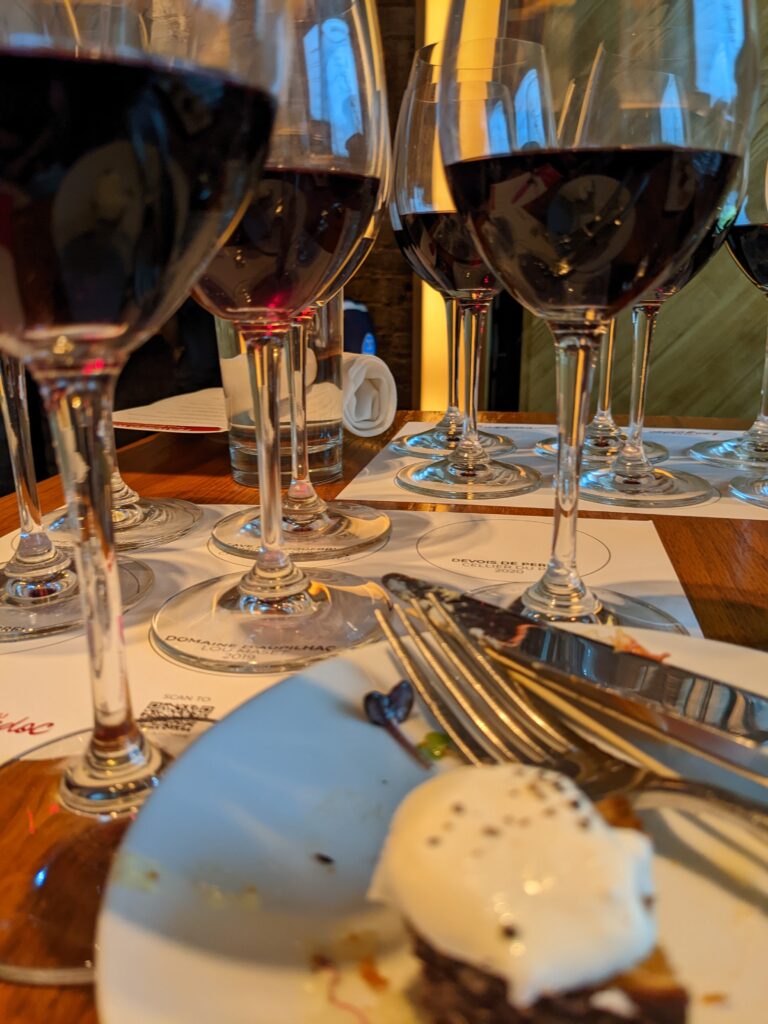
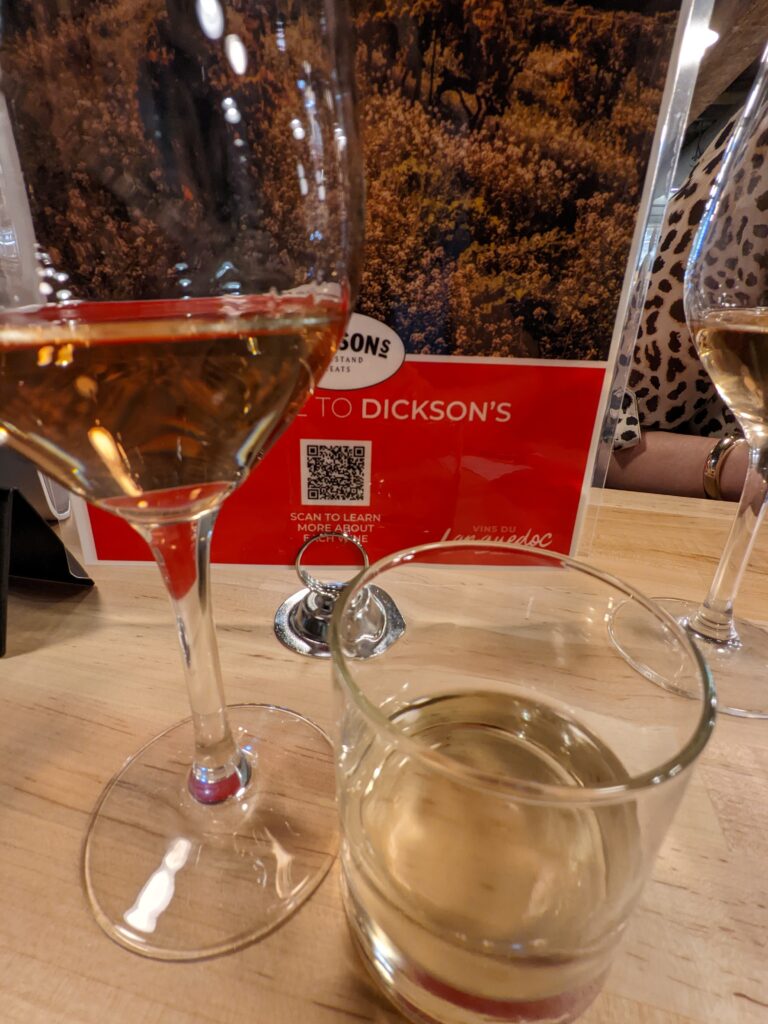
I recently had the pleasure of tasting through a selection of Languedoc wines in a guided tasting with Master Sommelier and owner of Corkbuzz, Laura Maniac. Each wine was beautifully (and deliciously) paired with a small bite, underscoring the ease with which these wines pair with a wide range of cuisine. After our time with Laura, we were led on a brief culinary tour of the Chelsea Market, becoming familiar with other vendors in the venue and the opportunity to sample a few more glasses of Languedoc.


Languedoc’s sunny, Mediterranean climate is tempered with cooling breezes and warm winds, which results in ripe fruit that retains its bright acidity. Thanks to the area’s dry nature, the region has one of the largest organic productions in France with over 30% of producers practicing organic viticulture; another 27% are in progress of converting from conventional practices. In fact, Languedoc launched the world’s first all organic expo — Millesime Bio — in 1993. Additionally, many producers are embracing biodynamics as well. And, with a strong research emphasis on viticulture, centered at L’INRA in Montpellier, the region is well equipped to handle climate change. Moreover, today, the area is home to a quiet revolution as winemakers from elsewhere in France are feeling the pull to make high quality wine within its borders.

Yet, Languedoc is not part of some passing fad. The region boasts 2500 years of wine making history and also lays claim to the discovery of fortification (thanks to Arnaud de Villeneuve in 1285) and sparkling wine production (in 1544 with the creation of Blanquette de Limoux).

The 90,000+ acres of vineyards are planted to 26 different grape varieties, with the majority (59%) of wine production given over to red wine. The balance is equally split among rosé and white wines. Within the vast acreage, there are 20 different appellations within Languedoc, but producers can also choose to bottle their wine under the broader Languedoc AOP. Regardless of the appellation, the wines coming from the region include everyday, inexpensive options, but also collectibles that are showing that this is a region capable of producing at the very top levels.

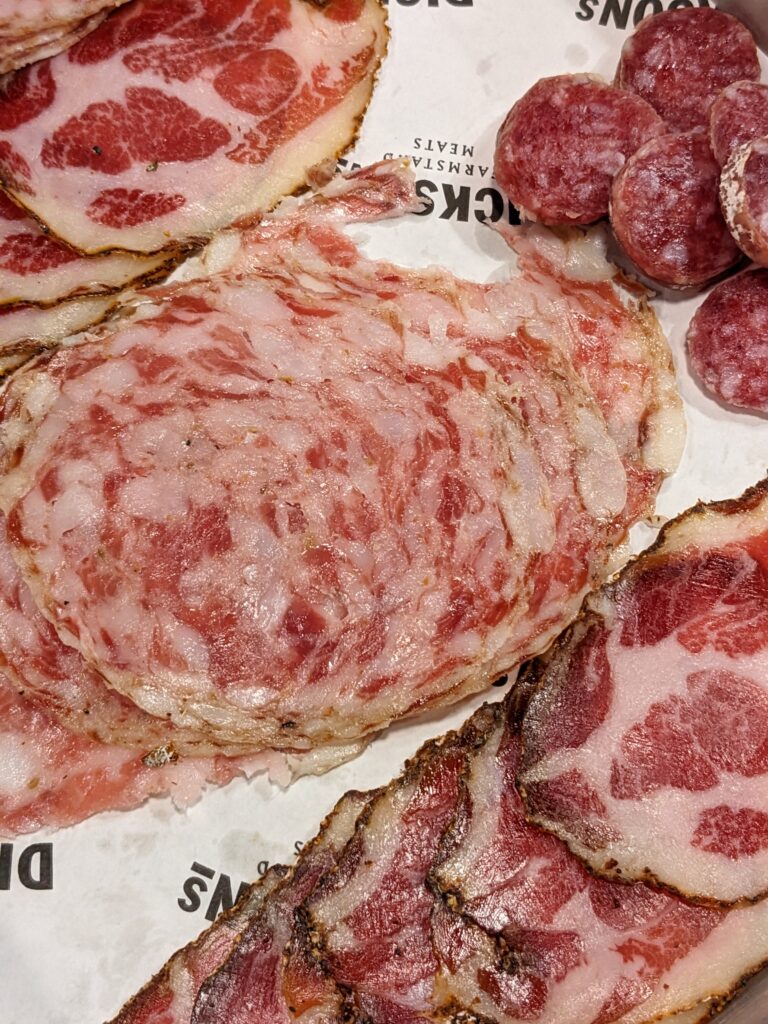
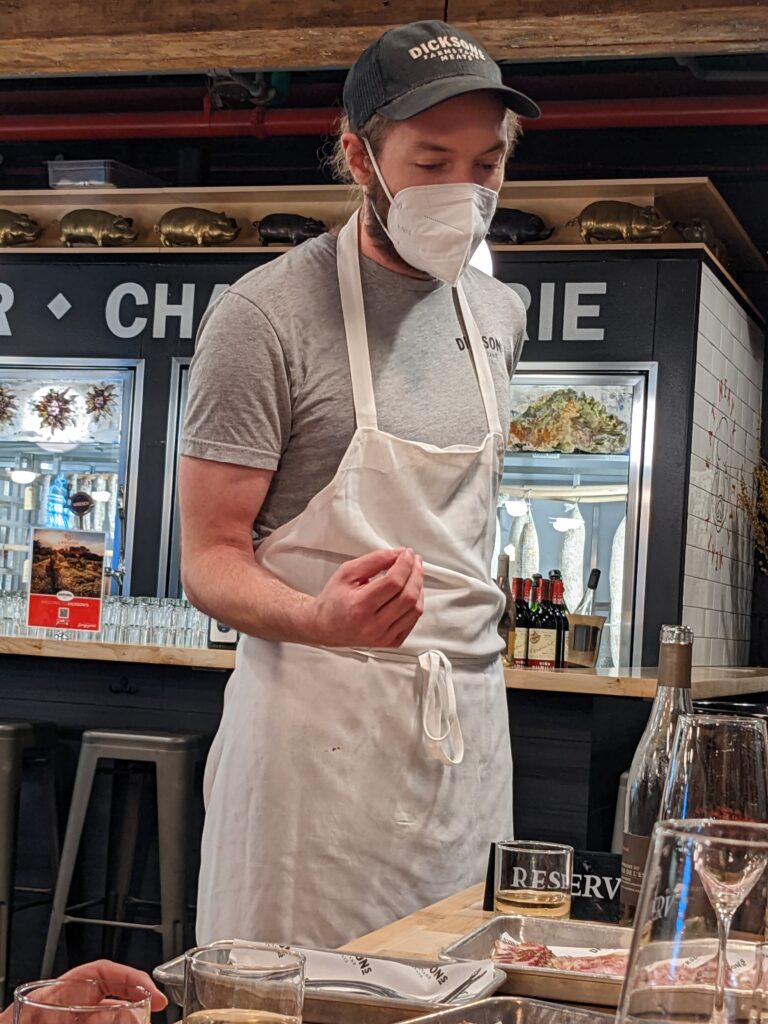
During the Languedoc event, the wines were custom paired by Chef Yovet Calvario of Corkbuzz; David Seigal, Culinary Director of Lobster Place; and Pablo Lopez, Chef Charcutier of Dickson’s Farmstand Meats.

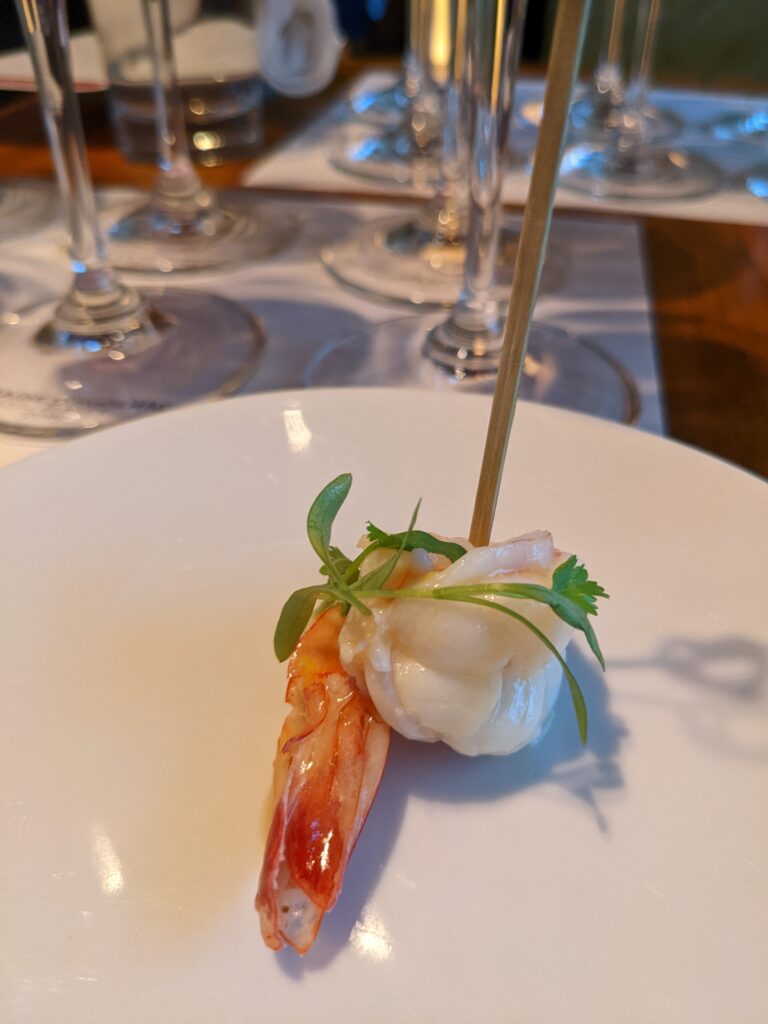
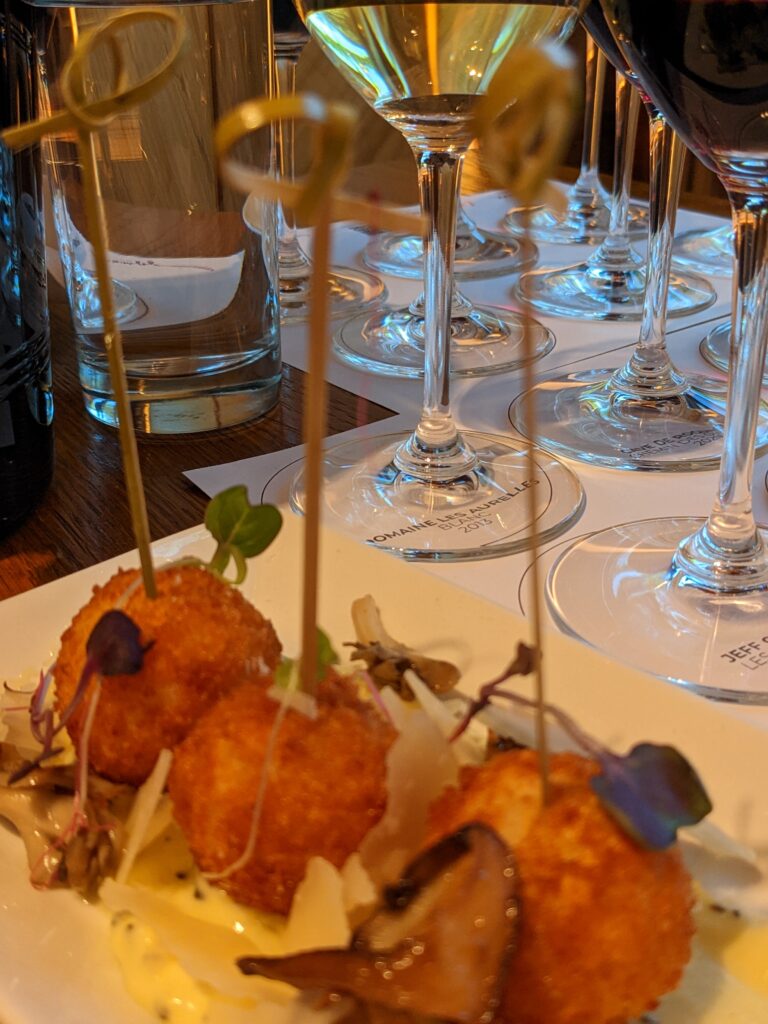
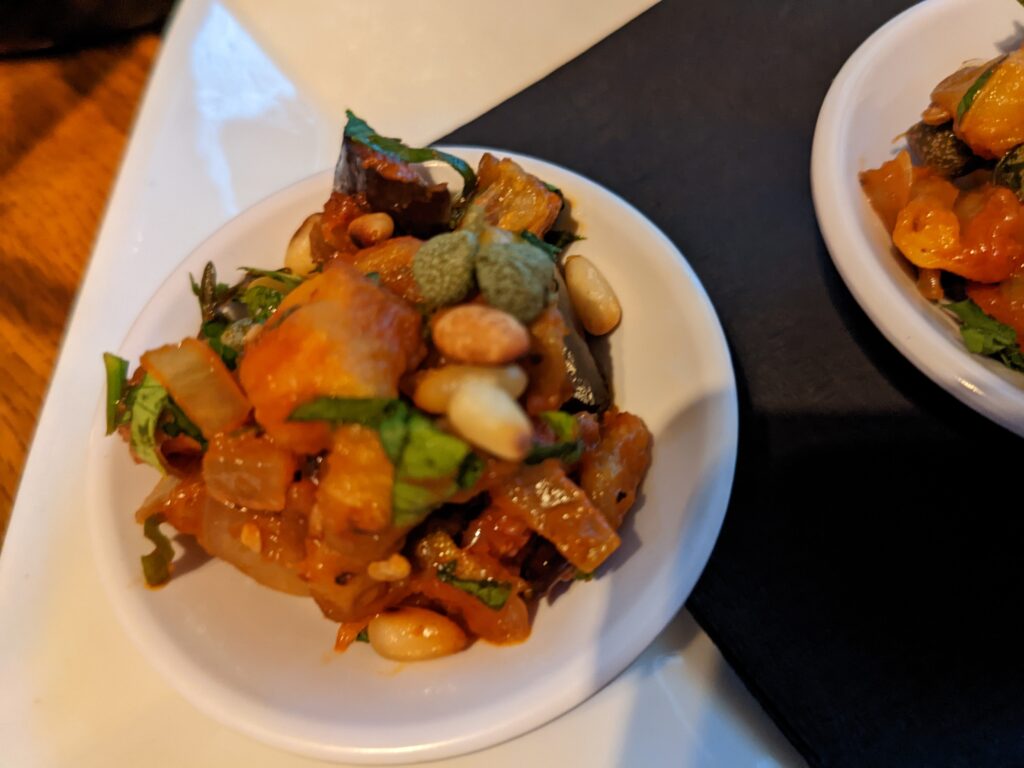
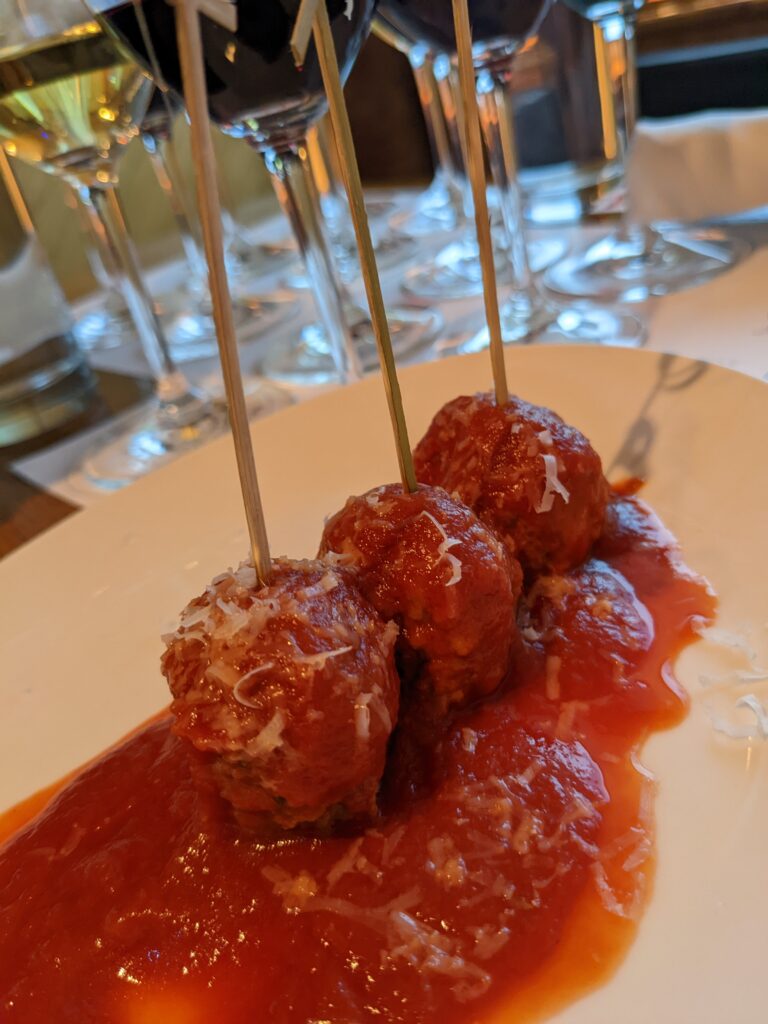
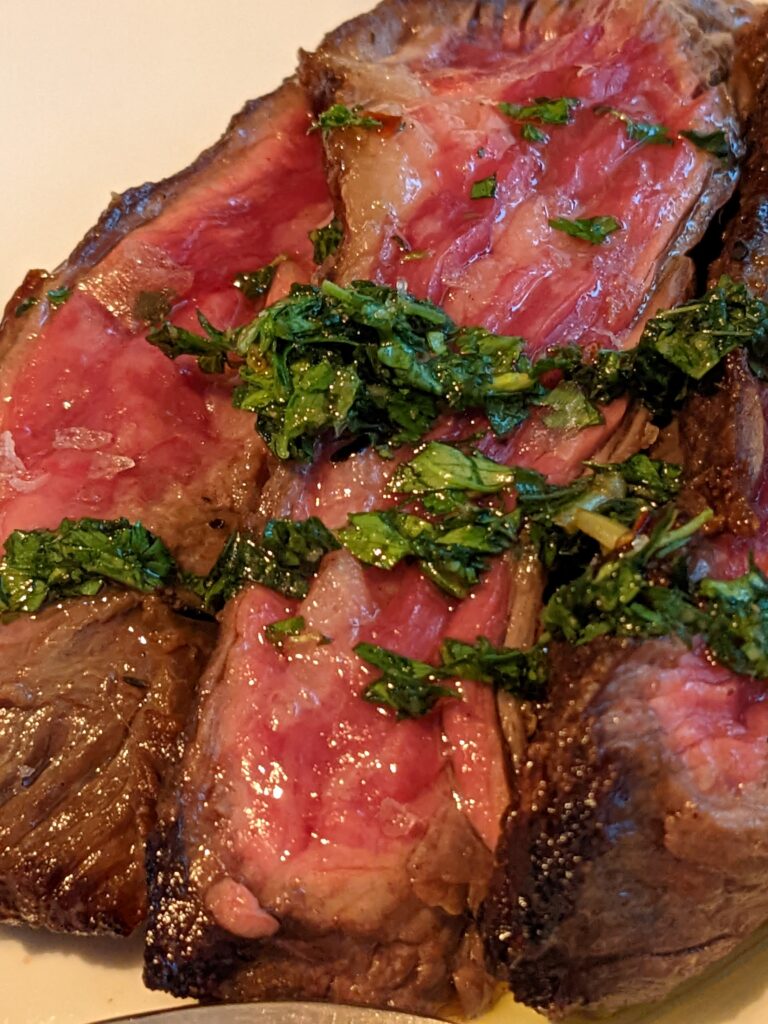
We started off the tasting with a lusciously aged white wine served with lemon butter shrimp, matching the decadent and rich nature of both the wine and the food. The next bite was arancini with mushrooms, which paired well with a fresh, fruity red. Ricotta crostini (using Laura’s grandmother’s recipe for homemade ricotta) showed spectacularly with a more robust red. The next set of reds went well with an eggplant caponata dish, meatballs in a tomato sauce and chimichurri steak.

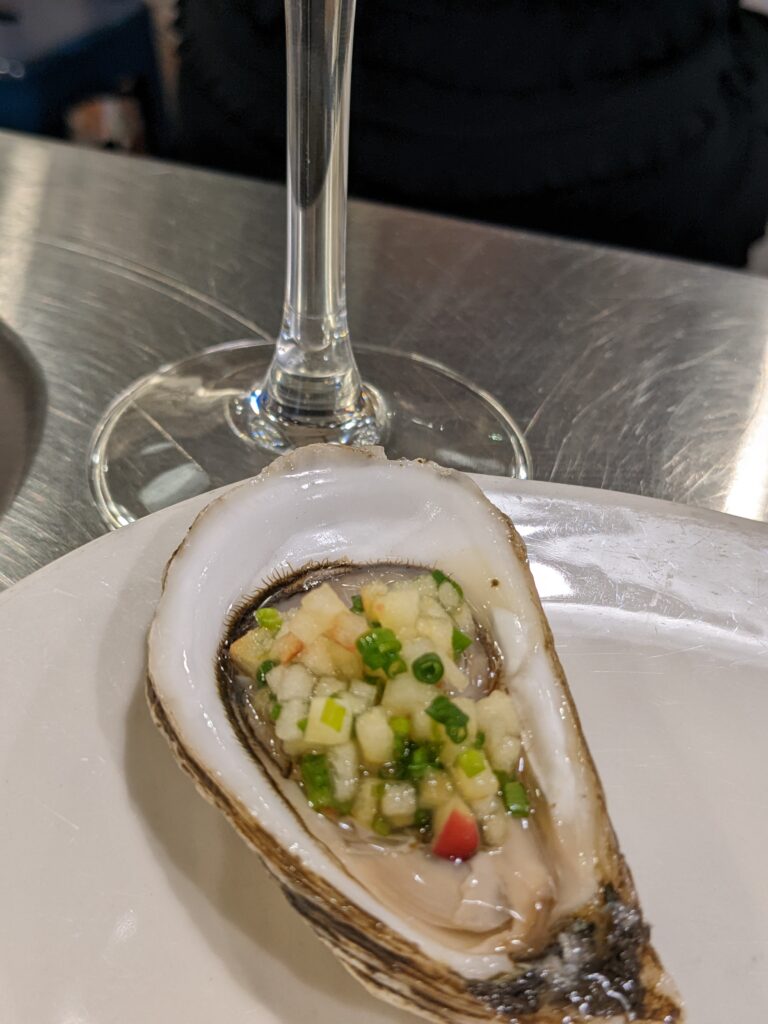
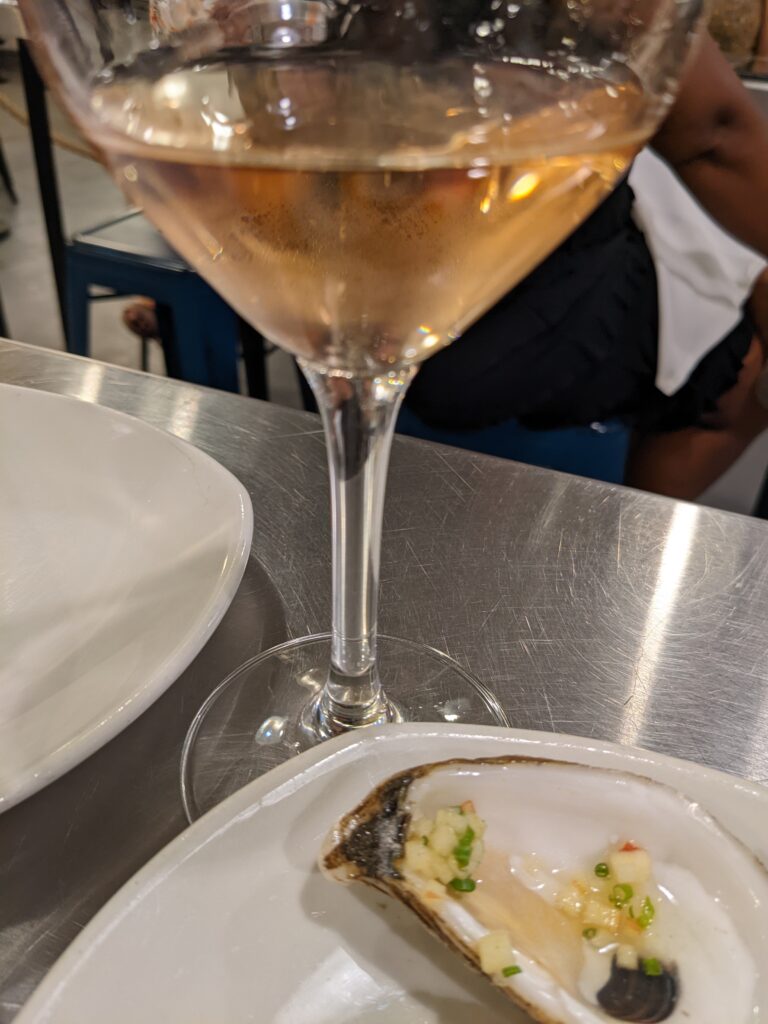
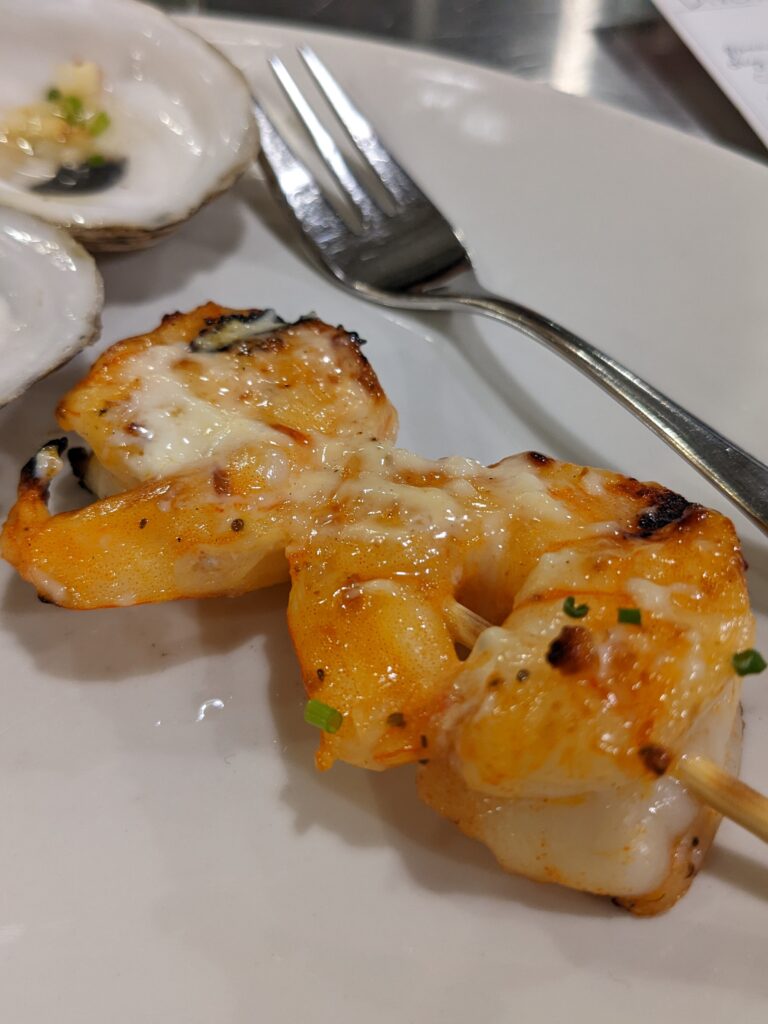
At Lobster Place, which has been in business for 45 years, we enjoyed raw oysters and
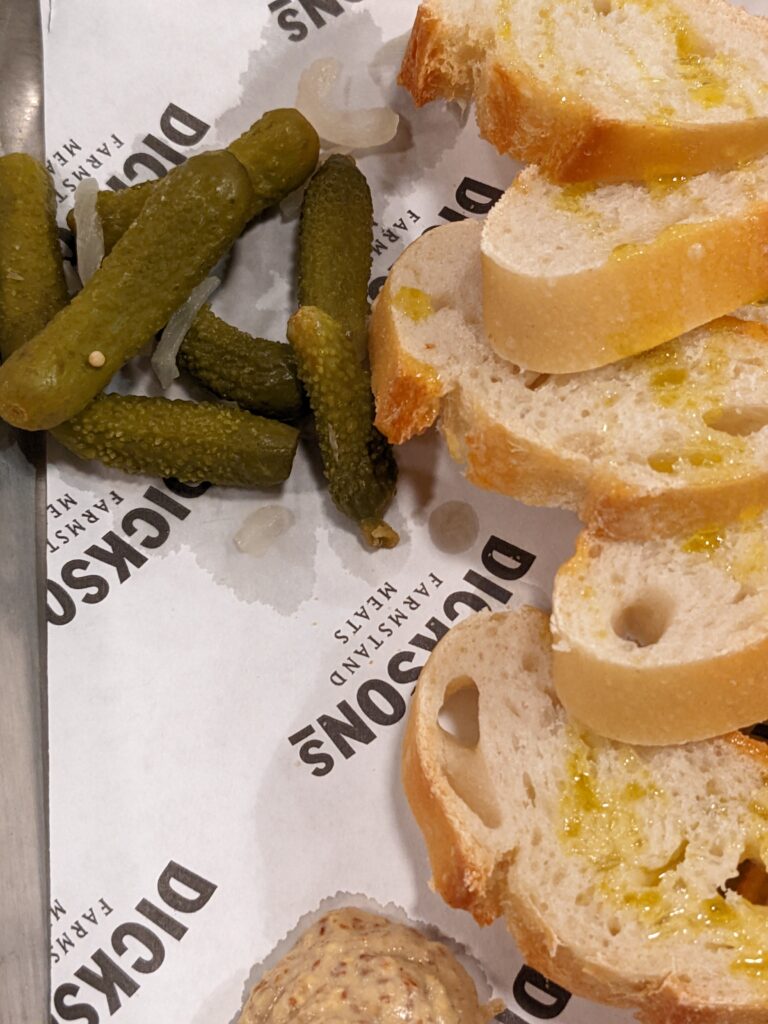
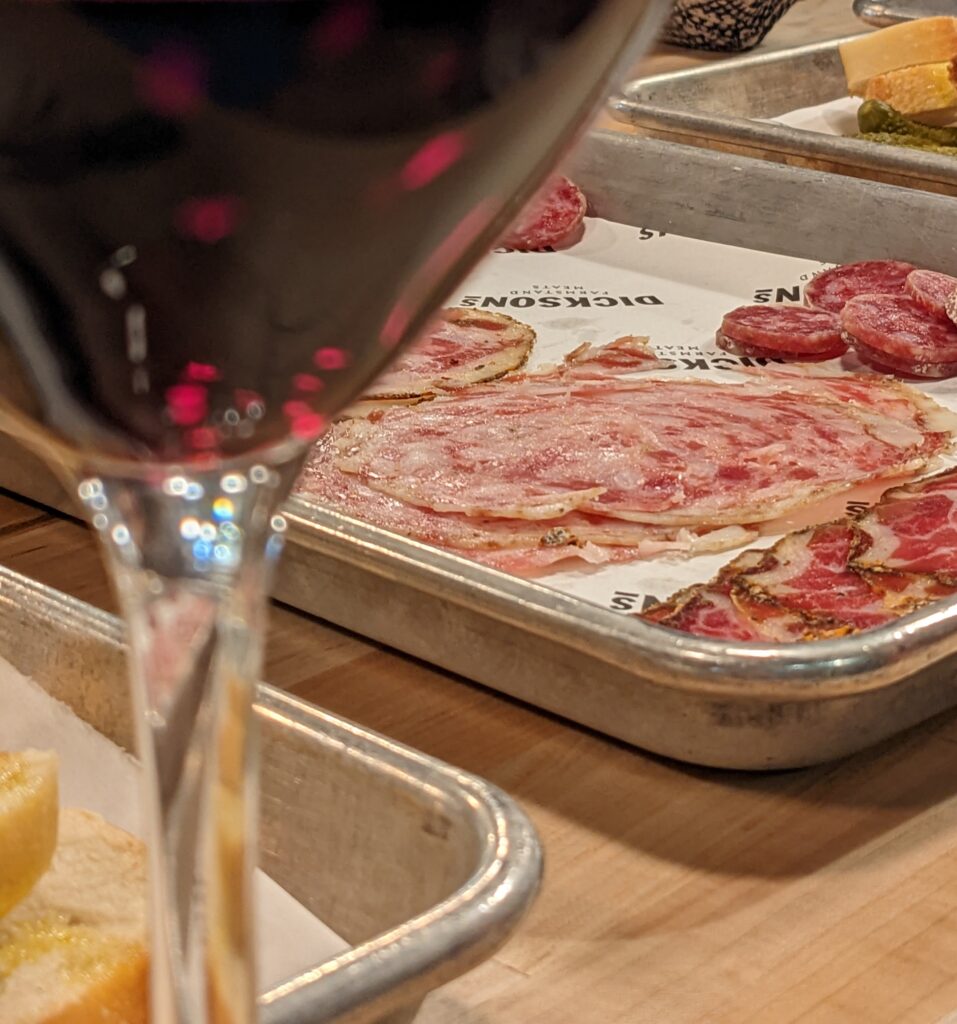
grilled shrimp, coupled with a fresh white and a fruit-forward rosé, respectively. Then, at Dickson’s, we had the pleasure of seeing how the range of charcuterie brought out the flavors of the wine — a pale rosé and an intense red.

TASTING NOTES

CORKBUZZ
Domaine Les Aurelles, Aurel Blanc 2013, Languedoc, France, $80.00
There are two ex-Bordeaux winemakers behind this wine, which is produced from 100% Roussanne and provides a perfect example of an age-worthy white from this region. Aromas of hazelnut, beeswax and pineapple greet the nose and persist on the dry palate. It is ripe and rich, with good acidity and notes of honey in the long finish.

Cave de Roquebrun, Chemin des Olivettes 2020, Languedoc, France, $13.00
Established in 1967, the Cave de Roquebrun co-op represents 70 winegrowers. This wine brings together 45% Syrah, 30% Grenache, 15% Mourvedre and 10% Cinsault and displays lots of fresh, red fruit with garrigue/dried herbs, with lavender and pepper especially in finish.

Domaine d’Aupilhac, Lou Maset 2019, Languedoc, France, $23.00
Named for an old, stone hut found in the vineyards of this biodynamic producer, the Lou Maset is intense and angular with fresh, lifted black fruit. A blend of 40% Grenache, 40% Cinsault, 10% Carignan, 5% Syrah, and 5% Alicante Bouchet, it is quite tannic, with lingering notes of dried orange peel, pepper and herbs.

Jeff Carrel, Les Darons 2019, Languedoc, $15.00
Named “Les Darons” which is an affectionate term used in Parisian suburbs for one’s parents, this is a blend of 75% Grenache, 20% Syrah, and 5% Carignan. It is lush with red and black fruit, woody notes, good, ripe tannins, lots of spice and full body, culminating in long length.

Devois de Perret, Cellier du Pic 2020, Languedoc, France, $14.00
Primarily Syrah, with 25% Grenache, this wine offers up complex aromas of smoke, leather, and dark red cherry. The medium+-bodied palate is fresh with good fruit character and long length.

Château La Negly, Clos des Truffiers 2018, Languedoc, France, $200.00
Originally called Ancely, Château La Negly dates to 1781. Consequently, this wine is produced from some of oldest vines in the region. Bringing together 80% Syrah and 20% Grenache, this is a stunning wine with layers of aromas and flavors. It is very oak dominant, with spice, dill, earth, leather, blackberry, cherries, floral and minerality as well as being rich in texture and tannin, culminating in long length.

LOBSTER PLACE
Château de Lascaux, Garrigue 2021, Languedoc, France, $20.00

This white blend (35% Vermentino, 20% Roussanne, 15% White Grenache, 15% Clairette, 10% Marsanne, and 5% Viognier) offers up fresh fruit and lively acidity with aromas and flavors of unsweetened limeade and tropical fruit with a lovely texture. It paired extremely well with Avelon oysters from Maine.

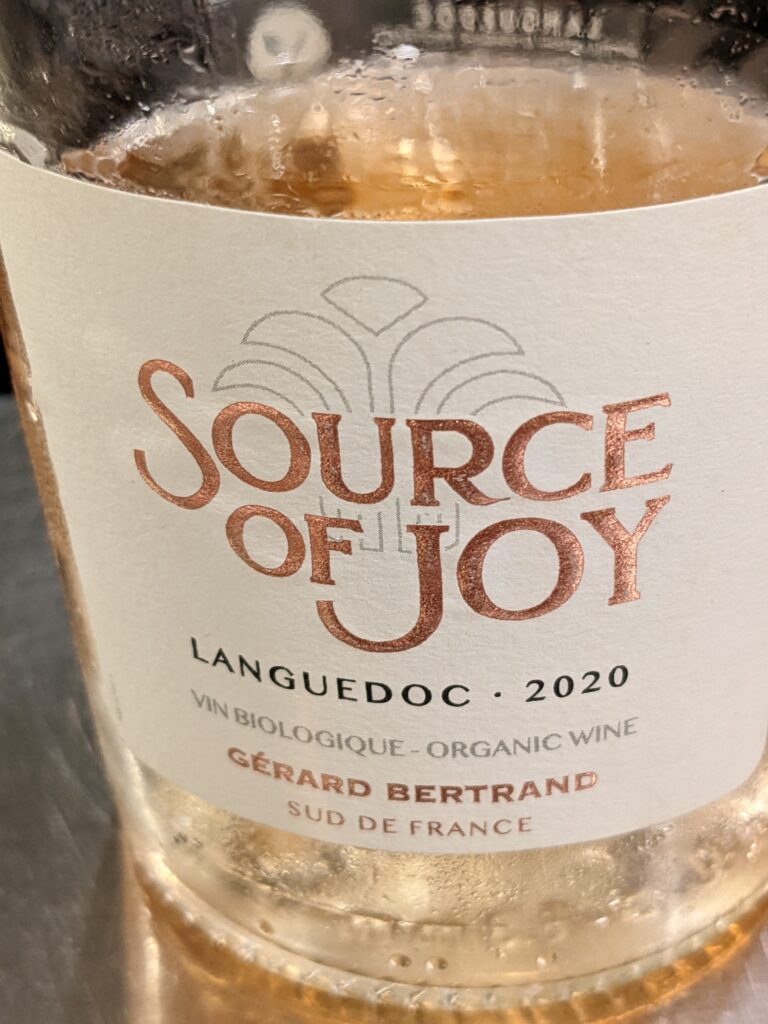
Gerard Bertrand, Source of Joy 2020, Languedoc, France, $20.00
This organic rosé had a portion of its wine matured in oak barrels, giving it depth and structure on the palate. It shows lots of fresh floral and strawberry notes, with long length.

DICKSON’s FARMSTAND MEATS
Domaine du Pas de l’Escalette, Ze Rozé 2020, Languedoc, France, $13.00

This is a much paler, lighter-bodied rosé, which is the result of a direct press and gentle extraction. With barely any color, it resembles a white more than a rosé, especially with its high acidity, but its berry aromas and flavors belie its true identity as a rosé. 

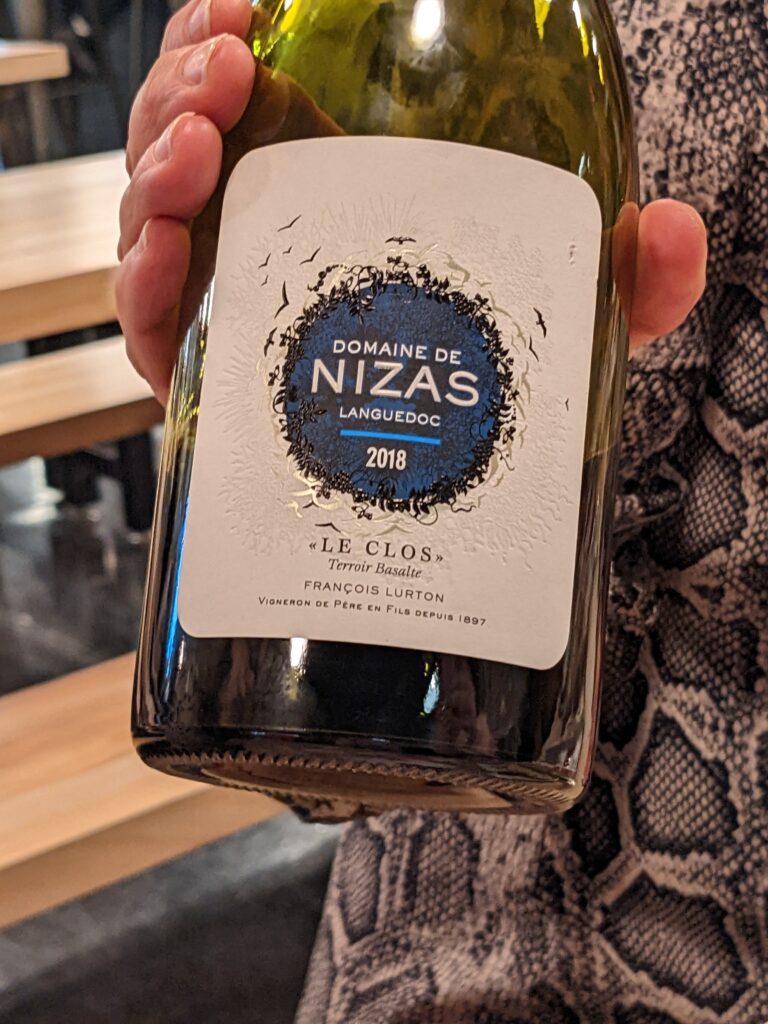
Domaine de Nizas, Le Clos 2018, Languedoc Pézenas, France, $21.00
Half of this Syrah blend (60% Syrah, 20% Grenache, 15% Mourvèdre and 5% Carignan) spent time in three-year-old French oak barrels. Displaying lots of character and finesse, it is fresh yet tannic, with red fruit and spice, with long length.


Summer Sips 2022, What Wines to Drink Now

Happy Summer! It’s that time of the year when I finally venture outdoors and partake in my favorite pastime – picnics! While I got off to a good start, it’s been a bit quiet lately, but I am looking forward to the holiday weekend to make up for lost time. Regardless, I am super excited about some of my newfound picnic discoveries.

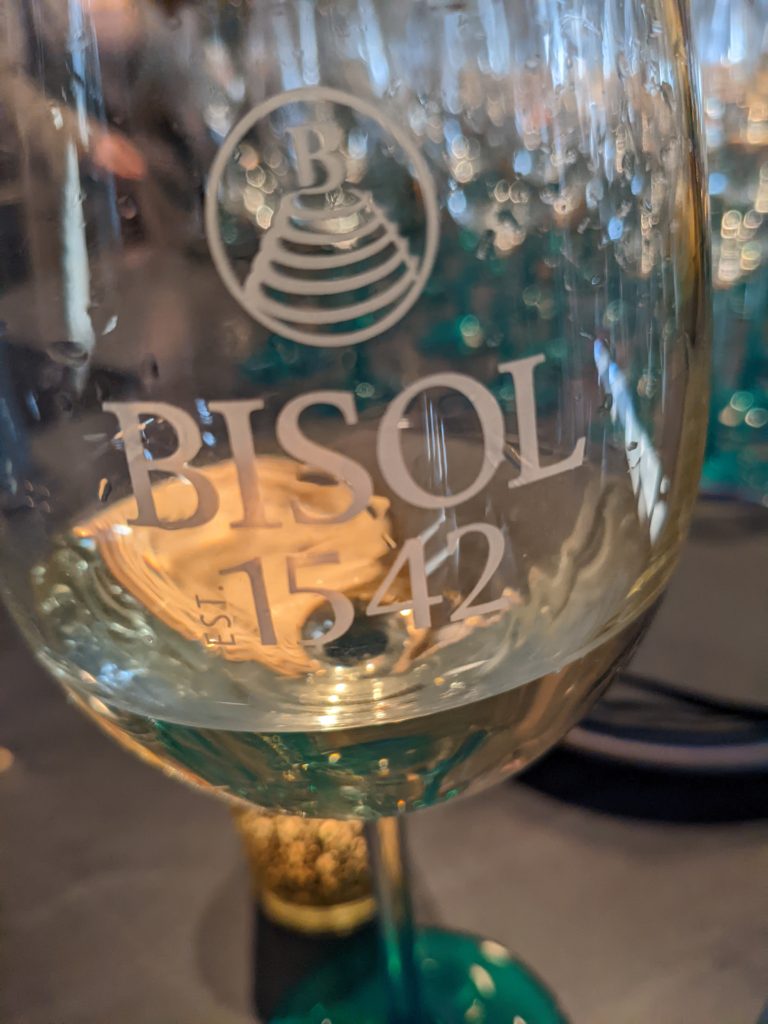
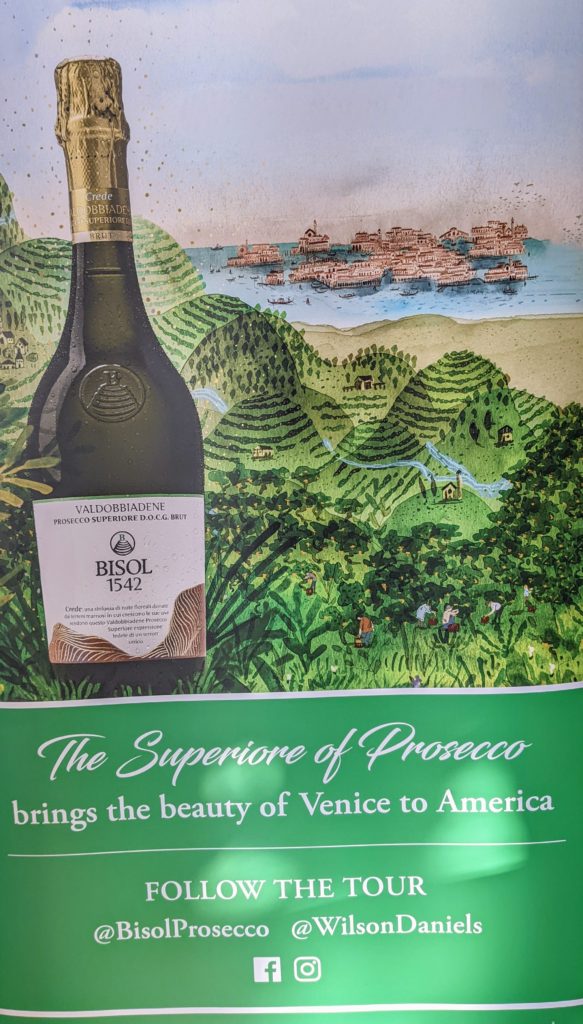
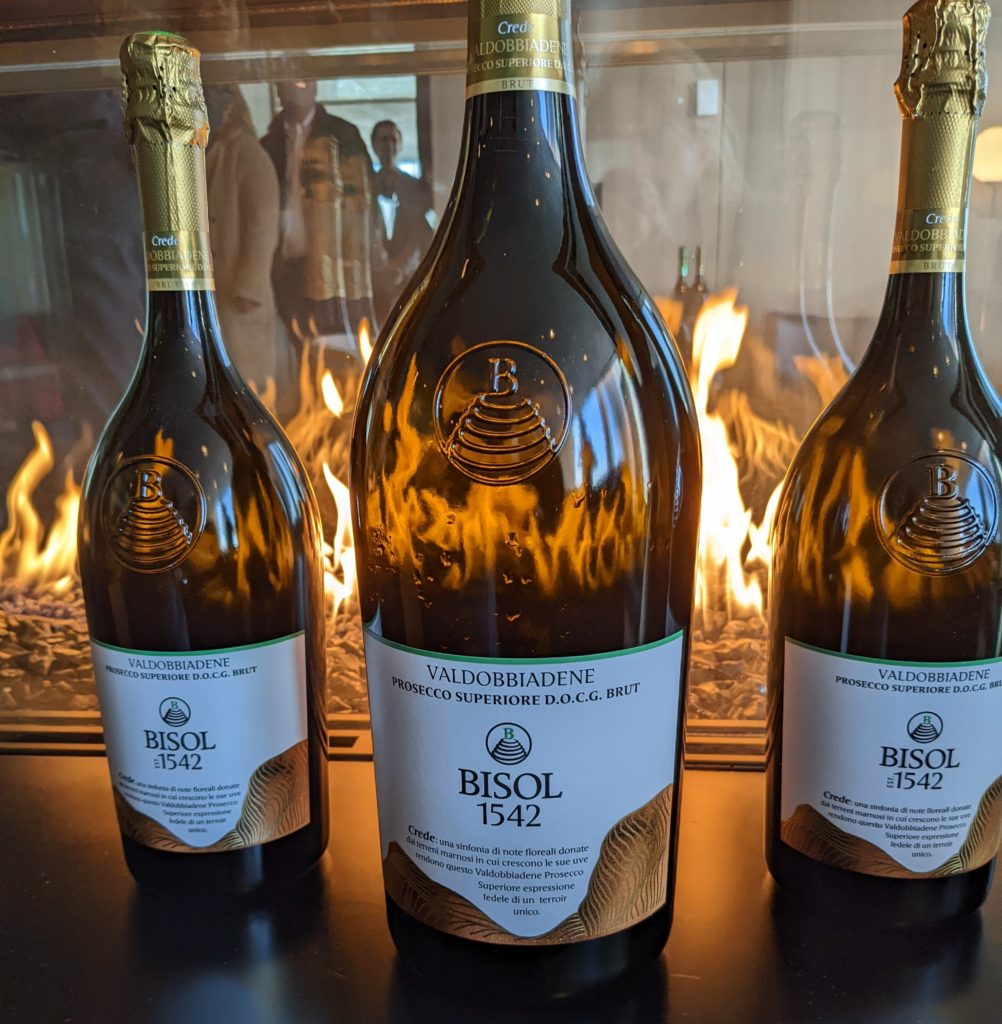
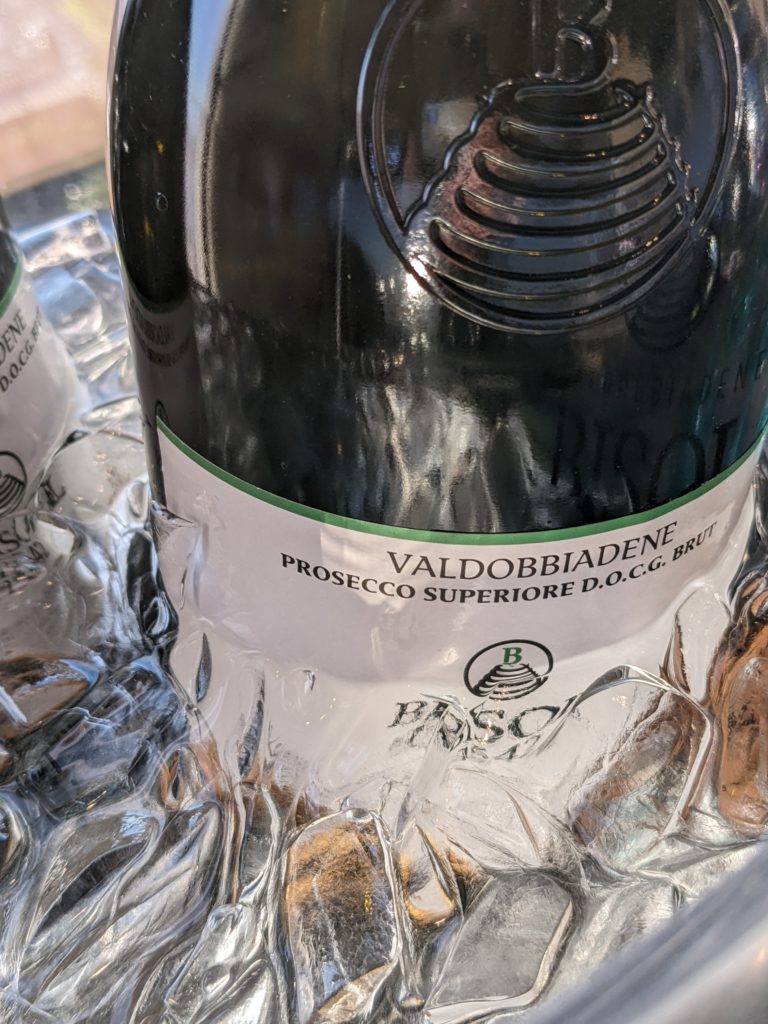
We kicked off the summer season in late April (yes, it is a stretch and it was especially windy on the date in question, but anyway …) with Bisol’s anniversary celebration. This historic Prosecco Superiore producer (see previous stories on Prosecco Superiore here) dates from 1542 and has a member of the 21st generation, Gianluca Bisol, at its helm. The event was held at the Lemon Rooftop in NYC’s Hudson Yards, with its spectacular views of the Hudson River. With free-flowing sparkling wine, guests were provided with the wonderful opportunity to taste through a selection of their Proseccos including:
*Bisol Crede, Valdobbiadene Prosecco Superiore DOCG
*Jeio Brut, Valdobbiadene Prosecco Superiore DOCG
*Jeio Prosecco Rosé DOC
NB: Rosé has only recently been approved to be included in the Prosecco DOC and is not permitted for the DOCG.

While you can enjoy these wines anytime of year, the effervescent nature of the wines and celebratory nature of the event, with its great music, good food and delicious wines, were a festive reminder that summer and lighter times were just around the corner.

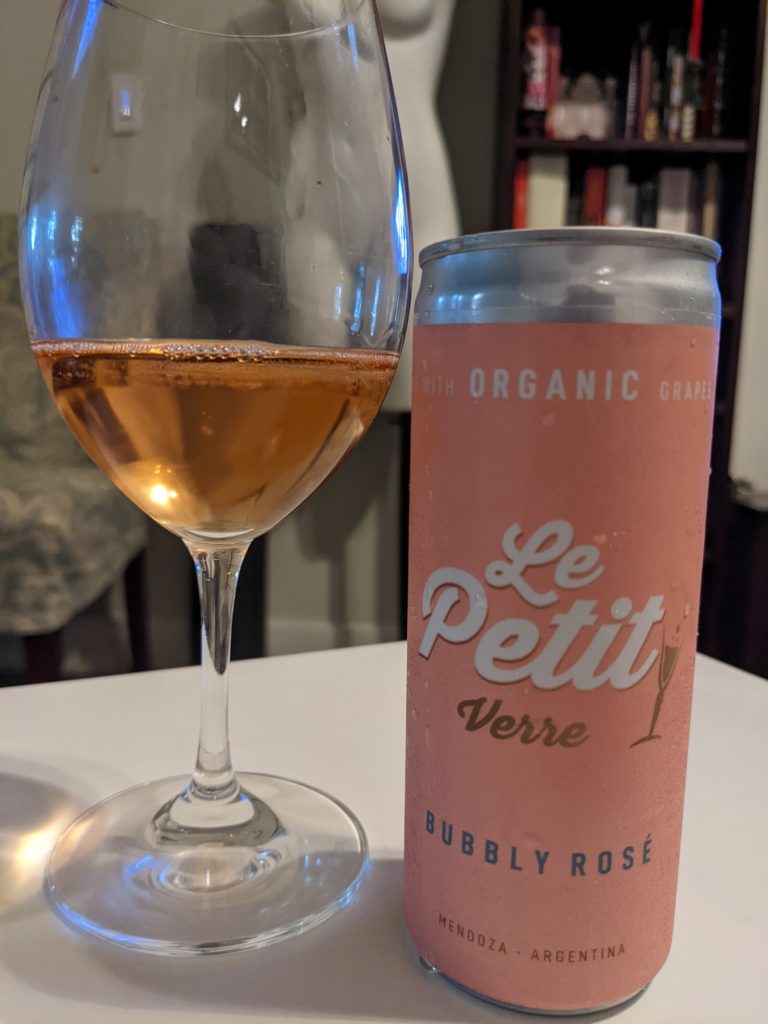
I am also a bit in love with wines in can from Domaine Bousquet (which I’ve written about previously), which are perfect for their portion control and portability. These lightweight, aluminum cans of 100% certified organic wine are a great option for picnics, beaches that permit alcohol and any other outdoor activities where food and wine are welcome. Plus, they cool quickly and add a lovely flair to your al fresco meals with their food friendly nature and freshness.

A blend of Pinot Noir, Syrah, Pinot Gris and Viognier, Le Petit Verre Bubbly Rosé is slightly effervescent, and offers up lovely citrus and berry notes, with bright acidity on the dry and balanced palate, with long length.

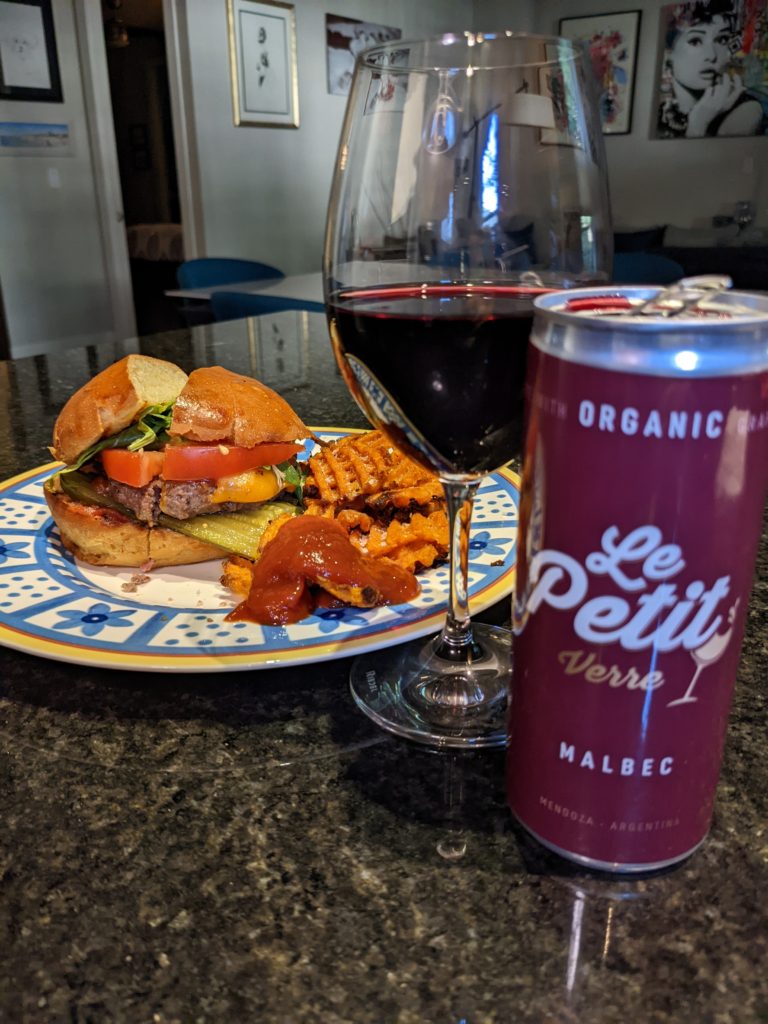
The Le Petit Verre Malbec delivers ripe black fruit aromas and flavors, with good acidity and some complexity, culminating in long length. It was a perfect foil for my BBQ burger craving over Memorial Day Weekend.

These Argentine wines hail from Tupungato,vineyards in the Mendoza region. At an SRP of $13.00 for a four-pack, each 250-ml can provides approximately a glass and a half of wine, at roughly $3.50 per can.

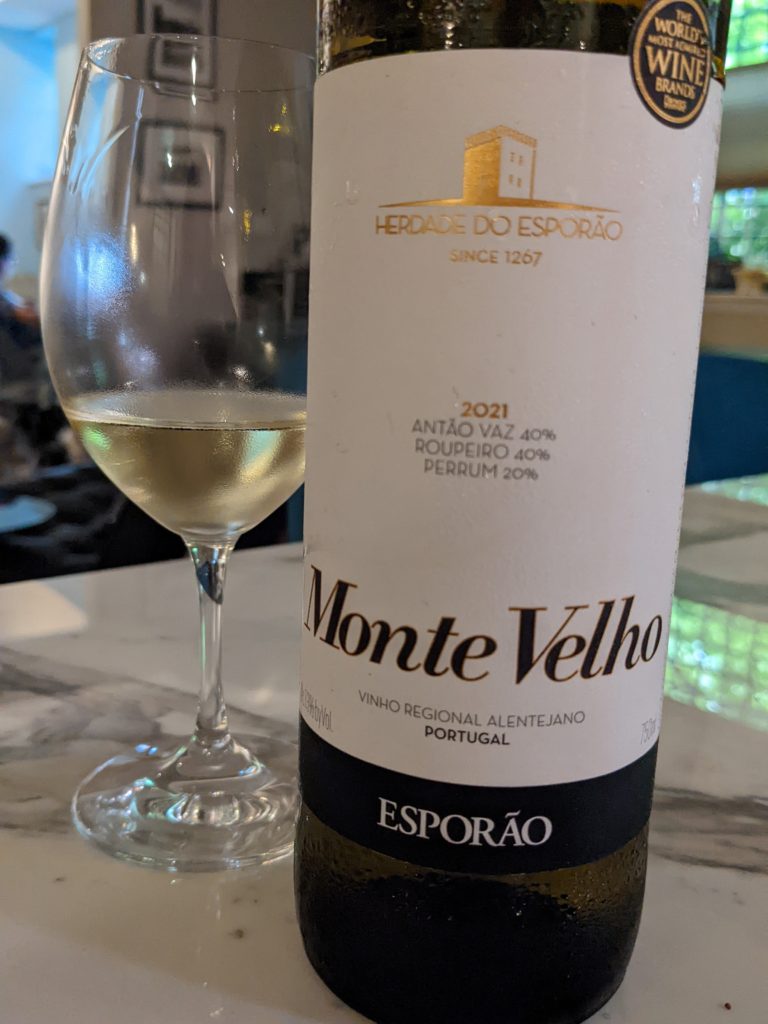
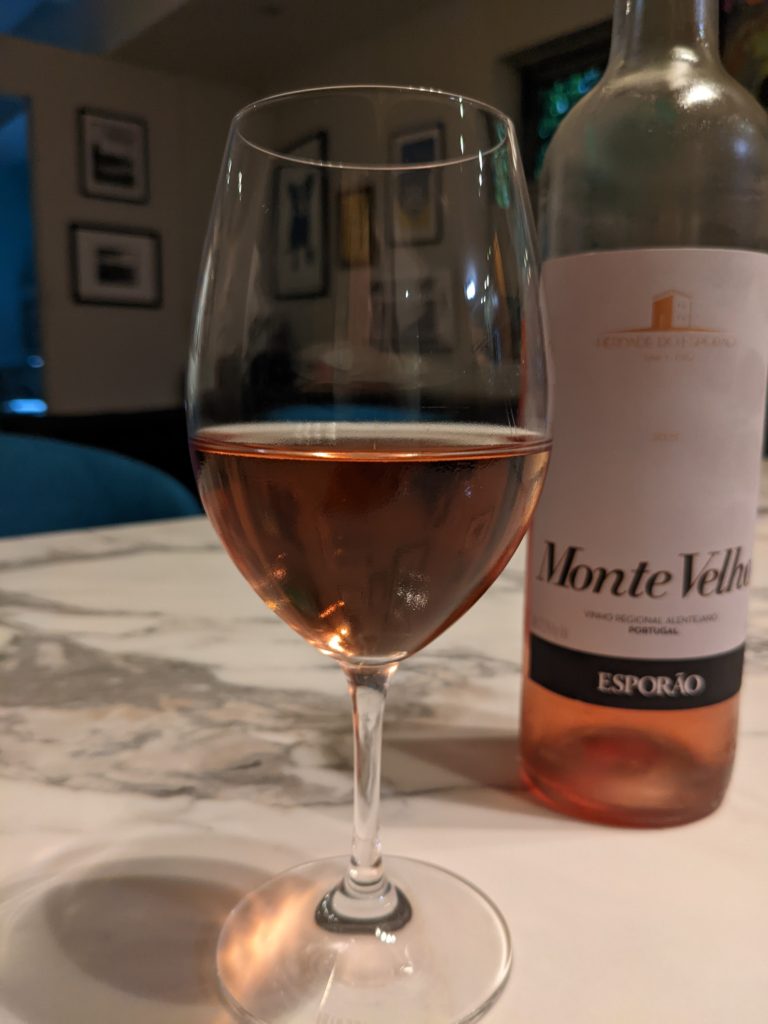
And finally, it was a pleasure to taste two wines from Monte Velho, which provided yet another reminder that Portuguese wines provide great value and great taste. These wines are produced in the Alentejo region and are wonderful examples of indigenous Portuguese varieties. Here, blending has a long history, but today’s wineries are bringing a more modern approach with the deliberate planting of varieties in specific vineyards, rather than relying on the field blends of yesteryear.

A blend of Antão Vaz, Perrum, and Roupeiro, the Monte Velho White 2021 is clean and fresh with medium to full body, with good concentration of ripe white fruits and citrus on the dry palate, with briny minerality and long length.

The Monte Velho Rosé 2021 brings together Touriga Nacional, Aragonez, Syrah, Trincadeira and Tinta Caiada, and Arinto, yielding a wine with fresh strawberry and raspberry notes, and a hint of herbaceousness. With medium acidity, medium body and long length, this dry wine was both refreshing and food friendly.

Both wines retail at $12.00/bottle and are certified vegan by the European Vegetarian Union. Moreover, they are shipped in eco-friendly packaging with lighter-weight bottles and 100% varnish-free, recycled cardboard.

I hope these wines inspire your own al fresco dining this summer season!

Building and sustaining relationships at Loveblock Wine

Erica Crawford Loveblock Wine

“Everything is based on relationships.” ~ Erica Crawford

As Erica Crawford of Loveblock Wine stated early on in the evening, “Everything is based on relationships…” which is how a South African medical researcher ended up in New Zealand and ultimately became part of the New Zealand wine industry. In sharing her back story, Erica talked about that first, vital relationship when she met “a Kiwi bloke” at a wine fair in Cape Town, a theme that resonated throughout our time together.

After emigrating to New Zealand and marrying Kim Crawford (the aforementioned “Kiwi bloke”), Erica pursued pharmaceutical sales while her husband established his winemaking career. The two eventually started the eponymously named Kim Crawford winery, building a successful business and brand and selling it in 2003. As a condition of the sale, they had to wait several years before they could resume their life in the industry.

The following year, Erica fell in love with the view of a vineyard situated within the Awatere Valley of New Zealand’s Marlborough region, making the purchase with proceeds from the sale. She appropriately named it Loveblock, which gave name to their next venture, Loveblock Wine, which they launched once the embargo was lifted.

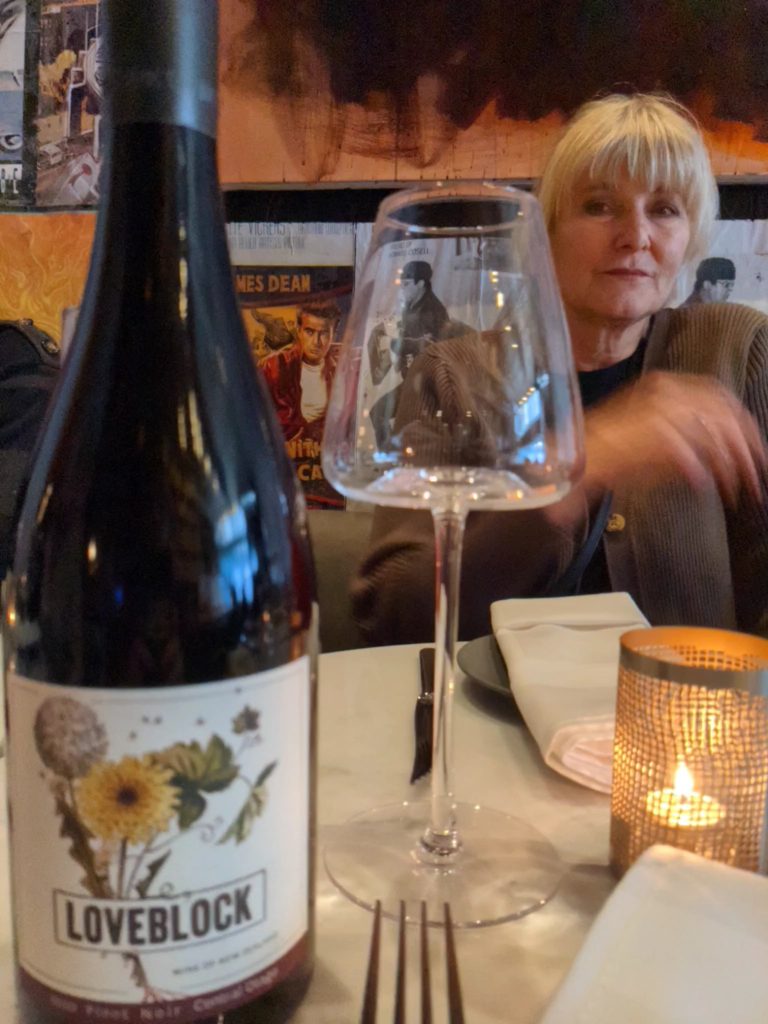
I first met Erica in May 2016, when she was in town to share her Loveblock wines with members of the NYC wine press (see previous post). Back in New York City in May 2022 after a lengthy hiatus, Erica once again met with wine journalists, this time at the newly opened Vinyl Steakhouse.

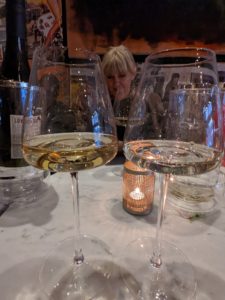
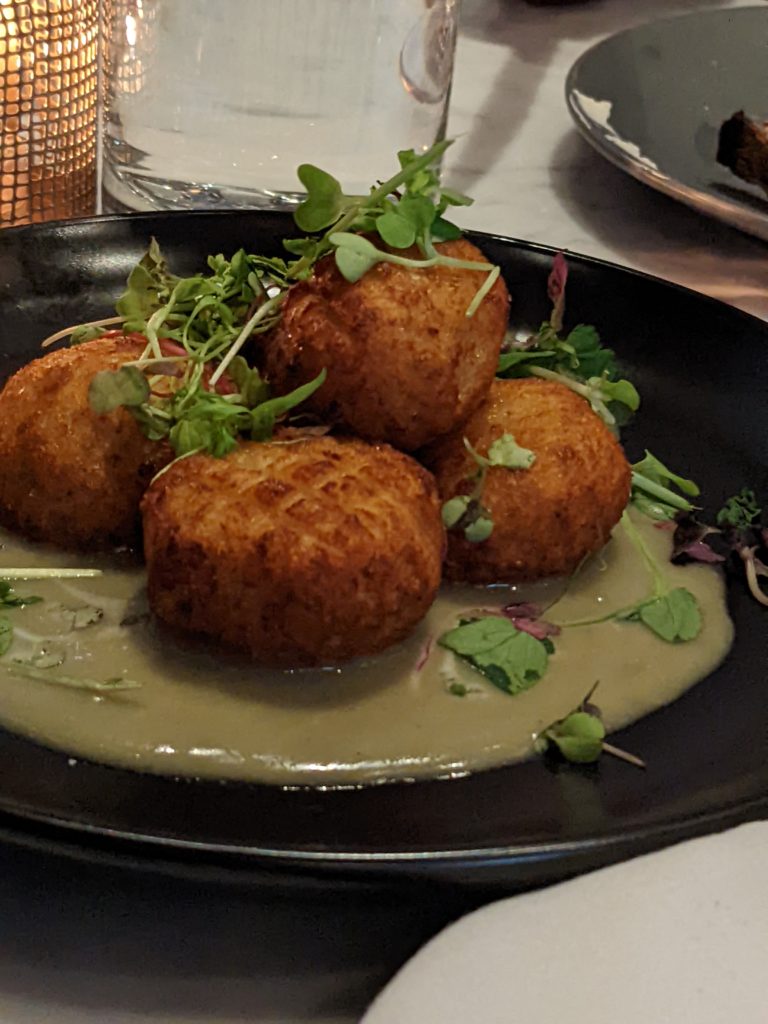
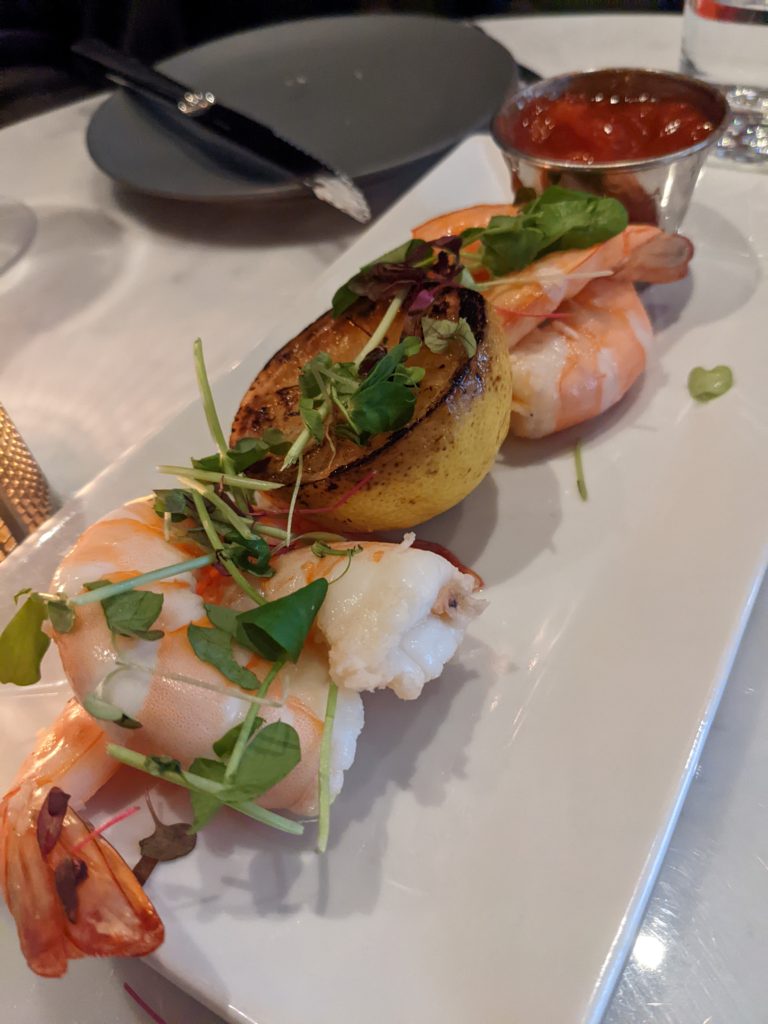
Over dinner, we talked about the relationship between wine and food. Perusing the menu, Erica recommended the potato croquettes, chosen for having been fried, as a perfect foil for her Pinot Gris. She also suggested that we try the shrimp cocktail, crab cakes and the crispy sushi roll. Not surprisingly, her selections were spot on and we all enjoyed the appetizers with the wine.


We next talked about the relationship between farming and the environment. Upon purchase of the Loveblock land, Erica and Kim decided to plant the vineyard utilizing organic farming practices, which they had already begun to embrace in their diet. Today, their Anchor Estate Vineyard is certified organic by BioGro New Zealand. Moreover, as grape growers and winemakers, they are deeply rooted in sustainability and have inculcated this approach into all that they do. They refer to their philosophy as the “’triple bottom line’ concept: (Profit People Place)”.

As we moved on to our main courses, we talked about music, having fun with Vinyl Steakhouse’s collection of… vinyl. Choosing records from Lou Reed, Stevie Nicks and others, we reminisced about our teenage years and the music that accompanied them.

And eventually we talked about wine. In fact, Erica has to be prompted several times to talk about the individual wines because we have become so engrossed in other conversations.

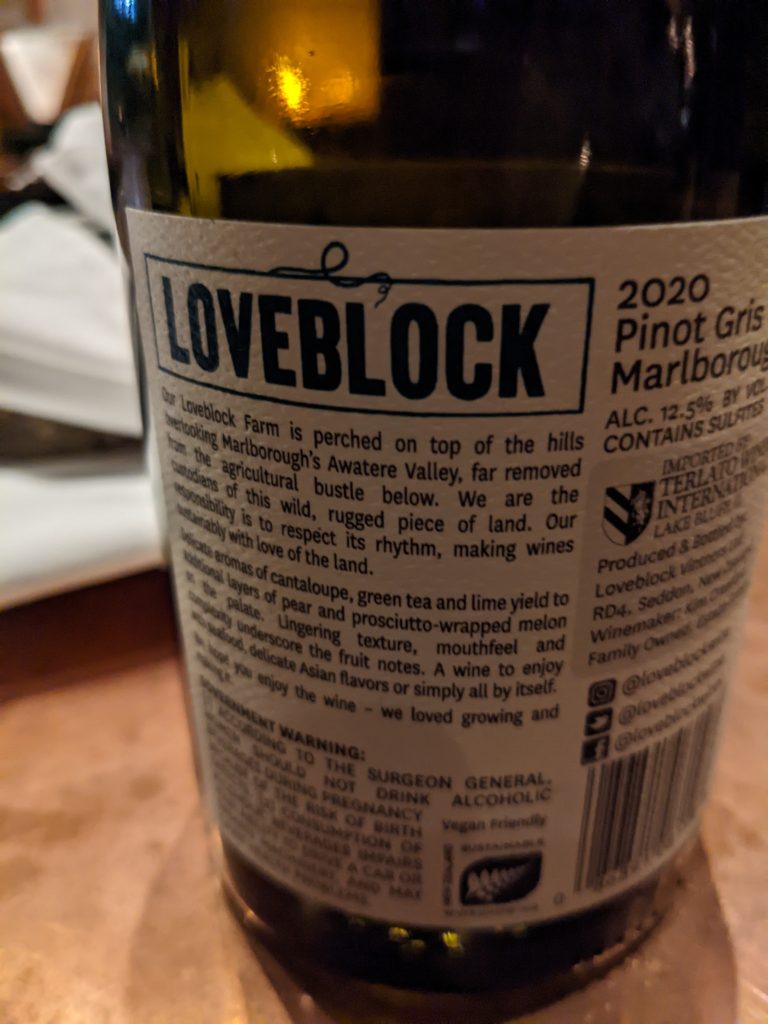
As noted, we kicked off the meal with the Pinot Gris 2020 from Marlborough. Erica advised us that there has been increased interest in New Zealand Pinot Gris, which made me very happy since I had really enjoyed the Pinot Gris wines I had tasted in New Zealand during my visit in 2011. She clarified that they are crafting wines that provide an alternate option to Pinot Grigio, since theirs is more similar in style to Oregon Pinot Gris. For her, the wine is great as an aperitif and walks the tightrope of sugar and alcohol, while providing good fruit flavor. As I taste it, it is lush on the palate, with good acidity, medium body and notes of almond, pear and citrus, with long length.

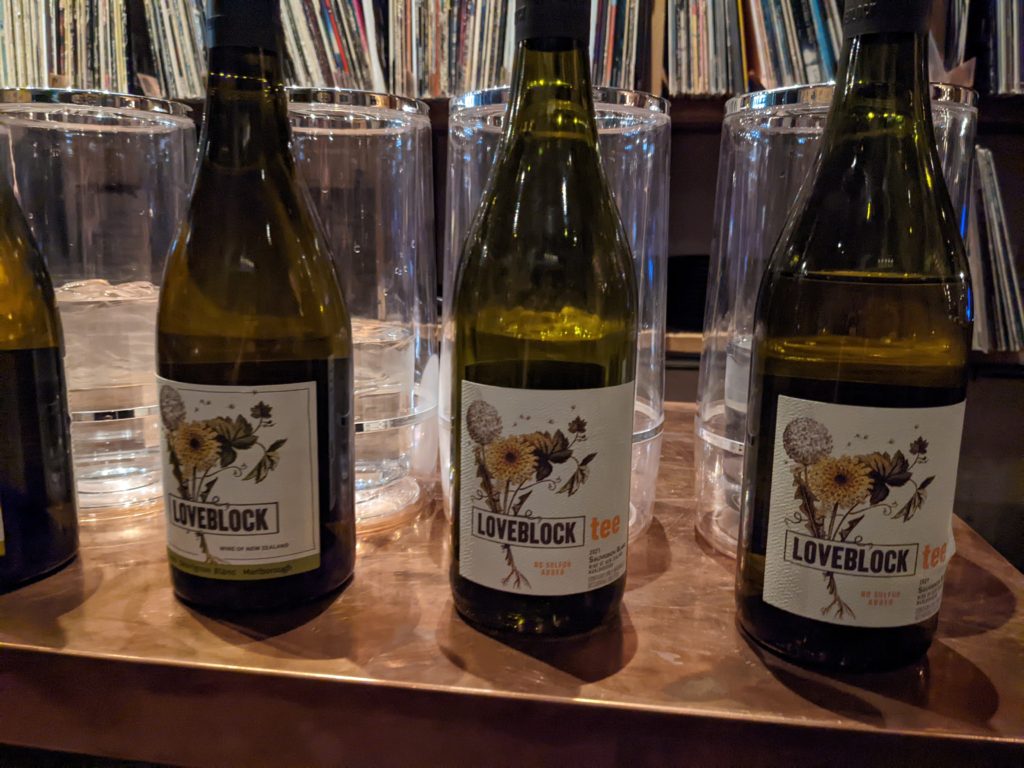
We then turned our attention to the two Sauvignon Blancs Erica had brought. The first was the Sauvignon Blanc 2020, which is a relatively typical New Zealand Sauvignon Blanc with fresh herbal characteristics joined by fresh citrus fruit, but with less pronounced notes than other NZ SBs. Erica describes it as being broader on the palate with pineapple, peach and cilantro notes, highlighting this latter aroma as making it a great option to pair with greens, especially kale, which can be a tricky wine partner.

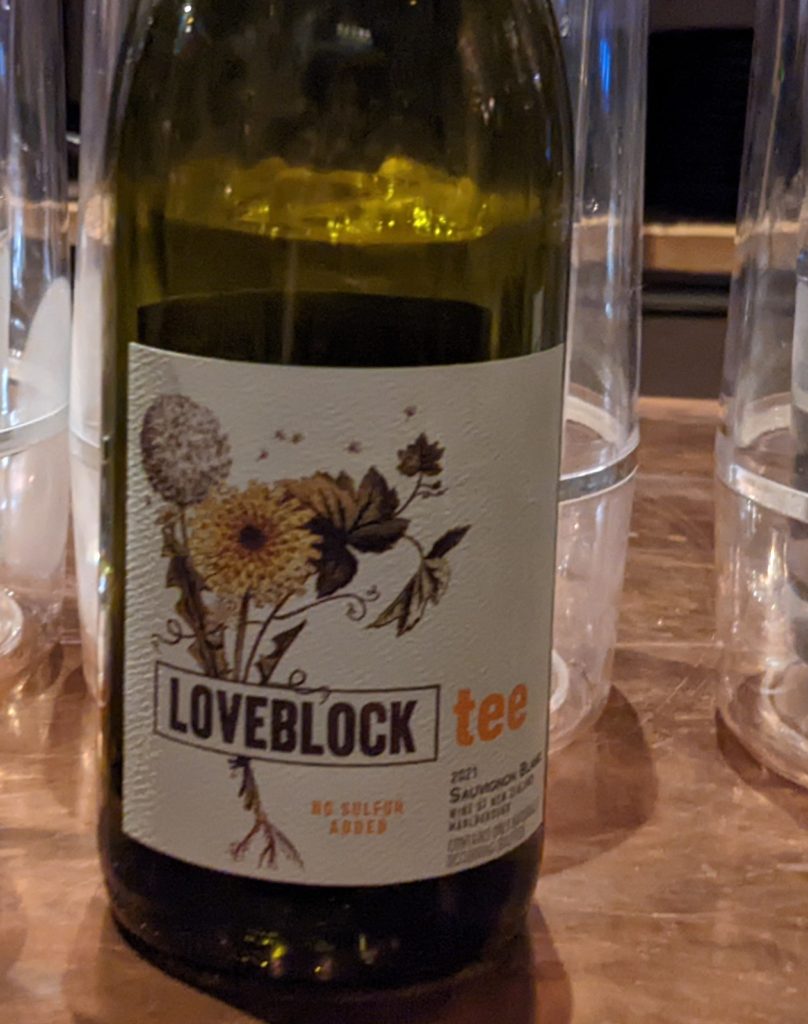
Next up is their newest creation: Tee Sauvignon Blanc 2021. As its origin story, the intent was to keep sulfur levels low, but prevent oxidation. As a solution, they discovered a green tea additive in powder form that blocks the enzymes that cause oxidation in wine. In this way, they are able to produce not just a wine made with organic grapes, but actually a certified organic wine that is stable. This latter point is particularly important.

As a result, they have created a completely different iteration of Sauvignon Blanc. Depicted by Erica as having more mandarin, starfruit and spice aromas, the wine is also lower in acidity, yet richer than the first Sauvignon Blanc. It was really intriguing and exciting to taste this wine with its depth and structure, thanks to the tannins from the green tea as well as the six hours of skin contact that the wine received. It culminated in very long length and was my favorite wine of the night.

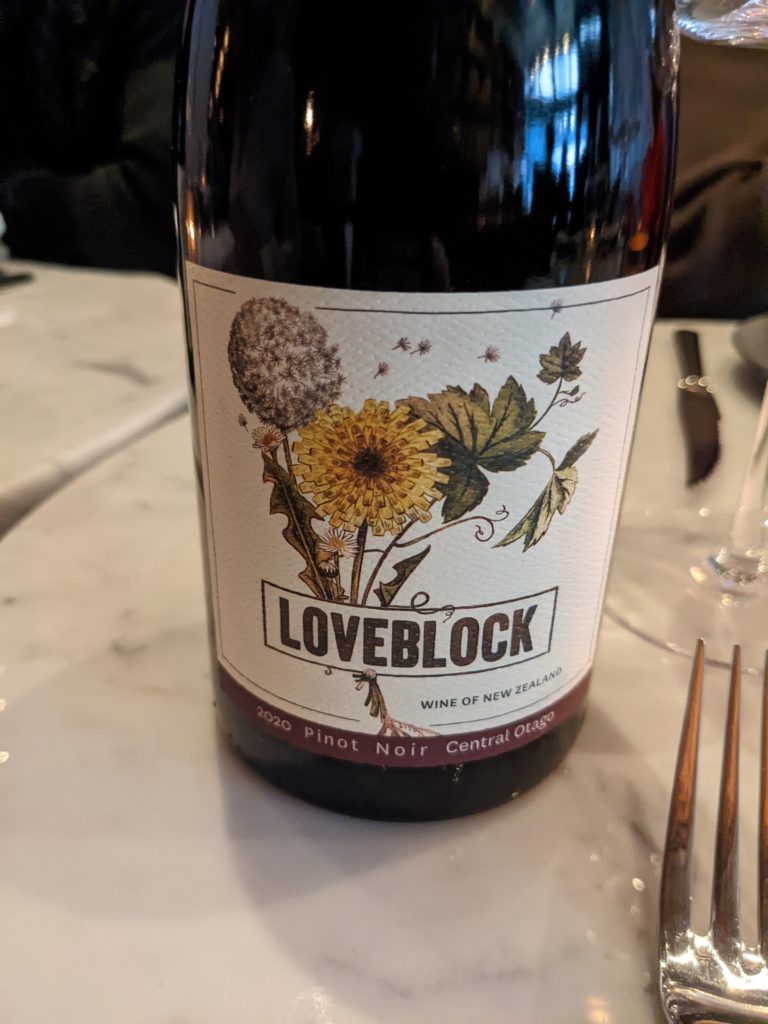
Our final wine of the evening was the Pinot Noir 2020 produced from fruit grown in Central Otago. This was really lovely with smoke, herbs, cherry and lots of earthiness on the medium bodied palate, along with nice, ripe tannins and good length.

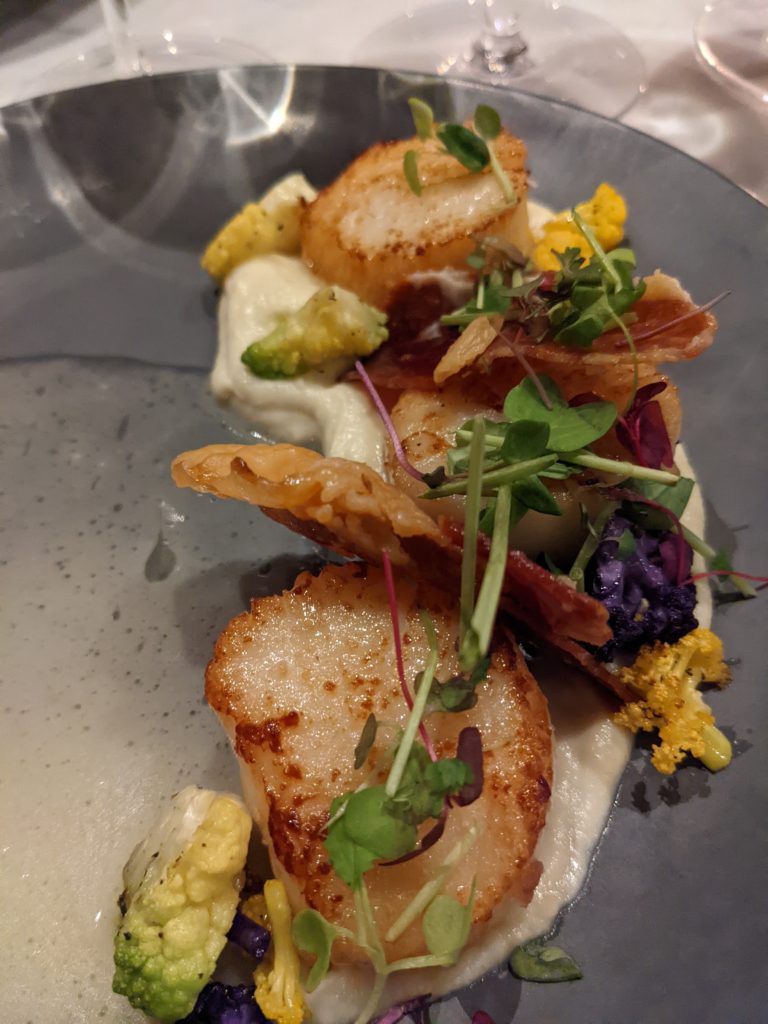
Even though we were at a steakhouse, I opted to forgo the filet mignon and went with the scallops, accompanied by cauliflower purée and crispy prosciutto. It paired beautifully with both the Tee Sauvignon Blanc and the Pinot Noir.

At the end of the night, we were all reluctant to leave having renewed our relationships among Erica and ourselves. And that is everything.