Loire Valley Wine for the Win

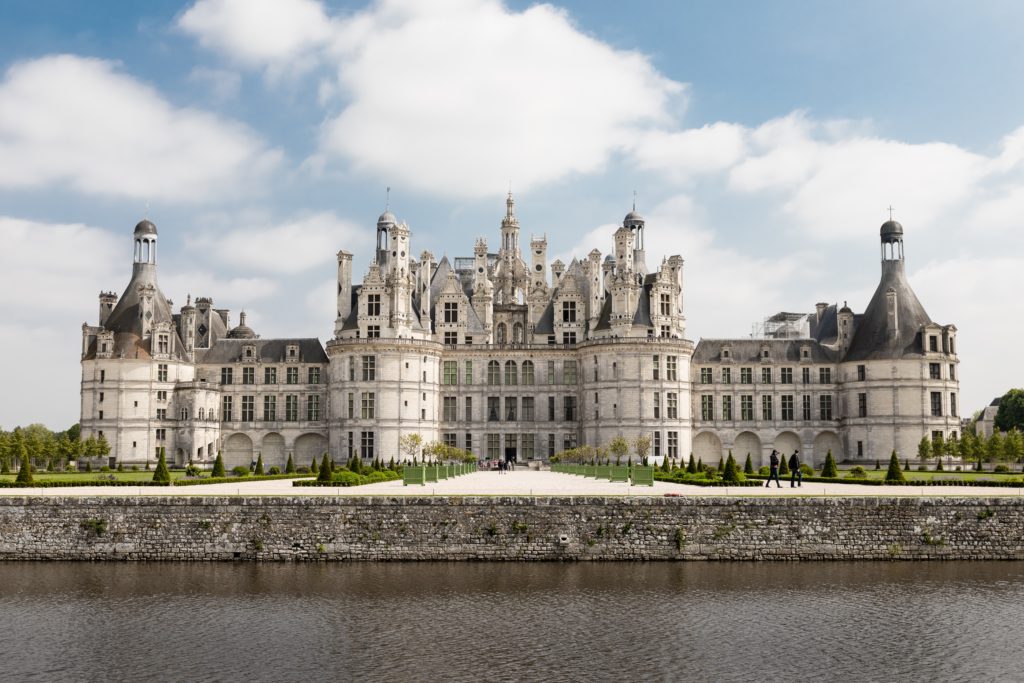
With Thanksgiving around the corner, one need not look any further than the Loire Valley for wonderful wines to grace their table. Here, in the land of castles and Kings, French royalty would spend their summers in the countryside away from the hustle and bustle of Parisian city life.

Spanning 629 miles and stretching from the Atlantic Ocean to the center of France before heading south, the Loire River is the longest wild river in France. Given this vast distance covered, a diversity of climates, grapes and wines exist, making the river among the only threads that tie this large wine region together. Rather, while lumped into one large region, the Loire Valley is actually an amalgam of several smaller wine appellations that offer up a wide range of wines thanks to changing microclimates, soil types and grape varieties. This sheer diversity means that there is something for everyone from bone dry, mineral-driven whites to lusciously sweet dessert wines and everything in between. Additionally, the area is known for its full range of red, white, rose and refreshing sparklers. So, if you can’t find a Loire Valley wine to love… chances are that you don’t actually like wine 😉.
My husband and I visited the Loire Valley back in 1999, as part of a belated honeymoon trip through France. Our knowledge of the area was limited, but we were excited to visit the grand chateaux that now function as museums. However, upon arriving in the region, we quickly discovered that it was not only home to stunning scenery, exquisite castles and fabulous gastronomy, but it was also home to a plethora of wine.

To wit, we had barely entered the area when we were enticed to stop at Domaine Ackerman where we did a tasting of their Crémant de Loire sparkling wines. These Traditional Method sparklers spend a minimum of nine months aging on the lees and deliver great quality and value. It was a lovely introduction to the region and a welcome respite after our long drive.

Today, 85% of Loire Valley vineyards are farmed in adherence with one or more environmental approaches, signifying the region’s dedication to sustainable practices. The most prevalent varieties include Cabernet Franc (most notably the Bourgueil and Chinon appellations), Chenin Blanc (grown in the areas of Anjou, Saumur and Vouvray) and Melon (wines labeled as Muscadet, hailing from the Atlantic coast). Another key grape is Sauvignon Blanc, which is primarily planted in the continental climate of the Central Vineyards (with wines labeled — and perhaps more recognizable to consumers as — Sancerre, Pouilly Fume, and Menetou-Salon).
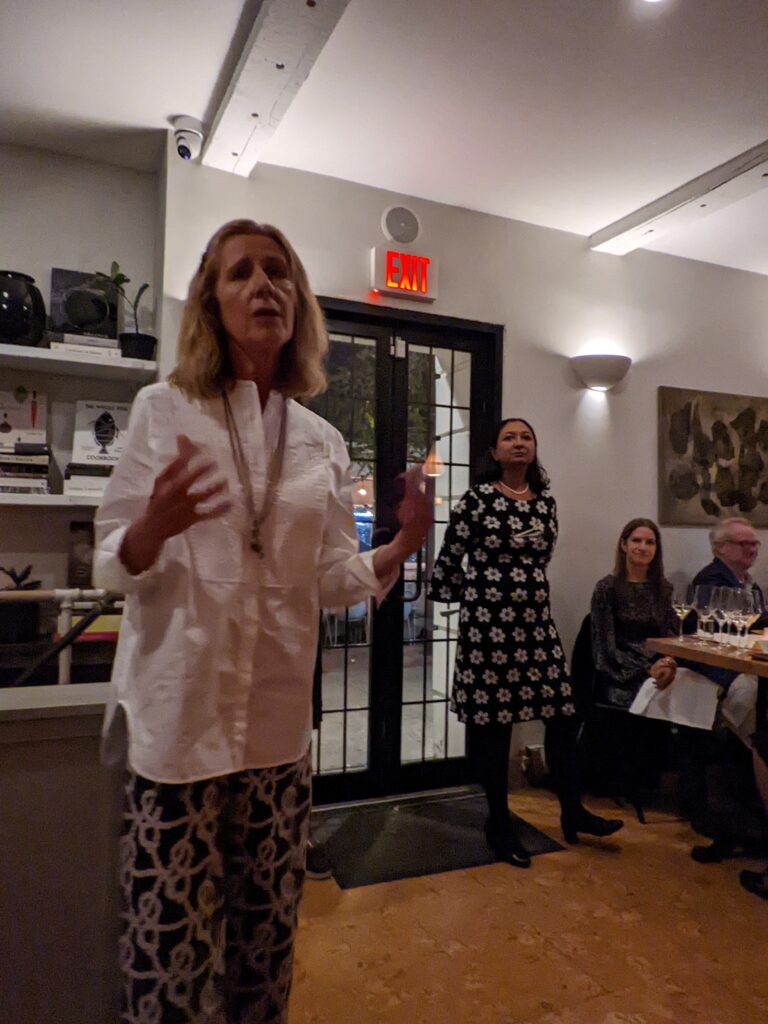
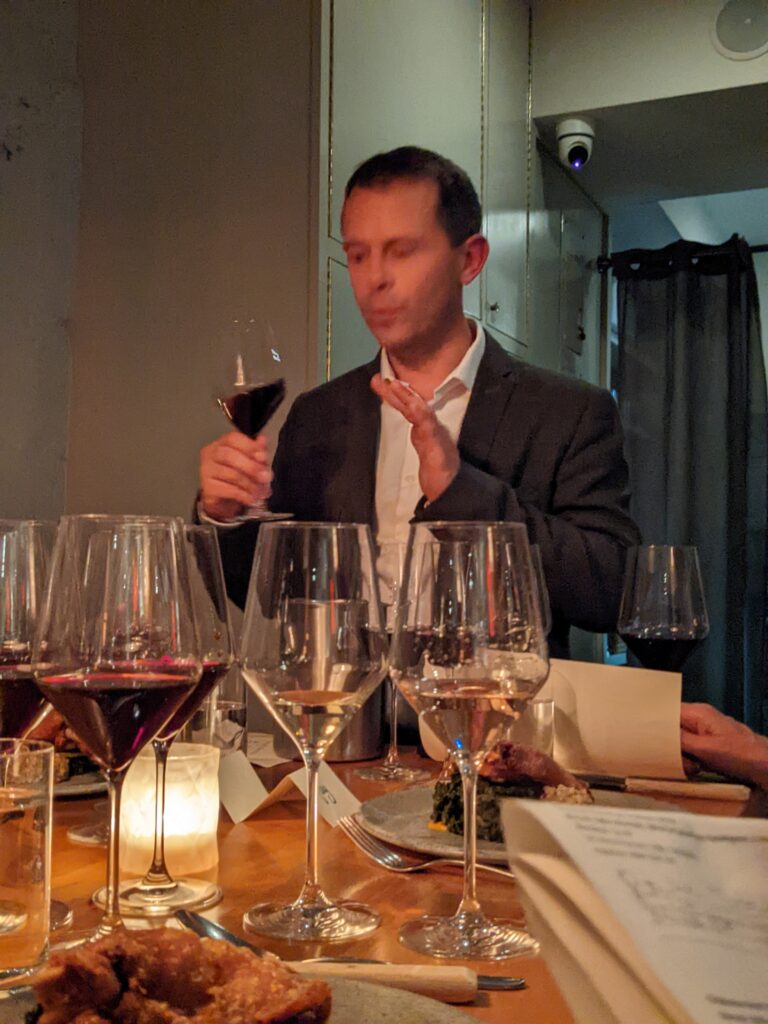
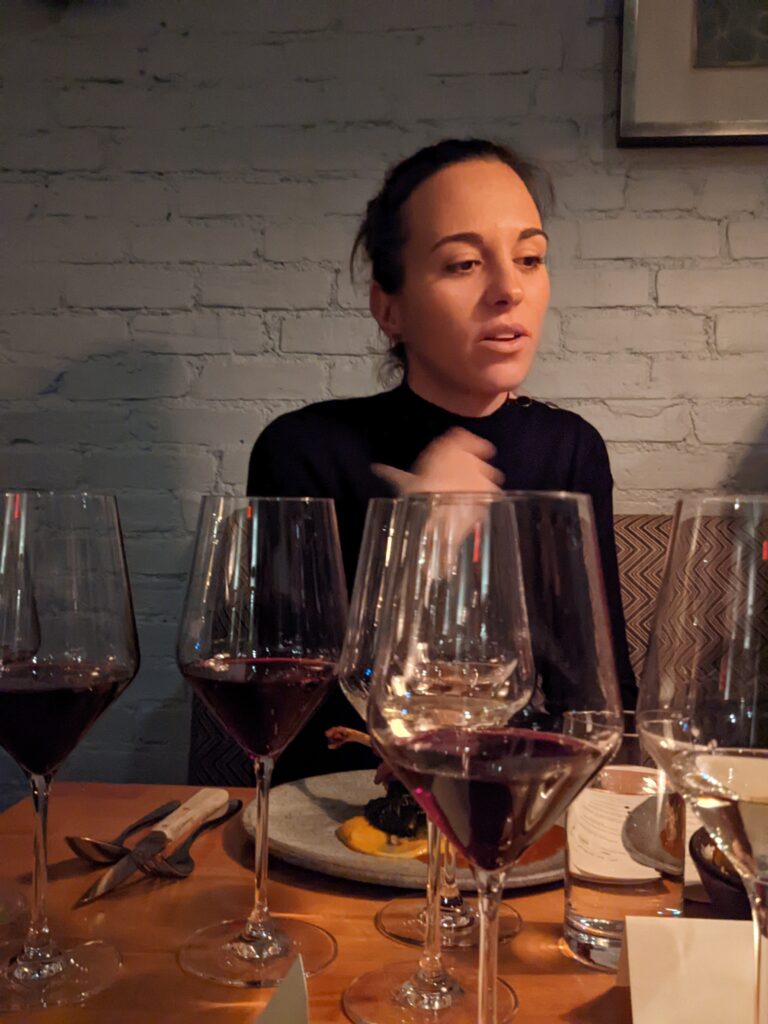
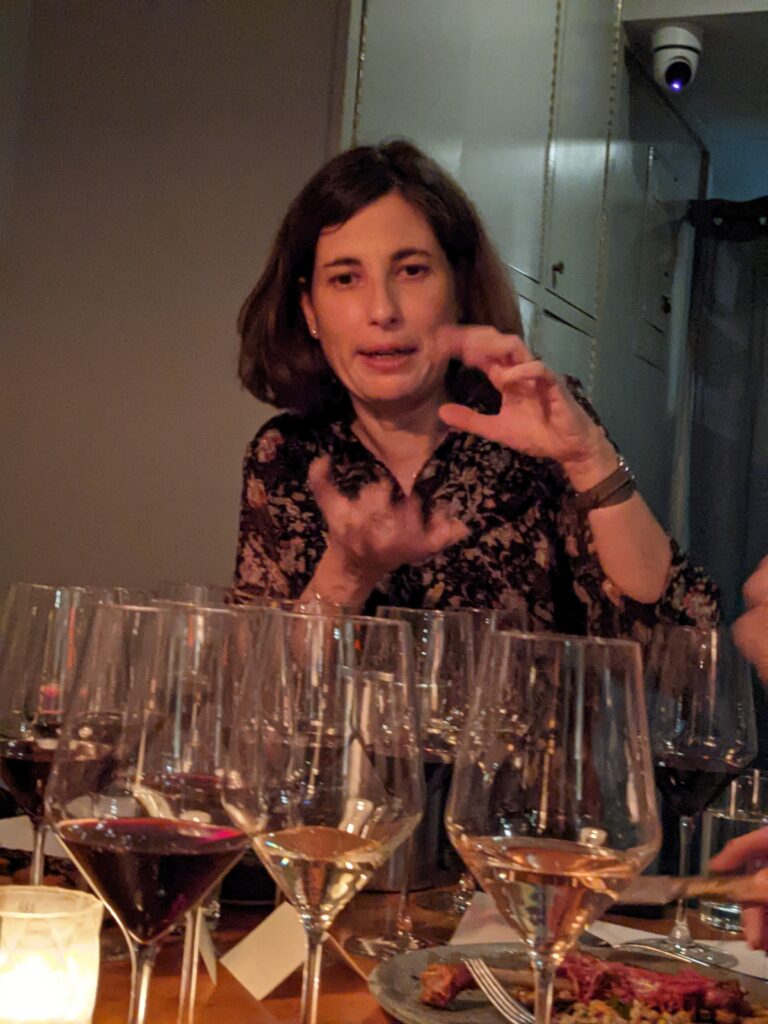
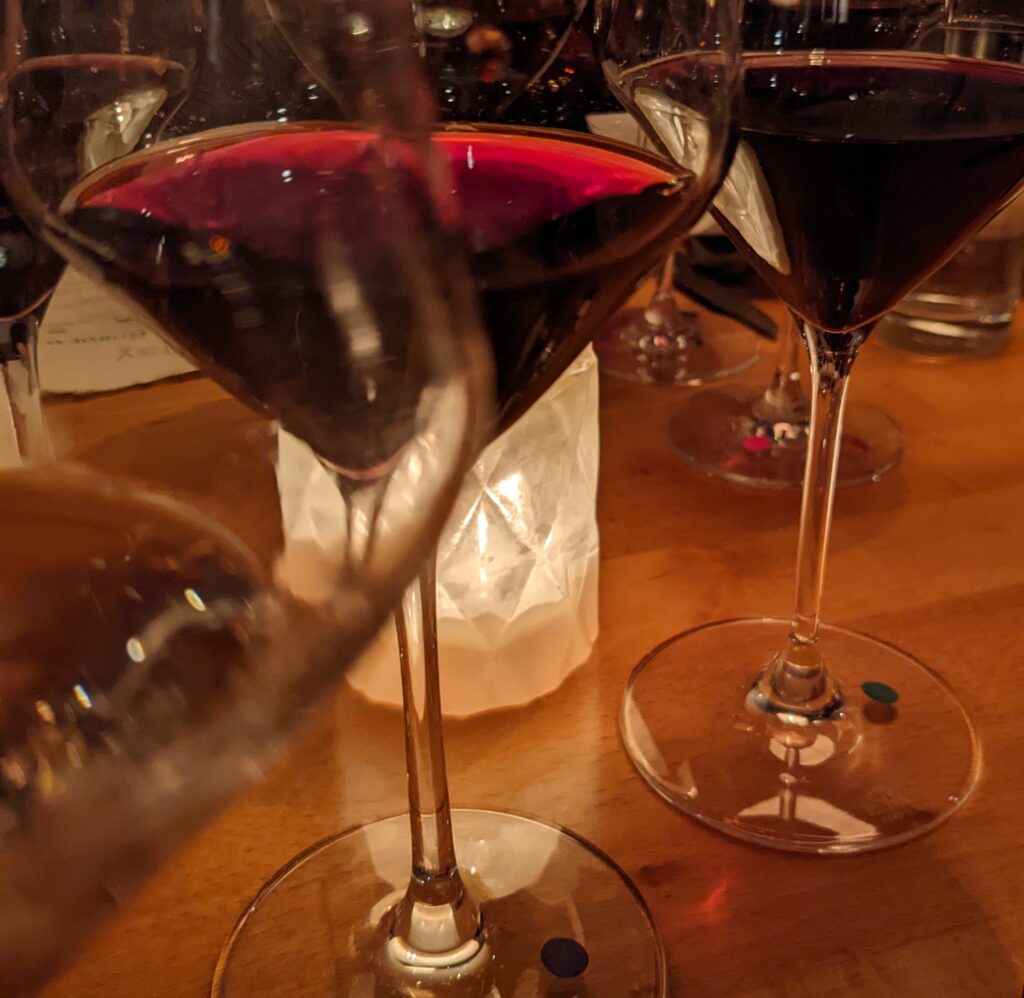
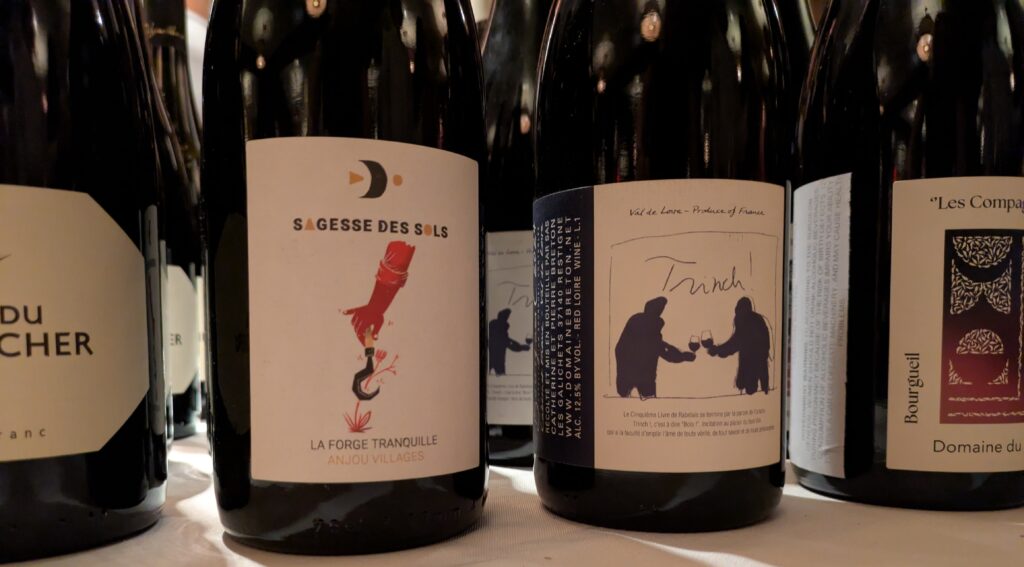
At a recent walk-around tasting and dinner at Lafayette, I had the opportunity to taste through a vast selection of Loire Valley wines, presented by category. While I didn’t try every single wine on offer (nor did I attempt to do so), I did a pretty good job, sipping (and spitting) 37 of the 50 wines. After the tasting portion of the evening, we were treated to a sumptuous, multi-course meal, paired with additional Loire Valley wines.

A few of my favorite wines from the evening are listed below, but I highly encourage you to simply seek out Loire Valley wines on restaurant wine lists and at your local bottle shop. Not only do they offer great diversity, they are generally well priced and very food friendly, making them a fantastic option for your holiday celebrations.

Sparkling
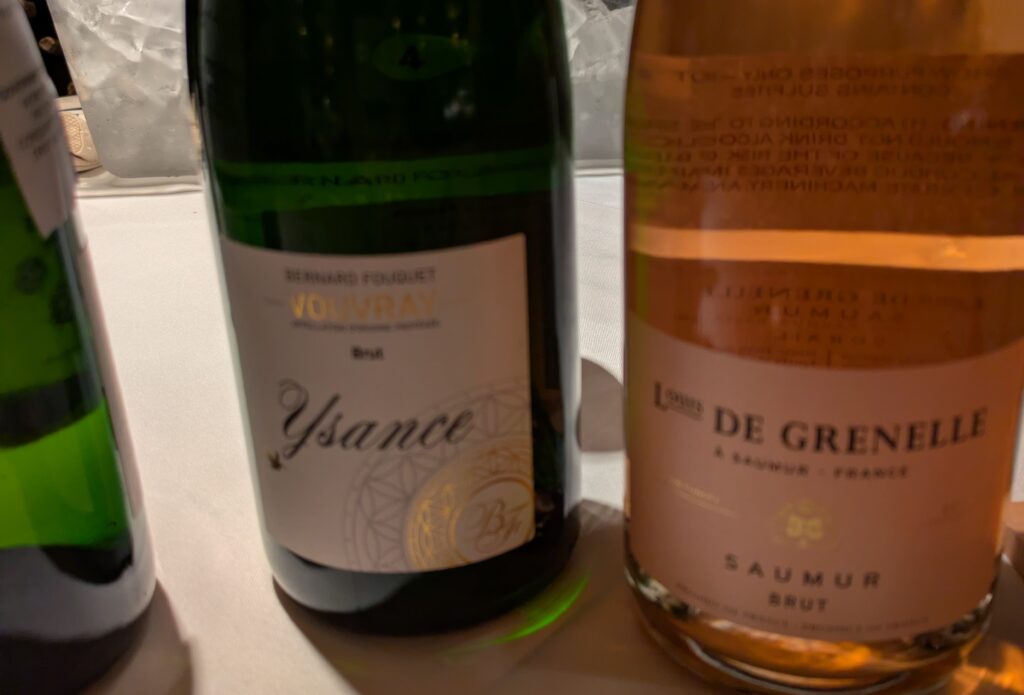
Domaine du Changeon Les Fabuleuses 2023, Crémant de Loire, France

This 100% Cabernet Franc rose sparkler offers up notes of yeast, and floral. It was slightly fuller bodied, with a heftier palate than some of the others I tasted, with a nice richness and weight, culminating in very long length.

Maison Ackerman Crémant de Loire Rosé Brut Bulle Royale, Crémant de Loire, France
Having visited this winery decades ago, it was a pleasure to become reacquainted with their wines. Another rose sparkling wine, this one brings together 60% Cabernet Franc, 30% Pinot Noir and 10% Grolleau. It displayed elegance and finesse with a fine bead on the palate, along with slight cherry and yeast aromas and flavors.

Sauvignon Blanc & Other Whites
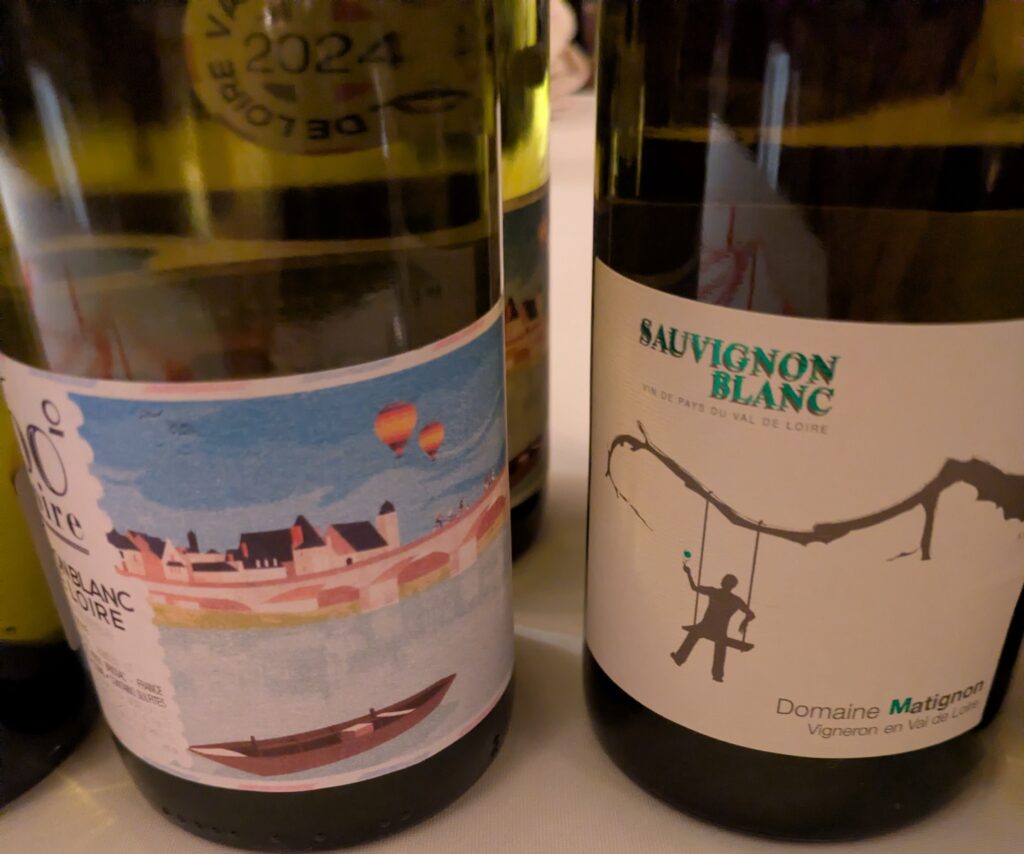
Domaine Pre Baron Sauvignon Blanc 2024, Touraine AOC, France
A more restrained style of Sauvignon Blanc than many of those produced in New Zealand, this wine provided citrus and mineral notes, along with medium body and good length.

Vignoble Gilbert Chon, Perle Bleue – Folle Blanche 2023 Gros Plant due Pays Nantais, France
While Folle Blanche is not a well known grape, most relegated to the production of Cognac and Armagnac, this wine was a shining example of how a less lauded variety is capable of producing a simple, yet very satisfying wine. Citrus notes, crisp acidity, and good length.
Melon Blanc
Domaine Julien Braud Les Vignes du Bourg 2023, Muscadet SĂšvre et Maine AOC, France
Aged for six months on the lees in glass-lined vats, this wine shows bright acidity, yeasty aromas, joined by citrus-lime flavors on the palate, with long length.

Vignoble Gilbert Chon Muscat Chateau de la Jousseliniere 2023, Muscadet SĂšvre et Maine AOC, France
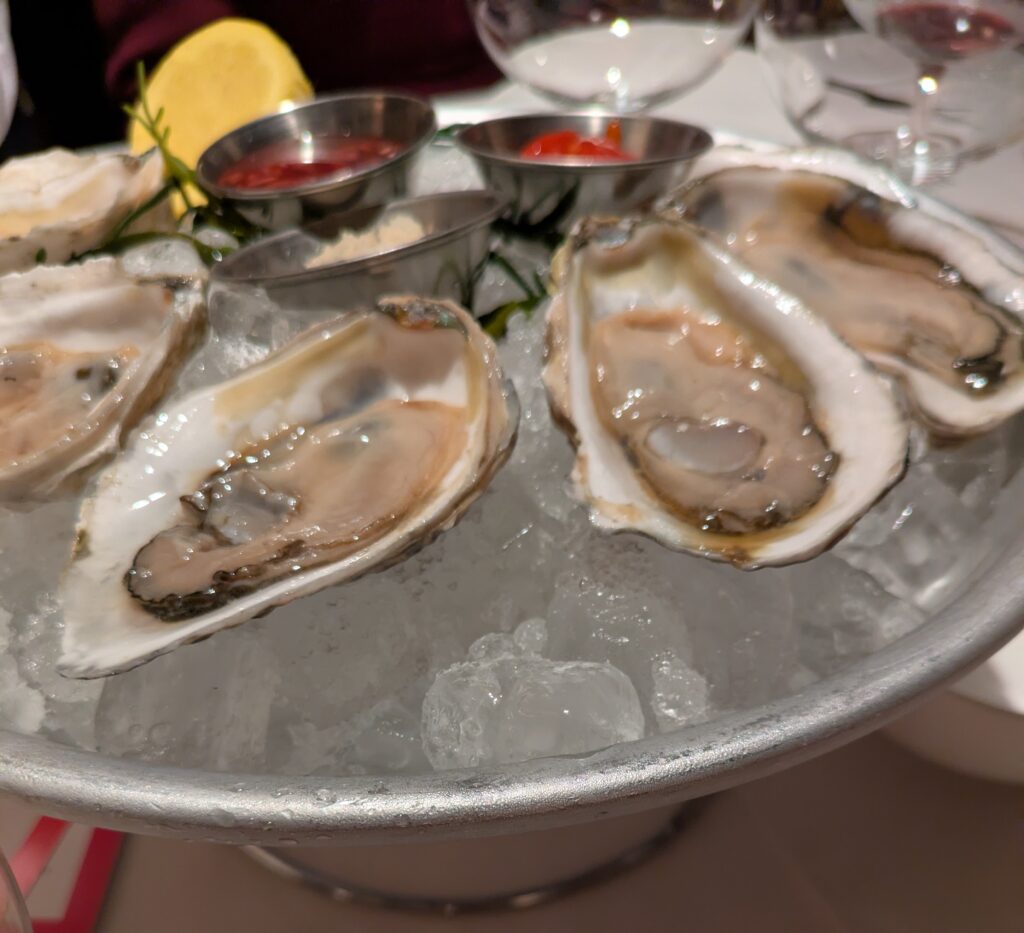
Having spent more than 8 months aging on the lees, this wine displays more pronounced yeast notes, along with minerality and very long length. It is the quintessential pairing partner to oysters.
Chenin Blanc
Alliance Loire Vouvray Sec Les Lys 2021, Vouvray, France
This wine offers up a complex mix of minerality and tree fruit, with a rich palate and really lovely mouthfeel, culminating with long length.

Domaine de la Chataigneraie Vouvray de Gautier 2023, Vouvray AOC, France
Similarly rich and complex, this wine provides very ripe tropical fruit, but is balanced with vibrant acidity.

Roses & Reds
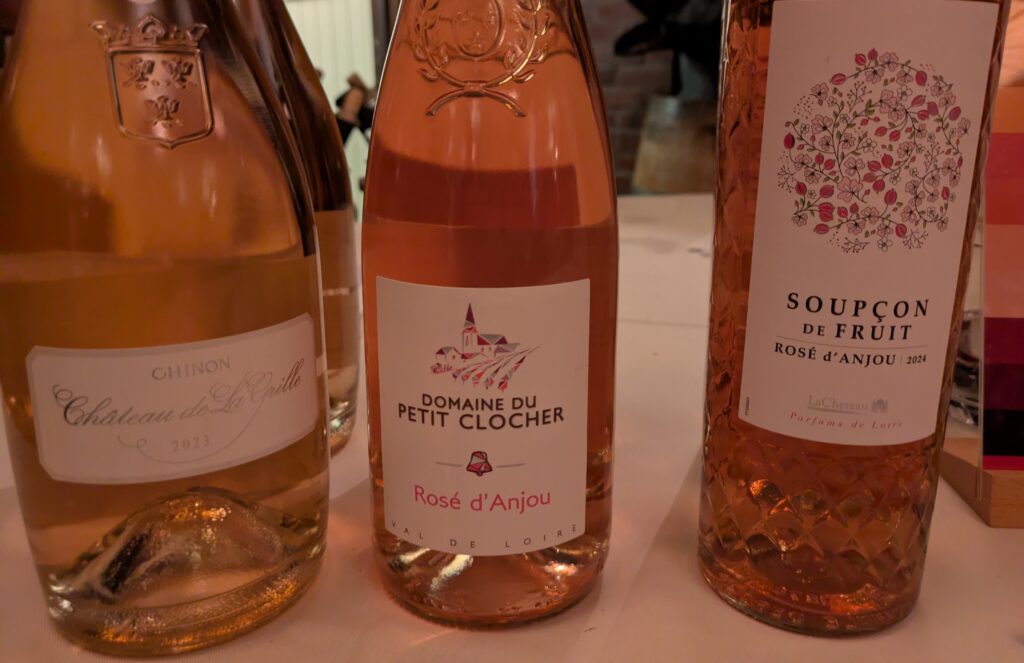
Lacheteau Soupcon de Fruit Rose d’Anjou 2024, RosĂ© dÂŽAnjou AOC, France

A blend of 60% Cabernet Franc, 20% Grolleau, and 20% Gamay, this off-dry rose shows ripe, red berries, but remains fresh and balanced with good acidity and nice length.

Domaine Oudart Apicula 2023, Touraine AOC, France
Produced from 100% Gamay — a grape more associated with Beaujolais than the Loire — this is a fresh and fragrant quaffable red, with ripe fruit, and candied bacon.
Cabernet Franc
Catherine et Pierre Breton Trinch! 2023, Bourgueil AOC, France
Layered notes of dried herbs, spice, and black cherry, with crunchy acidity, medium+ body, integrated tannins and long length.

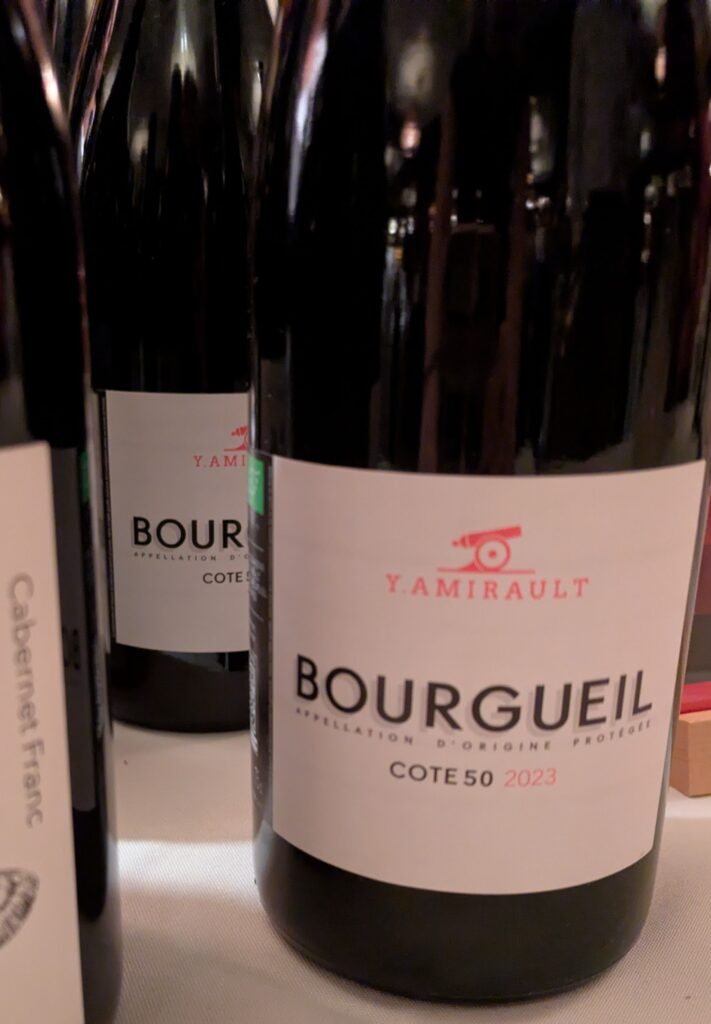
Amirault -Clos des Quarterons ls Quarterons2023, Saint-Nicolas-de-Bourgueil AOC, France
Biodynamically produced by members of the 6th generation, this is really lovely, with soft tannins, lots of minerality, fresh red fruit, an herbal undercurrent and long length.

Domaine Pierre et Bertrand Couly La Haute Olive 2018, Chinon AOC, France
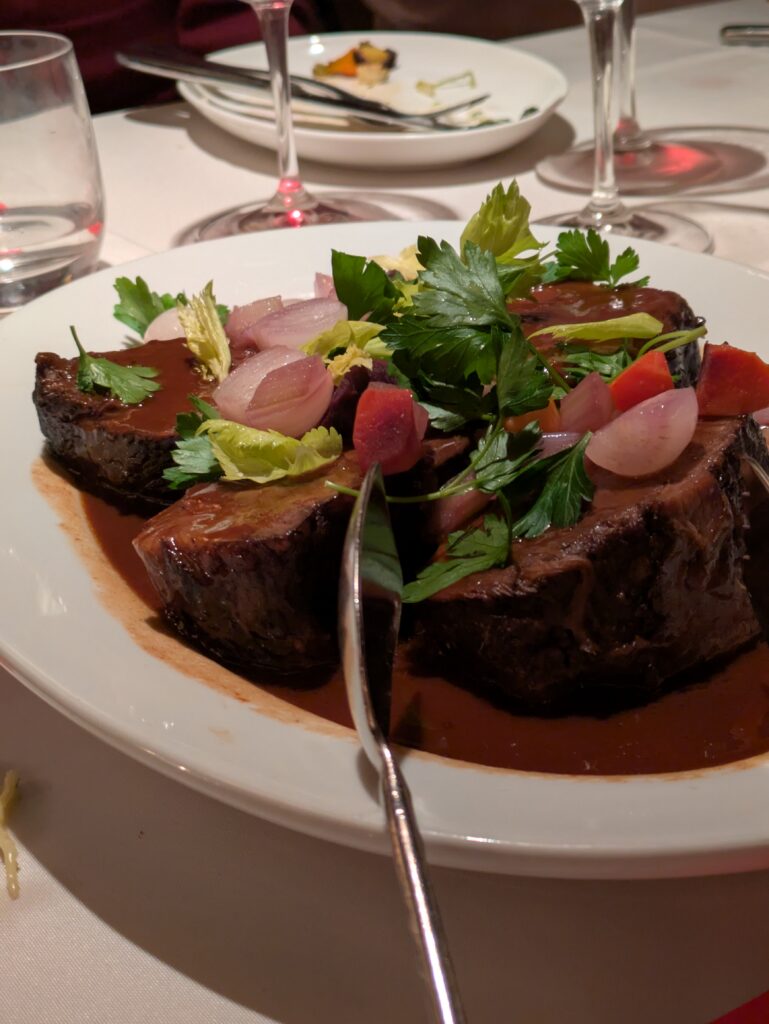
Enjoyed with dinner, this wine was a beautiful pairing with the Short Rib Bourguignon and showed off that these wines have aging potential.
Get to know Paso and Continental Vineyards

Although less well known than Napa or Sonoma, the California Central Coast wine region of Paso Robles produces high quality wines and has become a wonderful destination for wine tourism.

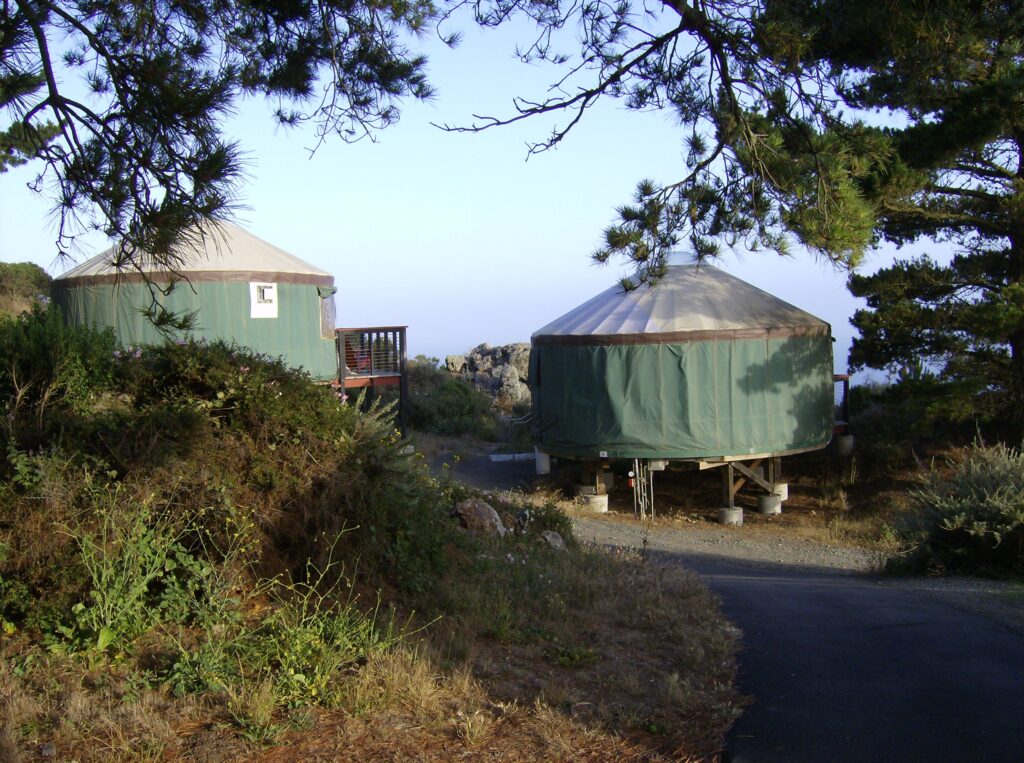
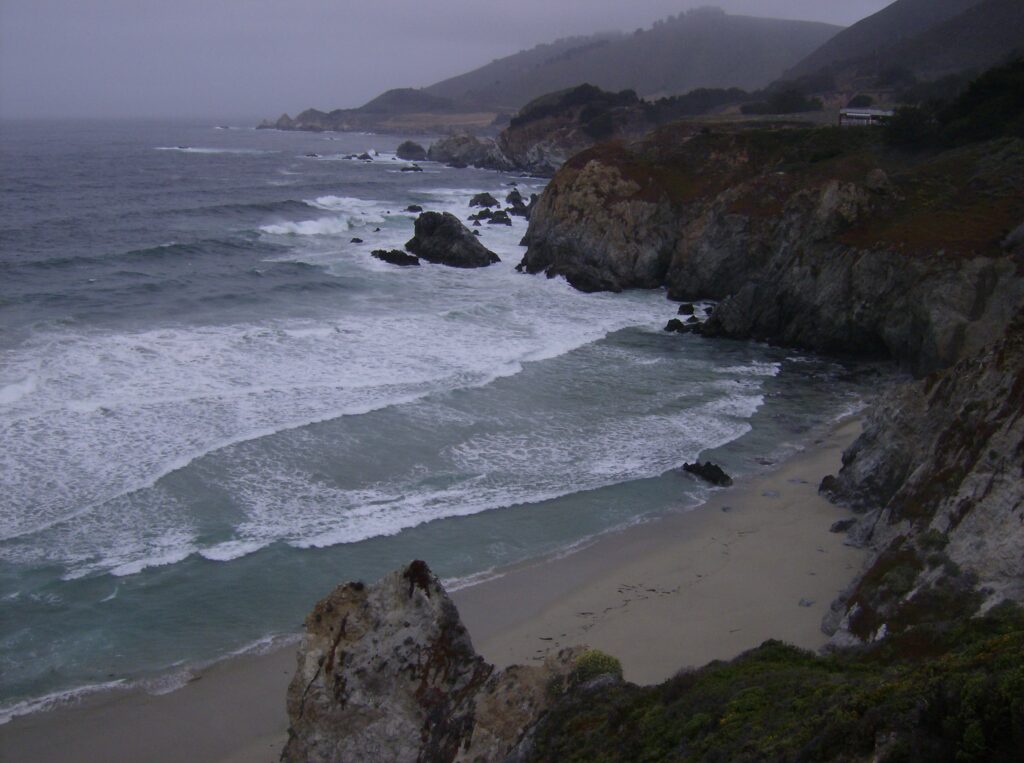
I first visited the region in 2007 after having participated in the Society of Wine Educator’s conference, which was held in Monterey, CA that year. Post-conference, we headed south to Big Sur and spent a few days enjoying the beautiful Pacific Coast Highway, hiking in state parks and relaxing in our yurt at Treebones Resort.

With a red-eye flight from San Jose to home, we had a full final day of our vacation and we opted to head even further south and spend time getting to know Paso. It did not disappoint and we thoroughly enjoyed our time visiting wineries, including Turley, Lone Madrone, Tobin James and Eberle, among others, and meeting amazing people. Plus, we relished the hot, sunny weather.

Our time in Big Sur had been lovely, but quite cool, rarely getting above 70°F and it has been consistently clouded in fog. Rising early in the morning, we headed due South on CA-1 for about an hour, before reaching the turn off onto CA-46E. As we drove inland, the foggy conditions intensified until we were driving through the thick clouds. We continued carefully, climbing in altitude, until we were literally above the clouds and then free of them altogether, as we completed the final miles of our journey and were met with clear skies, sunshine and 85°F degree weather.

At that point in my wine studies, I had read about how mountains such as the Vosges in Alsace or the Cascades in Washington state protected the eastern-lying areas from cooler climates and wet weather, but it wasn’t until that day that I truly saw it in action.

Hence, Paso Robles is home to a hot summer, Mediterranean climate, providing optimum growing conditions for vineyards. But, it is also home to the state’s largest diurnal temperature swing, varying by as much as 40 degrees in a given day. Consequently, the grapes fully ripen due to the heat with balanced sugar and acid flavors due to the cooler nights. Of course, as in any region, there are various microclimates within.

Initially settled by Native Americans, the area became a gateway to two of the California Missions in the late 1700s and, by the middle of the 19th century, Paso Robles was known as a resort town due to its sulfur springs. And, while wine was produced in the region for the missions, it wasn’t until the 1920s that a more commercial vineyard of 2,000 acres was planted to Petite Syrah and Zinfandel by Ignacy Paderewski, a famous Polish statesman and concert pianist (Source: https://www.prcity.com/377/History-of-Paso-Robles) 

By the late 1960s, there was a wine grape growing boom, followed by significant vineyard development in the 1990s, representing a 72% growth. Since then, Paso continues to grow and prosper vinously, increasing from 170 wineries in 2007 to more than 200 wineries today (as per the Paso Robles Wine Country Alliance’s website) and similarly expanding from more than 40 different varieties planted in its vineyards to over 60. (ibid).

Among the vast collection of wineries, I was recently introduced to Continental Vineyards, which  has a long history of growing grapes and making wine in Paso. The property was planted in 1973 by Herman Schwartz, with early adoption of sustainable agriculture in the 1980s. Schwartz continued to upgrade his vines, selecting high quality vines for replanting. Ownership of these quality vineyards was transferred in 2006, with a continued emphasis on sustainability. It is presently planted to approximately 713 acres of grapes, including Cabernet Sauvignon, Merlot, Syrah, Chardonnay and others.

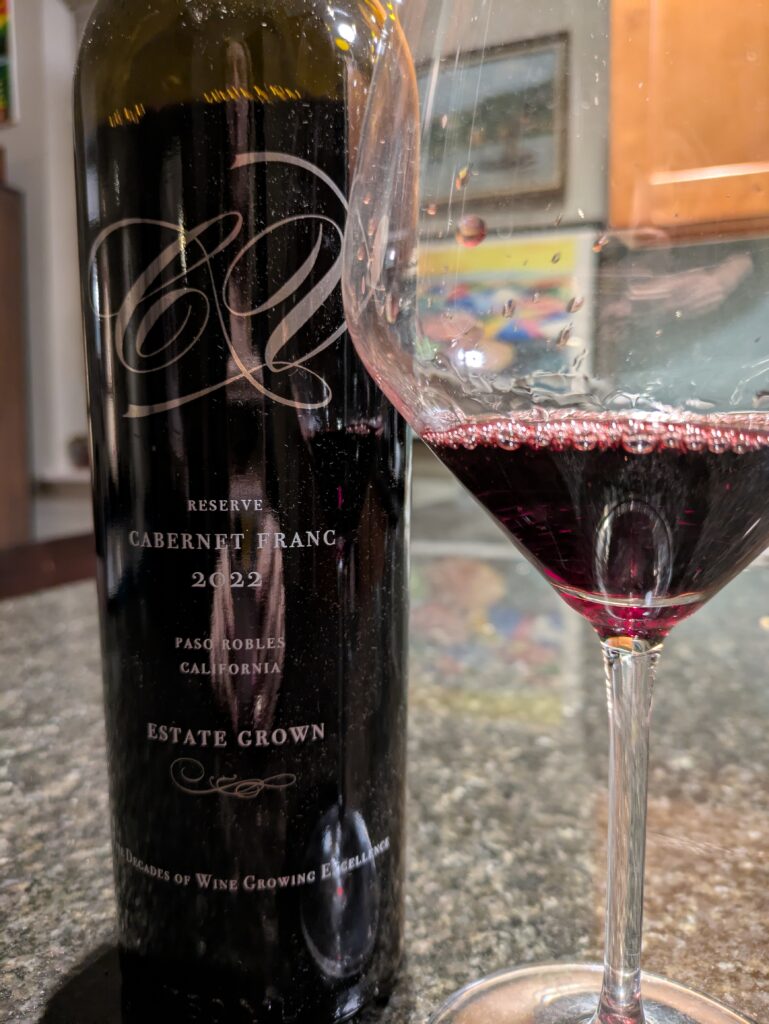
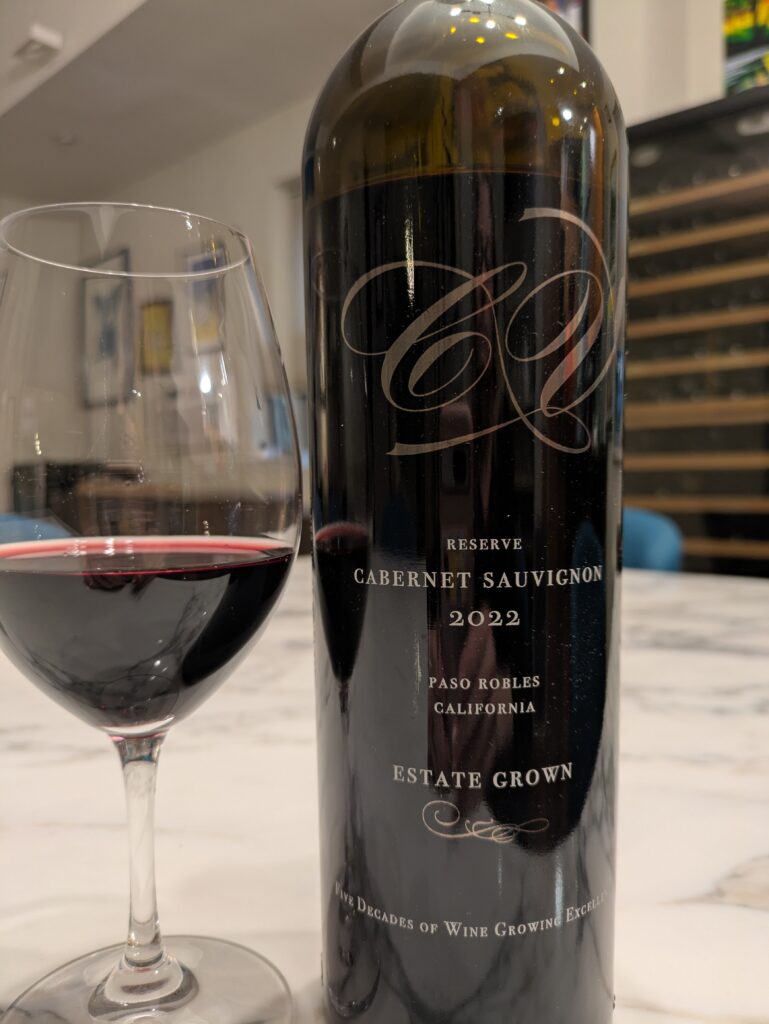
Today, the site is home to two sister brands: CV Wines and Broken Earth, cultivating grapes from this legendary vineyard. The former brand is dedicated to Bordeaux varieties while the latter produces a wider range of wines from the diverse varieties grown on the estate. Both brands are California Sustainable Winegrowing Certified. To that end, they have implemented cutting-edge irrigation and water-use strategies, among other practices. Moreover, with more than 50 years of experience and growth (both literally and figuratively), these are beautifully crafted wines that are worth seeking out.

If you are looking for a wine destination this summer, check out Paso Robles. Alternately, the region will be hosting a tasting event in San Jose: Savor Paso on June 27, 2025.

TASTING NOTES

CV Reserve Cabernet Franc 2022, Paso Robles (CA), USA, $80.00
This wine spends 24 months aging in 100% new oak. On the nose, it offers up notes of herbs, spice, oak, mulberry and cranberry. The full-bodied palate has medium acidity, firm tannins and an undercurrent of wet leaves in the long finish.

CV Reserve Cabernet Sauvignon 2022, Paso Robles (CA), USA, $80.00
Also aged for 24 months in new oak, this wine displays aromas of warm red and black fruit, with cedar and slight spice. Complex and balanced, the palate is dry, with ripe fruit; firm, ripe tannins; warmth; good acidity;  full body and very long length.

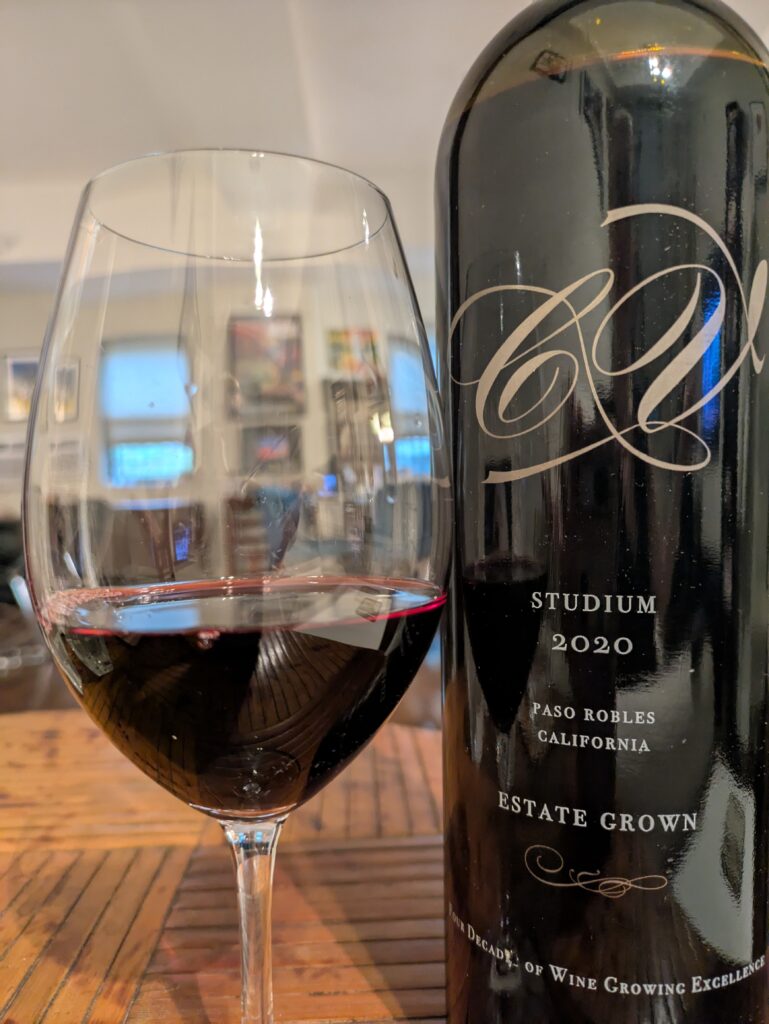
CV Studium 2020, Paso Robles (CA), USA, $80.00
The name of this proprietary blend translates as “house of learning” and is produced with an unspecified mix of Bordeaux grape varieties. Initially aged in neutral oak barrels for 12 months, the wine is then transferred to second use French oak for additional aging. The result is a nose with smoke, leather and black fruit. The palate displays bright acidity, full body and firm, ripe tannins, along with a hint of vanilla and spice, culminating in long length.

What’s your vice? Consider The Vice wines your next vice.

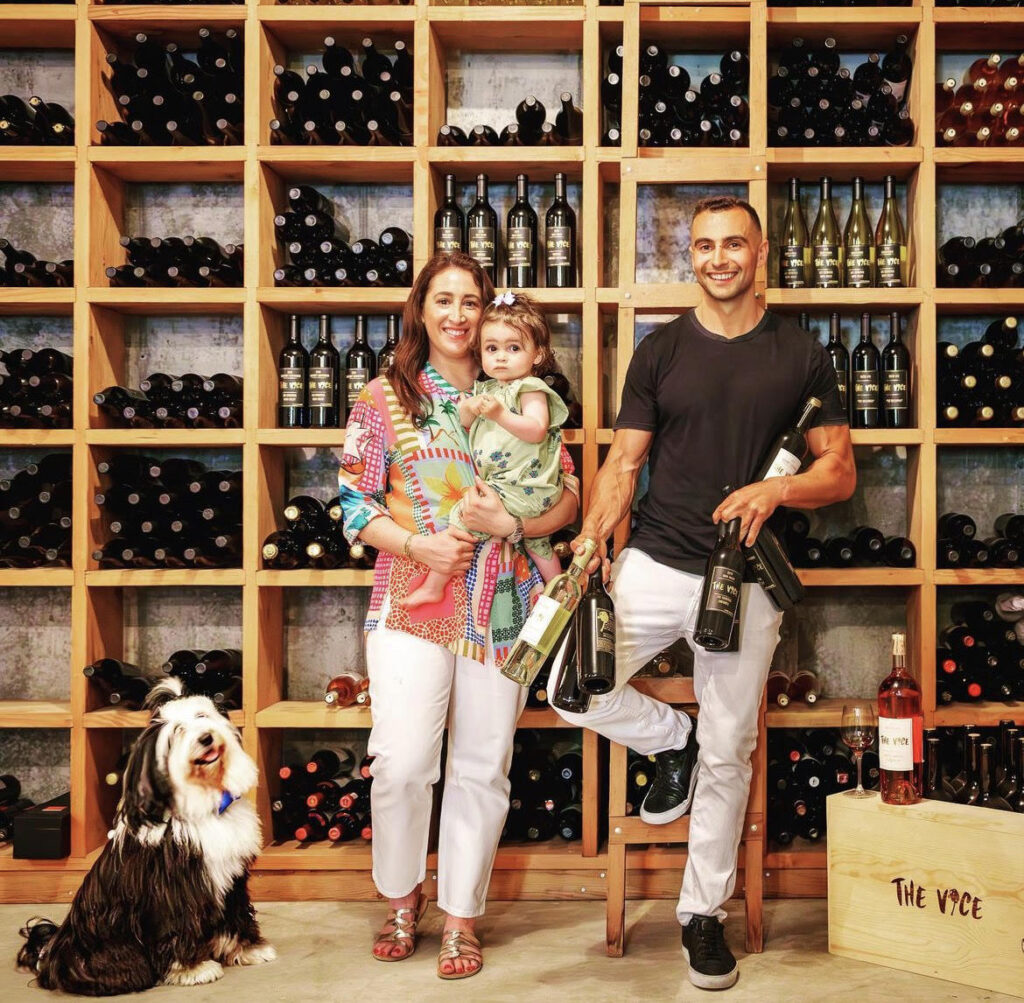
What’s your vice? For Malek Amrani and his wife, Tori Greenberg, the answer is wine. A former sales professional for Moet Hennessy and Diageo, Malek has a keen understanding of the wine world and consumer preferences. He also counts pizza and triathlons among his “moral faults”, while Tori’s other vices include fashion, sleep and rose.

The pair always dreamed of owning their own winery and now they do. In fact, while they launched The Vice several years ago, they recently opened a permanent location in St. Helena in the Napa Valley, further cementing their dream.

On the joint holidays of National Wine Day and National Chardonnay Day, Malek hosted a virtual tasting with members of the media to celebrate the opening as well as the release of their 100th wine. As a self-defined “luxury wine brand,” the wines are produced in small, numbered batches.

Primarily focused on Napa Valley terroir, The Vice’s mission is to make exceptional wines accessible. In pursuit of this goal, Malek currently works with 18 different varieties, sourced from 14 of Napa’s 16 AVAs. Their white label wines are their house tier, while the black label is reserved for single vineyard wines.

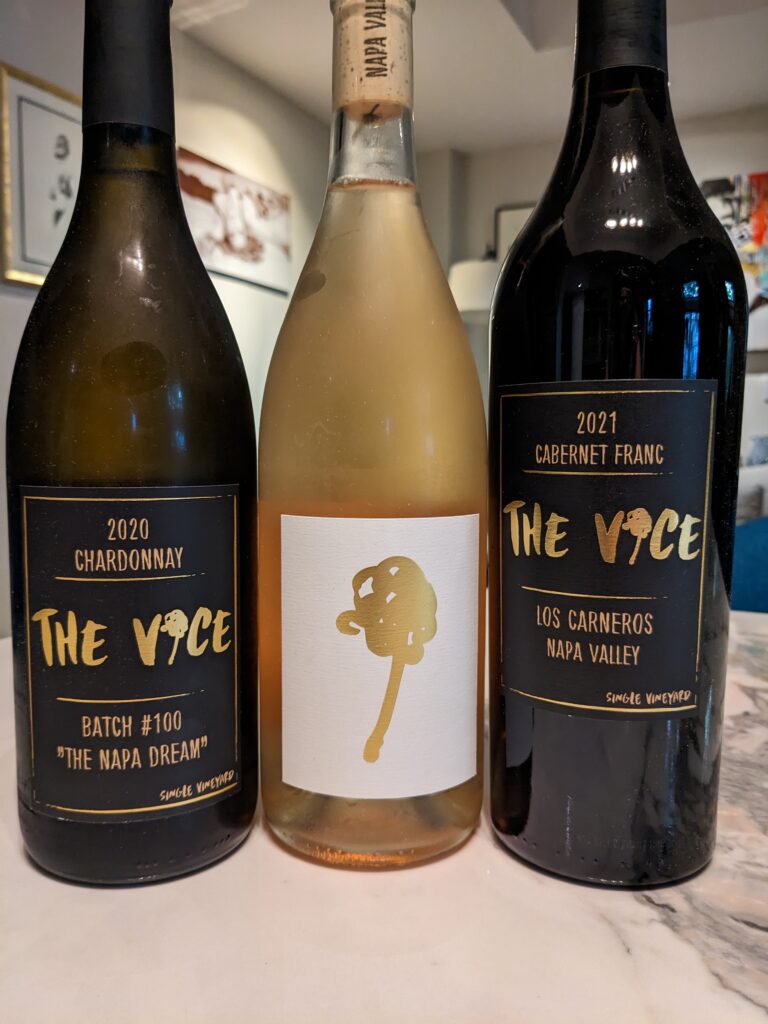
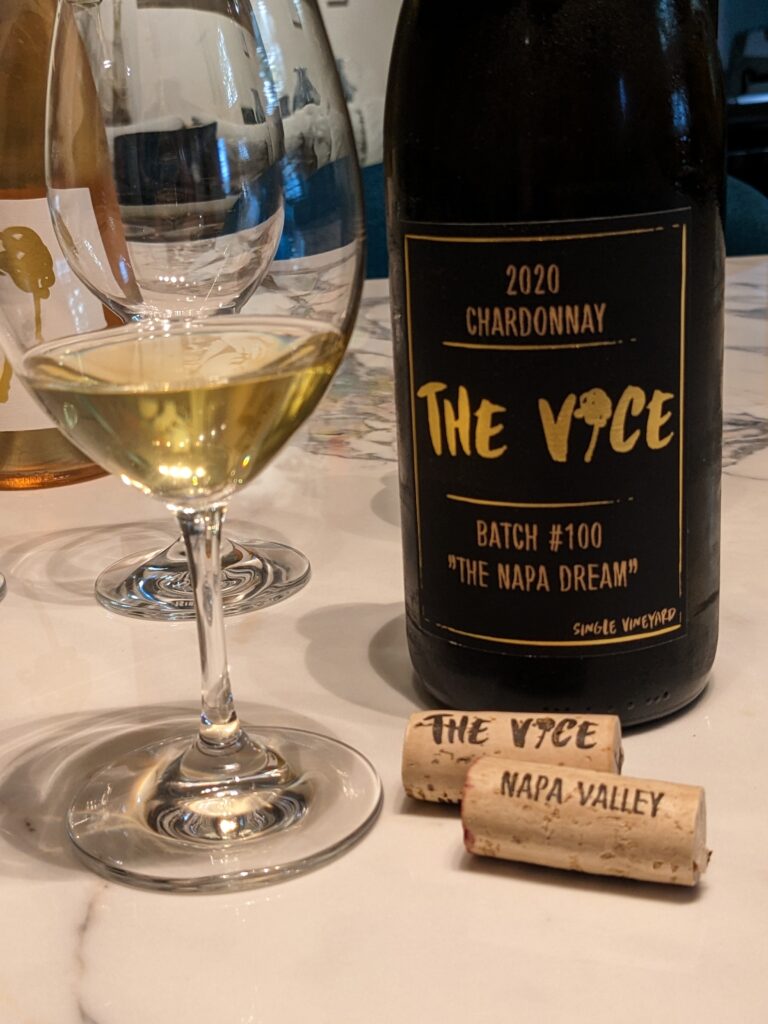
Among the most recent batches is the aforementioned 100th wine. Aptly named The Napa Dream (and also referred to as Batch #100), it is a Chardonnay sourced from a Certified Napa Green vineyard situated “at the far eastern edge of Los Carneros AVA”. It spent 30 months in new French Oak barrels.

TASTING NOTES

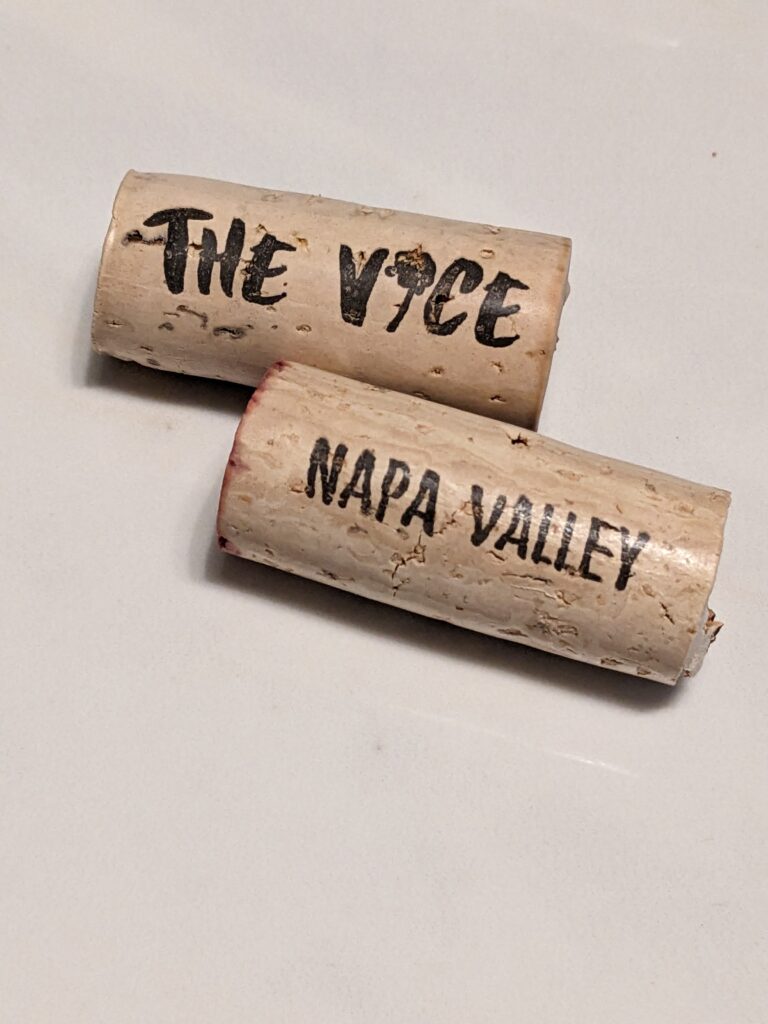
The Vice The Napa Dream Batch #100 Chardonnay 2020, Los Carneros (CA), USA, $46.00
This wine is deep golden yellow with nutty, butterscotch aromas that persist on the dry, rich full-bodied palate. It has bright acidity and flavors of roasted nuts, caramel, citrus and minerality, culminating in long length. Lovely and complex.

The Vice Orange of Viognier ‘Brooklynites 6.0’ 2022, California, USA, $33.00
With Viognier grapes sourced from Napa’s Oak Knoll District and Brentwood, Contra Costa, this wine brings together two different climates and thus a diversity of expression. It offers up floral and peach aromas, which persist on the palate with fresh acidity, medium body and long length. It is really refreshing, easy to drink (too easy!?!) and food friendly.

The Vice The OG, Cabernet Franc 2021, Los Carneros (CA), USA, $54.00
As Malek shared at the event, Cabernet Franc is fast becoming the hottest grape in Napa Valley (more so than Cabernet Sauvignon). Leafy and cranberry aromas greet the nose, with a dry palate, bright acidity, medium+ body and flavors of wet leaves and plum, with long length. Powerful, yet balanced.

Naturally Bordeaux, the Bordelais Go Organic

With her very apt metaphor, at the recent Naturally Bordeaux event, Mary Gorman-McAdams, MW, explained that big ships are hard to change course, but, with time, they do make the transformation. Similarly, Bordeaux, which is the largest quality wine region in France, has finally made a turn of its own with its more recent embrace of sustainable agriculture. Now that Bordeaux is moving in this new direction, it has been full steam ahead.

Consequently, Bordeaux has significantly increased its acreage of organic vineyards, which, as reported by James Lawther, MW currently stands at 34,333 acres. He further noted that this figure, when added to the biodynamically-certified acreage, accounts for 14% of the region’s vineyards.

Moreover, Mary shared that there has been a collective focus throughout the region on implementing the new Haute Valeur Environnementale (HVE) certification, a three-tiered system that was launched in France in 2001. This program “encourages farms and vineyards to focus on increasing biodiversity, decreasing the negative environmental impact of their phyto-sanitary strategy (i.e., measures for the control of plant diseases, reducing the use of pesticides and fungicides), managing their fertilizer inputs, and improving water management.” ~Discover Sustainable Wine

The HVE program has been whole-heartedly adopted by the Conseil Interprofessionnel du Vin de Bordeaux which plans to have 100% compliance among Bordeaux producers by 2030. Early adopters, the Cru Bourgeois du Médoc mandated that each chateau must have achieved at least minimum level HVE certification requirements as part of the application process to be considered for Cru Bourgeois status. Lawther advised that it has also been implemented as a requirement by the St.-Emilion appellation. Overall, the Bordelais are taking a holistic picture, including measures that address corporate responsibility.

Other changes in the region include not only an increase in rosĂ© production, but a shift in its approach to producing these wines. To this end, rosĂ© now makes up 4% of Bordeaux’s production and producers are making rosĂ© on purpose these days. Accordingly, today’s wines utilize direct press production instead of the saignĂ©e method, which had previously been implemented primarily as a way to beef up the reds. For the most part, the resulting rosĂ© wine made in this manner was an afterthought.

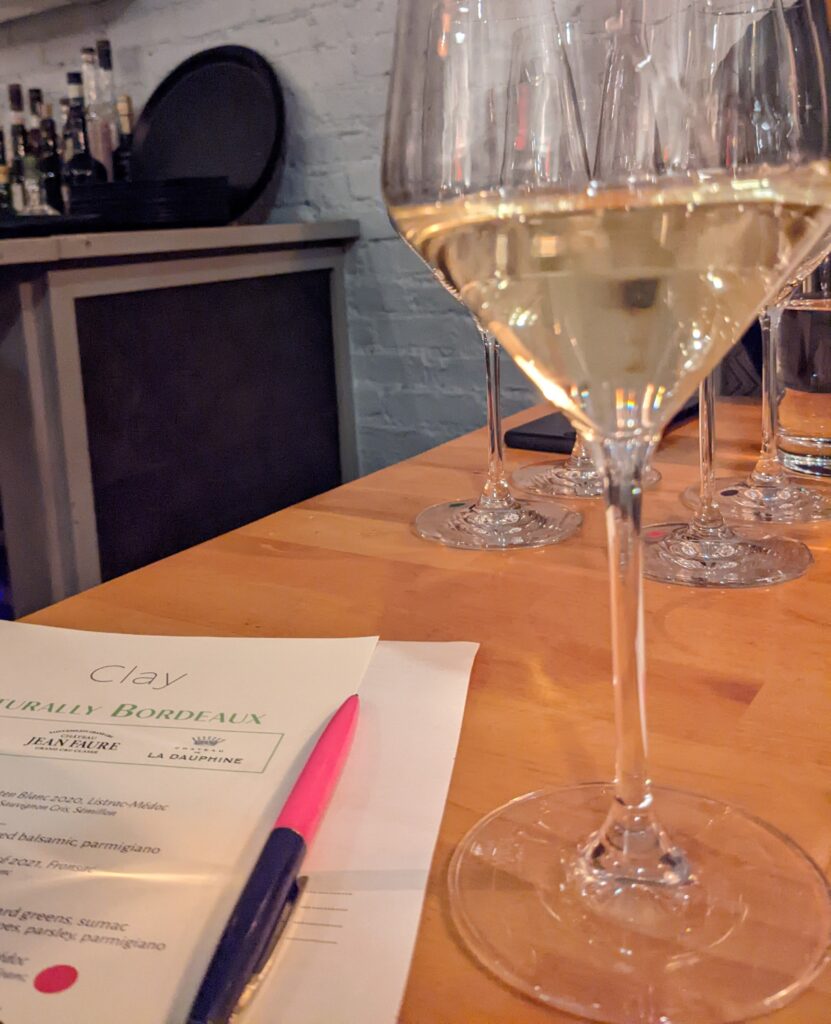
I recently had the pleasure of being introduced (or in one case, reintroduced) to three Bordeaux producers who are actively engaged in organic viticulture at the Naturally Bordeaux event, which was held at Clay Restaurant in New York city’s Harlem neighborhood. Clay was chosen because it is farm-to-table, serving only seasonal, locally-sourced products on its menu. Thus, it was the perfect setting for a dinner featuring sustainable Bordeaux wines.

The wines showed beautifully, providing the opportunity to taste white, rosĂ© and red wines from a variety of vintages. They say the proof is in the pudding and it was clear from this tasting that these are fabulous, well-made wines that you can feel good about drinking given their commitment to the environment. And Clay’s chocolate budino (an Italian pudding) (as well as the entire meal) was fantastic too!

Chateau Fourcas Hosten
Owned by two brothers, Chateau Fourcas-Hosten has a long history on the Left Bank and has been focused on organics and sustainability for the past decade. They achieved HVE3 certification in 2017 and have taken the further step to convert their vines to organic viticulture, starting first with their whites and then expanding to their reds. Full certification of their 50 hectares was received in 2021. Of course, their first goal is to make good wines, and, in this manner, they have recognized the need to adapt the right variety to the right terroir. They have also made investments in the winery as well.

Chateau La Dauphine
Situated on the Right Bank, this historic chateau comprises 160 acres of vineyards with a mix of limestone, clay and molasse soils. The property itself dates to the late 1600s, with a more modern history dating to 2001 when the Halley family purchased the estate and invested 10 million Euros to significantly improve the land and winery. Chateau de la Dauphine earned organic certification in 2015, the same year that the property was sold to the Labrune family. It has since added biodynamic methods as well. Among other changes in the vineyards, they have been increasing their plantings of Cabernet Franc due to their soil types as well as due to climate change.

Chateau Jean Faure
This St.-Emilion Grand Cru ClassĂ© producer can trace its origins to a deed dated 1526. It has, of course, changed hands numerous times since then, with its latest acquisition in 2004, when it was purchased by Anne and Olivier Decelle. Their first certified organic vintage was 2017. Since 2020, they have engaged in biodynamic practices and will earn full certification from Biodyvin in 2023. Extensive research has been done on the estate’s predominantly clay terroir, which has always been heavily planted to Cabernet Franc (60%). This will prove to be even more useful as temperatures rise, given that Cabernet Franc has a longer maturity than Merlot.

MENU & TASTING NOTES

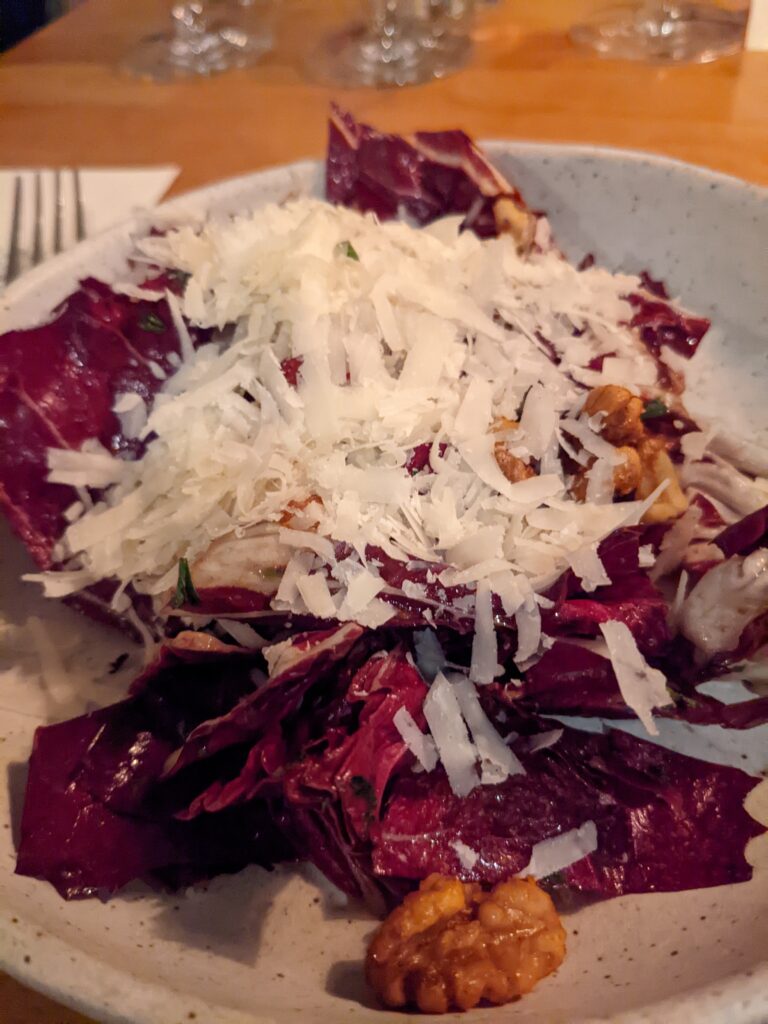
First course: Radicchio, spiced walnut, aged balsamic, parmigiano

Chateau Fourcas Hosten Blanc 2020, Listrac-Medoc, Bordeaux
Planted on limestone soils, which helps preserve the beautiful acidity, this wine is a blend of 67% Sauvignon Blanc, 18% Sauvignon Gris, and 15% Semillon. It offers up herbal and citrus aromas on the nose, giving way to riper pineapple on the bright palate, culminating with long length.

Chateau La Dauphine Rosé 2021, Fronsac, Bordeaux
This very pale hued rosé brings together 80% Merlot and 20% Cabernet Franc, grown on a plot earmarked specifically for the production of rosé. Instead of a maceration, they use a pneumatic press to extract the juice and a touch of color. This wine was first made in 2016, when Monsiur Labrune decided to produce a rosé especially for his wife. With slight herbs and delicate strawberry and melon fruit, the palate is vibrant with a hint of salinity and long length.

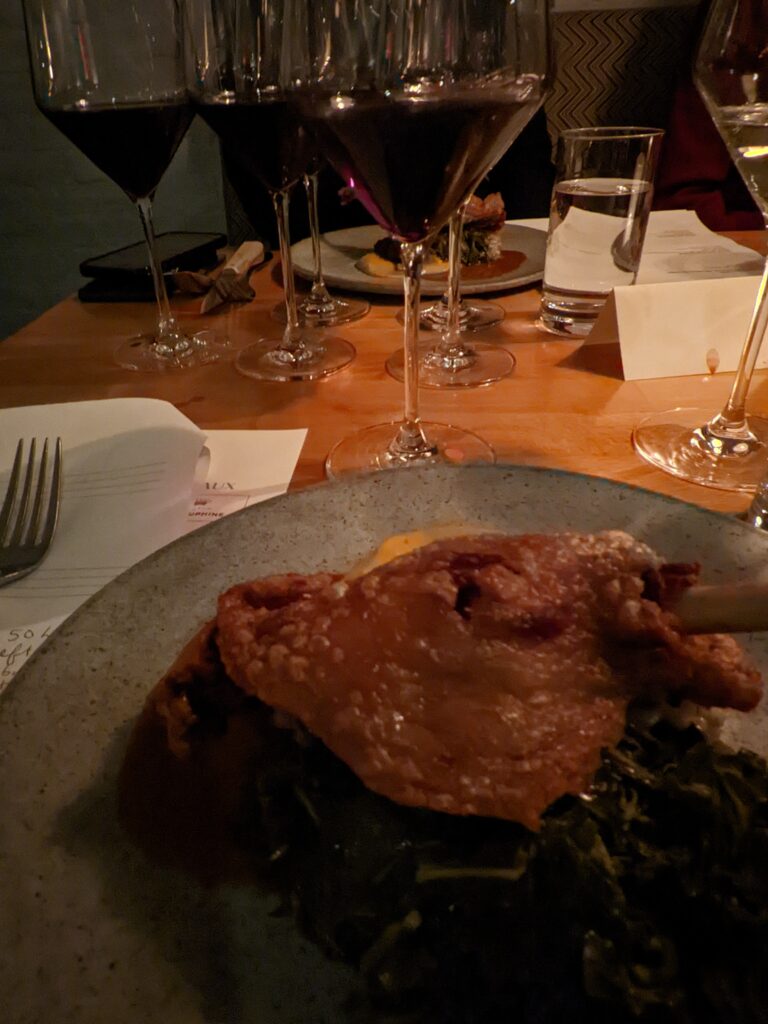
Main course: Confit duck leg, carrot, smoked farro, collard greens, sumac
Side dishes: Mushrooms with thyme and shallot | Duck fat potatoes, with parsley and parmigiano

Chateau Fourcas Hosten 2018, Listrac-Medoc, Bordeaux
This blend of 58% Merlot, 38.5% Cabernet Sauvignon, 2.5% Petit Verdot, and 1% Cabernet Franc displays plum, other black fruit, oak and vanilla, with firm ripe tannins and good length.

Chateau Jean Faure 2015, St.-Emilion Grand Cru, St.-Emilion, Bordeaux
Produced with 50% Cabernet Franc, 45% Merlot and 5% Malbec from a very sunny vintage, this wine offered up ripe, spicy, red fruit, along with freshness, culminating in long length.

Chateau La Dauphine 2012, Fronsac, Bordeaux
A blend of 90% Merlot and 10% Cabernet Franc, this is beautifully developed with black and red fruit, ripe tannins, and very long length.

Dessert: Chocolate budino, spiced candied pecan, meringue

Chateau Jean Faure 2010, St.-Emilion Grand Cru, St.-Emilion, Bordeaux
Bring together the same blend as the 2015 vintage, this wine was still quite fresh despite its age. Showing some development, with aromas and flavors of blackberry, herbs, oak, and vanilla, with ripe tannins and long length.


Loire Valley Reds: Of Castles, Kings and Cabernet Franc

As a former playground for the Kings of France, the Loire Valley is awash in luxurious castles, but it is equally awash in wonderful wine! Here, grapes have been grown for centuries, dating to the Romans who first planted in the Pays Nantais. Yet it wasn’t until the 5th century that things really got started with some of the earliest mentions of the area’s vineyards made in 528 by Gregoire of Tours in which he cited those in Sancerre and Touraine.

Later, the Loire’s viticultural heritage was squarely in the hands of the church, strongly influenced by both the Augustine and Benedictine monks who understood not only how to make great wine but also how to communicate about and distribute the wines. In this regard, they took full advantage of the local rivers’ safer travel (compared with the roads).

The region’s wine acclaim was further boosted by Henry II Plantagenet, Count of Anjou, when he became king of England in 1154 and permitted only Anjou wines to be served at court (it’s good to be king!), a custom continued by his successors, John Lackland and Henry III.

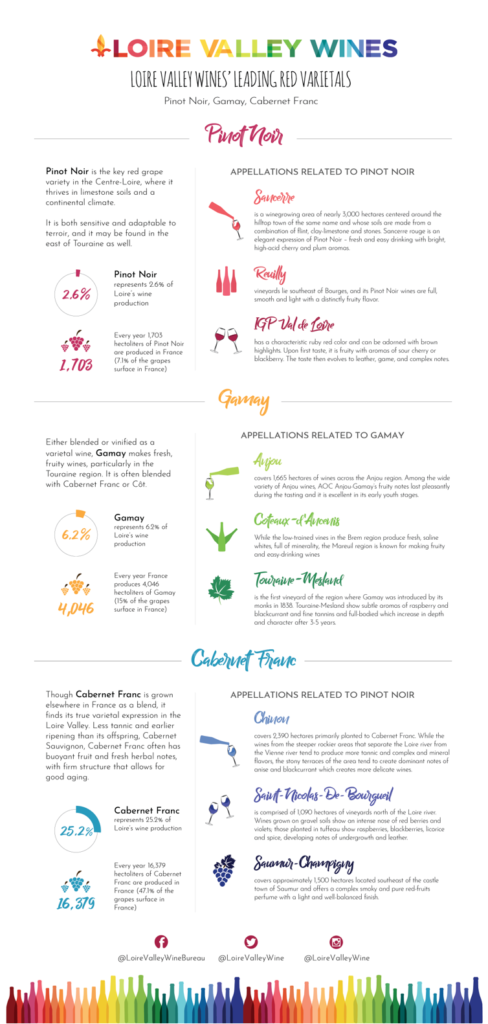
Today, while often known for its aromatic whites, the Loire Valley is also very adept at crafting high quality reds, namely from Pinot Noir, Gamay and Cabernet Franc. These grapes and others typically deliver fresh, fruity, food-friendly options and should be easily found in your local wine store.

Need some inspiration? Befitting the region’s long and illustrious history, these three wines beautifully illustrate the elegance and ease that the reds of the Loire Valley provide.

Hippolyte Reverdy 
It’s possible that the Hippolyte Reverdy family has made wine as far back as 1600, but it wasn’t until the end of World War II that they began to increase their production, eventually bottling greater and greater quantities under their own label and no longer selling their grapes to the local coopĂ©rative. The winery is presently in the hands of Michel Reverdy who joined in his family’s estate in 1971.

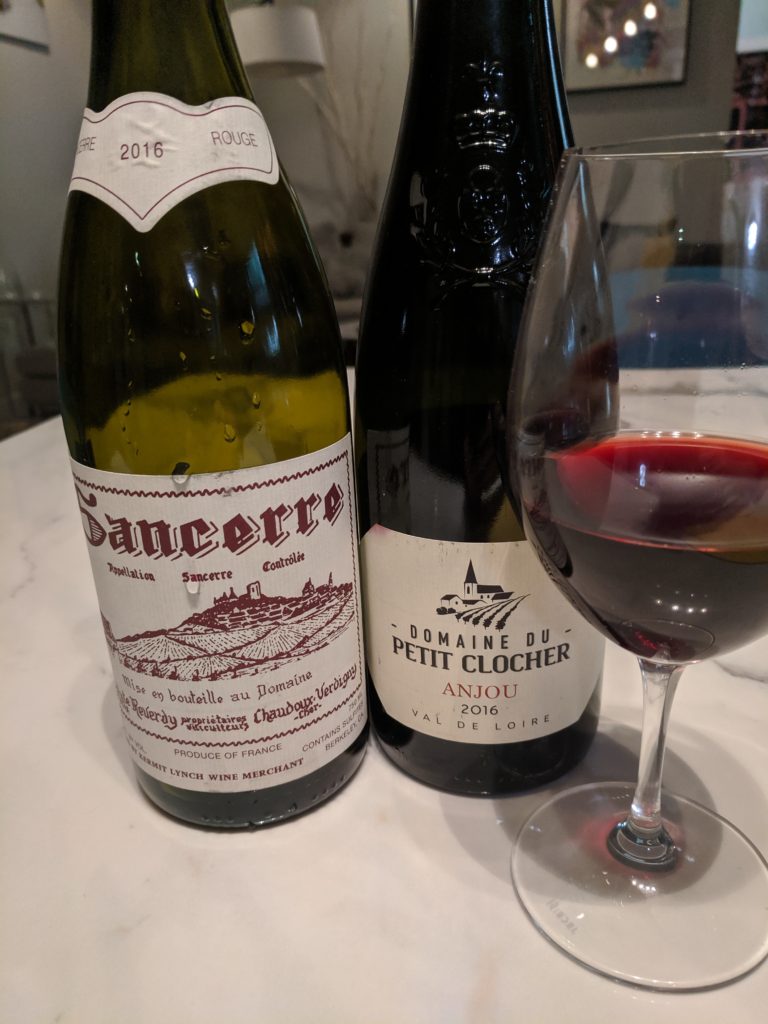
Hippolyte Reverdy Sancerre Rouge 2016, Loire Valley, France
Sourced from 30-year old Pinot Noir vines, this wine displays aromas of berries, cherries and dried herbs. The light-bodied palate is really nice, with fruit-driven cherry flavors, a slightly rustic character, along with an earthy/herbal undercurrent in the long finish.

Domaine du Petit Clocher
Presently managed by the fourth successive generation, this estate has grown from 5 to 80 hectares over 50 years. Yet, it remains true to its roots, favoring traditional wine making practices.

Domaine du Petit Clocher, Anjou 2016, Loire Valley, France
This 100% Cabernet Franc offers up wet leaves, dried herbs. The dry palate displays medium+ acidity, medium to full body, grainy, textural tannins, raspberry, herbaceous notes and long length.

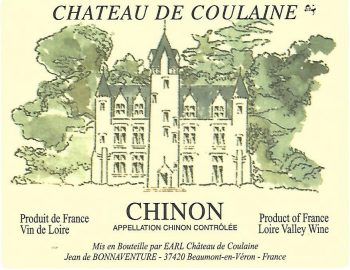
Chateau de Coulaine
This family-owned winery has been operating continuously since 1300! Etienne de Bonnaventure has been at the helm of viticulture and winemaking responsibilities since 1988 and was joined by his son, Jean, in 2014. The 12-hectare estate is planted exclusively to Cabernet Franc, with the vineyards farmed organically.

Chateau de Coulaine Chinon 2017, Loire Valley, France
A beautiful nose of mulberry, blueberry and cranberry gives way to wet leaves, with a textural palate of medium, ripe tannins, medium+ body, high acidity, oak and leafy flavors and long length.