Loire Valley Wine for the Win

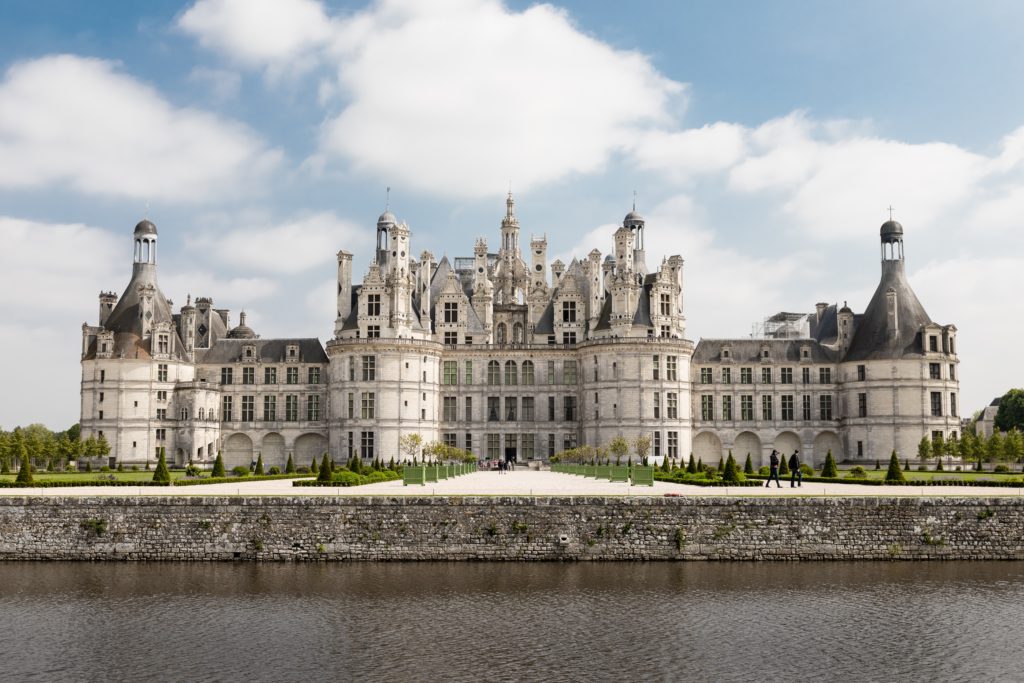
With Thanksgiving around the corner, one need not look any further than the Loire Valley for wonderful wines to grace their table. Here, in the land of castles and Kings, French royalty would spend their summers in the countryside away from the hustle and bustle of Parisian city life.

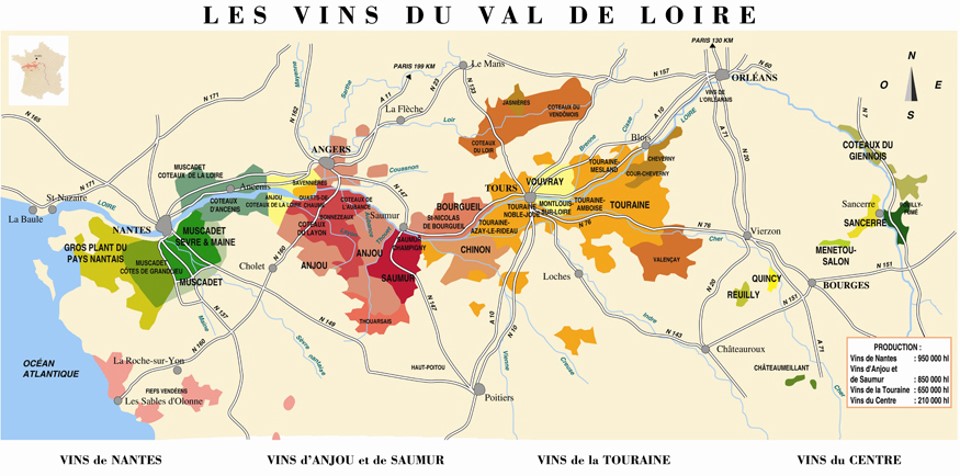
Spanning 629 miles and stretching from the Atlantic Ocean to the center of France before heading south, the Loire River is the longest wild river in France. Given this vast distance covered, a diversity of climates, grapes and wines exist, making the river among the only threads that tie this large wine region together. Rather, while lumped into one large region, the Loire Valley is actually an amalgam of several smaller wine appellations that offer up a wide range of wines thanks to changing microclimates, soil types and grape varieties. This sheer diversity means that there is something for everyone from bone dry, mineral-driven whites to lusciously sweet dessert wines and everything in between. Additionally, the area is known for its full range of red, white, rose and refreshing sparklers. So, if you can’t find a Loire Valley wine to love… chances are that you don’t actually like wine 😉.
My husband and I visited the Loire Valley back in 1999, as part of a belated honeymoon trip through France. Our knowledge of the area was limited, but we were excited to visit the grand chateaux that now function as museums. However, upon arriving in the region, we quickly discovered that it was not only home to stunning scenery, exquisite castles and fabulous gastronomy, but it was also home to a plethora of wine.

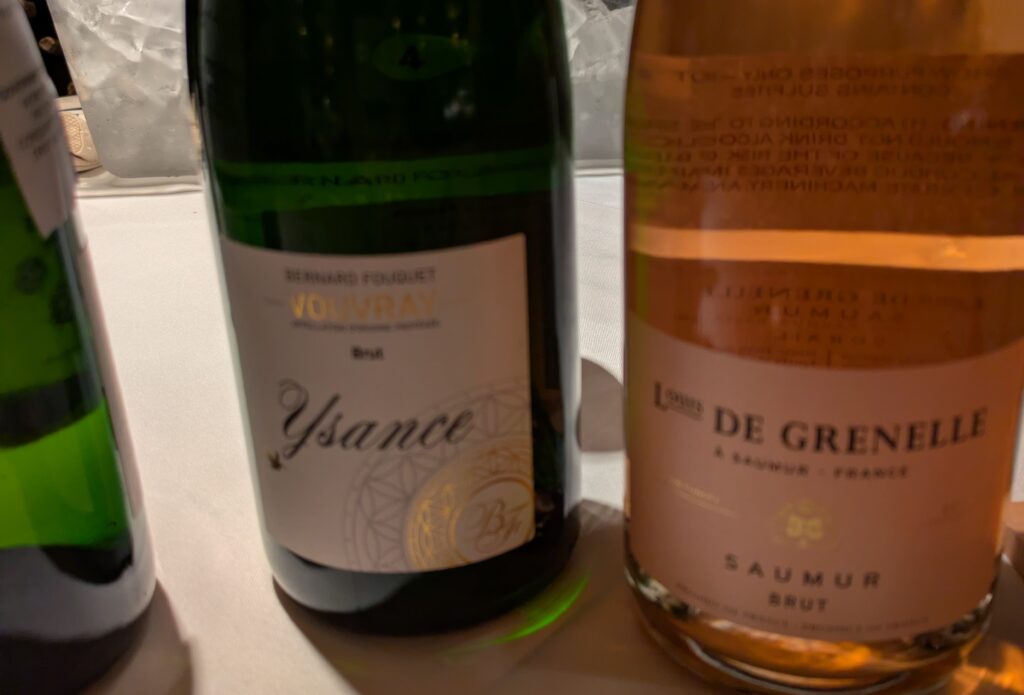
To wit, we had barely entered the area when we were enticed to stop at Domaine Ackerman where we did a tasting of their Crémant de Loire sparkling wines. These Traditional Method sparklers spend a minimum of nine months aging on the lees and deliver great quality and value. It was a lovely introduction to the region and a welcome respite after our long drive.

Today, 85% of Loire Valley vineyards are farmed in adherence with one or more environmental approaches, signifying the region’s dedication to sustainable practices. The most prevalent varieties include Cabernet Franc (most notably the Bourgueil and Chinon appellations), Chenin Blanc (grown in the areas of Anjou, Saumur and Vouvray) and Melon (wines labeled as Muscadet, hailing from the Atlantic coast). Another key grape is Sauvignon Blanc, which is primarily planted in the continental climate of the Central Vineyards (with wines labeled — and perhaps more recognizable to consumers as — Sancerre, Pouilly Fume, and Menetou-Salon).
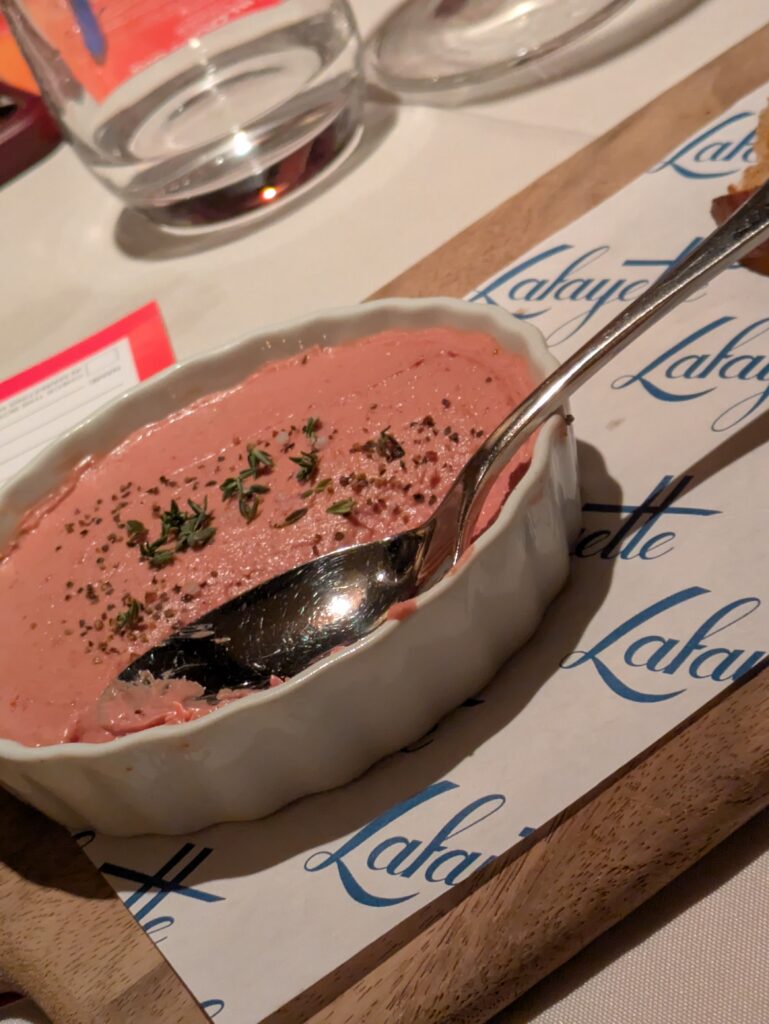
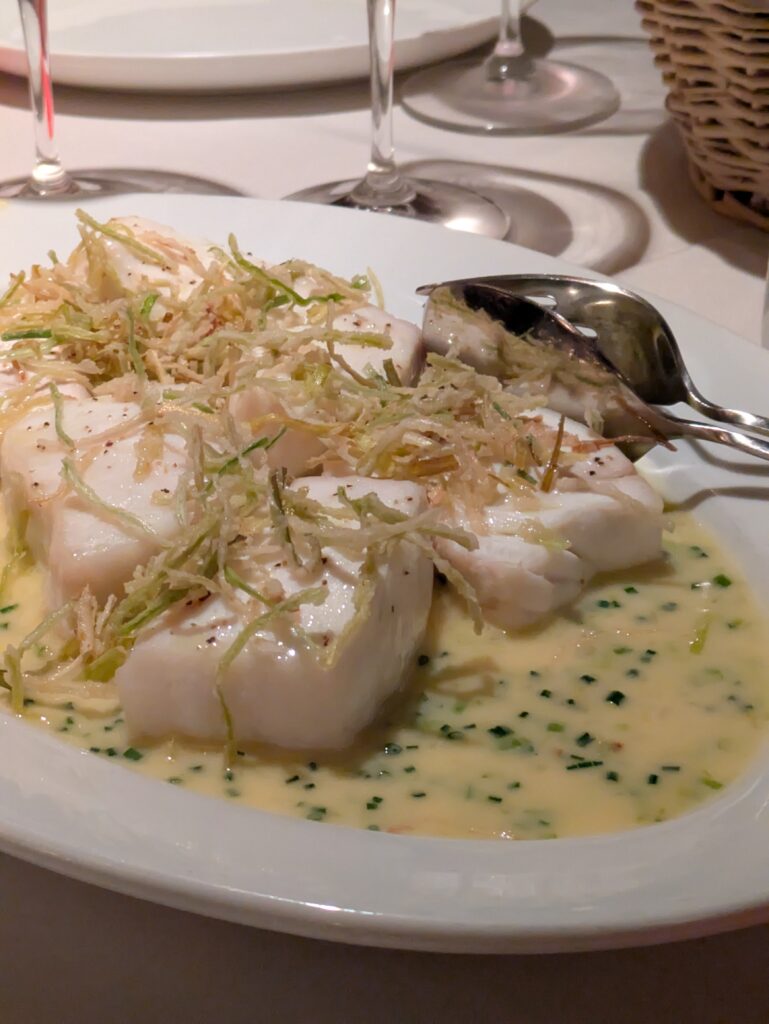
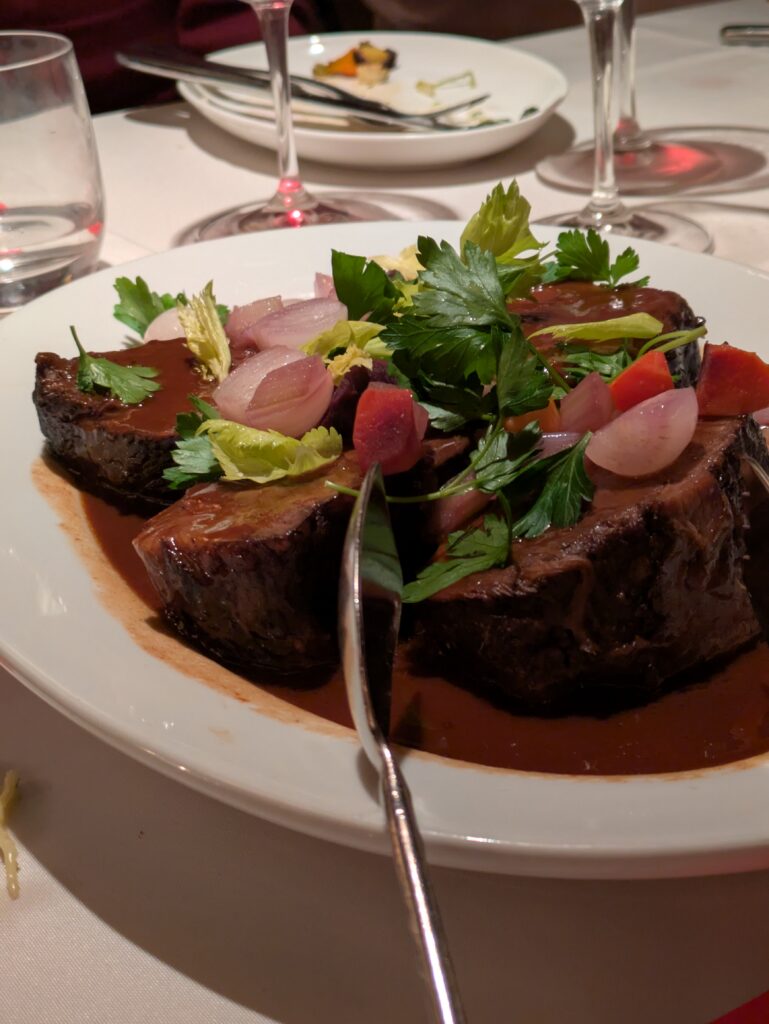
At a recent walk-around tasting and dinner at Lafayette, I had the opportunity to taste through a vast selection of Loire Valley wines, presented by category. While I didn’t try every single wine on offer (nor did I attempt to do so), I did a pretty good job, sipping (and spitting) 37 of the 50 wines. After the tasting portion of the evening, we were treated to a sumptuous, multi-course meal, paired with additional Loire Valley wines.

A few of my favorite wines from the evening are listed below, but I highly encourage you to simply seek out Loire Valley wines on restaurant wine lists and at your local bottle shop. Not only do they offer great diversity, they are generally well priced and very food friendly, making them a fantastic option for your holiday celebrations.

Sparkling
Domaine du Changeon Les Fabuleuses 2023, Crémant de Loire, France

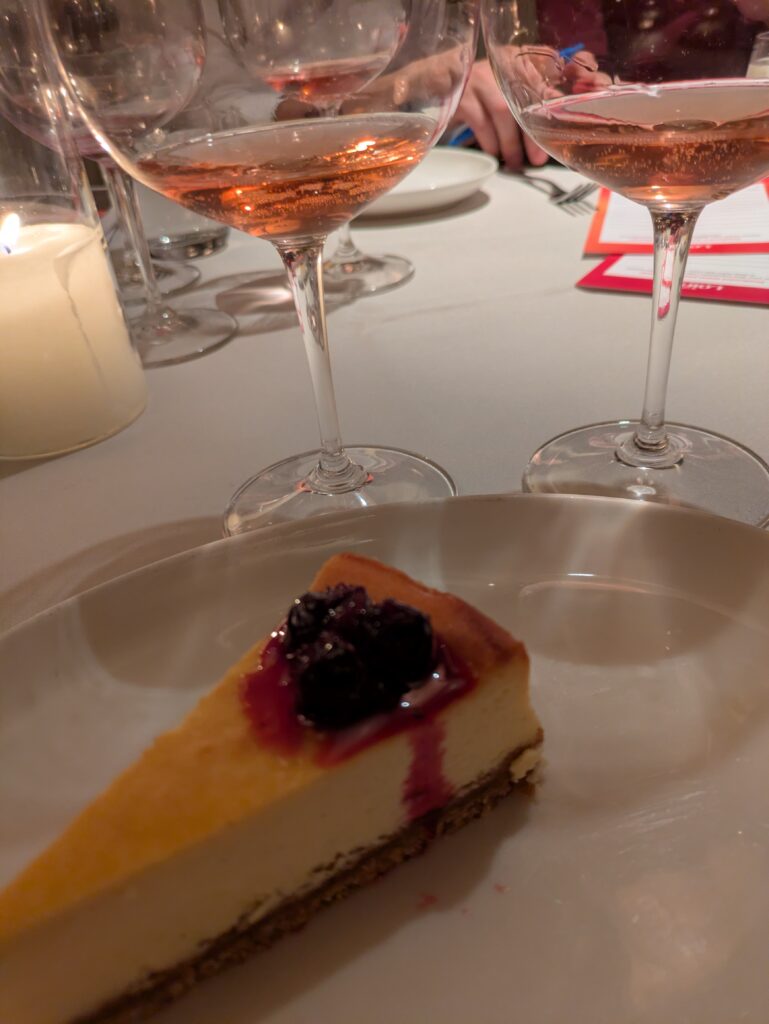
This 100% Cabernet Franc rose sparkler offers up notes of yeast, and floral. It was slightly fuller bodied, with a heftier palate than some of the others I tasted, with a nice richness and weight, culminating in very long length.

Maison Ackerman Crémant de Loire Rosé Brut Bulle Royale, Crémant de Loire, France
Having visited this winery decades ago, it was a pleasure to become reacquainted with their wines. Another rose sparkling wine, this one brings together 60% Cabernet Franc, 30% Pinot Noir and 10% Grolleau. It displayed elegance and finesse with a fine bead on the palate, along with slight cherry and yeast aromas and flavors.

Sauvignon Blanc & Other Whites
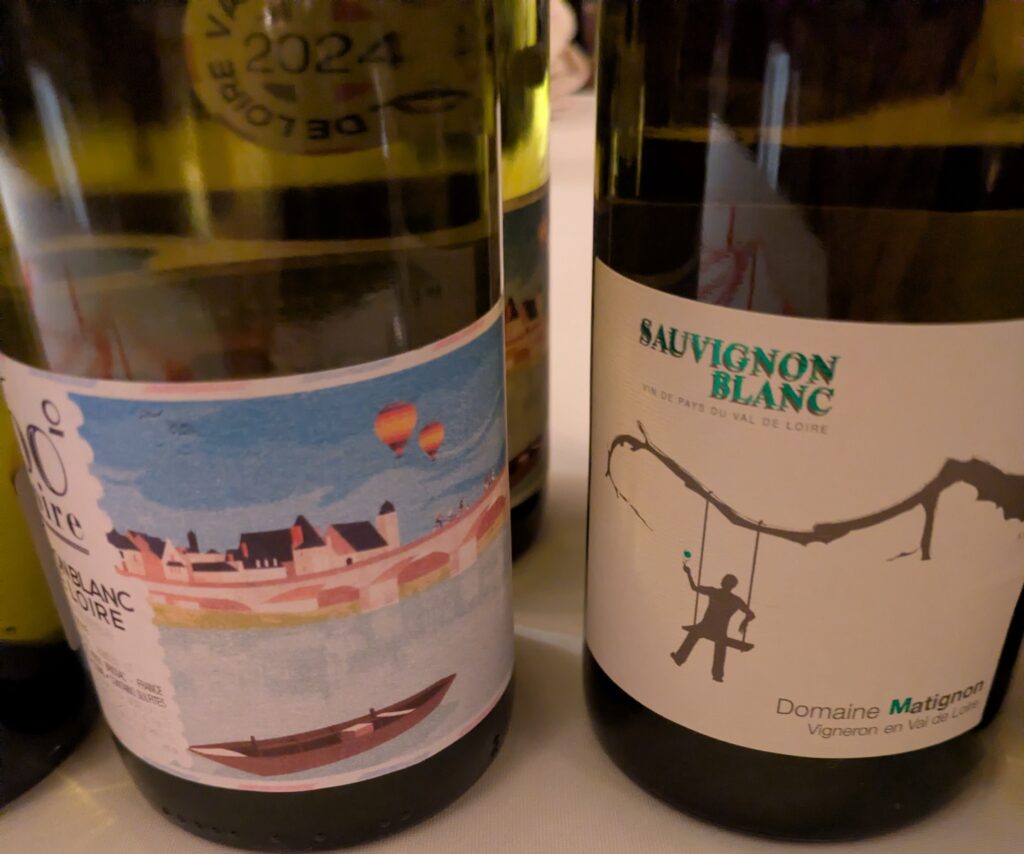
Domaine Pre Baron Sauvignon Blanc 2024, Touraine AOC, France
A more restrained style of Sauvignon Blanc than many of those produced in New Zealand, this wine provided citrus and mineral notes, along with medium body and good length.

Vignoble Gilbert Chon, Perle Bleue – Folle Blanche 2023 Gros Plant due Pays Nantais, France
While Folle Blanche is not a well known grape, most relegated to the production of Cognac and Armagnac, this wine was a shining example of how a less lauded variety is capable of producing a simple, yet very satisfying wine. Citrus notes, crisp acidity, and good length.
Melon Blanc
Domaine Julien Braud Les Vignes du Bourg 2023, Muscadet SĂšvre et Maine AOC, France
Aged for six months on the lees in glass-lined vats, this wine shows bright acidity, yeasty aromas, joined by citrus-lime flavors on the palate, with long length.

Vignoble Gilbert Chon Muscat Chateau de la Jousseliniere 2023, Muscadet SĂšvre et Maine AOC, France
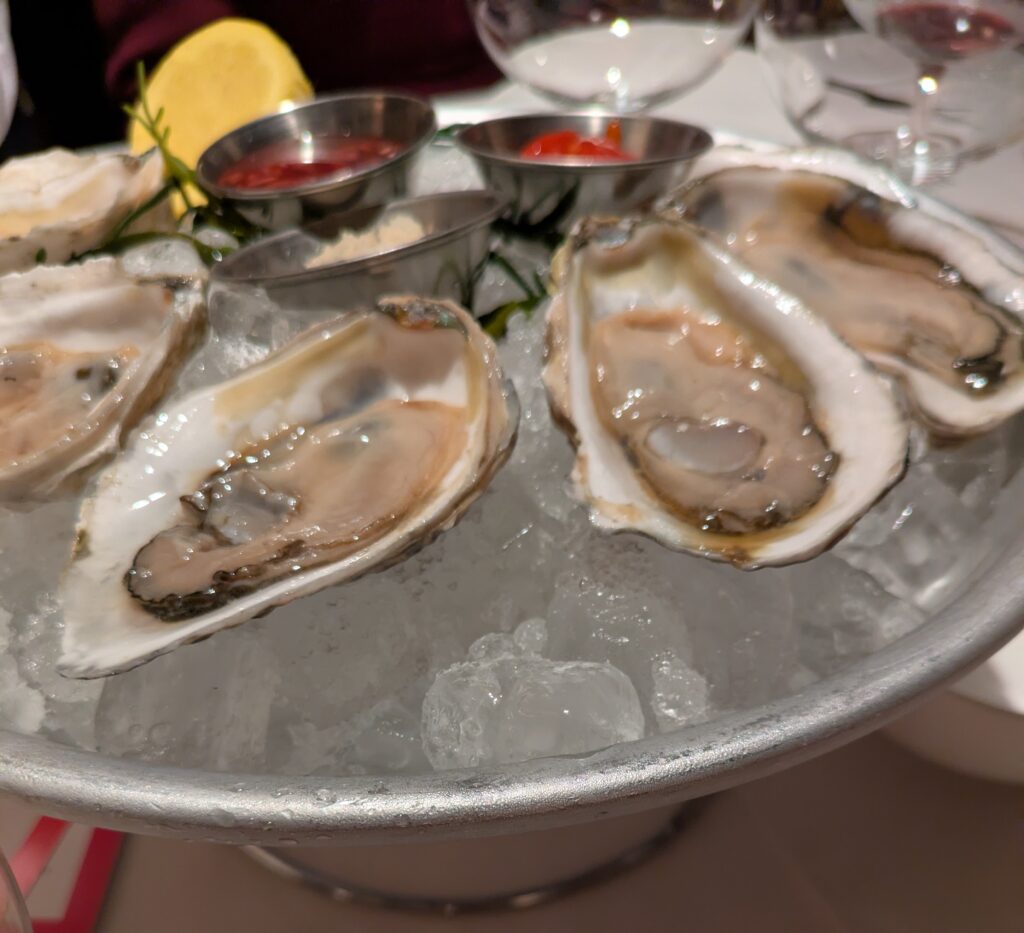
Having spent more than 8 months aging on the lees, this wine displays more pronounced yeast notes, along with minerality and very long length. It is the quintessential pairing partner to oysters.
Chenin Blanc
Alliance Loire Vouvray Sec Les Lys 2021, Vouvray, France
This wine offers up a complex mix of minerality and tree fruit, with a rich palate and really lovely mouthfeel, culminating with long length.

Domaine de la Chataigneraie Vouvray de Gautier 2023, Vouvray AOC, France
Similarly rich and complex, this wine provides very ripe tropical fruit, but is balanced with vibrant acidity.

Roses & Reds
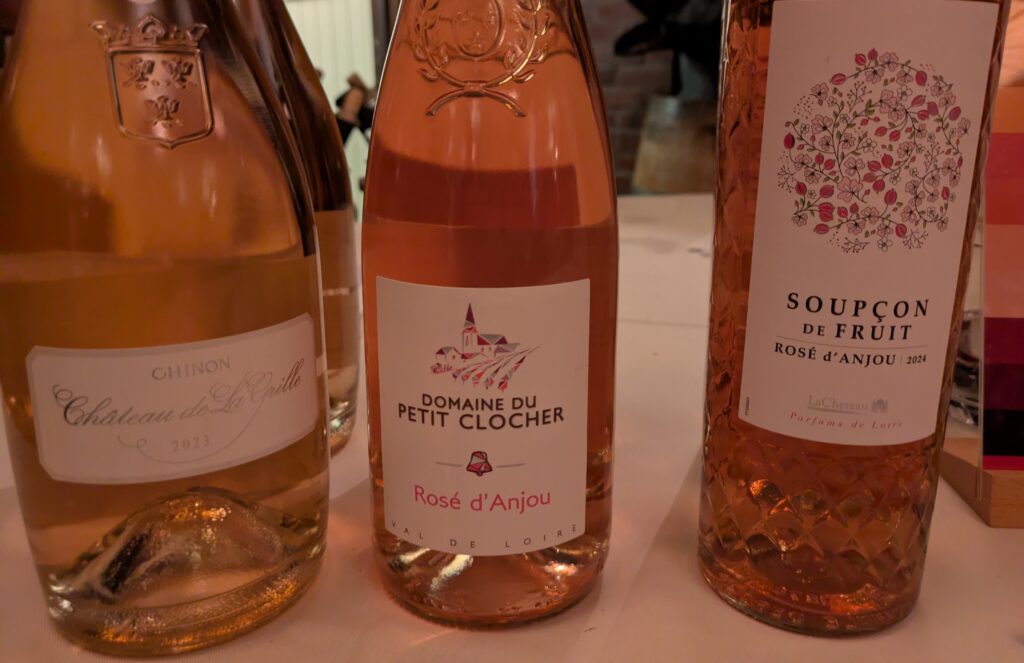
Lacheteau Soupcon de Fruit Rose d’Anjou 2024, RosĂ© dÂŽAnjou AOC, France

A blend of 60% Cabernet Franc, 20% Grolleau, and 20% Gamay, this off-dry rose shows ripe, red berries, but remains fresh and balanced with good acidity and nice length.

Domaine Oudart Apicula 2023, Touraine AOC, France
Produced from 100% Gamay — a grape more associated with Beaujolais than the Loire — this is a fresh and fragrant quaffable red, with ripe fruit, and candied bacon.
Cabernet Franc
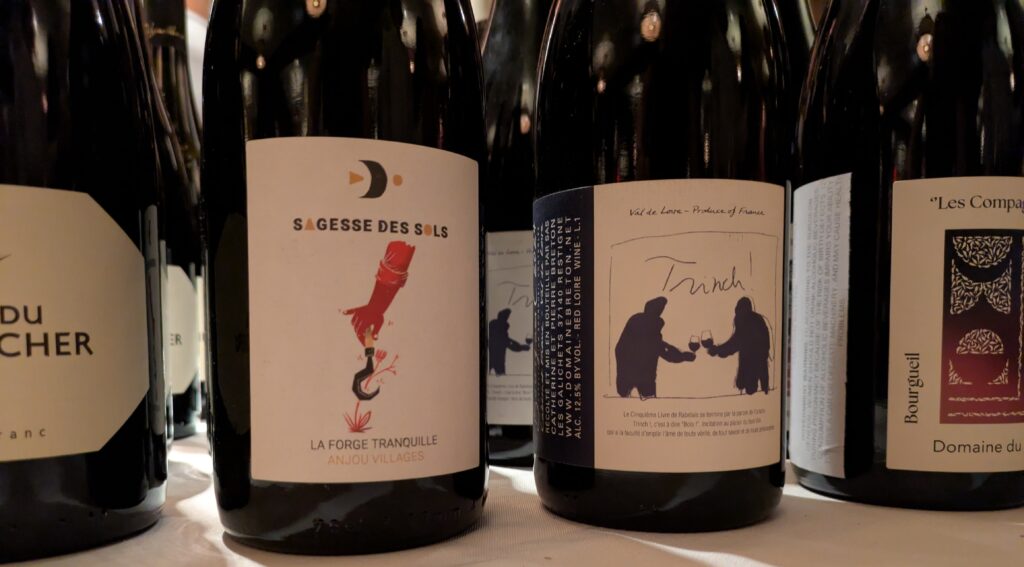
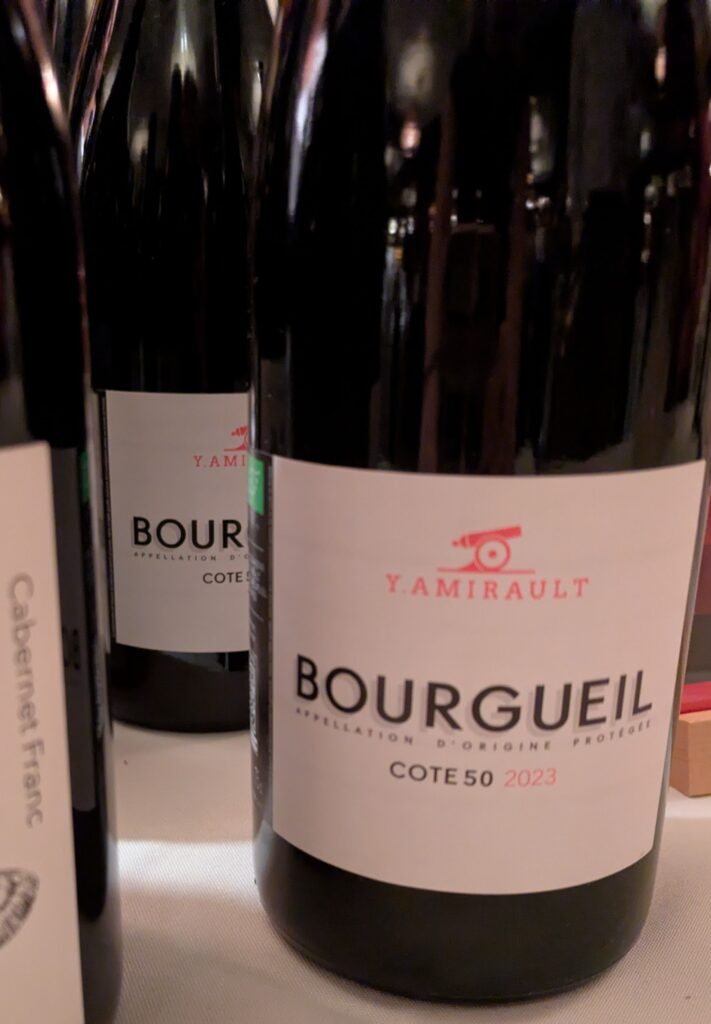
Catherine et Pierre Breton Trinch! 2023, Bourgueil AOC, France
Layered notes of dried herbs, spice, and black cherry, with crunchy acidity, medium+ body, integrated tannins and long length.

Amirault -Clos des Quarterons ls Quarterons2023, Saint-Nicolas-de-Bourgueil AOC, France
Biodynamically produced by members of the 6th generation, this is really lovely, with soft tannins, lots of minerality, fresh red fruit, an herbal undercurrent and long length.

Domaine Pierre et Bertrand Couly La Haute Olive 2018, Chinon AOC, France
Enjoyed with dinner, this wine was a beautiful pairing with the Short Rib Bourguignon and showed off that these wines have aging potential.
Chenin Blanc: A Grand Grape from the Loire Valley

The Loire Valley is home to grand chateaux and the equally grand, but, perhaps, lesser known grape variety, Chenin Blanc. Discovered between the 10th and 15th centuries, Chenin Blanc has a lengthy history in the Loire Valley, with its name supposedly derived from the monastery of Mont-Chenin near Cormery in Touraine.  

Although Chenin was somewhat abandoned in the Loire in the 1970’s in favor of Cabernet Franc and Gamay, it is finding its deserved resurgence, becoming more popular within wine circles as of late. Moreover, Master Sommelier, Pascaline Lepeltier has been championing the variety for quite some time.

And, while the grape has since migrated to other parts of France, notably the South West, as well as California and South Africa, it is in the Loire Valley (which accounts for 95% of France’s plantings of the variety) that it really shines.

Yet, despite Chenin Blanc’s long tenure in the Loire, it is not easily recognized on the shelf given that it is labeled by geographic appellation, rather than grape name. In this case, some of the important names to know are Saumur and Savenniùres.

Additionally, Chenin can be somewhat of a chameleon in that it takes well to different types of wine production, producing a wide range of wine styles from bone dry to lusciously sweet, still and sparkling and with or without oak, malo-lactic fermentation and lees aging. Given this diversity of styles, there is a wealth of options from which to choose.

Regardless of production style, among its various characteristics, Chenin is high in acidity making it very food friendly as it cleanses the palate between bites. Its aromas and flavors tend toward fruit: citrus, apples and (the more exotic) quince; floral: honeysuckle and chamomile; and honey, wax, and lanolin.

During this time of social distancing and a greater emphasis on staying home, this is a wonderful option to try a selection of wines paired with your delivery or take-out.

In this vein, I was recently given the opportunity to taste through several iterations of this grape, paired with the Mediterranean cuisine of Extra Virgin NYC. This black owned restaurant, situated in the West Village, draws from “coastal fare from Italy and France” and has been open for 16 years.

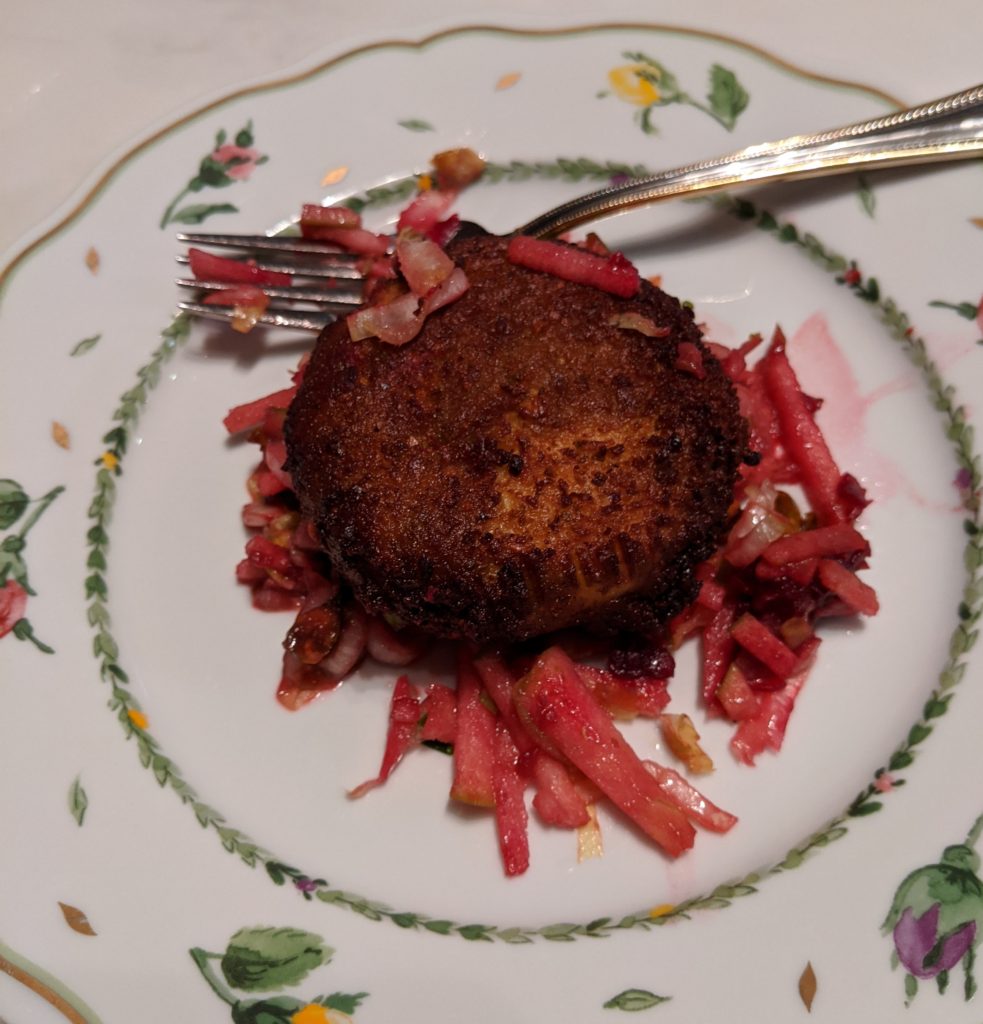
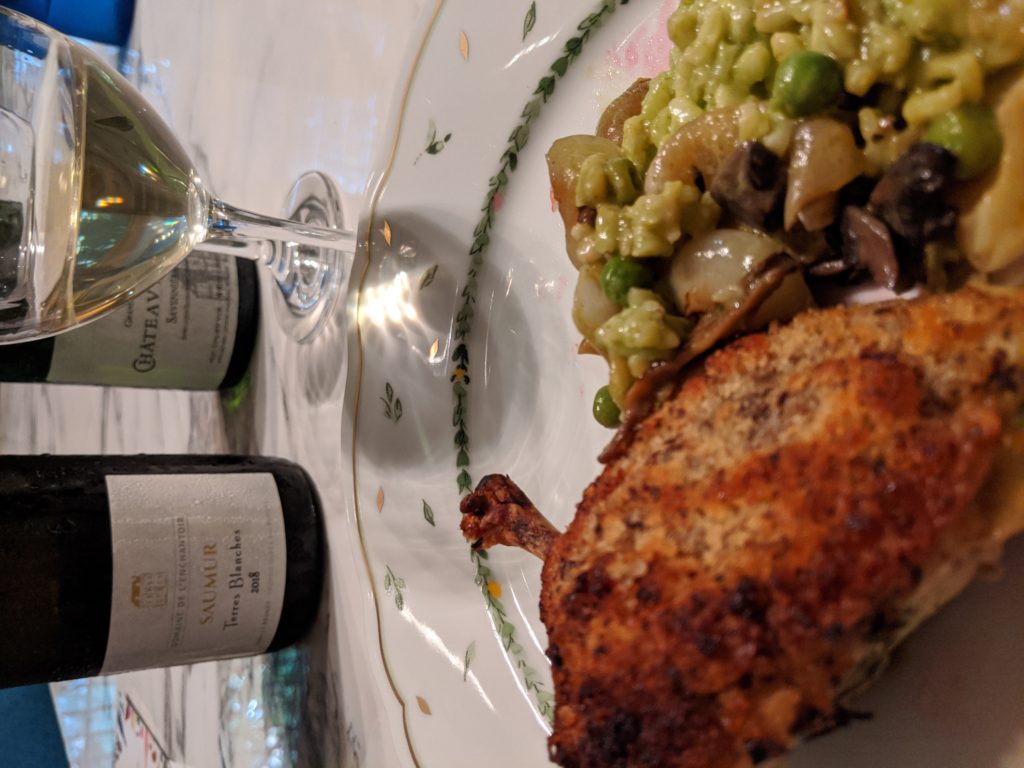
My delicious dinner consisted of a pistachio-crusted goat cheese salad with roasted beets, endive, watercress, granny smith apple vinaigrette, followed by mushroom crusted virgin chicken with sweet pea risotto, Cipollini onions and truffle broth. Both dishes were a great match for the Chenin wines.

TASTING NOTES
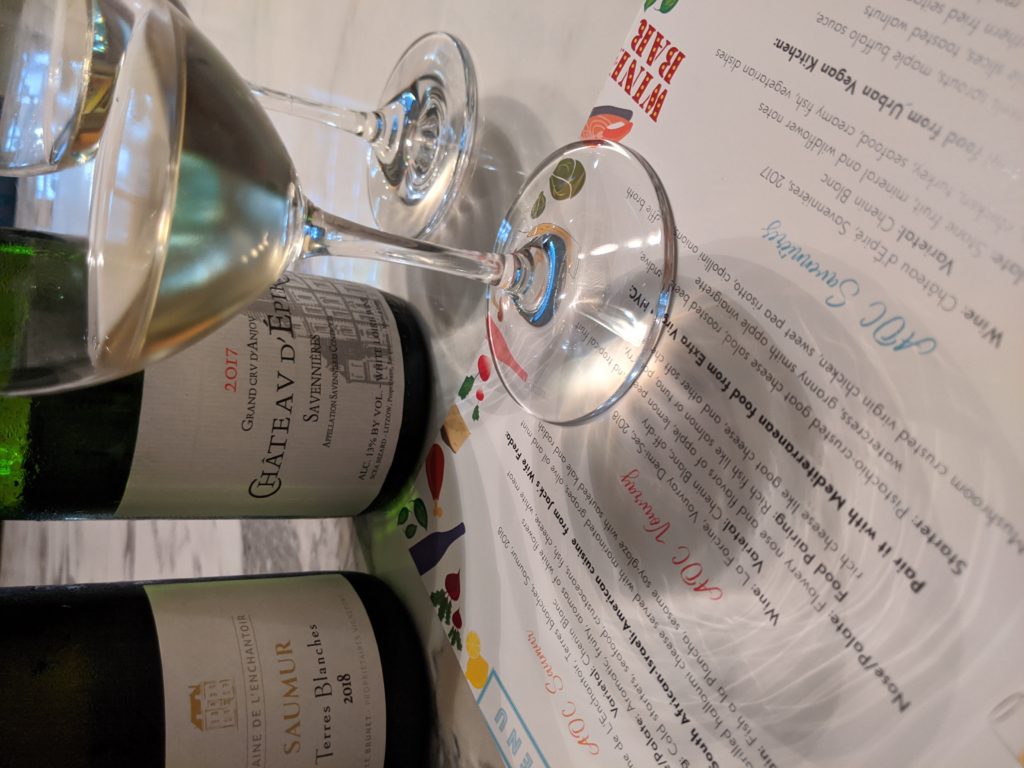
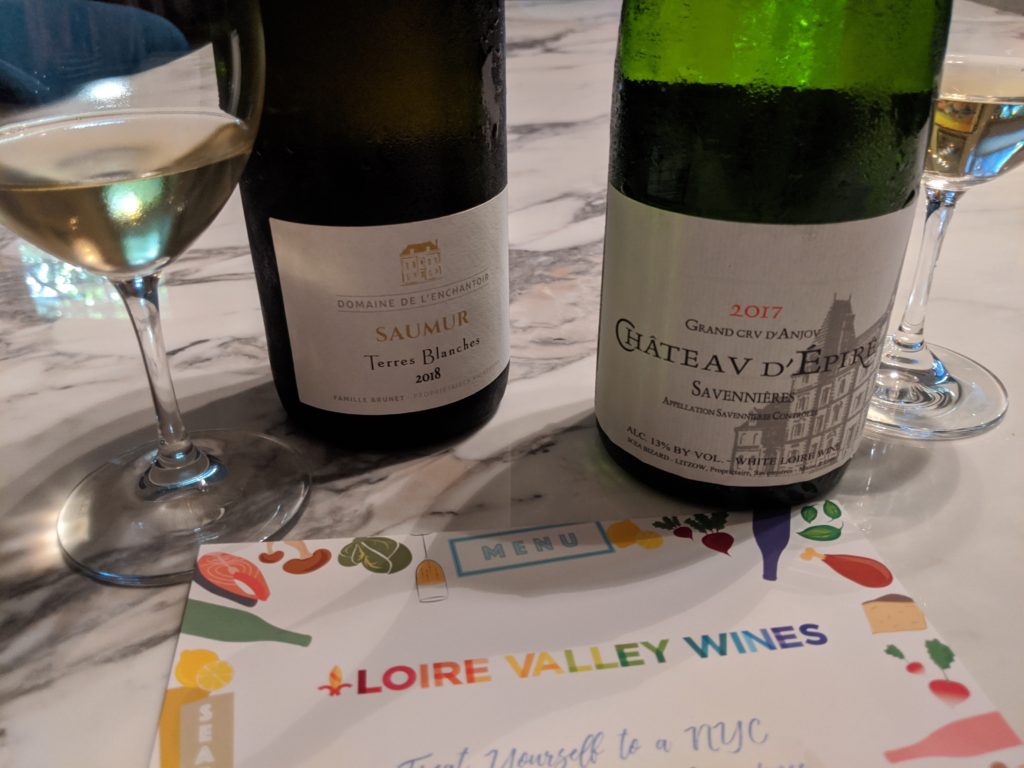
Domaine de l’Enchantoir Saumur Blanc “Terres Blanches” 2018, Loire Valley, France, $20.00
Run by the Brunet family, this domaine has been farming organically since 2010. Aromas of stone fruit/apricot on the nose give way to a dry, rich and round palate with medium+ acidity, medium body, notes of red apple and very long length.

Chateau d’Epire Savenniùres 2017, Loire Valley, France, $25.00
Chateau d’Epire is one of the oldest domaines in the Savenniùres appellation, with a history that dates back to Roman times with ownership by the Bizard family continuously since the 17th century. Exotic notes of lanolin, peach and white flowers dominate the nose and persist on the dry palate, along with high acidity, medium+ body, some minerality and long length.

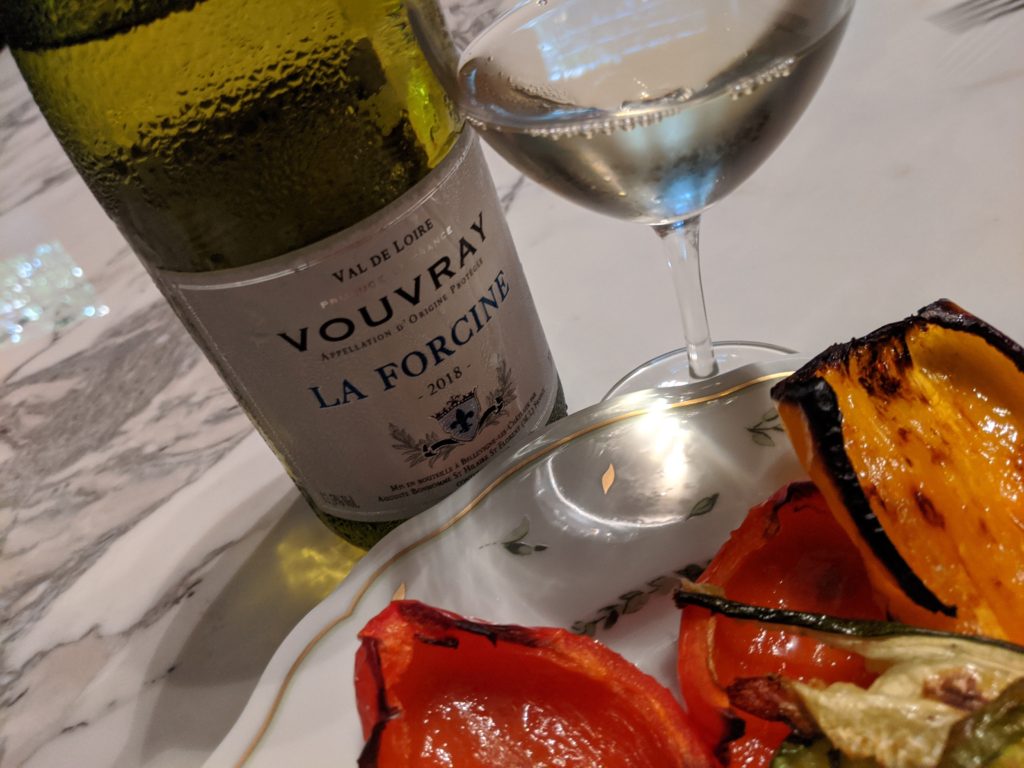
La Forcine Vouvray Demi Sec 2018, Loire Valley, France, $13.00
Produced by August Bonhomme, La Forcine is widely applauded as a value driven Vouvray. With a pronounced nose of floral and stone fruit notes, this off-dry wine is balanced with medium+/high acidity, medium+ body and long length.

Extra Virgin NYC
259 West 4th Street, New York, NY 10014
Currently open for delivery and take-out as well as limited outdoor dining, proprietors Michelle Gaton and Joey Fortunato are asking for support to close their block to vehicular traffic and permit more space for outdoor eating.

Loire Valley Reds: Of Castles, Kings and Cabernet Franc

As a former playground for the Kings of France, the Loire Valley is awash in luxurious castles, but it is equally awash in wonderful wine! Here, grapes have been grown for centuries, dating to the Romans who first planted in the Pays Nantais. Yet it wasn’t until the 5th century that things really got started with some of the earliest mentions of the area’s vineyards made in 528 by Gregoire of Tours in which he cited those in Sancerre and Touraine.

Later, the Loire’s viticultural heritage was squarely in the hands of the church, strongly influenced by both the Augustine and Benedictine monks who understood not only how to make great wine but also how to communicate about and distribute the wines. In this regard, they took full advantage of the local rivers’ safer travel (compared with the roads).

The region’s wine acclaim was further boosted by Henry II Plantagenet, Count of Anjou, when he became king of England in 1154 and permitted only Anjou wines to be served at court (it’s good to be king!), a custom continued by his successors, John Lackland and Henry III.

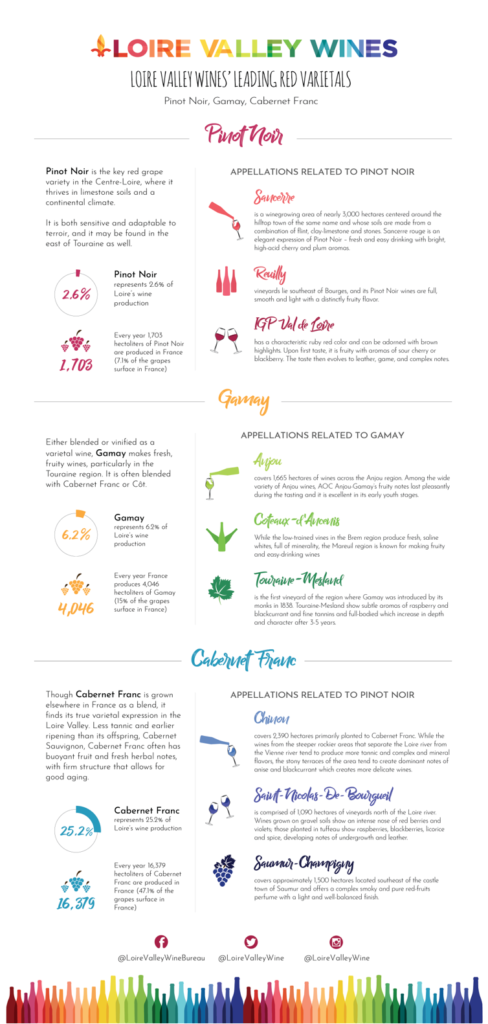
Today, while often known for its aromatic whites, the Loire Valley is also very adept at crafting high quality reds, namely from Pinot Noir, Gamay and Cabernet Franc. These grapes and others typically deliver fresh, fruity, food-friendly options and should be easily found in your local wine store.

Need some inspiration? Befitting the region’s long and illustrious history, these three wines beautifully illustrate the elegance and ease that the reds of the Loire Valley provide.

Hippolyte Reverdy 
It’s possible that the Hippolyte Reverdy family has made wine as far back as 1600, but it wasn’t until the end of World War II that they began to increase their production, eventually bottling greater and greater quantities under their own label and no longer selling their grapes to the local coopĂ©rative. The winery is presently in the hands of Michel Reverdy who joined in his family’s estate in 1971.

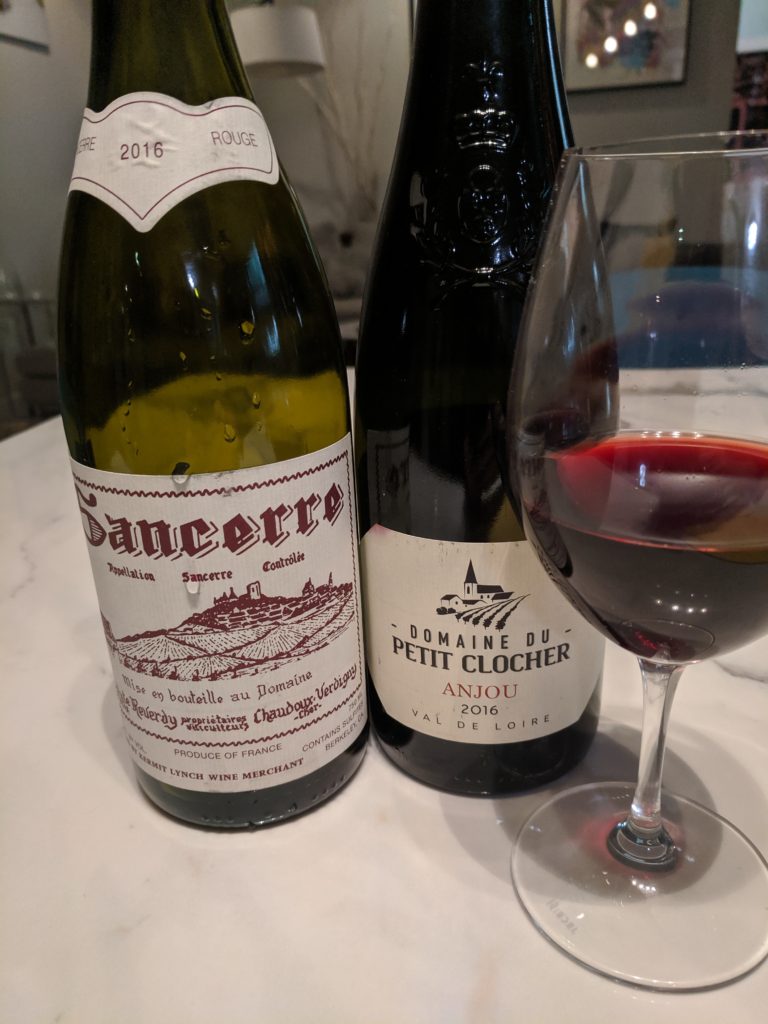
Hippolyte Reverdy Sancerre Rouge 2016, Loire Valley, France
Sourced from 30-year old Pinot Noir vines, this wine displays aromas of berries, cherries and dried herbs. The light-bodied palate is really nice, with fruit-driven cherry flavors, a slightly rustic character, along with an earthy/herbal undercurrent in the long finish.

Domaine du Petit Clocher
Presently managed by the fourth successive generation, this estate has grown from 5 to 80 hectares over 50 years. Yet, it remains true to its roots, favoring traditional wine making practices.

Domaine du Petit Clocher, Anjou 2016, Loire Valley, France
This 100% Cabernet Franc offers up wet leaves, dried herbs. The dry palate displays medium+ acidity, medium to full body, grainy, textural tannins, raspberry, herbaceous notes and long length.

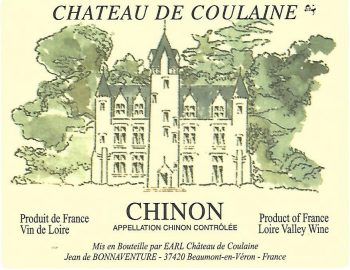
Chateau de Coulaine
This family-owned winery has been operating continuously since 1300! Etienne de Bonnaventure has been at the helm of viticulture and winemaking responsibilities since 1988 and was joined by his son, Jean, in 2014. The 12-hectare estate is planted exclusively to Cabernet Franc, with the vineyards farmed organically.

Chateau de Coulaine Chinon 2017, Loire Valley, France
A beautiful nose of mulberry, blueberry and cranberry gives way to wet leaves, with a textural palate of medium, ripe tannins, medium+ body, high acidity, oak and leafy flavors and long length.