Discovering Sicily: True Cooperation

Italy 2013-05-08_231If Sicilian wines are still being incorrectly identified as emphasizing quantity over quality, another anachronism is that production by cooperatives automatically means poorly made wines. But, with MandraRossa’s intensive adaptation of technology and careful attention to every last detail, it’s clear that striving for quality isn’t restricted to family-owned wineries.

When I arrived at MadraRossa’s Casa Natoli, it was bustling with activity and after the relative quiet of being on my own since Monday morning, I was a bit flustered. But, after introductions were made by MandraRossa’s Brand Ambassador, Maria Isolina Catanese, I soon discovered how much I had actually been craving a full conversation in English. And, as my fellow guests were a group of restaurant managers from London, it wasn’t just English, it was English-English.

Built in 1830, Casa Natoli features the architecture of a typical country house and serves as home to MandraRossa’s cooking school. Ensconced in the Slow Food movement, the Kitchen Brigade at Casa Natoli prepared a multi-course meal featuring not just one, but several dishes comprising different varieties of artichokes (there’s more than one type of artichoke, who knew?), an especially bold move given that artichokes are often considered to be among the most challenging to pair with wine. Fortunately, the Fiano poured with lunch was indeed an excellent match.

After lunch, I was treated to a more formal presentation of the MandraRossa wines with a tasting out in the garden with the winemaker. The wines were quite lovely and the setting was simply heavenly. Then, the agronomist showed me their territory and provided additional details about their operations. Suddenly, we were back to speaking Italian, with the occasional translation from his more English-savvy colleague, when my requests for slower speech or repeated sentences proved insufficient to follow his meaning.

Italy 2013-05-08_247Named for the local district, MandraRossa was founded in 1958 and is part of Cantine Settesoli, which manages the largest single vineyard area in the whole of Europe. However, only the top 10% of Settesoli’s production goes into MandraRossa wines. Today, the cooperative has 88 members, who farm a total of 7,000 hectares. Among the most planted varieties are Chardonnay and Syrah, followed by Nero d’Avola.

The agronomist was keen to let me know how important it was to understand one’s terroir, explaining that they have spent significant time and effort to determine which varieties grows best where and then planting accordingly. In a further focus on quality, growers are advised by the agronomist when to harvest their vines and with which parameters to select their grapes. Moreover, harvesters are monitored by GPS, keeping careful tabs on what is going on within the region. Upon arrival at the winery (the cooperative maintains three), grapes are classified as A, B or C, depending on the quality of the crop, which consequently impacts the price paid to the grower.

Once the tour was over and I checked into the hotel, it was time for dinner. The Brits and I all climbed into a van and were taken to a seaside restaurant where we kicked off the evening with an aperitif on the beach, just as the sun began to set. We were joined by a local dog (who likely belonged to the restaurant) and I somehow managed to step (barefoot) on a bumblebee (yes, ouch!), but the view was too stunning to worry about the pain for long.

Dinner itself was an exquisite array of fresh seafood, including raw gamberi (shrimp) that were so sweet, it was like eating candy. The Brits were a rowdy bunch to put it mildly, freely admitting to having been literally under the table the night before at Planeta’s La Foresteria. Thankfully, they were more subdued that night (perhaps too tired out from the night before?), although one woman proceeded to regale us with stories of her battle with Nutella addiction (she was joking, at least I hoped she was joking). And, when sorbet was served at the end of the meal, they were all anxious to convert them to sgroppinos (a slushy cocktail). The waiter was only too happy to oblige, bringing the entire bottle of vodka to the table and letting us pour at will. I declined the first round, but gave in on the second (if you can’t beat ‘em…and all that).

Dicovering Sicily: Valley of the Temples and Nectar of the Gods

Italy 2013-05-09_335I encountered a similarly positive experience with another cooperative the following morning. Established in 1969, Viticultori Associati Canicattì, alternately referred to as CVA or simply Canicatti, is now home to 480 vinerons and 1,000 hectares. The vineyards are situated in the sunniest and driest part of Sicily, stretching out to the coast of Agrigento and comprising a wide range of altitudes from sea level to 600 m above the water.

As with MandraRossa, each vine is constantly monitored so as to identify the optimal moment for harvest. The vineyards are planted to both indigenous and international varieties, including: Catarratto, Inzolia, Grillo, Nero d’Avola, Nerello Mascalese, Nerello Cappuccio, as well as Chardonnay, Cabernet Sauvignon, Syrah and Merlot.

Given the cooperative’s proximity to the Valle dei Templi (Valley of the Temples), the winery has a unique relationship with the park. Consequently, I was blessed with the opportunity to taste through their extensive portfolio just steps away from Greek and Roman ruins. Led by Technical Director, Angelo Molito, we started with a lovely, slightly sparkling wine, Satari Frizzante 2012, before we tasted through a selection of still whites. We then shifted to a Nero d’Avola-Nerello Mascalese rosato blend. Next up were the lighter-bodied reds, including the Aquilae Nero d’Avola, their most sold wine.

Finally, we turned our attention to a mini-vertical of Aynat, the winery’s flagship wine produced in very limited quantities from low yielding, 25-30 year old Nero d’Avola vines and aged in barrique and bottle before release. I was astounded by the beauty, depth, elegance and age-worthiness of this wine, particularly when tasting the 2006.

Just outside the Park Authority’s boundaries, Canicatti has recently taken possession of 3 hectares of 20-25 year old vines, situated in the shadow of the Temple of Giunone. The fruit from these vines will make their debut at VinItaly 2014 in the guise of Diodoros 2012 – Nectar of the Gods. A blend of Nero d’Avola, Nerello Cappuccio and Nerello Mascalese, the wine was first vinified in stainless steel in November 2012 and then, in May 2013, was transferred to barriques. Since the wine still has a full year of oak aging ahead, my preview tasting of a tank sample was an honor, but not a real assessment of what this wine will be upon release.

As we walked through the Diodoros vineyard, Angelo told me that the almond trees are strikingly beautiful when in bloom. I joked that I would be back in January to see them and, given the warm welcome I received that day, I’m almost convinced that if I were to show up on his door next year, he wouldn’t miss a beat before inviting me into his home and then taking me to see the trees.

Then, all too soon, it was time to head off to my final destination, Tasca d’Almerita.

Dicovering Sicily: Crazy with a fox (and Germans)

Italy 2013-05-10_430If a wine region can claim to have a first family in its midst, then no doubt the Tasca d’Almerita family would find itself among the top of Sicily’s list. In the 1830s, the two Tasca d’Almerita brothers bought the Regaleali estate, turned it into their home and launched the family business. But, it wasn’t until the 1950s that things began to really change. Choosing to become a pioneer in shifting the conversation about Sicilian wine from quantity to quality, it was Count Giuseppe Tasca d’Almerita who focused on improving Sicilian wine through experimentation in the winery and the vineyard.

Among Giuseppe’s first successes was Bianco Regaleali, a white blend of Inzolia, Cataratto, Grecanico and Chardonnay, which sports an unusual bottle shape –similar to a flute d’Alsace – immediately becoming well recognized for its quality and establishing the Tasca d’Almerita’s reputation as producers of fine wine. This was joined by the Rosso del Conte – a special reserve of Regaleali Rosso, produced from 40 year old Nero d’Avola vines. His Nozze d’Oro was first crafted as a gift to his wife in honor of their 50th wedding anniversary – a true labor of love – blending Inzolia and Sauvignon Blanc. When the wine was met with such critical acclaim, he decided to continue to produce the wine beyond the anniversary celebration and it remains a company flagship.

Guiseppe’s son, Count Lucio, followed his lead, looking to plant vines at different and higher altitudes, where it was much cooler. Lucio was also the first to plant international varieties, namely Chardonnay and Cabernet Sauvignon, during the 1980s, a choice he initially hid from his dad. It wasn’t until the wines were crafted and bottled that he gave Giuseppe a taste, still not revealing their origin until after Giuseppe had offered his seal of approval. The Chardonnay made its debut in the family’s portfolio in 1985 and continues to garner high praise as does the Cabernet Sauvignon.

Today, while Count Lucio remains president of the family-run winery, his two sons, Giuseppe and Alberto, serve as vice president and managing director, respectively. When Giuseppe and Alberto joined the family business, Lucio made it clear that if they began to fight, he would immediately step in and tell them what to do. The threat seems to have worked since they continue to work in harmony to this day.

Regaleali now stretches over 500 hectares in the heart of Sicily and I reached the historic estate in the late afternoon, with time to rest before dinner. But, if I thought that the remote location would mean peace and quiet, I was sadly mistaken. A German restaurateur who is a client of Tasca d’Almerita had brought his all male group of friends to visit the winery, coincident with my stay. While I was warned that the group was there, it didn’t prepare me in the least.

The light teasing, which I could easily handle, began with the appetizers, eaten in the courtyard, while enjoying the Tasca d’Almerita Brut sparkler. Later, we moved indoors to escape the evening chill and bawdy jokes were told. But, like the appetizers, this, too, was only a taste of what was to come.

Italy 2013-05-09_367The next incident involved a fox (no, really!). At some point, during the meal, Regaleali’s Hospitality Manager, Sasha Stancampiano, asked me if I wished to see a fox. A bit perplexed by the question, I followed him outside, where, to my surprise, a fox was hanging out in the courtyard. It turned out that the fox visits regularly and, given that they’ve taken to feeding her, I am sure she will return.

After dinner (and many glasses of wine), the Germans began to sing. An impromptu game of Name That Tune was scrapped when the internet connection proved to be too slow to stream music on Yoni Annet Westerndorp (Brand Manager Europe)’s iPad, but the Germans continued to sing. Suddenly, there were four middle-aged German men belting out Bye, Bye Miss American Pie and dancing around the table. I wasn’t sure which was more surprising – their eagerness to sing or the fact that they even knew that particular song. Other songs and similar renditions followed (as did several more glasses of wine). I tried to decline at least a few glasses, but eventually gave up trying and simply took fewer and smaller sips. As midnight approached, it appeared that the dancing was about to shift from AROUND the table to ON the table, at which point Yoni, RossellaMarino Abate (an intern at Tasca d’Almerita) and I said goodnight to the gentlemen, half expecting to find them still there at breakfast, and headed off to our respective rooms.

After breakfast, which was blissfully song-free (save for the iPhone video of last night’s antics), winemaker Laura Orsi, who has been with Tasca d’Almerita since 2004, led me through a formal tasting. She shared that careful attention is paid to replanting the vineyards, with 15 hectares removed and replanted annually. However, she further emphasized the need to work well in the winery to maintain quality and included an analogy regarding zucchini. Unfortunately, as my notes simply read “zucchini example,” this wisdom is now lost to me.

Once the tasting was over, Yoni and Rossella provided me with a comprehensive tour of Regaleali, visiting a number of vineyards including the vines planted back in the 1950s. The self-sufficient estate also boasts one of Italy’s best culinary schools established by Count Lucio’s sister, Marchesa Anna Tasca Lanza and, during our brief visit to the school, we had the opportunity to sample some tuna sashimi.

Beyond Regaleali, the Tasca d’Almerita family owns Tenuta Capofaro on the Aeolian island of Salina, which is focused on Malvasia; the Tascante estate on Mount Etna, home to Nerello Mascalese and Nerello Cappuccio; and has expanded its production through joint ventures with the Whitaker Foundation in Mozia (close to Marsala) where they grow Grillo, and with Sallier de la Tour at Monreale, which is situated near Palermo and particularly suitable for Syrah, Cabernet Sauvignon and Petit Verdot.

I departed Villa Tasca and prepared for my final night in Palermo, where I had the pleasure of dining with Simona and Salvatore (yes, every other person seems to be named Sal) from Gran Via. They had been encouraging my use of Italian, but offered their assistance with the menu if I needed it. I spotted an interesting menu item and could translate all, but one, word in the dish description – fasolari – choosing to order it anyway. Once I was served, Salvatore pointed out the fasolari on my plate, which, at least to me, resembled a large clam. Since my dish already had small clams known as vongole in it, I borrowed the skills learned regarding suffixes (“-one” makes things bigger) to invent the word “vongolone,” which Simona and Salvatore found to be hilarious. Either way, dinner was delicious and I had a lot of fun before we walked back to my hotel and said goodbye. The next morning, I was off to the airport, where it was tears in place of last night’s laughter as I bid arrivederci to Sicily.

Dicovering Sicily: Recommended Wines

2013-05-08 19.28.40 (2)Casa Vinicola Firriato

Quater 2012, IGPSicilia
This blend of Grillo, Catarratto, Carricante and Zibibbo has pronounced aromas of floral, blossom, and citrus. The dry palate is fresh with full body.

Favinia La Muciara 2012, IGP Sicilia
A blend of Zibbibo, Grillo and Cataratto, the nose offers wet stone and citrus aromas along with some white flowers. On the medium-bodied palate, ripe citrus flavors stand out, accompanied by minerality and a hint of salinity, reminiscent of a Fino sherry.

Favinia Le Sciabiche 2011, IGP Sicilia
Bringing together Perricone and Nero d’Avola, notes of red flowers and fresh berries greet the nose. The dry, medium+ bodied palate has good acidity and shows flavors of berries, wood, herbs and minerality.

Quater 2009, IGP Sicilia
A blend of Nero d”Avola, Perricone, Frapatto and Nerello Cappuccio, this wine spends several months in barrique. It has cocoa, woody and balsamic notes with velvet texture, dark fruit flavors and nice depth.

Ribeca 2010, IGP Sicilia
Produced from 100% Perricone, this wine offers bramble fruit on the nose with rich raspberry fruit, spice and medium tannins on the palate.

Donnafugata

Lighea 2012, IGP Terre Siciliane
This dry Zibibbo offers up heady floral and citrus aromas on the nose. The medium-bodied palate has floral, tangerine and pineapple with high acidity and long length.

Chiarandà 2009, Contessa Entellina DOP
A partially oak-aged Chardonnay, this wine has aging potential. Apple, butter and nuts dominate the nose, with a creamy, full-bodied palate and long length.

Sedàra 2010, IGP Sicilia
With Nero d’Avola, Cabernet Sauvignon, Syrah and Merlot, this wine has cherry and herbal aromas that persist on the palate, with firm tannins.

Mille e una Notte 2007, Contessa Entellina DOP
Primarily from Nero d’Avola, this wine offers wood, black cherry and spice aromas with an elegant, rich and layered palate, culminating in very long length.

Ben Ryé 2010, Passito di Pantelleria DOP
An intense nose with notes of marmalade, orange peel, spice, caramel and apricot repeated on the equally intense, full-bodied palate. This wine has richness, depth and long length.


Gorghi Tondi

“Meridiano 12″ Bianco 2012, Sicilia DOP
A blend of 70% Cataratto and 30% Chardonnay, this wine has notes of apple with vibrant acidity, medium+ body and a slight grip on the palate.

Kheirè 2012, Sicilia DOP
This 100% Grillo wine displays notes of floral, dried, herbs, pear and melon, with depth and complexity on the full-bodied palate.

Coste a Preola Rosso 2011, IGP Sicilia
This is an easy-drinking Nero d’Avola with fresh black cherry, floral and herbs on the nose and palate.

Segreante, IGP Sicilia
With 100% Syrah, this wine is very earthy and spicy with bright red fruit, medium+ body and nice length.

Grillo d’Oro Passito 2010, IGP Sicilia
Produced from botrytis-affected Grillo grapes and aged in oak for 12 months, this wine has honey, apricot and fresh grape aromas with spice, licorice and beautiful acidity on the medium-sweet palate.


MandraRossa

Fiano 2012, Sicilia DOP
Fresh floral, peach, nectarine and almond aromas greet the nose and persist on the palate.

Santannella 2011, IGP Terre Siciliane
A blend of Fiano and Chenin Blanc, this dry, white wine is rich and complex with beautifully balanced oak and depth.

Nero d’Avola 2012, Sicilia DOP
Displaying fresh fruit aromas of cherry and strawberry on the nose, tar, herbs and tannins pervade the rich palate.

Syrah 2012, Sicilia DOP
This wine offers blackberry, earthy and mineral notes, which are repeated on the full-bodied palate.

Cartagho 2009, IGP Sicilia
Another 100% Nero d’Avola, this wine offers up rich, intense cherry, plum, and floral aromas with herbal, tar, oak and wet leaves joining on the palate.


Canicatti

Satàri Frizzante 2010, IGP Sicilia
Made from 100% Cataratto, this sparker has an expressive nose of floral and pear aromas with a soft mousse, excellent acidity and ripe citrus on the palate.

La Ferla Rosato 2012, IGP Sicilia
This Nero d’Avola-Nerello Mascalese blend has a deep pink hue with notes of melon, berries and a slight grip on the palate.

Centuno Nero d’Avola 2010, IGP Sicilia
This wine offers up firm tannins, intense cherry aromas and flavors, along with tar and herbs. It needs time to evolve.

Scialo 2008, IGP Sicilia
This Nero d’Avola- Syrah blend has lovely spice, earth, herbs and red fruit aromas and flavors, with nice length.

Canicatti Aynat 2006, IGP Sicilia
This wine displays concentrated, rich cherry and cranberry fruit with woody, spice, tar and herbs on all of which linger on the full-bodied palate.


Tasca d’Almerita

Tascante Buonora 2012, IGP Terre Siciliane
This Carricante wine from Mt. Etna displays citrus and minerality on both the nose and palate. Fresh and structured with long length.

Didyme 2012, IGP Salina
Produced from Malvasia at Tenuta Capofara, with floral and peach aromas, this dry white has full body, with fresh fruit and vibrant acidity.

Chardonnay 2010, IGP Sicilia
Fermented in 350L French barrels (70% new and 30% 2nd and 3rd year), this wine has aromas and flavors of bruised apple, rich caramel, candied lemon and a slight toothpick character.

La Monaca Syrah 2009, IGP Sicilia
Hailing from the Sallier de la Tour estate in Monreale this wine shows red fruit, spice and earth, with silky tannins on the palate.

Rosso del Conte 2007, Contea di Sclafani DOP
This wine is rich and intense with both red and black fruit aromas and flavors. The French oak is beautifully integrated, making for an elegant, yet powerful, wine that offers very long length.
A Tale of Two Vintages

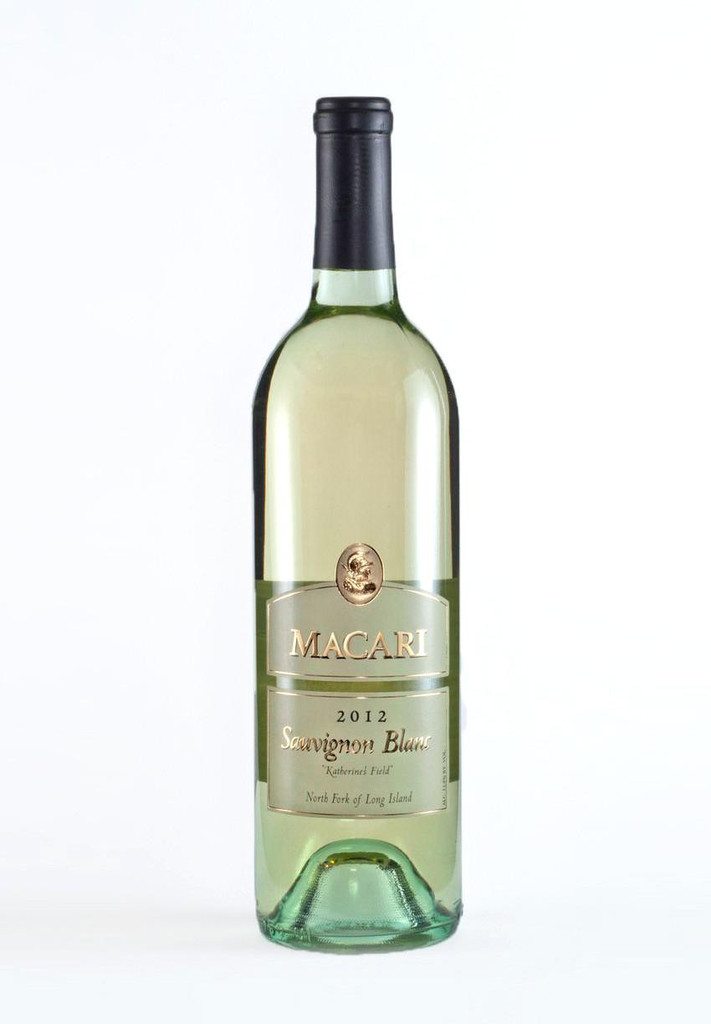
SAUV_BLANC_2012_web_1024x1024New York wine producer, Macari Vineyards, recently released the newest vintage of its Katherine’s Field Sauvignon Blanc – 2012. Produced from 100% Sauvignon Blanc fruit sourced from the winery’s estate in Mattituck on the North Fork of Long Island, the wine is made entirely in stainless steel tanks to preserve the fresh fruit character of this grape.

Since I had a bottle of the 2011 remaining in our cellar, I decided to taste the two wines (2012 and 2011) side by side to see how vintage variation and extra aging (for the older wine) might impact what I tasted in the glass.

Not surprisingly, the 2012 had a more pronounced nose given its (relative) youth, but the 2011 was still quite fresh despite its additional year in bottle. Instead, I attributed most of the difference between the two wines to their respective vintage conditions.

The 2011 growing year was among the wettest and rainiest in Long Island’s history, making it challenging to combat mold and mildew in the vineyard as well as to coax the grapes to full ripeness. Likely given these conditions, the citrus and herbaceous aromas, which are typically inherent in cool climate Sauvignon Blanc, were more prevalent in the 2011 vintage wine. With its slight age, the acidity in this wine seemed to have rounded out and a hint of earthiness was evident on the palate.

Conversely, during the 2012 season, Long Island was blessed with warm, dry days, which meant that grape maturity was achieved more easily. Thus, while the 2012 wine displayed notes of white grapefruit, it also offered some floral aromas and tropical fruit on the nose and palate. In spite of the warmer weather, this wine appeared to be more tart, likely due to its more recent bottling, and also offered some minerality.

I enjoyed the opportunity to evaluate these two wines together, closely comparing and contrasting their individual characteristics. And, although I slightly preferred the 2012 to the 2011, I certainly did not feel that the 2011 was over the hill, and, in fact, might have preferred the 2011 instead, if I had tasted the wines with food.

While it is more difficult to find previous vintages in the market, Union Square Wines & Spirits does appear to have the 2011 in stock. The newest release should be more readily available at retail (SRP $23.00) and is also available for purchase at the winery.

The Power of Pairing: South American-inspired cuisine with Chilean wines

A recent lunch at team-building space Cooking by the Book reminded me how carefully crafted food and wine pairings can truly enhance both the food and the wine. Chef Ruth Van Waerebeek, culinary advisor to Concha y Toro, developed a special menu designed to showcase several of the company’s wide range of wines, echoing the flavors of the wines in the food and vice versa. As a result, both the cuisine and the wines were that much more enjoyable.

The Belgium-born chef has been captivated by the culinary flavors of South America for quite some time and brings these flavors together with her classic cooking techniques. Her first course married a Peruvian ceviche with an Asian twist. The cured salmon, coupled with a layer of cucumber rolls, matched beautifully with the citrus-centric Sauvignon Blanc. Chef Ruth suggested that the ceviche would also pair well with the aperitif wine, a coastal white blend of Chardonnay and Moscato.

Next, a creamy parmesan cheese budini with a small herb salad and orange segments was joined by the rich, creamy and elegant Chardonnay from a single vineyard in Limari Valley, Chile.

As the luncheon shifted from white wines to red, the cuisine remained relatively light, yet still worked well with the wines. A savory tart made with puff pastry and flavored with gorgonzola, walnut and fig was an unusual, but effective, foil for the Cabernet Sauvignon-Syrah blend, proving that you can pair vegetarian entrees with red wine.

While all of the food was absolutely delicious, the final course was my favorite. Grilled lamb with merquen adobo and a Chilean-style mint salsa was served on a bed of quinoa and accompanied by a Cabernet Sauvignon from the Puente Alto Vineyard in Chile’s Maipo Valley.

Overall, the meal reinforced how a deliberate emphasis on matching specific wines to very specific dishes can create a truly magical experience.

If you want to experience Chef Ruth’s talents firsthand, you can stay at her beautiful adobe-style home, Mapuyampay, in the foothills of the Andes Mountains. At this “Land of Resplendence,” guests can engage in hands-on cooking classes as well as make visits to wineries in the Curicó Valley. Mapuyampay Hostal Gastronomico & Cooking School

Concha y Toro Casillero del Diablo Coastal White 2011, Limari Valley, Chile, $12.00
A new addition to Concha y Toro’s portfolio, this floral and tropical fruit-focused wine is slightly off-dry and very easy drinking.

Concha y Toro Gran Reserva Serie Riberas (Riverbank Series) Sauvignon Blanc 2012, Colchagua Valley, Chile, $18.00
Herbal and citrus aromas. Dry with crisp acidity, white grapefruit, slight pith in finish, long length.

Concha y Toro Marques de Casa Concha Chardonnay 2011, Limari Valley, Chile, $23.00
Produced in a Meursault style, this barrel-fermented and oak aged Chardonnay is very restrained and elegant with crisp acidity, red apple, toothpick/woody notes and good length.

Concha y Toro Casillero del Diablo Reserva Privada 2009, Cabernet Sauvignon/Syrah, Maipo Valley, Chile, $15.00
This 85% Cabernet Sauvignon-15% Syrah blend offered black cherry, black berry, earth and light herbal notes on both the nose and palate with firm, but ripe, tannins, medium acidity and full body.

Concha y Toro Marques de Casa Concha Cabernet Sauvignon 2011, Puente Alto, Chile, $26.00
A varietally-correct Cabernet Sauvignon, this wine is restrained, elegant and beautifully balanced.

The Hills Are Alive with the Sound of Schiava: Grand Cru Grapevine (May 2013)

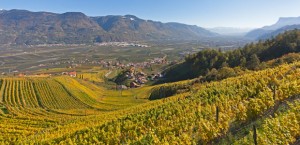
suedtirol-wein-anbaugebiet-bozen-und-umgebung-2My colleague and friend, Tim Gaiser, was in New York in late April to sing the praises of Alto Adige, accompanied by several of the region’s winemakers. And, singing its praises is quite apropos. At a previous seminar on the region, Cornerstone Communication’s CEO Marsha Palanci explained that, “This is the only part of Italy where you can hear yodeling in one window and arias in another.” Not surprisingly, in looking at regional photos, you would half expect Julie Andrews to suddenly appear and belt out songs from the Sound of Music.

Nestled between Italy to the south and Switzerland and Austria to the north, Alto Adige is the northernmost region of Italy. The region was under Austrian rule from the defeat of Napolean until 1919, hence the yodeling. And, to this day, both German and Italian are the official languages. With the Dolomites to the East and the Alps to the north, Alto Adige is sheltered from the cold forces of the North. These mountain ranges also form a rain shadow, which limits the area’s overall rainfall, the result of which is 300 sunny days per year.

The vast valley floors are littered with apple orchard after apple orchard, which accounts for the region’s claim as the largest European producer of apples. Meanwhile, the area’s steep slopes (with an average slope of 50 to 60 degrees, similar to that found in the Mosel or Wachau) are given over to white grapes while the lower, rolling hills are planted to reds. The high elevation of these vineyards provides good sunlight, which promotes ripening, and a significant diurnal shift (temperature variation from day to night can fluctuate as much as 40 degrees F), which retains high acid levels in the grapes.

Within the region, grape production spreads out from central Bolzano in a Y-shaped configuration, bearing a striking resemblance (in Tim’s eyes) to the flux capacitor from Back to the Future. The yin-yang of past and present spills over to the grapes themselves. At nearly 20% of all plantings, Schiava is the most grown variety in the region, with its first documented mention dating to the 1600s. However, this ancient grape has been associated with Italy since the 1300s. Big berried, with thin skins, Sciava is known for producing wines with low tannins, low alcohol and cherry aromas and flavors and an almond aftertaste. These are elegant wines for everyday drinking.

Other key varieties include Pinot Grigio, Pinot Bianco (aka Pinot Blanc), Gewürztraminer, Chardonnay and Sauvignon Blanc, Pinot Nero (aka Pinot Noir) and Lagrein, the diversity of which highlight the region’s Germanic and French influences. White plantings account for 58% and have been on the rise.

Regardless of the specific variety used, Alto Adige wines are known for their high quality. In fact, when considered separate from Trentino, Alto Adige is the smallest of Italy’s 20 regions; yet, despite its limited size, 98% of its production is at the Protected Designation of Origin level – the most of any Italian region. And that’s something to sing about.

TASTING NOTES

Kaltern Caldaro Pinot Grigio Söll 2011, Alto Adige DOC, Austria, $16.00
This is a classic Pinot Grigio with smoke, floral and citrus aromas and flavors. Twenty percent of the wine was aged in used barrels, which gives it some more depth on the palate. It is bone dry with high acidity and distinctly mineral in the long finish.

Cantina Terlano Sauvignon Blanc Quarz 2010, Alto Adige Terlano DOC, Austria, $53.00
We tasted two Sauvignon Blancs during Tim’s seminar with this being the softer style of the two. Stone and mineral characteristics co-mingled with citrus, peach and slightly herbal notes with medium+ acidity and medium to full body.

Tramin Gewürztraminer Nussbaumer 2011, Alto Adige DOC, Austria, $47.00
I really enjoyed this wine with its distinct floral and tropical fruit notes, so indicative of the Gewürztraminer grape. What I also liked was its lack of lavender/soap characteristics that some of these wines tend to have (for me). Exotic and spicy on the palate, this dry wine has beautiful acidity and long length.

Castelfeder Schiava Breitbacher 2011, Alto Adige DOC, Austria, $14.00
Pale ruby in color, this dry wine is very refreshing with high acidity and light body along with aromas and flavors of cherries, floral, earth and wet leaves. It is very easy to drink and would be a perfect accompaniment for a wide range of cuisine.

Tiefenbrunner Lagrein Riserva Linticlarus 2009, Alto Adige DOC, Austria, $26.00
Described by my friend Tony as being reminiscent of beets, this wine displays rich red and black cherry aromas joined by floral, mineral and granite notes. It has medium+ acidity and is nicely structured with full body and firm tannins and could age for up to ten years.

suedtirol-wein-anbaugebiet-mittleres-etschtal-1


All photos courtesy of Alto Adige Wines.

Eccoci Wine: Hard to Read, Easy to Enjoy

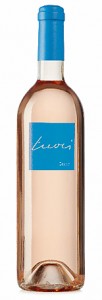
Eccoci_rosadoWhen I first received the Eccoci wine samples, I was a bit confused. I couldn’t quite read the script signature written across the label. Fortunately, while the logo is a bit challenging to  decipher, the wines themselves are straightforward and easy to enjoy.

Although the area near Barcelona is well known for its production of Cava and Priorat wines, the Eccoci winery is producing some unusual wines in the province of Girona. Drawing from its close proximity to France (the vineyards are only one hour south of the border), the wines are made with French grape varieties including Viognier, Marsanne, Petit Manseng, Merlot, Cabernet Franc, Marselan and Petit Verdot.

Eccoci practices sustainable farming methods and, while the term leaves a lot of room for interpretation, the winery’s commitment to preserving the environment is clear. In fact, it was the first Spanish winery to be Carbon Zero certified as of 2009, only one year after its first vintage.

Eccoci currently produces four wines: Blanco (white), Rosado (rosé), Tinto Premium and Tinto Super Premium (both red blends). I was immensely impressed with the white and rosé, which displayed lovely fruit and freshness. While I liked the two reds very much, they are still quite tannic and need more time before coming into their own.

Eccoci Blanco 2011, Spain, $15.00
A blend of 50% Roussanne, 30% Viognier and 20% Petit Manseng, this wine offers up floral, musk, tangerine and peach aromas. It is dry on the medium-bodied palate with ripe peach and tangerine fruit, coupled with blossom and crushed stone notes, reminiscent of a southern Rhône white.

Eccoci Rosado 2011, Spain, $18.00
This 100% Petit Verdot rosé displays musk, berry and blossom/floral aromas. The dry palate has high acidity with berry, slight citrus, mineral and herbal characteristics, culminating in long length.

Eccoci Tinto Premium 2008, Spain, $34.00
This wine brings together 34% Marselan, 33% Merlot and 33% Cabernet Franc. It was aged for three months in new Merrain French oak barrels followed by six months in bottle before release. Berries, herbs and dried floral aromas give way to rich and ripe black cherry fruit with spice and mint notes co-mingled.

Eccoci Tinto Super Premium 2009, Spain, $48.00
A blend of 60% Marselan, 20% Merlot, 10% Cabernet Franc and 10% Petit Verdot, this wine was aged for 12 months in new Merrain French oak barrels, with another 12 months spent in bottle before release. Meaty with red fruit, leather and spice, the wine has high acidity, full body, firm tannins and long length.

Moscato by twos

As one of the oldest grape varieties, Muscat (alternately known as Moscato) continues to be among the top grapes produced worldwide. Most recently, it has become increasingly popular in the U.S. market. While more known for its sweeter styles of wine, this variety can also be used to make dry wines. However, off-dry styles seem to dominate. And, with their lower alcohol levels, these are wines that will keep your head clear after a second glass.

As evidence of its popularity around the globe, such wines hail from Italy, California and even Brazil. And, they frequently come in pairs – with a white and pink version available — and may be still or sparkling.

Vinicola Aurora Carnaval Moscato White Espumante NV, Serra Gaúcha, Brazil, $13.00
A Charmat Method sparkling wine produced from Moscato Bianco and Moscato Giallo grapes, this wine offers up floral and peach aromas. On the palate, it is off-dry, nicely balanced by acidity, with white flowers and juicy, ripe peach flavors; simple, but balanced and refreshing.

Vinicola Aurora Carnaval Moscato Pink Espumante NV, Serra Gaúcha, Brazil, $13.00
From the same producer and grape variety, this wine is produced similarly to the Moscato White, but it is medium salmon in color with red flowers and red fruit. Strawberry and cherry flavors co-mingle on the off-dry palate, which is slightly sweeter than the Moscato White, yet finishes very cleanly.

Martin Weyrich Moscato Allegro 2011, California, $12.00
Produced from 100% Muscat Canelli, this is a still wine, but with a very slight effervescence perceptible in the glass and on the palate. Floral aromas greet the nose, joined by anise, sage and pear. The off-dry palate has medium+ acidity, with floral, pear, sage and slight anise/spice notes. Despite the noticeable sweetness, it finishes quite cleanly.

Martin Weyrich Pink Moscato Allegro 2011, California, $12.00
This wine is also a product of the Muscat Canelli grape, but “with just a kiss of red wine” giving it its pale pink hue. It has aromas of floral, berries and melon on the nose. Its slightly off-dry palate is less sweet than its white counterpart with slight spice, herbal and anise notes.


HandCraft wines over-deliver and warm the heart

HandCraft_PinotNoir_2010Face

An invitation to meet with Cheryl Indelicato and taste her new wines came with the opportunity to suggest a restaurant. I recommended Eolo, an Italian restaurant inspired by the owner’s summers spent at her grandparents’ home in Sicily, not knowing that Cheryl’s own grandparents had emigrated to the U.S. from this same island. Some may call it kismet. In the end, I just called it yummy.

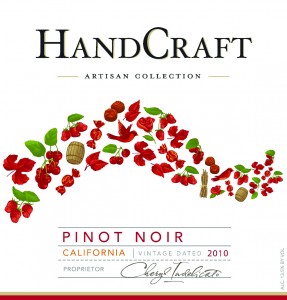
Cheryl’s new line of wines, which is part of the Delicato Family Vineyards brand, is called HandCraft. As proprietor of the brand, Cheryl has been collaborating with winemaker Alicia Ysais since 2010 to literally handcraft wines that bring together a California pedigree, her Italian heritage and a fruit-forward style. Thus, each wine marries typical grape varieties such as Chardonnay, Merlot and Cabernet Sauvignon with Italian varieties such as Malvasia and Sangiovese, all of which are sourced from California.

In keeping with wines’ approachable style and food-friendly focus, the labels feature beautiful illustrations of fruit and other flavors found in the respective wine bottle. Additionally, in keeping with Cheryl’s desire to give back to the community, she launched HandCraft Cares, which offers healthy lifestyle tips, recipes and supports various causes near and dear to Cheryl’s heart such as the $100,000 raised in 2012 for breast cancer research, prevention and awareness. This dedication spills over to her team, which has also participating in walk-a-thons and other charitable events.

I probably should have asked Cheryl a lot of detailed questions about her wines, but in reality, it was much more fun to simply sit back and get to know Cheryl, Holly, Pat and Karen, personally, instead of professionally, over some lovely glasses of wine and delicious food. In fact, these are precisely the type of wines with which to do so – these are honest, gulp-able wines that don’t require pomp and circumstance, just an empty glass and an open heart. Moreover, at $13.00 a bottle they under-promise and over-deliver.

HandCraft Chardonnay 2011, California, USA
The Chardonnay, blended with “a dash of Malvasia Bianca” is rich and buttery with peach and pear aromas and flavors. Its full body was opulent and giving.

HandCraft Pinot Noir 2010, California USA
Blended with Sangiovese, the Pinot Noir is very fruity, but varietally correct. It has cherry and herbal notes with bright acidity and low tannins.

HandCraft Cabernet Sauvignon 2010, California USA
Like the Pinot Noir, the Cabernet is also joined by Sangiovese, which seems to be more evident in this wine with a slight tomato leaf character on the palate. Lush blackberry fruit dominates, with medium tannins and full body.

HandCraft Petite Sirah 2011, California USA
Sourced from Lodi, the Petite Sirah grapes are blended with Zinfandel, which is an almost identical variety to southern Italy’s Primitivo grape. The wine is smoky with cocoa notes and rich, ripe black fruit.

Label image courtesy of Delicato Family Vineyards.