Happy Holidays!
8
Sprechen Sie Deutsch (Do you speak German)? Looking at the text on German wine labels, it is leichter gesagt als getan (easier said than done), or, more correctly, easier said than understood. And, for that matter, it isn’t even very easy to say.
If wine labels are generally intimidating to the uninitiated, German wine labels are among the most intimidating of all – unfamiliar names; lengthy, unpronounceable terms; and just an all around use of a lot of words could scare off even the most avid wine drinker.
But, in truth, German wine labels actually provide the consumer with a wealth of information about the wine in question. You don’t need a secret decoder ring, but learning some basic German wine vocabulary will assist you in understanding what you are looking at on the wine store shelf.
To begin, there are two levels of German quality wine – Qualitätswein bestimmter Anbaugebiete(QbA) and Qualitätswein mit Prädikat (QmP). The first category designates wines that come from one of Germany’s 13 wine regions and account for the majority of German wine production. The latter (QmP) are more complicated because, in addition to coming from a particular wine region, they also indicate wines produced from grapes that have achieved certain levels of ripeness at harvest. These are considered to be higher in quality than QbA because Germany’s cool climate makes it more challenging to reach full ripeness, thereby placing a premium on riper grapes.

Once one has worked out the two quality levels, they may encounter some confusion with regard to the grape varieties themselves. Spätburgunder? Grauburgunder? Weissburgunder? Sure, they sound exotic, but actually, these are just the German names for Pinot Noir, Pinot Gris and Chardonnay, respectively. Other grapes likely to be seen include Müller-Thurgau (white), Silvaner (white) — particularly prized when it hails from Franken, Portugieser (red) and the more respected Dornfelder (red). Also of note is Lemberger (elsewhere known as Blaufränkisch) which offers red fruit, spice and nice tannin structure. Above all else, there’s Riesling; this vaunted white grape accounts for over one-quarter of all German plantings.
Dry or sweet? Although many people associate Germany with sweet wines, the majority of German wines produced today are dry. Admittedly, a lot of the drier style wines never make it to our shores (the Germans keep much of it at home for themselves), but consumers can find dry style German wines on U.S. shelves. Some of these wines are distinctly labeled as being dry – if you know how to decipher the label. The specific words to look for are trocken (dry) and halbtrocken (off-dry).
 In addition, the label terms “Classic” and “Selection” may also be used to indicate a dry (or high-acid, off-dry) wine. Similarly, wines bearing the double Romanesque arch of the Charta Association, created in 1983, are dry to off-dry QbA- or prädikat-level Rieslings from the Rheingau region that meet the organization’s strict quality regulations.
In general, wines that have no indication of their sweetness level can usually be expected to be somewhat sweet. Another hint is to check the alcohol level since lower alcohol levels (9% abv and lower) generally mean that at least some of the grape’s sugar content hasn’t been converted into alcohol and, thus, remains in the wine as detectable sweetness.
As with many other wine producing countries, Germany’s wine regions can be further broken down into smaller areas – bereiche, grosslagen and einzellagen. A bereich is a regional or district designation, while a grosslage is a group of vineyards and an einzellage is, theoretically, a single vineyard. Unfortunately, it is these last two territories that cause the most confusion since it is often difficult to ascertain whether the label refers to a grosslage or einzellage.
However, this uncertainty can be overcome by either memorizing a list of the top sites, limiting purchases to wines from well-known/well-respected producers or simply giving up and taking a chance on the bottle in hand, despite its murky label (well, not really).
Thankfully, an additional classification system was launched in 2002 by the Association of German Prädikat Wine Estates (Verband Deutscher Prädikatsweingüter, can boost one’s confidence in choosing a wine.  Established in 1910 and abbreviated as VDP, this association represents Germany’s leading wine estates, with a dual focus on quality wine production and classified vineyard sites. All of these wines sport the association’s eagle logo, making them easily identifiable to the consumer.
In 2012, this classification system was further refined, closely modeled on Burgundy’s regional and vineyard hierarchy. Accordingly, the top category, VDP. Grosse Lage (translating as Great Site) is awarded to the best vineyard sites, equivalent to Burgundy’s Grand Cru vineyards. Dry wines in this upper echelon are further designated as VDP. Grosses Gewächs “Great Growth” and labeled “Qualitätswein trocken” while naturally sweet wines are labeled with the appropriate traditional Prädikat term.
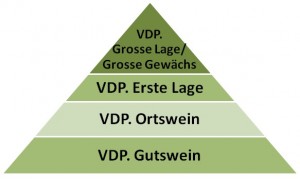 Analogous to Burgundy’s Premier Cru vineyards is the VDP. Erste Lage (First Site), while VDP. Ortswein (Classified Site) is akin to Burgundy’s Village-level wines. The lowest tier of this system is the VDP. Gutswein (Estate Wine), which is similar to the regional designation in Burgundy (i.e. AOC Bourgogne). Dry wines in these categories are also labeled “Qualitätswein trocken” while the sweet wines retain the Prädikat designation on their labels.
Bearing all of these clues in mind, the careful consumer can more readily choose among the selection of German wines on the shelf of their neighborhood wine retailer and find the bottle that best meets their preferences.
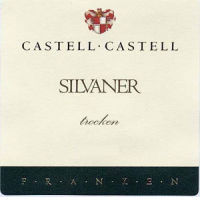
Castell-Castell Silvaner 2012, Franken, Germany, $18.00
With aromas of pear, wax and white flowers, this dry wine offers medium acidity and medium body on the palate with flavors of almond, wax and pear and medium+ length.
Grafen Neipperg Lemberger
Trocken 2011, Württemberg, Germany, $20.00 (not pictured)
Medium aromas of cinnamon, berry and wood are joined on the (clearly stated –trocken) dry palate with flavors of cranberry, mulberry and a hint of earth in the finish.
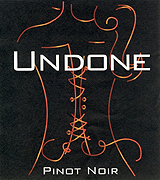 Undone Pinot Noir
2012, Rheinhessen, Germany, $11.00
A Pinot Noir from Germany isn’t so surprising these days (Germany is #3 in PN production), but this wine’s origin from Rheinhessen (as opposed to Ahr or Baden) makes it somewhat unusual as does its great quality at this price. With cherry, herbal and wet leaves on the nose, this dry wine has lively acidity on the palate. Medium+ length.
Schloss Saarstein Riesling Kabinett 2012, Serrig Schloss Saarsteiner, Mosel, Germany, $25.00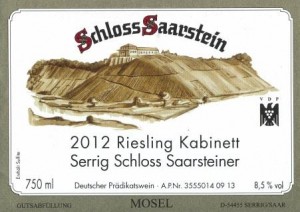
Located within the municipality of Serrig, the Schloss Saarsteiner property, so named for the large castle (schloss) that sits amidst the vines, above the Saar River (a tributary of the Mosel) is an Erste Lage site. The wine offers peach, floral and wet stone aromas on the nose. Its palate is off-dry with high acidity and flavors of lime zest, peach and wet stone, culminating in long length.
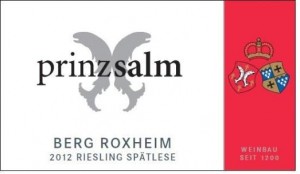 Prinz Salm Roxheimer
Berg Spätlese 2012, Nahe, Germany, $28.00
With an alcohol level of 7.5% abv and a designation of spätlese, there was no question that this wine (from a Grosse Lage site) would have some sweetness. However, its sweetness is beautifully balanced by its high acidity, so it is perceived as off-dry on the palate, with lemon zest, lime, peach, honey and minerality aromas and flavors.
Johannishof Charta Riesling 2012, Rheingau, Germany, $25.00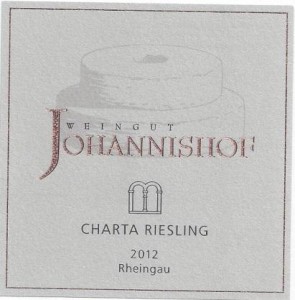
A pronounced nose provides aromas of floral, straw, wet stone and Asian pear. The dry palate displays high acidity with notes of granny smith apple, lime, stone, pith, blossom and minerality. Long Length.
Kesselstatt Josephshöfer Riesling Kabinett 2012, Mosel, Germany, $30.00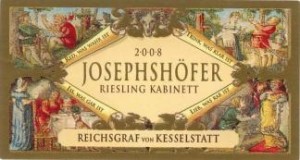
First documented 1,100 years ago, the Josephshöfer Grosse Lage site has been wholly owned by Kesselstatt since 1858. Citrus, floral, apricot and slight honey aromas greet the nose and persist on the dry, but ripe, palate. Long length.
Those who know me well, know that I love everything that sparkles – wine, water, personalities and diamonds. With Christmas and New Year’s Eve lurking around the corner, it is the perfect time to break out the bubby, whether it’s a special bottle of vintage Champagne*, a fresh and fruity Prosecco or a fabulously food-friendly Lambrusco. As long as it glitters, all is right in the world J
Of course, sparkling wines should be welcome guests at the table any time of year, but with holiday festivities and parties proliferating your social schedule, there is even more reason to celebrate with CO2 infused libations.
For the uninitiated, the world of sparkling wine can be quite complicated with terms appearing on these labels not seen on other wines such as blanc de blancs. Plus, if you’ve tried to use the literal translation of those sweetness levels, you’ve likely been a bit disappointed or at least quite confused.
Looking for an easy way to teach yourself or others to remember the basics of sparkling wine?
As an educator, I prefer to appeal to people’s visual learning style because it can be much more powerful than simple text. There’s a reason the adage “A picture is worth a thousand words” has become so popular. Equally important, images can highlight familiar concepts or reinforce associated meaning when introducing new concepts. To that end, I’ve created two infographics, which you may find helpful to you as you shop for wine or engage your students this holiday season (click on the thumbnails for larger version images).
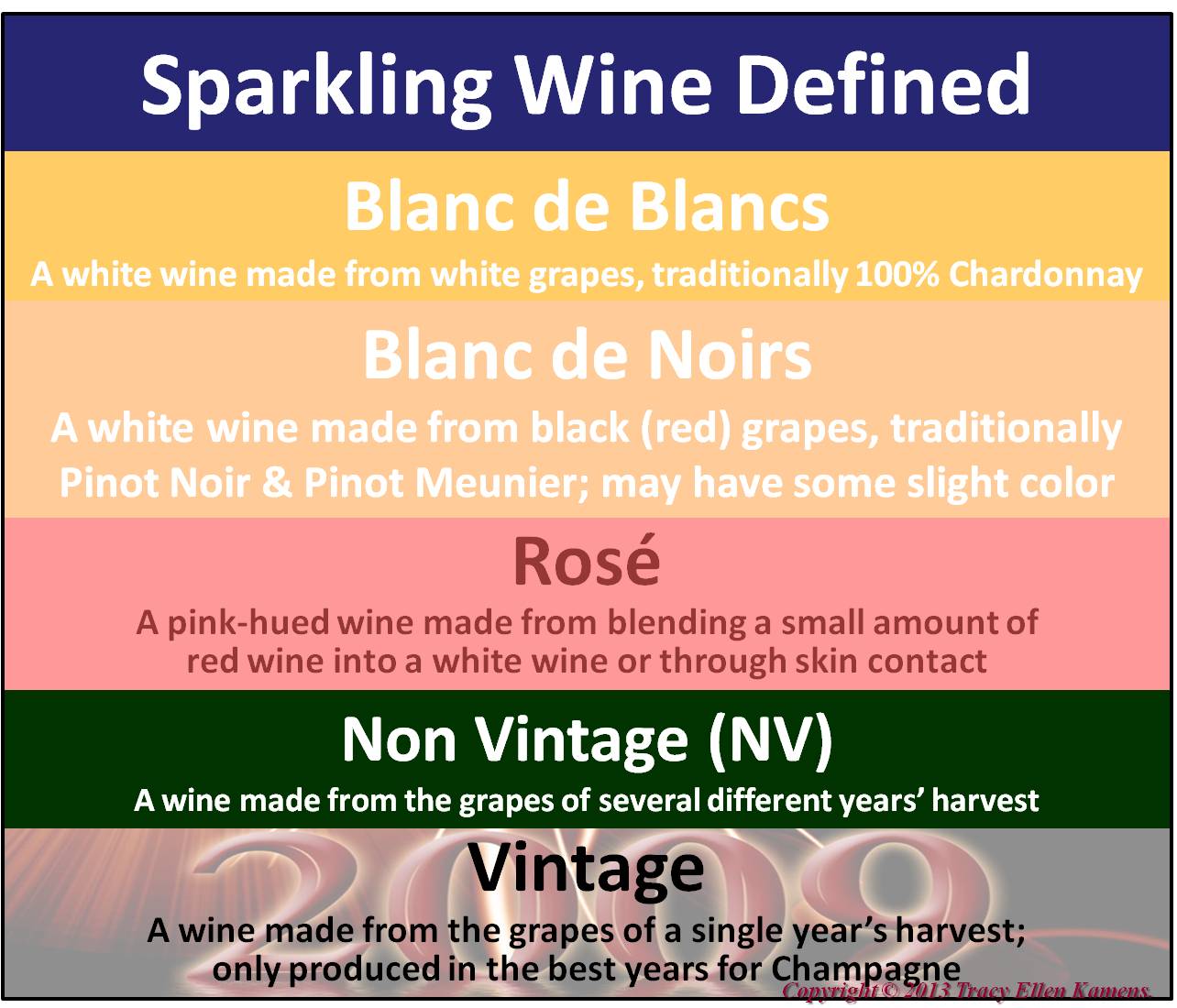
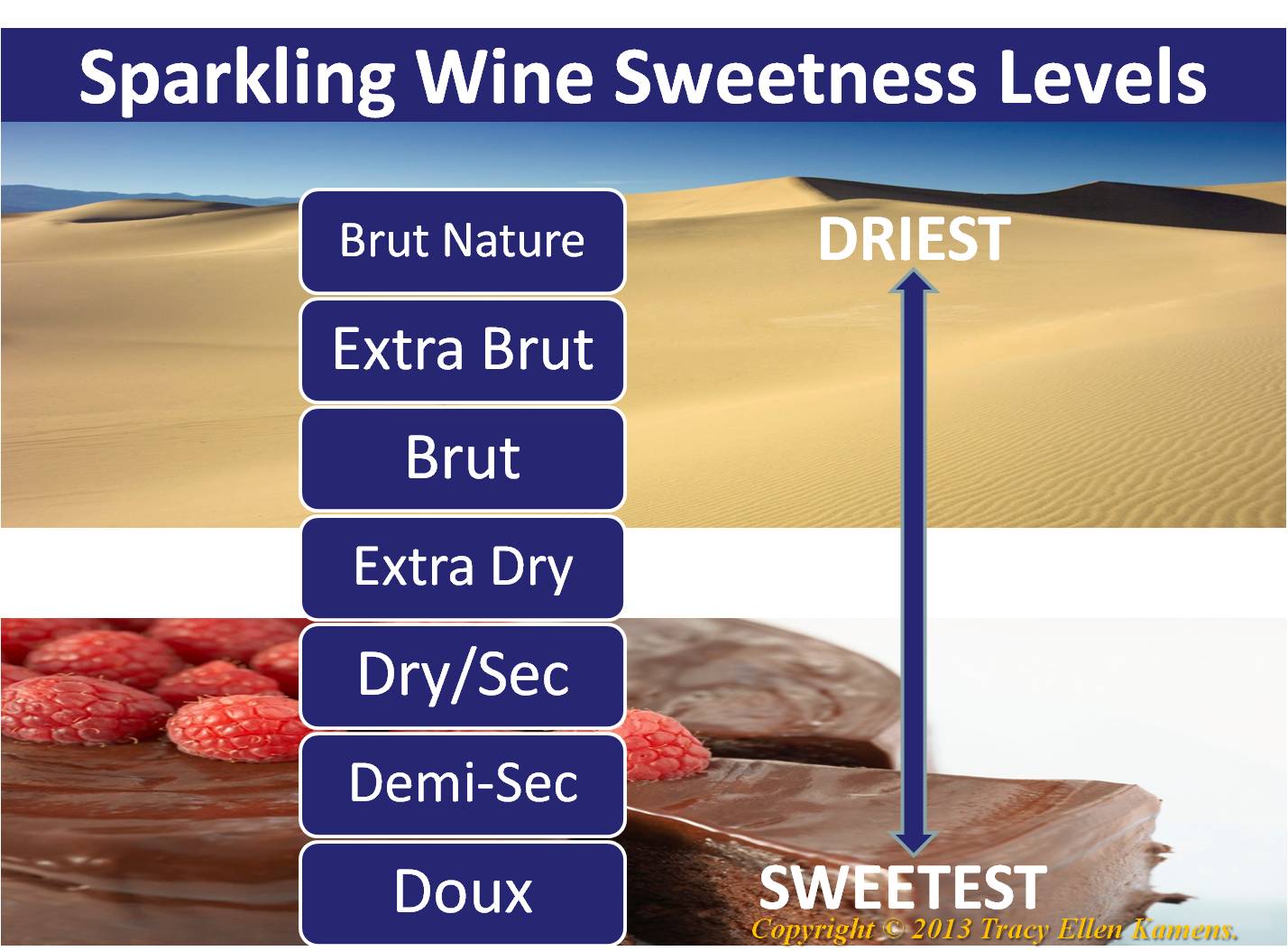
I’ve also found another nifty visual aid over at Wine Folly.
For more tips on sparkling wine, check out the holiday issue of my newly launched magazine – Drink Wisely & Well (and also see the inaugural issue, which featured Bordeaux). I’m really proud of this new publication and have gotten a lot of praise on the design (and not just from my parents).
As for why Extra Dry is a misnomer, I really can’t say; even Jancis Robinson’s Oxford Companion to Wine (3rd edition) didn’t have an answer. But, whether your preference is for dry, sweet or somewhere in between, I raise a flute to you and wish you all the best as we count down 2013 and usher in 2014!
*It’s admittedly a pet peeve of mine, but in case you didn’t know, the term Champagne is NOT generic; it should be reserved specifically for those sparkling wines produced in the Champagne region of France.
 I’ve just returned from the American Wine Society‘s annual conference where I presented a session on Sicilian wines. As you may know, I had the wonderful opportunity to visit this amazing Italian region back in May. So, it was with great pleasure that I shared my experiences with seminar participants.
While I presented them with a lot of information about the region’s history, culture and commercial development, my main goal was to reinforce two main points:
-The Sicilian wine industry has made dramatic improvement in the quality of its wines;
and, perhaps more importantly,
-Sicilian wines are enjoyable to drink.
Beyond that, everything else they took away with them was gravy (mmm… gravy, thank goodness Thanksgiving is around the corner 😉 ).
In fact, since this was a group of wine enthusiasts, I wanted my session to seem more like a travelogue than a traditional lecture. Accordingly, I made sure to include many personal stories from my trip to capture the audience’s attention and imagination.
These same stories have been immortalized in an article I wrote earlier this year. If you haven’t already seen it, you can take a look here.
Of course, as an educator, I was also mindful to weave in facts about the region and its wines, having done considerable research on the new Sicilia DOC and Sicily’s indigenous grape varieties.
Aside from storytelling, I also implemented a new tool, Prezi, to introduce movement and perspective into my presentation. If you are not familiar with Prezi, it’s as if PowerPoint and Flash had a love child (okay – so I don’t know why these two software programs would have an affair, but just pretend they did).
This was my first foray into using this tool, so there is room for improvement, but I think it was a good first effort. What do you think? You can check out my actual presentation online.
What are your favorite ways for presenting about wine (or other topics)? Do you have any signature moves or methods to your madness? Tell me what works in the comments below!
 In yet another stellar example of how well Alsatian wines pair with food, we ordered nearly one of everything on the French-Asian menu at Rouge & Blanc and let the forks fly.
Admittedly, some pairings were preferred over others, but nothing clashed and almost all worked reasonably well. We also appreciated how the luscious fruit and slightly off-dry palate of the Pinot Gris and Gewurztraminer provided a nice counterpoint to the spiciness of some of the dishes.
The following menu items, pulled from the restaurant’s website, should provide some indication as to the varied nature of our meal and, consequently, the flexibility of the wines.
The occasion for our little game was a visit from Anne-Laure Helfrich, the third generation of her family at work in the family business. Established in 1934, Helfrich winery produces a full range of Alsatian whites from the sparkling Cremant d’Alsace to Grand Cru designated wines and several in between.
While I haven’t yet been to Alsace, it remains one of my favorite French wine regions. Its distinct varietal wines are easy to understand and generally easy on the wallet, even at classified levels – nothing we tasted topped $19.99.
Starting with the Cremant d’Alsace ($19.99), produced from 100% Pinot Blanc, it served as a terrific aperitif as we got to know Anne-Laure and our fellow diners, with just the right balance of citrus fruit and yeasty/ toasty notes stemming from its Traditional Method production.
We next opened up the still Pinot Blanc 2012 ($14.99), which, as Anne-Laure explained, can be found in everyone’s fridge in Alsace, due to its overall food-friendly nature and easy drinkability. The Helfrich Pinot Blanc did not disappoint in this regard, displaying smoke, pear and almond notes on both the nose and palate.
The Riesling 2012 ($14.99) was full of orange blossom and tangerine aromas, with refreshing acidity, citrus and pith on the dry palate. The Pinot Gris 2012 ($14.99) was similarly citrus in character, but was slightly off-dry, with almond and spice. The Gewurztraminer 2012 ($14.99) was classic with floral and tropical fruit and only a hint of residual sugar.
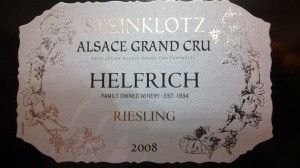 The Grand Cru wines hail from the famed Steinklotz Vineyard, which boasts of being the oldest documented vineyard in Alsace as recorded in 589. Located at the northern end of the region, near Strasbourg, the vineyard is quite steep with chalky soils.
These wines, all priced at $19.99, showed more complexity and depth than their non-Grand Cru counterparts. The Riesling Grand Cru 2011 was steely, with intense minerality, lime/citrus notes and long length, while the Pinot Gris Grand Cru 2011 was lush with rich tropical fruit, smoke and floral notes. The richness and concentration of this latter wine offered a perfect example of how a white wine could not only stand up, but pair well with smoky, sweet ribs and salty, spicy pork belly.
All in all, it was a wonderful meal, punctuated with well-made wines and great company.
 More proof that everything sounds better in French? Sour wine, anyone? I didn’t think so. But, vinegar – from the French words vin (wine) and aigre (sour) – is a much more palatable sounding product. In fact, some vinegars are quite coveted in the culinary world, commanding high prices at specialty shops (more on that later).
Like wine, vinegar has become very popular as of late, touted with a myriad of benefits and uses. Recent research findings show a positive correlation between vinegar consumption and an increase in calcium absorption and a reduction in fat build-up as well as having antiglycemic properties in diabetics. Outside the kitchen, vinegar is removing wine stains from clothing, cleaning windows without streaks and eliminating water marks on wood.
With an entwined etymology, vinegar and wine are similar yet so different. Both entail fermentations and find their way to the table. But, while one is great for drinking, the other is most often best left for salads and marinades. Moreover, whereas winemakers are careful to limit exposure to air (and oxygen, specifically), vinegar producers are more welcoming. In fact, they need to promote the acetobaceter group of bacteria to engage in a secondary fermentation to first convert the must to an aldehyde and then eventually to acetic acid.
Produced from a diverse set of ingredients, vinegars range from the basic white, distilled variety to apple cider and rice wine (commonly produced in Asia) among many others. And, true to its name, some vinegar is actually made from wine, or at least, from grapes. As long as you have natural sugars that can be converted to alcohol, you have the potential makings of vinegar.
But there’s vinegar and then there’s Vinegar. High end vinegar is much more complex and concentrated and can (almost) be drunk straight (I said almost).
In this regard, Balsamic Vinegar is another story entirely and can be a confusing one at that. Head to your big box market and you’ll find large volume bottles of Balsamic with small price tags (Costco’s Kirkland Signature Balsamic Vinegar is $12.56 for 33.8 oz). Meanwhile, Sur la table has 3.5 oz of the “good stuff” priced at $179.95 and the same quantity of the “really good stuff” at Linens-n-Things will set you back $735.40. As I said, confusing.
With a history dating back to the Romans, Balsamic Vinegar of Modena is held in high regard and is the standard bearer for quality balsamic vinegar. Obtained through the reduction of cooked or concentrated grape must – in particular, Trebbiano grapes grown within the town of Modena (situated in Italy’s Emilia-Romagna region) – the must is placed into small barrels where it slowly ferments. Through the fermentation process, this traditional product is converted into acetic acid and also becomes more concentrated as it evaporates. Each year, the contents of the barrel are transferred into a smaller barrel of differing wood type, such as chestnut, juniper, cherry or oak, further adding to the complex character of the finished product.
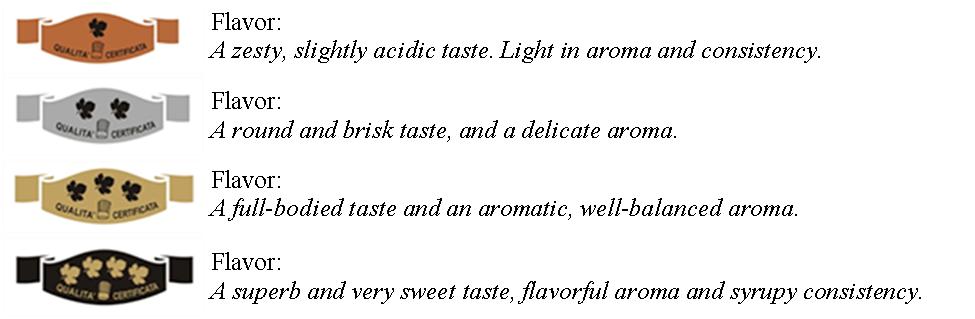
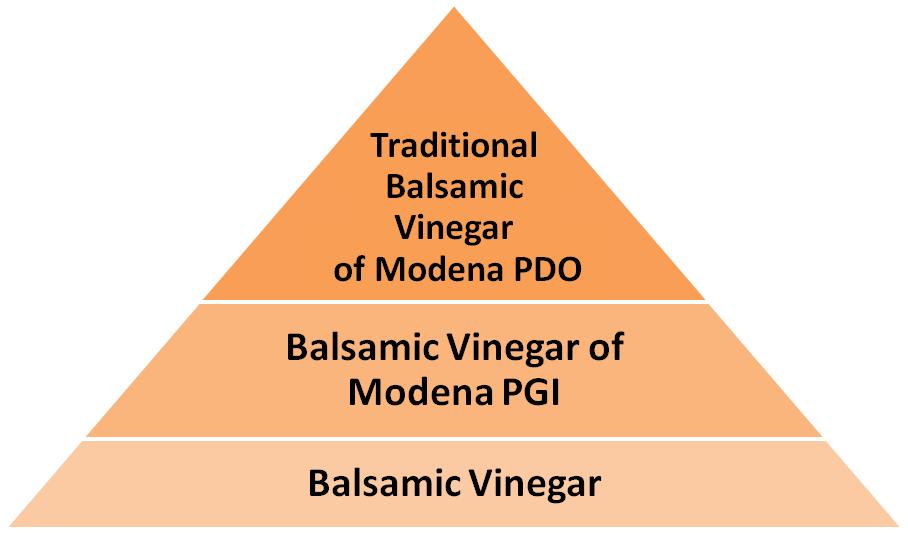
As a Protected Designation of Origin (PDO) product, the aging process requires a minimum of 12 years and all aspects of production must adhere to the rules and regulations set out by the consortium, similar to that of a PDO wine (i.e. Chianti Classico or Barolo). This product is legally called Traditional Balsamic Vinegar of Modena and has two Certified Qualities – 12 Years (which are designated with a burgundy-colored seal) and 25 Years (which bear a gold seal). Another PDO-level vinegar is the Traditional Balsamic Vinegar of Reggio Emilia, which is identically made, differing only in the specified production area (the province of Reggio Emilia, adjacent to Modena) and bottle type in which it must be packaged.
Given the time and expense to produce this coveted product, other less artisanal products have found their way to the marketplace, but without any rules or regulations governing what could or couldn’t be included on the label, it was caveat emptor.
Thankfully, in 2009, a Protected Geographic Indication (PGI) was granted for Balsamic Vinegar of Modena, with production codified and limiting the use of “Modena” to these and the PDO products. While not as labor intensive to make, the PGI product is carefully controlled, with the production area specified within the provinces of Modena and Reggio Emilia. Its much shorter aging period ranges from a minimum of 60 days to three years. Aging claims are limited to the words “aged” for that handful of products aged more than 3 years.
Instead, the Balsamic Vinegar of Modena PGI products adhere to the LEAF quality system, which was initially implemented by Acetum. This professional grading system of the Balsamic Vinegar of Modena PGI is the only independently (3rd party) certified system and provides greater clarity for the consumer. With four quality designations – 1 Leaf, 2 Leaves, 3 Leaves and 4 Leaves – the LEAF system is based on based on sensory and laboratory analysis taking several characteristics/dimensions into account. After analysis is completed, the products are labeled accordingly.
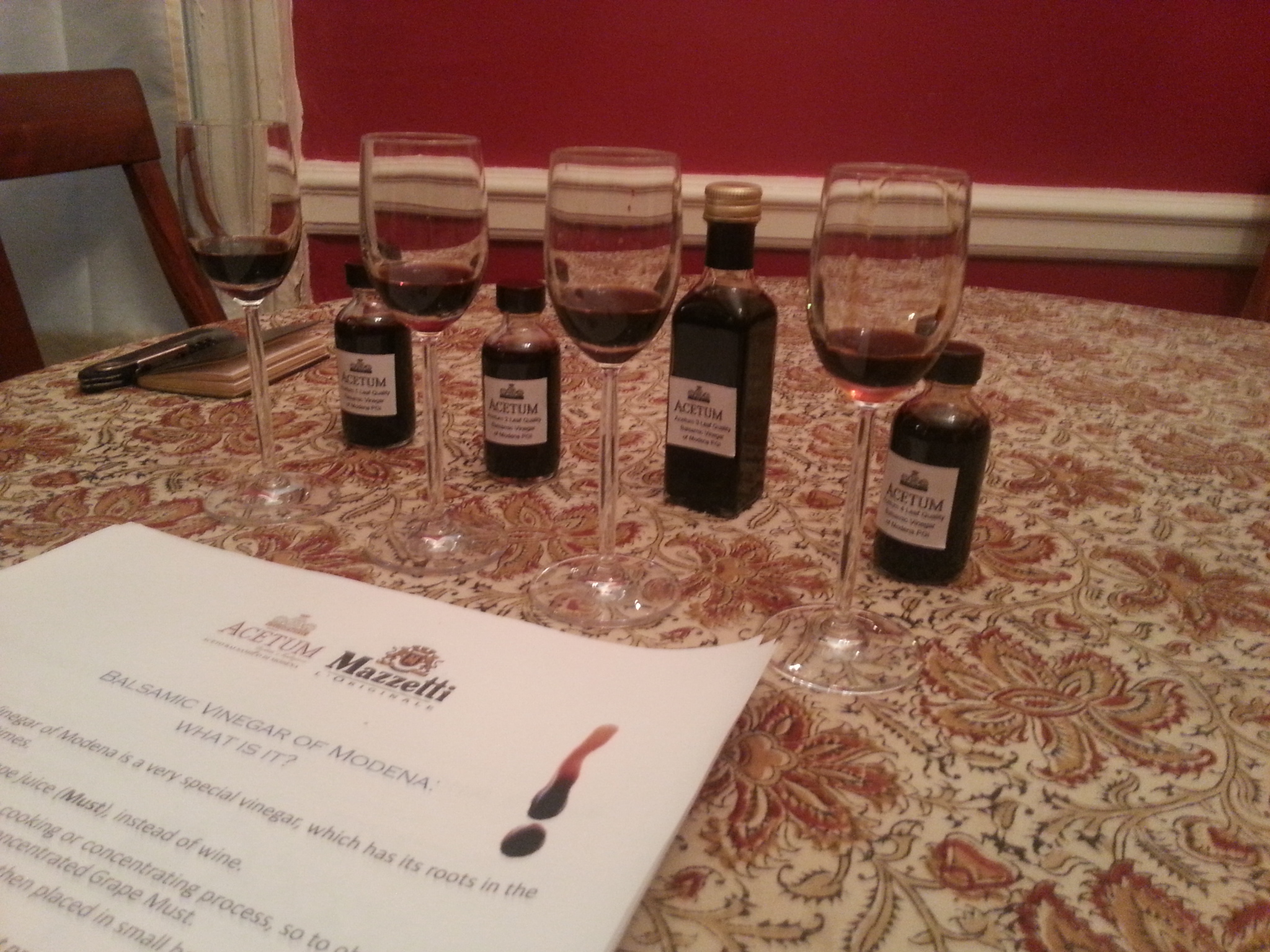
In the interest of science, journalism and fun, the author conducted a formal tasting of the four LEAF categories of Balsamic Vinegar of Modena PGI from Acetum. I think my tasting notes correspond well to the flavor profiles stated in the LEAF system, which means that it should serve you well in selecting your vinegar.
TASTING NOTES
ONE LEAF: Intense nose with woody note, acidic/sharp on the nose. Dry, high acid, sharp, savory quality. Long length.
TWO LEAVES: Intense nose with spice, wood, fig and exotic notes. Off-dry with sweeter, woody note, fig, roasted/candied fig, slightly smoother. Long length.
THREE LEAVES: Intense nose, but less sharp than the previous two. Cheesy/leesy, cocoa, roasted nuts, more viscous appearance. Not very sharp/smoother palate, with intense sweetness and fuller body. Roasted nuts, dried fig, honey. Very long length.
FOUR LEAVES: Most viscous of the four. Syrupy appearance. Intense, rich nose – smoked meat, roasted nuts, caramel, mushroom. Medium sweet, syrupy texture, very smooth. Dried fig, candied nuts, toffee, treacle, woody and spice. Very long length.
And, in terms of pricing, a quick search on Amazon.com revealed that 500ml of Two Leaves quality Balsamic Vinegar of Modena PGI cost $10.00 while 250ml of Four Leaves quality Balsamic Vinegar of Modena PGI was priced at $20.00.
For more general information on vinegar, check out the Vinegar Institute and for more details on the Acetum line of vinegars, see Modena Fine Foods’ website.
And there you have it, the quality pyramid of Balsamic Vinegar. Enjoy!
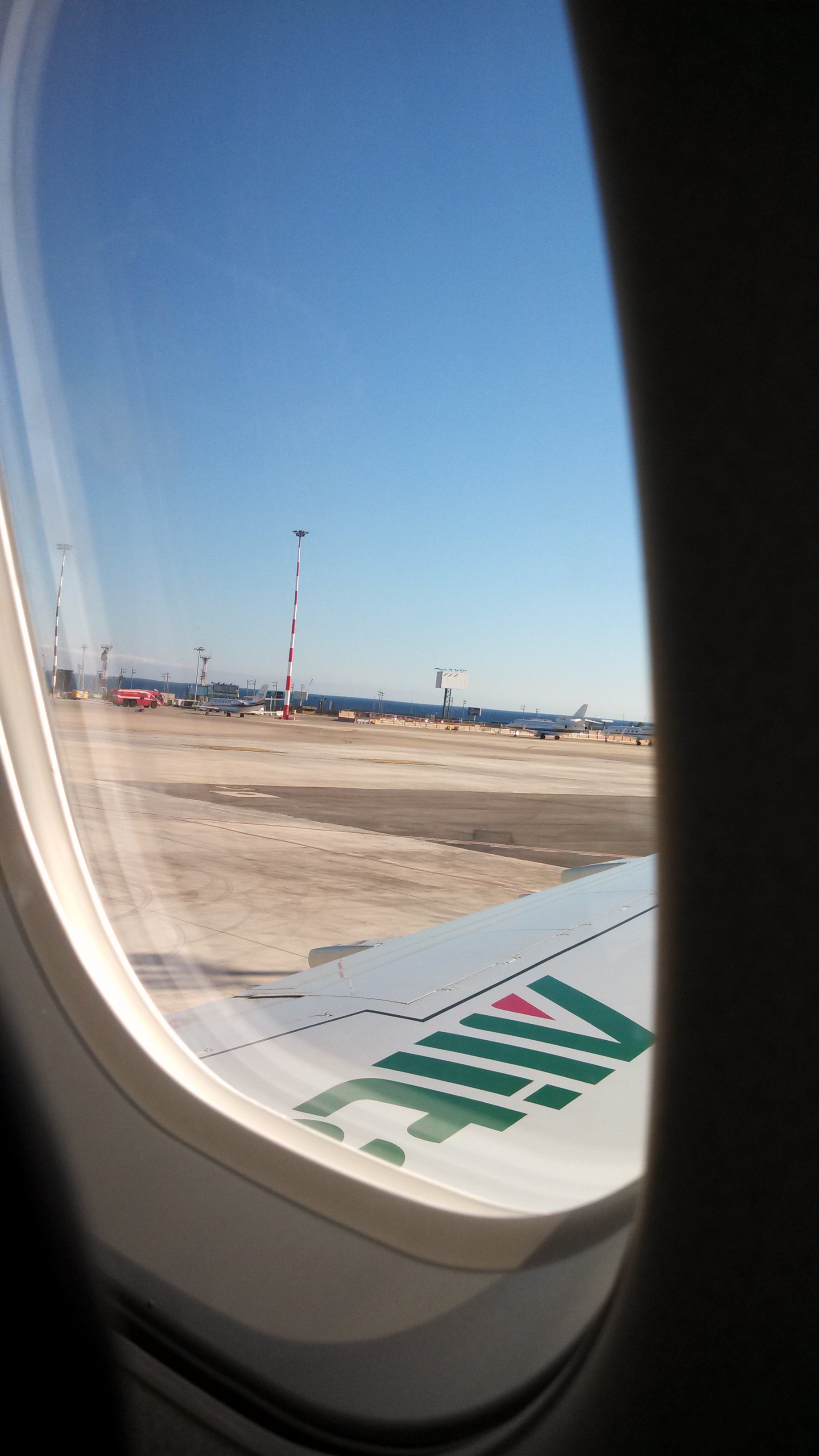 In May 2013, I had the precious opportunity to spend a week visiting the beautiful island of Sicily, exploring its land, meeting its people and tasting its wonderful wines. This is my story.
I stood in line at the Palermo airport, crying. Not loud wails, just silent tears rolling down my face. But, as it was my seventh visit to Italy, the intense emotion was as surprising to me as it was to anyone else who might have noticed. I felt a deep loss as I prepared to leave Sicily. In less than a week this region had somehow wrapped itself around my heart and refused to let go. I wanted to attribute this visit’s difference to my slightly improved Italian language skills, but I knew that this didn’t do it justice. There was something else – something that permitted conversations to by-pass small talk and dive right in to what really mattered; getting to know one another and feeling safe to share. I had become attached to the spirit of the island, with its fusion of Arabic, Spanish, Norse and Italian heritage, and to the spirit of the people who inhabit it. I took a deep breath, blinked back the tears and boarded my plane knowing that I had been given a wonderful gift…
[Read the full story as a PDF: Discovering Sicily]
Sicily – a part of Italy and yet it stands apart both literally and figuratively. As an island situated off the coast of Italy’s toe (Calabria), the region is physically separate, requiring a flight or ferry to get to or from there. But, beyond geography, Sicily remains steadfast to its traditions and culture. My new friend, Federico Mammoli, of Firriato winery’s export department and originally from Rome, told me that when he first arrived on the island, he only understood about thirty percent of what people said to him, despite the fact that, of course, they all speak the same language.
As far as wine is concerned, agriculture is a big component of the economy and grapes have been cultivated here for centuries. Nearly everywhere one looks, there are vines and Sicily is responsible for an immense amount of Italian wines. Like the rest of southern Italy, the key word here was quantity, with quality a mere afterthought for many producers.
But that, to a large extent, is ancient history. Sure, Sicily still produces cheap and cheerful wines, most regions these days do, but while my formal exploration of Sicilian wine was admittedly confined to a handful of wineries, I was extremely impressed with what I found. There was complexity, depth and structure that I didn’t expect, revealing the significant quality and continued potential of Sicilian wines. And, throughout each winery visit, I was enamored not only by the wines, but also by the people and their passion and warmth. I felt so welcomed in a way that felt much differently than any other press trip that I didn’t want to leave… Hence, the tears at the airport.
One Fish, Two Fish, Red Fish…
Island Capers
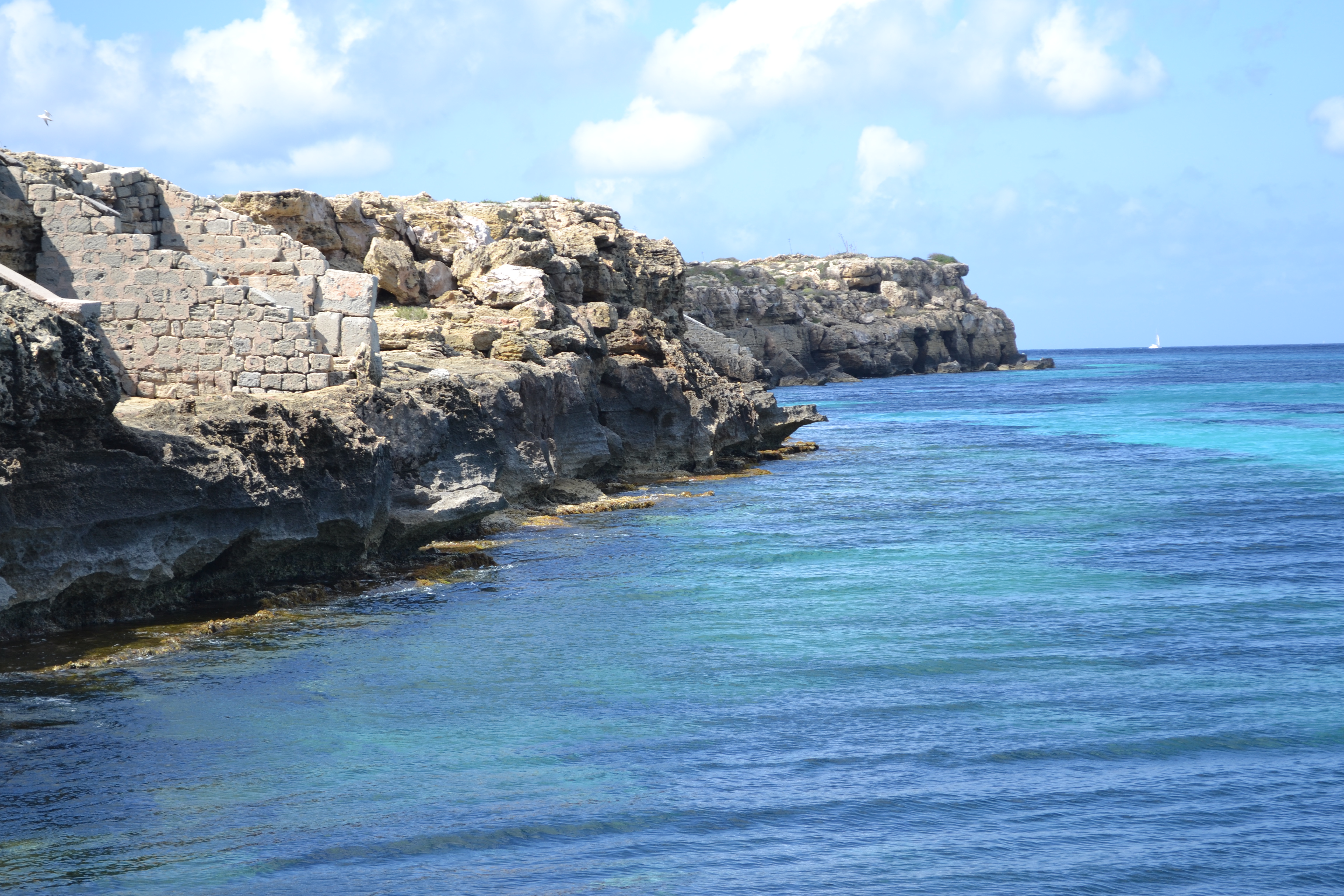 Earlier in the week, it was a beach scene like any other as the smell of fresh fish and salt water permeated. The sky had clouded over, the not-quite-summer air had turned cool and towel-wrapped children waited with their parents for the ferry back to the mainland. Only, this wasn’t Sag Harbor or Block Island; instead, we were on Favignana in the Egadi Islands, 45 minutes from Trapani, Sicily – an island off the coast of an island.
The island’s history dates to prehistoric times, but the only visible historic remnants date to medieval times when Swabians constructed the Castle of Santa Caterina at the top of the island’s only hill, from a pre-existing tower originally built by the Saracens.
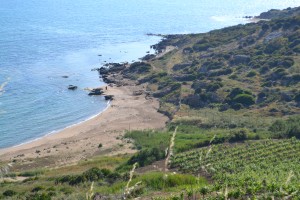
Alternately called La Farfalla (the butterfly) due its shape, Favignana is named for the Favonio, a local westerly wind, which made its presence known, as I was shown around Firriato’s latest project. The Trapani-based winery was first established in the 1980s by Salvatore Di Gaetano, who is now joined by his wife, Vinzia, in running the family business, but while Firriato’s 320 hectares of vineyards are spread out over six Sicilian estates, it was the five hectares planted six years ago on Favignana that they were most excited about sharing with me. This selection of vines is the first and only vineyard to be planted on the island in 50 years.
Although Favignana is known for its twin industries of tuna and tufa, today’s islanders rely on tourism to make their livelihood. Yet, while the island is hospitable to tourists, it is less so to vines. The tufa-sand soils provide their own challenges, while the namesake wind necessitates that vines are bush trained using the alberello (little tree) method. At only several inches off the ground, the obvious need for hand-harvesting prompted me to commiserate with the vineyard crew, sensing the back-breaking work required (I certainly wasn’t inspired to volunteer).
Similarly, bamboo fencing tempers the wind and reduces the effect of salt water, which would otherwise burn the vines’ tender leaves. Their agronomist, Giovanni Manzo, advised that Zibibbo – a local clone of Moscato d’Alessandria (Muscat d’Alexandria) – is among the more resistant plants, which explains why these were planted closest to the sea.
But, despite these obstacles, the island’s climate also has a favorable impact. A high diurnal shift helps grapes develop good acidity and perfume. Meanwhile, the wind minimizes humidity, and subsequently, mildew, so much so that the operation is almost entirely organic.
Focused on indigenous varieties, the vineyard is planted to Cataratto, Grillo, Zibibbo, Perricone, and Nero d’Avola, with grapes shipped back to Trapani for production since its size doesn’t warrant the construction of a winery on Favignana. But, while these wines are currently labeled as IGP Sicilia, Firriato hopes to create a new Favignana-based DOC for them and will submit an application after the third vintage (2013) in keeping with legal restrictions.
After my vineyard orientation, Federico and Giovanni took me to lunch. But, before I had my fill of locally-caught, tonno rosso (blue fin tuna), swordfish and other wonderful seafood, all of which was simply prepared and delicious, we tasted through the Firriato wines, including two produced from the vines I had just seen.
In typical Sicilian style, we capped off the meal with a cannoli dessert and then indulged in some coffee to keep us awake. Post-lunch, the taxi driver did double duty as both driver and tour guide, having lived on the island his entire life. He showed us around, noting various points of interest and historical buildings. We stopped at an abandoned quarry that now functions as makeshift seaside cabanas and plays host to beach bathers. I was struck at the brilliance and clarity of the blue water below. Then, we climbed back in the car and headed to the port, the bright sun fading just as we arrived and joined the families as we all waited in earnest for the next boat.