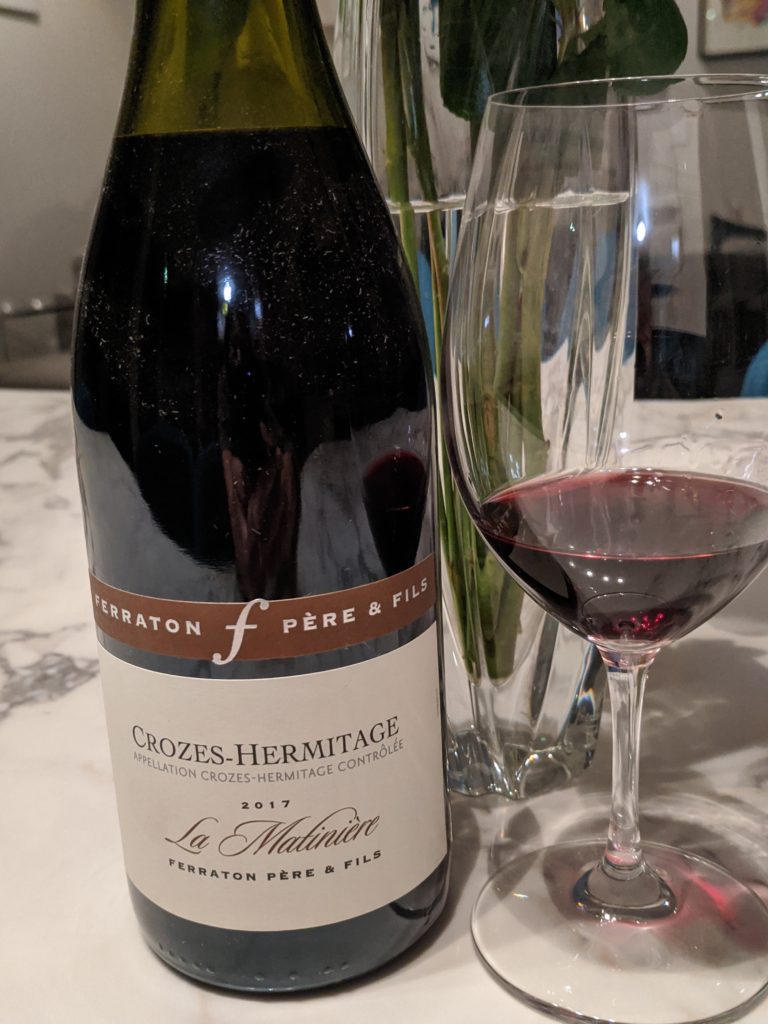
I have been blessed to have a wide range of wonderful wines in my glass lately, reflecting the diverse array of wines in the world. One wine in particular that stood out is Ferraton Pere & Fils La Matiniere Crozes-Hermitage.
A midway point between Côtes du Rhone and Côte Rôtie in terms of budget, Crozes-Hermitages is a fabulous option when looking to the Rhone Valley. As the Northern Rhône’s largest appellation, it produces 6 to 7 million bottles annually, under similar climatic conditions to nearby Hermitage, featuring the Syrah grape.
Ferraton Père & Fils was founded by Jean Orens Ferraton in 1946. Today, his son Michel serves as winemaker, having inherited the winery from his father. During the 1960s, Michel bought up prime parcels of land, enlarging the estate’s holdings. The company committed to farming biodynamically in 1998 and continues to pursue this approach currently. Not surprising, Ferraton initially established its reputation as a quality producer of estate-bottled wines, but it also serves as a well-regarded négociant, buying up top grapes from local vineyards.
The La Matinière (which translates as early bird) Crozes-Hermitage is named for Michel’s wife, Colette, who is an early riser, and is produced solely from Syrah. The wine is aged for 12 months in oak barrels before being bottled.
TASTING NOTE Ferraton Père & Fils La Matinière Crozes-Hermitage 2017, Rhone Valley, France, $26.00 Aromas of black cherry, blackberry, sage, dried herbs and a hint of earth greet the nose. The dry palate displays high acidity, medium+ body, and flavors of earth, black cherry, dried herbs, slight woody note and iodine, with long length. This wine offers great value and a spectacular experience.
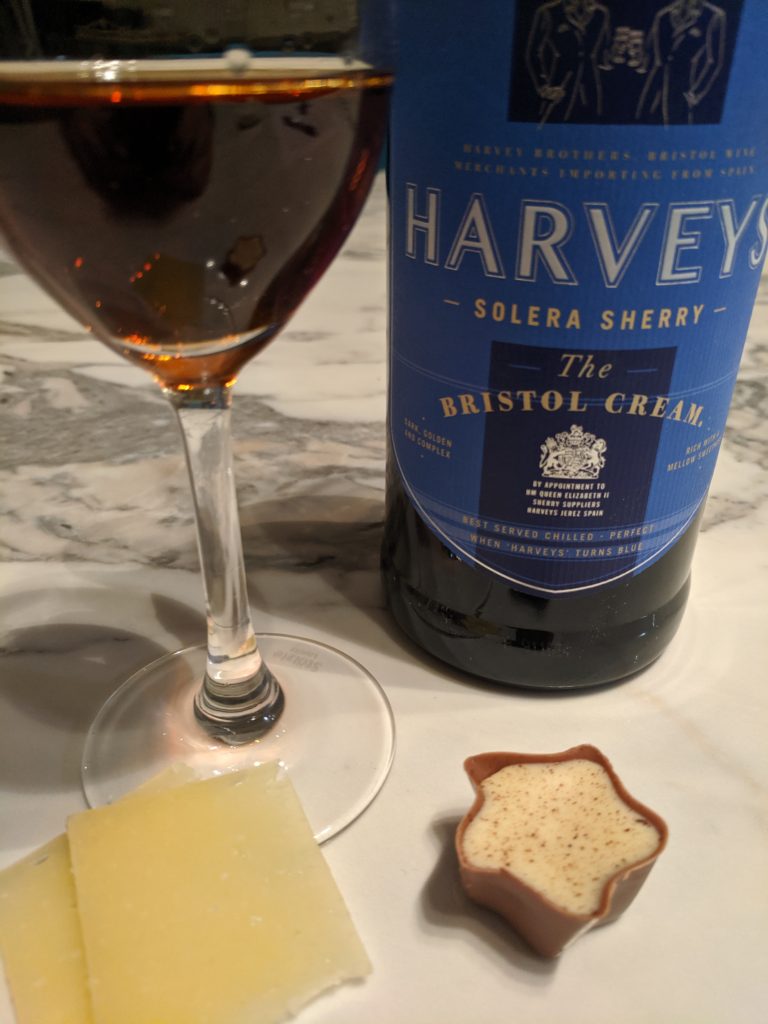
I have been blessed to have a wide range of wonderful wines grace my glass lately, reflecting the diverse array of wines in the world. One wine that particularly stood out is Harvey’s Bristol Cream Sherry. I first enjoyed a glass of this medium-sweet Sherry while having high tea at the Empress Hotel on Victoria Island off the coast of Vancouver. It was a lovely treat and added to the experience, but not something I think about often. But the opportunity to renew my acquaintance with the class was welcomed as I discovered its equal affinity for cheese and chocolate.
While the name might be confusing, the reference to “cream” is simply based on the wine’s full-bodied, creaminess; it is, rather, a Sherry, not a cream liquor. The wine was first developed in 1882, blending four different styles of Sherry, which were aged from 3 to 20 years in a solera (a fractional-aging system).
This classic wine has recently received a make-over, sporting a new label that is not only modern in design, but also turns blue when the wine is properly (50-55oF) chilled. At 17.5% alcohol by volume, which is typical for this style of fortified (i.e. Sherry, Port) wine, it is something that should be drunk in smaller quantities than non-fortified wines. However, an opened bottle will easily last for up to a month if kept in the refrigerator
This is a great wine to serve for holiday gatherings, pairing well with pumpkin pie and holiday cookies as well as with salty/savory foods such as unctuous cheeses and charcuterie platters.
TASTING NOTE Harveys Bristol Cream Sherry, Jerez, Spain, $24.99 Deep amber in color, this wine offers up aromas of dried apricots, spice, candied orange, honey and a hint of nuttiness, all of which persist on the medium-sweet, yet balanced, full-bodied palate, culminating in long length.
I was first introduced to the new line of Ferzo wines from Codice Citra back in May. Produced from the estate-grown fruit from a collaboration of family-owned vineyards within the Chieti province of Italy’s Abruzzo region, these wines offer up great taste and value.
Specifically, the Ferzo name refers to “patches of fabric stitched together to create a sail,” and symbolizes the piecing together of numerous plots of vineyards, within the southern part of the Abruzzo region.
The Codice Citra cooperative was founded in 1973 and focuses on local grapes such as the well-known Montepulciano d’Abruzzo and Trebbiano d’Abruzzo to more esoteric varieties. In addition to the Ferzo line, which made its debut into the U.S. market earlier this year, the coop’s portfolio includes three other ranges of wines (Citra, Caroso and Las Vitae.
In an effort to introduce more members of the press to this new set of wines, the winery’s importer, Winebow, hosted an unusual event at the Metropolitan Museum of Art. Event guests were shepherded around the museum by Angelis Nannos of In Food We Trust, stopping at various works of art around the historic and vast buildings of the esteemed institution, all of which harkened back to humankind’s connection to food and beverages.
First on the “menu” was pickling during which Angelis regaled us of the story of St. Nicholas of Myra who saved three boys from being drowned in a pickling vat, one of the most ancient ways of preserving food that spans numerous cultures such as Korean kimchee and Jewish pickles.
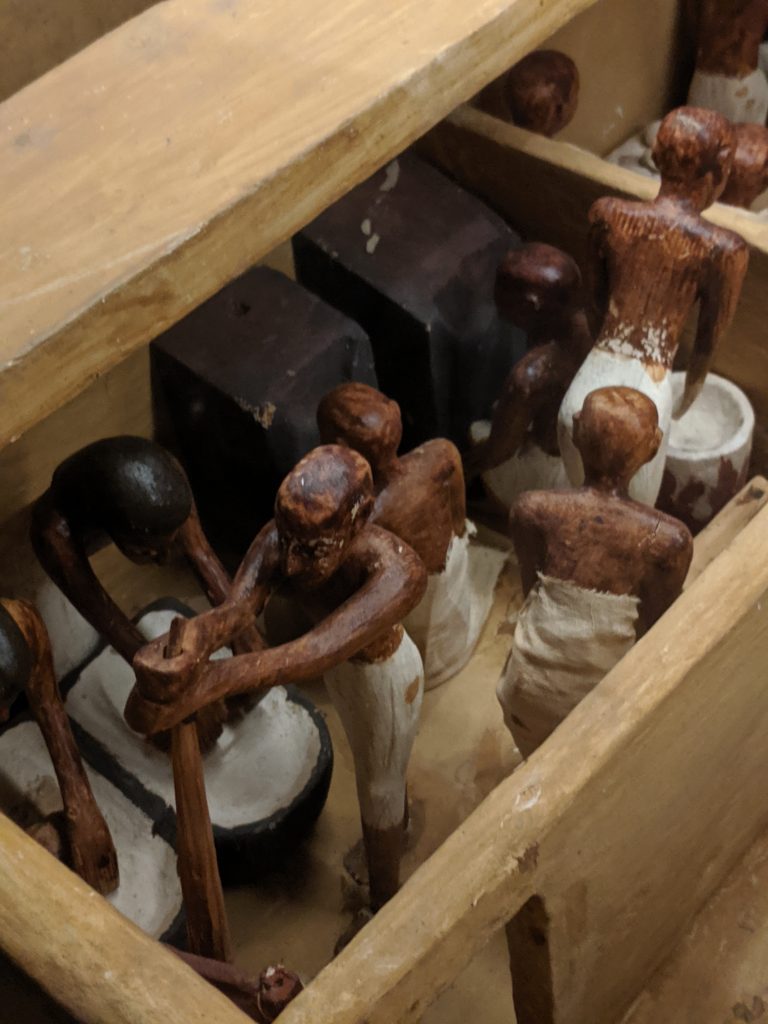
From there, we headed to the alabaster reliefs of the Assyrian Royal Court, which recount a dinner party held for 69,000+ guests! Meanwhile, the Tomb of Mektre showcased the everyday activities of ancient Egypt including baking.
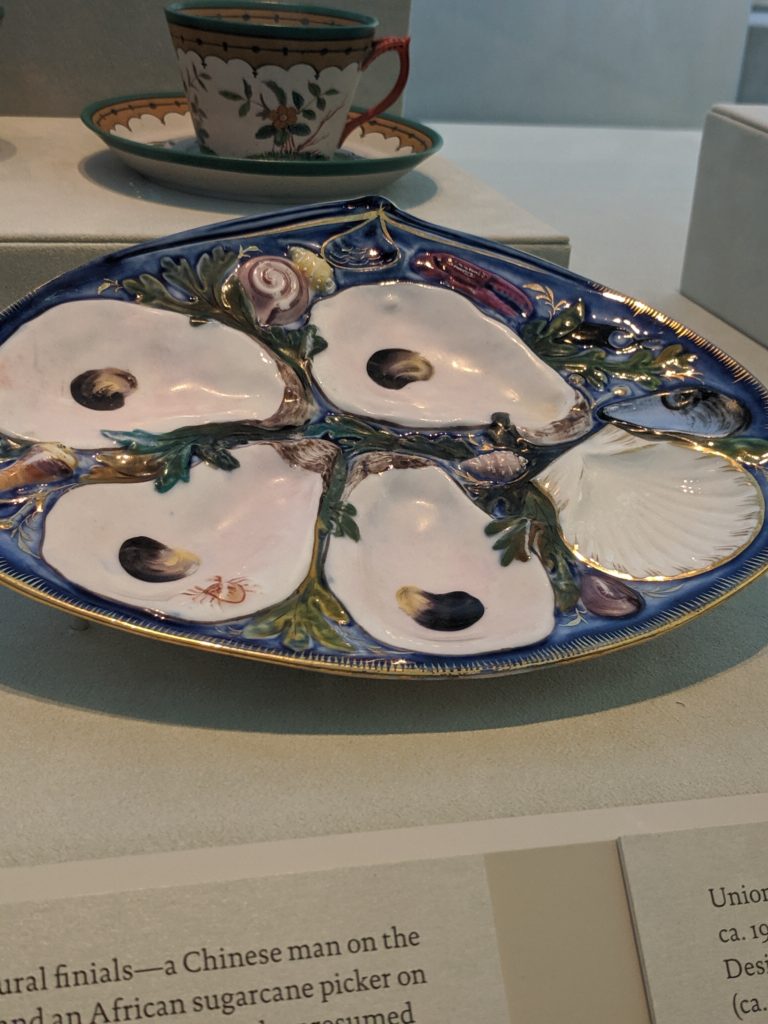
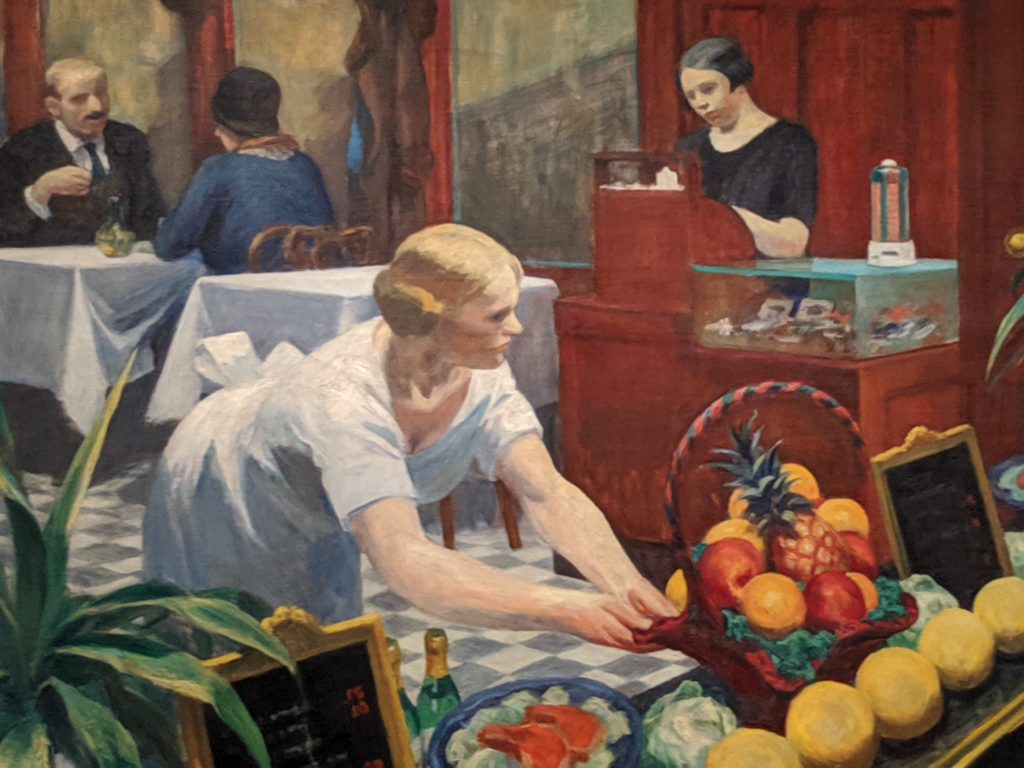
We learned about New York City’s long association with oysters as illustrated by a stunning Oyster Plate from the Union Porcelain Works and then completed our tour in front of Edward Hopper’s Tables for Ladies. This painting recalls the period of history when nice women were not permitted to dine alone until some entrepreneurial restaurateurs created women-only dining establishments, which offered “Tables for Ladies.” Here, unaccompanied women could safely enjoy a meal without tarnishing their reputations. Painted during the Depression, the painting also tells the story of shows of abundance contrasted with the stark reality of the scarcity of food during this time period.
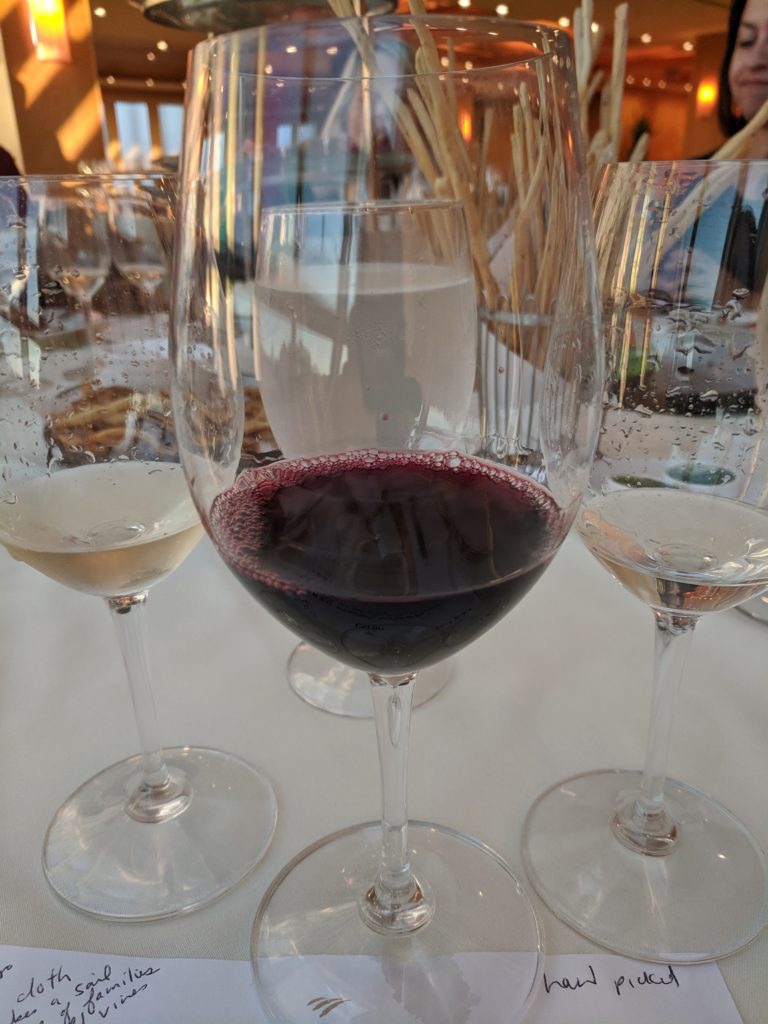
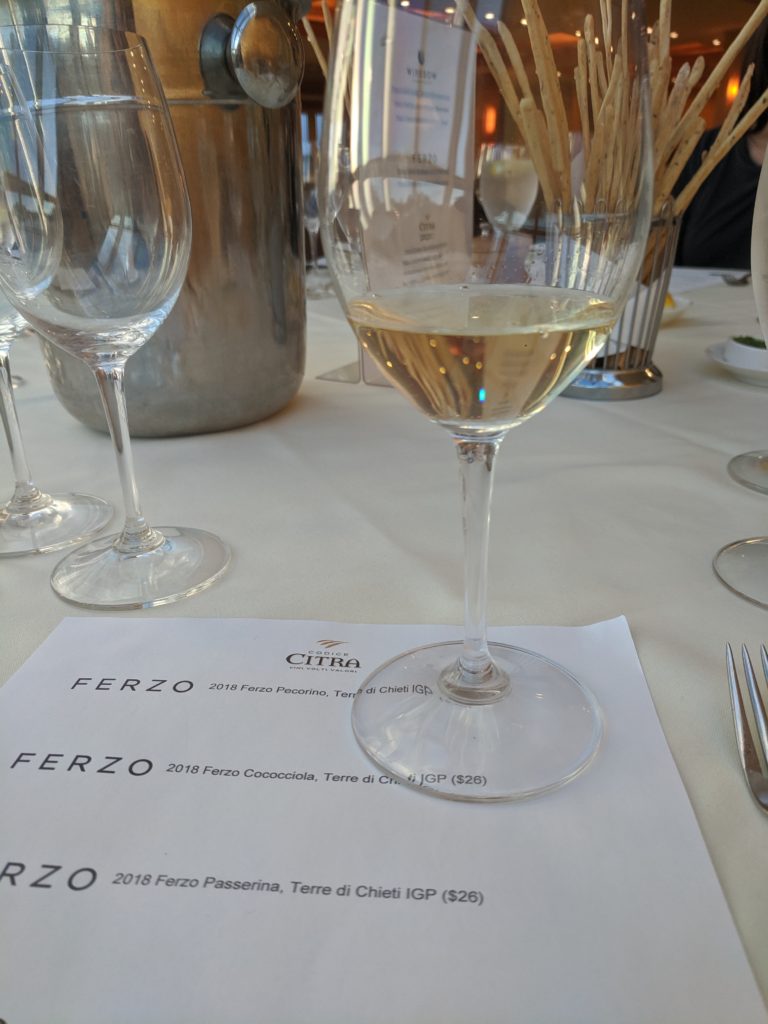
At the conclusion of our jaunt through the museum, we headed upstairs to the dining room to enjoy some actual food and wine. Among the Ferzo line, there are three whites produced from 20 year old vines hand picked indigenous varieties, namely: Pecorino, Cococcioloa and Passerina. These three wines are all fermented in stainless steel, ensuring that the wines are fresh and fruit forward without any oak influence. A rosato (aka rose) and a Montepulciano d’Abuzzo round out the range.
Most recently, with its emphasis on Abruzzo’s viticultural history and a strong commitment to high quality wine, Codice Citra has brought on winemaker, Ricardo Cotarella as executive enologist and partnered with Leonardo LoCascio Selections, as its exclusive U.S. importer.
TASTING NOTES Ferzo Passerina 2017, Terre di Chieti IGT, Abruzzo, Italy, $26.00 The ancient variety of Passerina is not well known, but is on the path to rediscovery, given recent interest in the grape in Abuzzo, Umbria and Le Marche (where it is produced within the Offida DOCG). This wine has a beautiful floral and fruity nose, with flavors of white flowers, juicy pineapple, pear and tropical fruit. On the palate, it offers up bright acidity, medium body and long length.
Ferzo Pecorino 2017, Terre di Chieti IGT, Abruzzo, Italy, $26.00 With the same name as the Italian word for sheep, it is now thought that this grape gets its name from the shepherds, not the sheep, who were eating these grapes when out in the mountains. Almonds, minerality and hint of pear greet the nose. On the palate, this wine is dry, with medium+ acidity, medium+ body and is quite angular. Flavors of nuts and minerals dominate, giving the wine weight and depth, before culminating in long length.
Ferzo Cococciola 2017, Terre di Chieti IGT, Abruzzo, Italy, $26.00 The Cococciola grape is cultivated in both Abruzzo and Puglia and is frequently compared to Sauvignon Blanc. This wine offered up more fruit character than the Pecorino, with more pronounced melon, pear and citrus, a hint of waxiness on the palate and just a slight note of nuttiness. It displays nice body, good depth and long length.
Caroso Montepulciano d’Abruzzo Riserva 2015 , Abruzzo, Italy, $30.00 Not to be confused with Vino Nobile di Montepulciano, this wine is produced from the Montepulciano grape, grown in the Abruzzo region. The wine was beautiful, with a rich and fragrant nose of plums, with good acidity, integrated oak, soft tannins and long length.
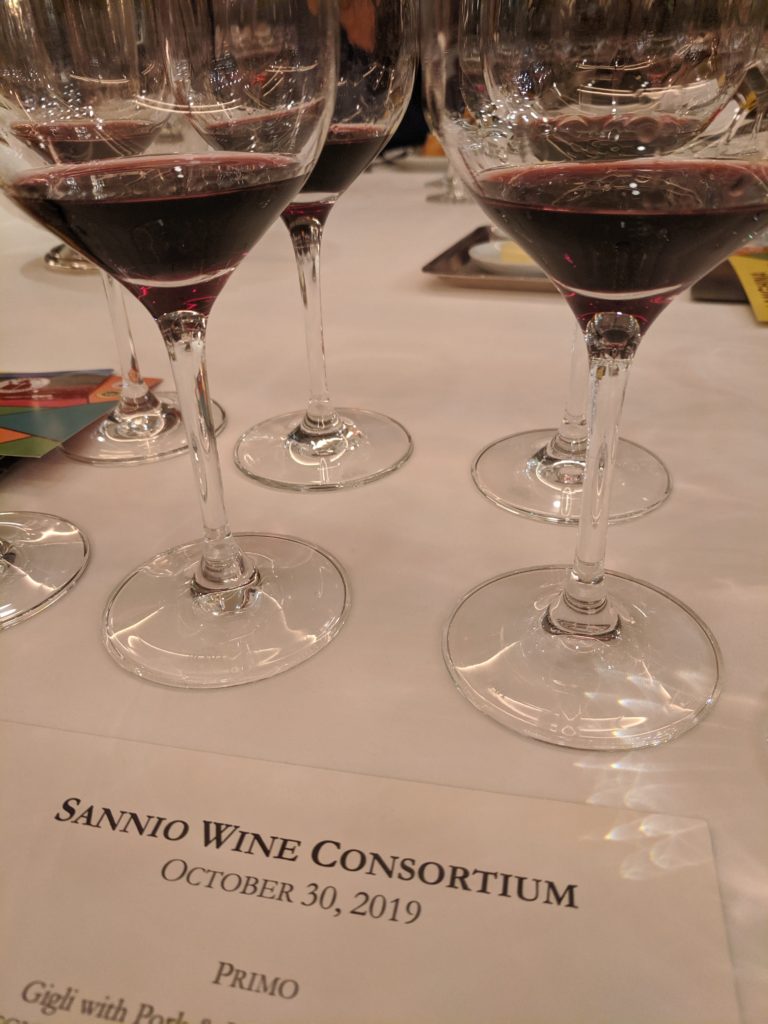
Although I am generally familiar with the wines of Italy’s Campania region, namely through visits to Feudi di San Gregorio and Mastroberadino, I had never heard of Sannio. Or, admittedly, if I had, it was likely memorized for a wine exam and then promptly forgotten. My mistake…and my misfortune for overlooking these wines.
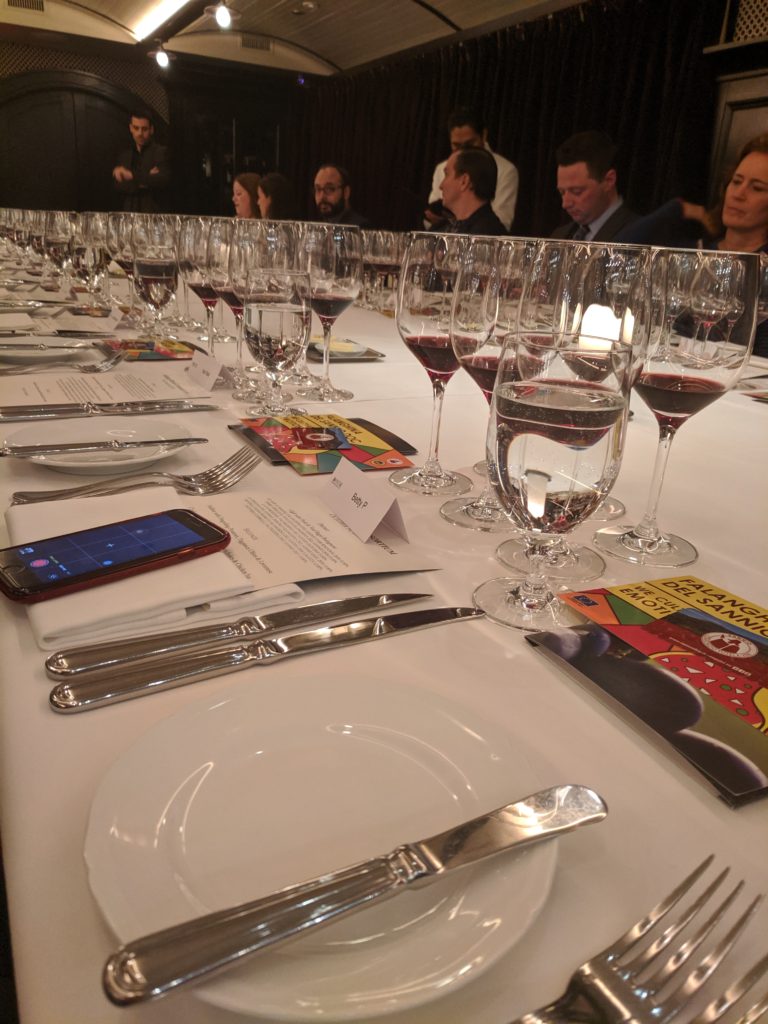
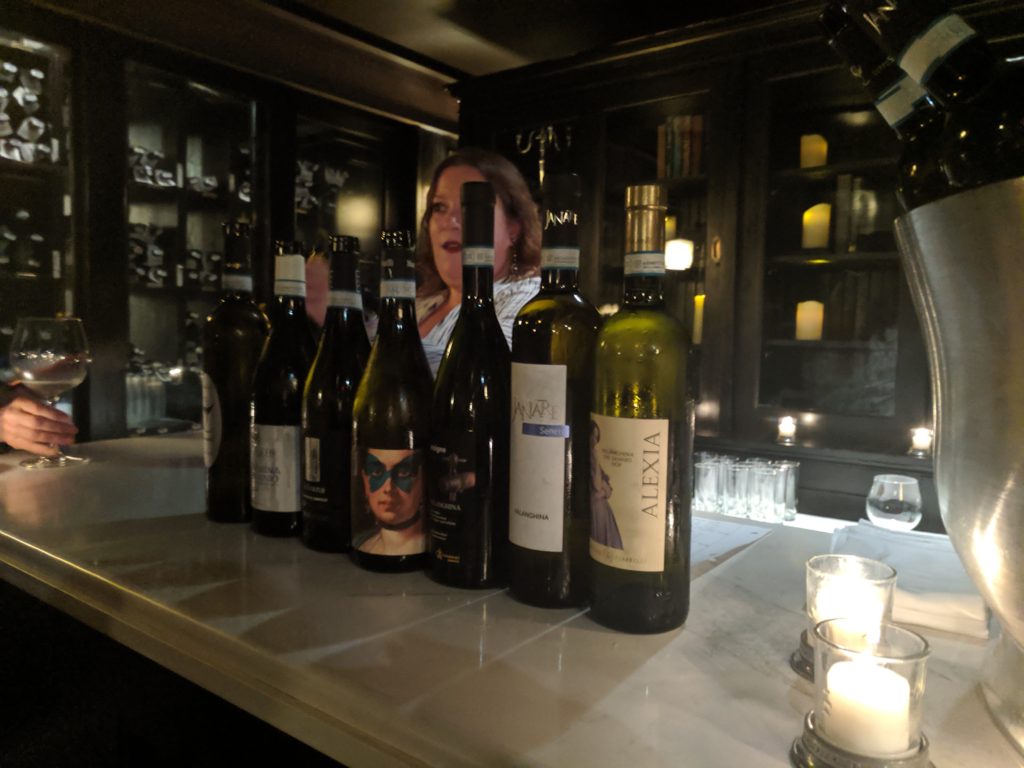
Thankfully the error of my ways has been rectified, thanks to a beautiful introduction to these wines back in October. We were welcomed to a sumptuous lunch at Del Posto restaurant by Consorzio President, Dr. Libero Rillo, who provided some background on this tiny territory in the province of Benevento. But, despite its small size (~10,000 hectares), it is important to the Campania region. Here, the emphasis is on the indigenous grape varieties of Aglianico, Falanghina and others.
The Consorzio itself dates in 1999 and comprises 400 members. It overseas several denominations including Aglianico del Taburno DOCG, which produces red or rose wines, Falanghina del Sannio DOP, which is restricted to white and sparkling as well as the Sannio DOP which offers a full range of styles. An IGP Benevento or Beneventano also exists.
The 10,000 hectares are allocated among nearly 10,000 wineries, including two cooperatives. Most are small and medium in size, producing a total of 25 million bottles annually among the IGT, DOC and DOCG designations. However, the consorzio is eager to increase its production, especially at the quality levels.
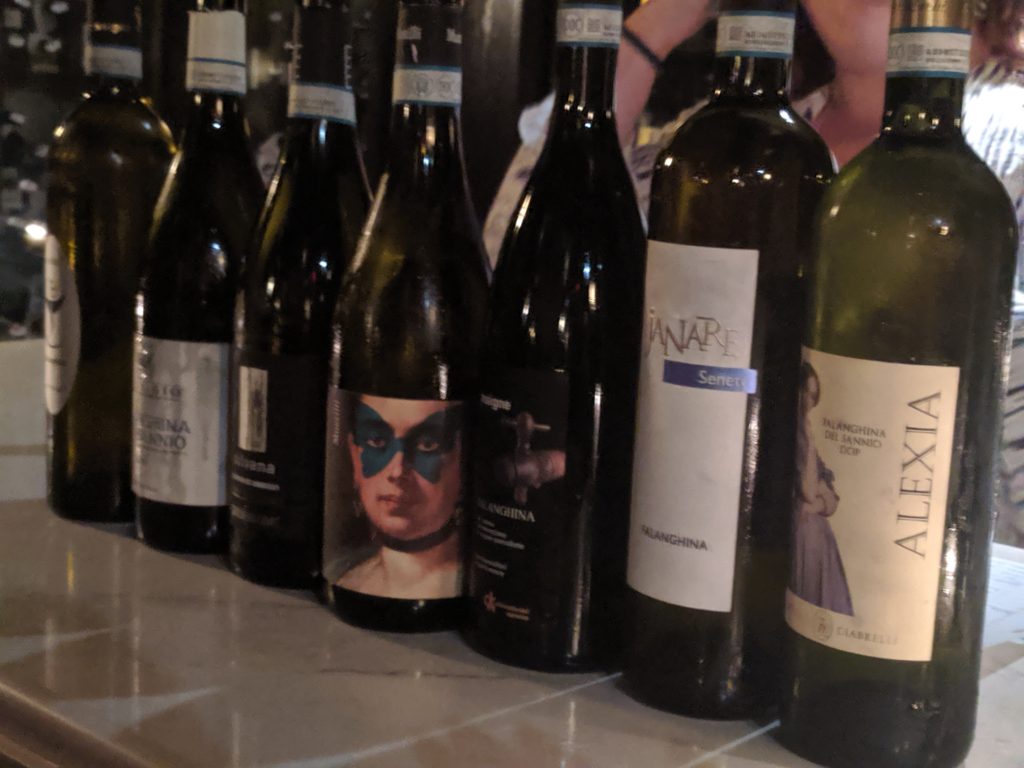
Attendees at the aforementioned press luncheon has the opportunity to explore the two vaunted denominations: Falanghina Sannio DOC and Aglianico del Tabruno DOCG, under the tutelage of Somm In the City, Sara Lehman. While the Falanghina grape has ancient roots, its name has much more modern origins thanks to the trellis poles aka “falanga” that were used to support the vines. The wine received its DOP status in 2013, and is known for its minerality, good acidity, and ability to age for 10-15 years, during which time it develops complexity. These grapes must be sourced from the hillsides where there is some elevation, which helps to avoid the humidity found on the valley floor.
The Aglianico del Tabruno DOCG harkens back to the Greeks who came to the area centuries ago, settling near Mt. Taburno. The wine’s DOCG status was bestowed in 2011 and comprises both red and rose wines. The rose, which doesn’t require any aging, is currently the only Italian rose to hold this designation level. The reds must be aged for a minimum of two years in wood and bottle, with the Riservas aged for three years in wood and another 12 months in bottle. These are powerful, tannic wines with complexity and good aging potential, known for aromas of blackberry, plum, violet and black pepper.
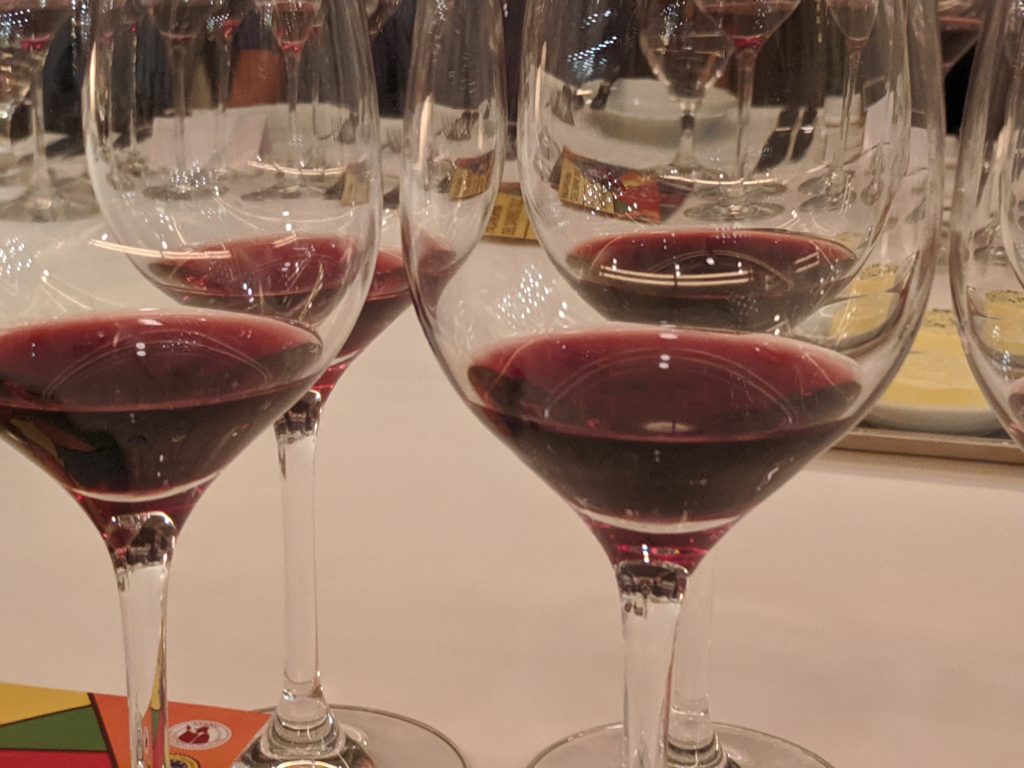
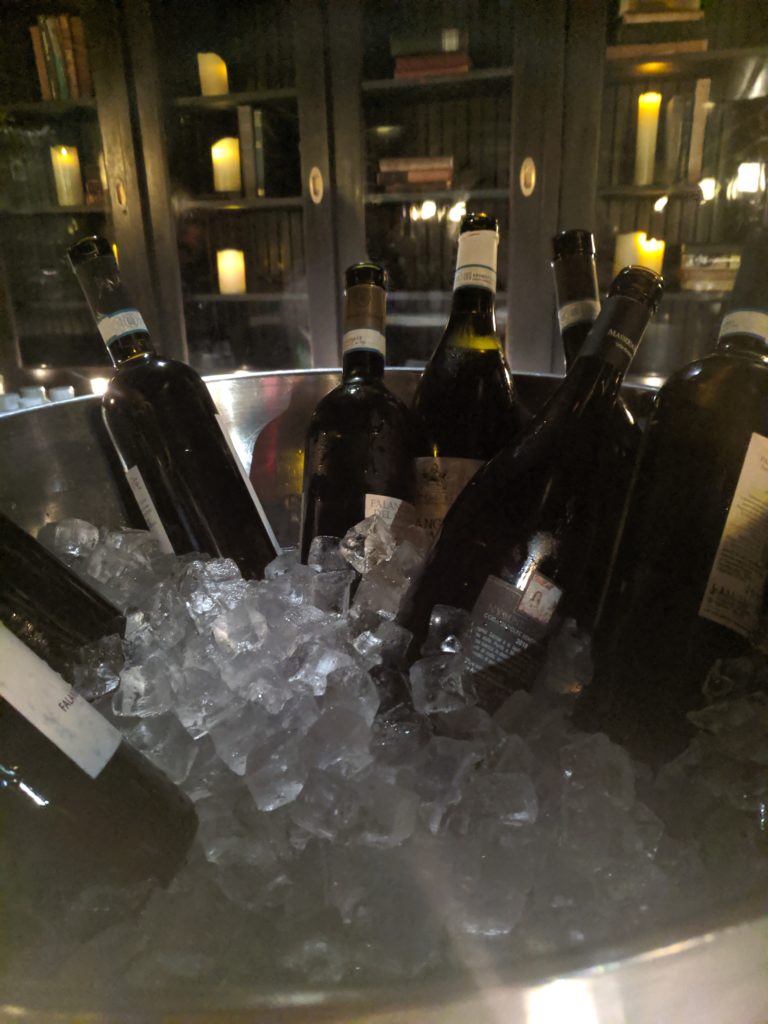
WHITE WINE TASTING NOTES I deliberately limited my consumption of the Falanghinas knowing that we were going to taste a lot of reds with the seated lunch (we tasted 13 and I’ve included my notes on my 8 favorites). Accordingly, I limited my tasting to the sparkling Falanghina del Sannio DOP – V.S.Q. Brut fromCantina di Solopaca, which is one of the oldest co-ops in the area, with grapes sourced from the slopes of Mt. Taburno. It was refreshing, with good acidity and nice fruit aromas and flavors.
I also tasted the Mustilli Vigna Segreta Falanghina 2016, a wine produced from a cru vineyard known for its volcanic and limestone soils. It was rich and concentrated with good minerality and long length.
RED WINE TASTING NOTES 2018 Elena Catalano Sannio Aglianico 2018, Italy This wine, produced solely in stainless steel, was youthful, with robust red and black fruit, firm tannins and good length.
Fattoria la Rivolta Pediarosso Taburno Sannio DOP 2018, Italy Made from hand-harvested grapes grown on clay and volcanic soil, this wine offered up bright red fruit, lovely freshness and notes of pepper that lingered in the finish.
Cantina di Solopaca Barbera 2017, Italy This wine is produced from 20 year old vines grown on clay and limestone soils on the slopes of Mt. Taberno, It offers up a very earthy nose, with a clay undercurrent and red fruit aromas and flavors.
Cautiero Sannio DOC Aglianico 2016, Italy After moving to the city as adults, the winery’s owners returned to the countryside to pursue their love of wine and the land, choosing to focus on organic farming. The wine is tight and needs time, but displays nice black fruit and long length.
Terre Stregate Manent Sannio Aglianico 2016, Italy This is a beautiful and balanced wine with lovely aromas and flavors of red fruit, earth and herbs, along with good structure. It spent 6-8 months aging in barriques.
Azienda Agricola Scompiglio Barbera del Sannio 2016, Italy Lush and gorgeous on the nose and palate, this Barbera was floral in character with blueberry and blackcherry notes, lingering in the long length.
Azienda Agricola Castelle Aglianico Riserva 2015, Italy As a Riserva-level wine, it spent the minimum three years aging in oak. It was lovely, yet tannic and will be better in time.
Torre del Pagus Aglianico Taburno DOCG 2013, Italy This wine spent 12 months in oak, with another year aging in bottle before release. It was elegant, with good structure and lots of red fruit notes.
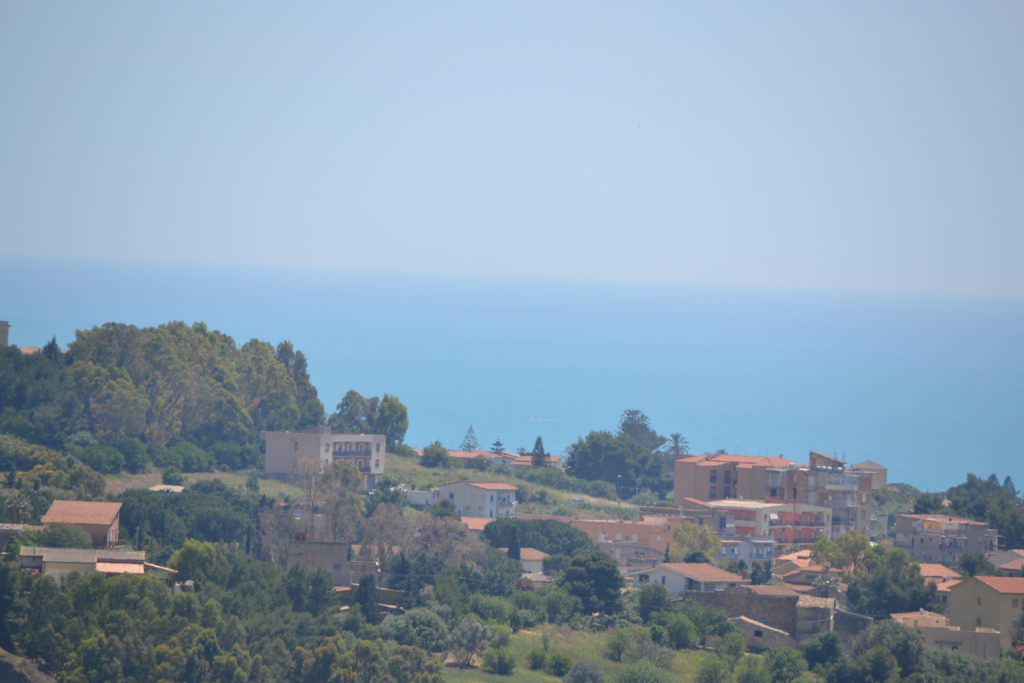
Sicily will always have a cherished place in my heart. I visited the Italian region in 2013 and spent a week crisscrossing the island, learning its history and immersing myself in its wine culture. At the end of my visit, I found myself at Palermo Airport crying…and I wasn’t even heading home; I still had another two weeks in Italy before I returned to the U.S.!
Something about the magical week struck me hard and stuck with me. A Siren song, perhaps? In truth, Sicily is more associated with other mythical creatures than the sirens, but regardless, I was thankfully lulled to its vinous pleasures not to my untimely death.
Since that visit, I have been thrilled to watch Sicily’s dedication to improving excellence in its wine production. Under the leadership of Antonio Rallo president of Wines of Sicilia DOC (and agronomist and winemaker for his family’s Donnafugata winery), the region has seen the creation of the Sicilia DOC category, increasing the quality level and prominence of Sicilian wines.
Accordingly, well-established wineries have risen to the challenge, elevating their wines with an eye toward innovation, yet maintaining tradition. In this regard, they remain true to their culture and heritage with an emphasis on local varieties such as Grillo, Nero d’Avola and Frappato, grapes which have been cultivated in the area for centuries.
More specifically, the modern winery at Stemmari was built to reflect the rural architectural structure known as the baglio. Similarly, Baglio di Pianetto has embraced environmental sustainability and adopted organic farming practices while the ancient feudal domain of Feudo Principi di Butera once belonged to Sicily’s first prince (Ambrogio Branciforte), but has been restored by the well-known Zonin family. And all three producers respect and understand the various terroirs of the island region.
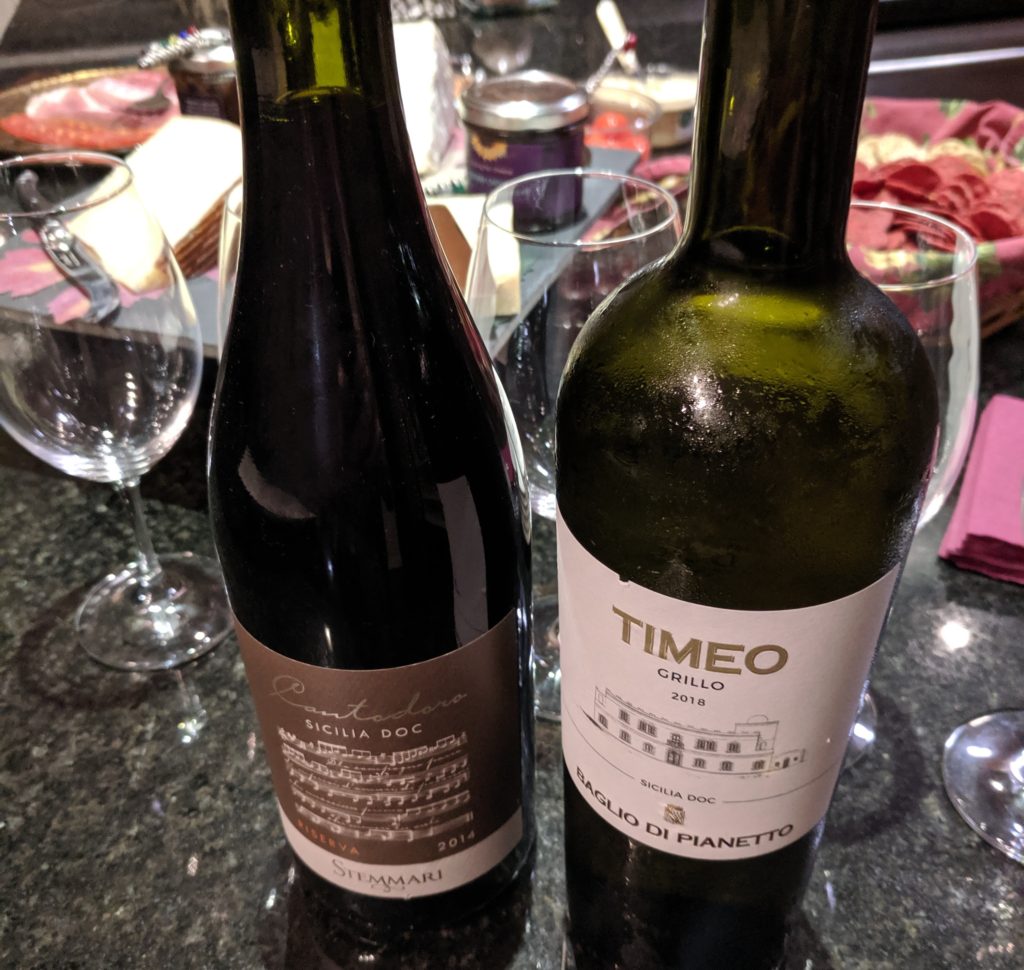
TASTING NOTES Baglio di Pianetto Timeo Grillo 2018, Sicilia DOC, Italy, $13.00 Lovely notes of musk, minerality and wax greet the nose. On the palate, the wine is dry, with fresh acidity and medium body. It is more structured and less fruit focused, showing notes of pear and citrus, with elegance and long length.
Stemmari Cantodoro Rosso Riserva 2014, Sicilia DOC, Italy, $14.00 A blend of 80% Nero dA’Avola and 20% Cabernet Sauvignon, this rich and concentrated red wine features aromas of plums and earth. The dry palate offers up medium+ acidity, medium+ body, light tannins, and shows some development, with long length.
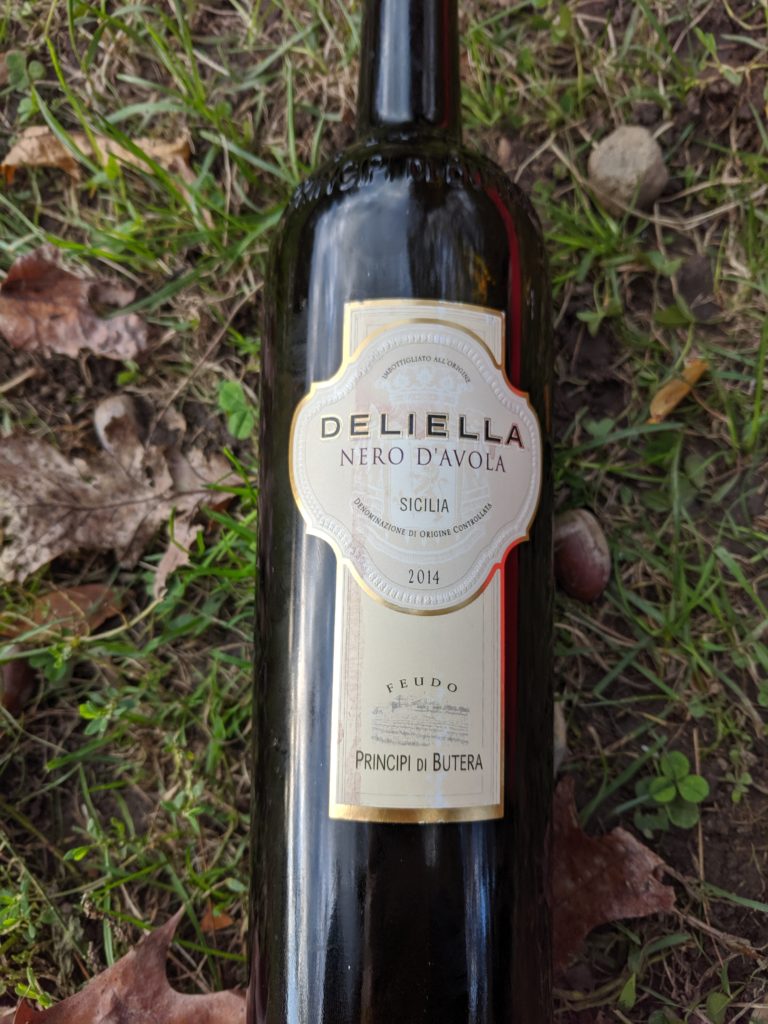
Feudo Principi di Butera Deliella Nero d’Avola 2014, Sicila DOC, Italy, $90.00 This wine is among the three esteemed cru level wines produced by Feudo Principi di Butera. It is a 100% Nero d’Avola from a single vineyard Deliella, named for the local district. The full-bodied wine is elegant with bright acidity, beautiful red fruit aromas and flavors, slight herbal characteristics on the nose and palate, which linger in the very long length.
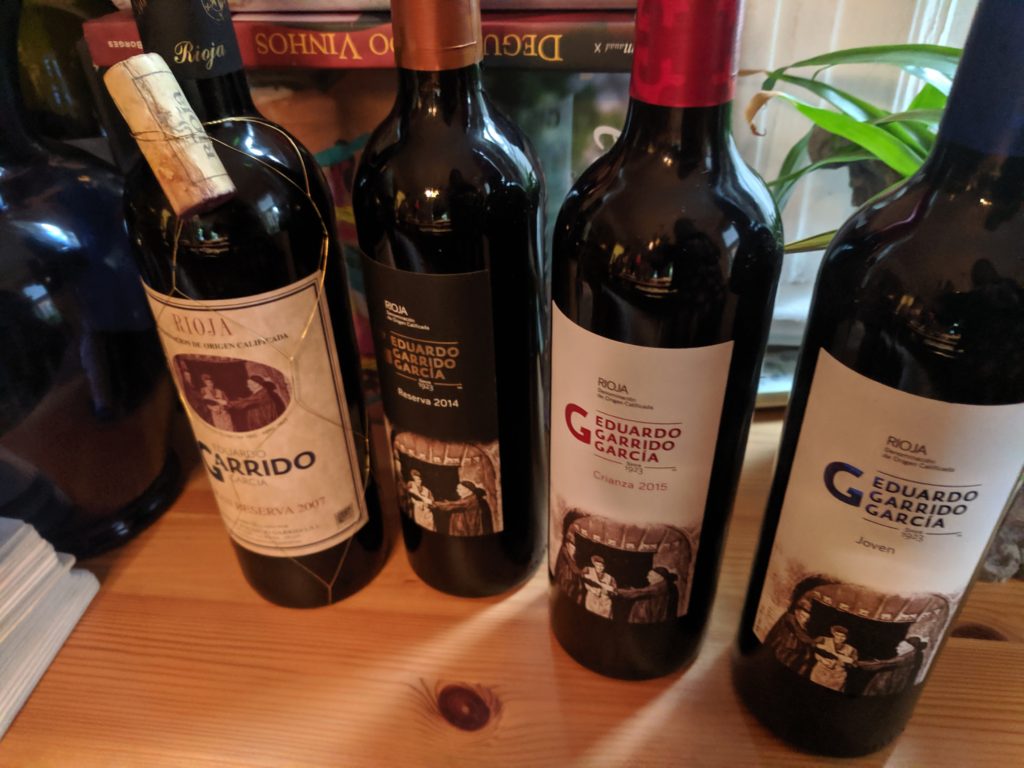
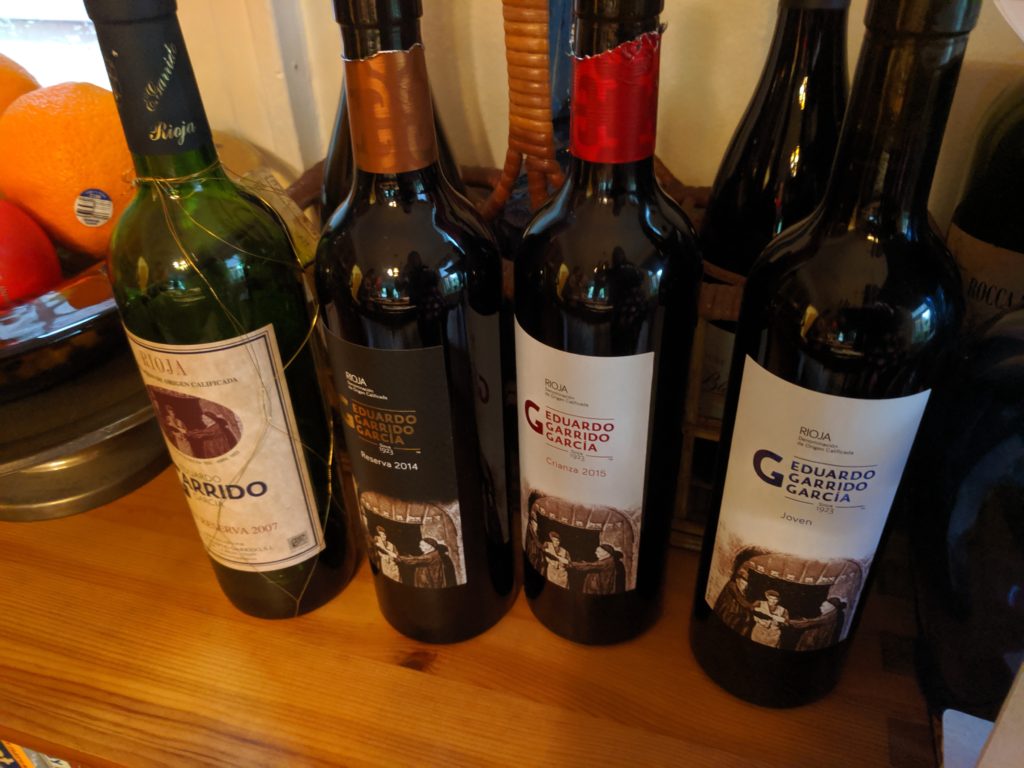
Compared to many other industries, working in wine often does not feel like work. Such was the case on a recent Sunday afternoon when I had the pleasure of meeting Amelia Garrido and her husband, John. Amelia is the winemaker for Bodega Eduardo Garrido, a small, 4-hectare family estate in Spain’s Rioja region.
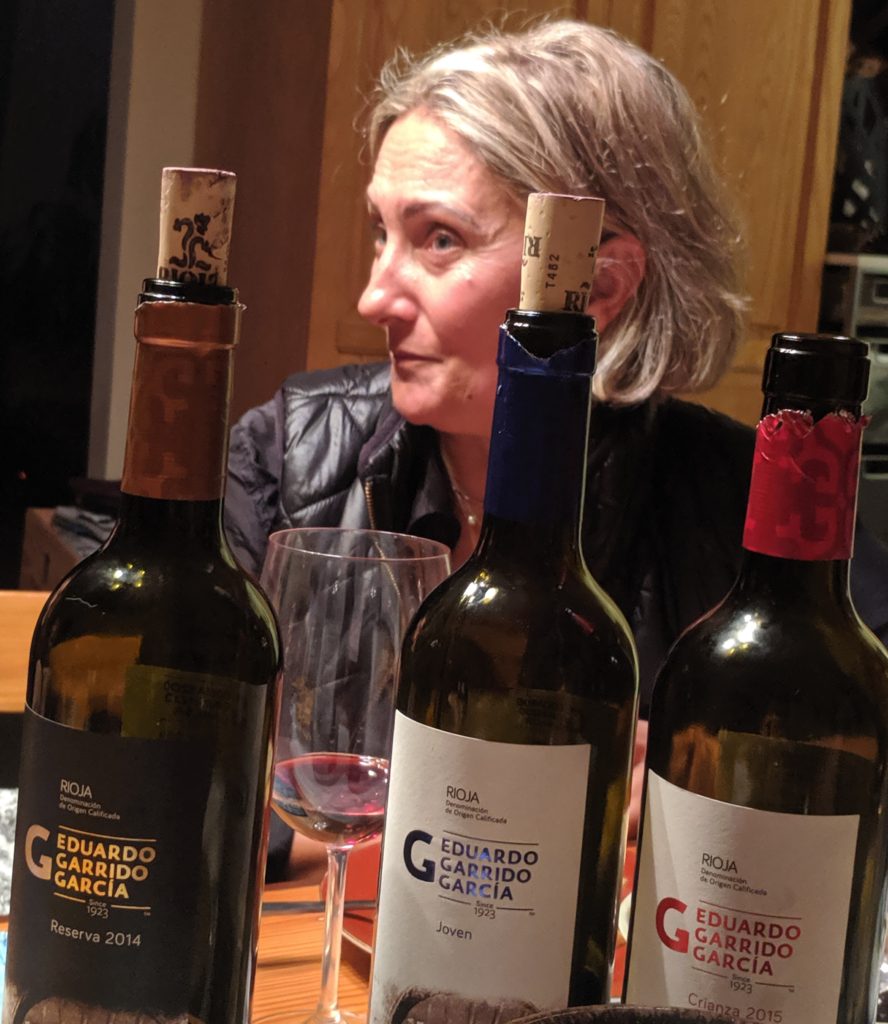
The winery was initially founded by 1923 by Vincente Garrido, Amelia’s grandfather. While Amelia’s father, Eduardo, now 86 years old, is still actively involved, Amelia is now at the helm of the operation, expanding the range of wines they produce. In this regard, she recently crafted a beautiful, unoaked white from Viura grapes, Blanco 2018. It was a vibrant, fresh wine which paired especially well with olive tapenade, but easily married with the wide range of tapas on the table.
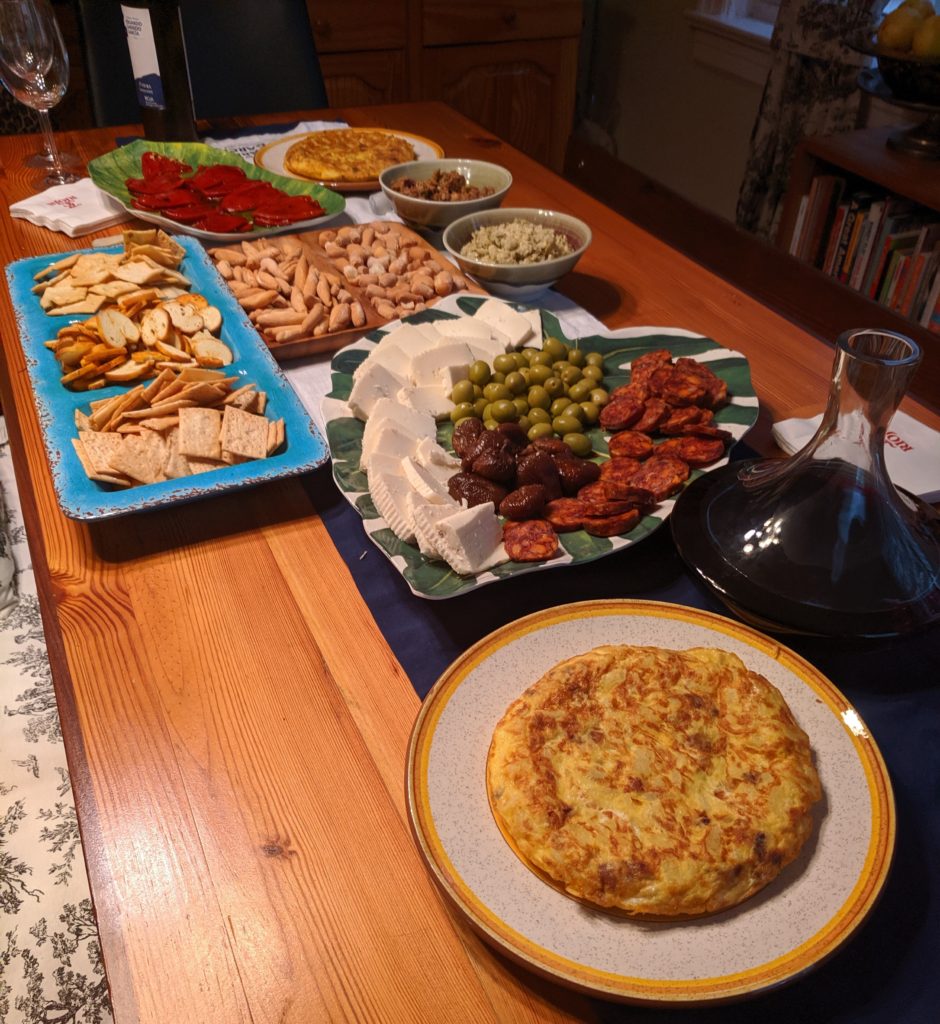
Hosted at the home of Amelia’s importer, Sunday brunch was infused with typical Spanish cuisine and warm camaraderie. We ate, we drank and we laughed. New acquaintances quickly became fast friends as we broke bread and shared a wonderful meal with one another. Amelia regaled us with wonderful stories about her grandfather who knew not to accept the offer of cheese when tasting wines since the cheese would mask any potential faults in the wine as well as that of her husband, joking that he proposed to her at the top of a hill when she showed him her family’s estate and he mistakenly thought that it was a much larger estate.
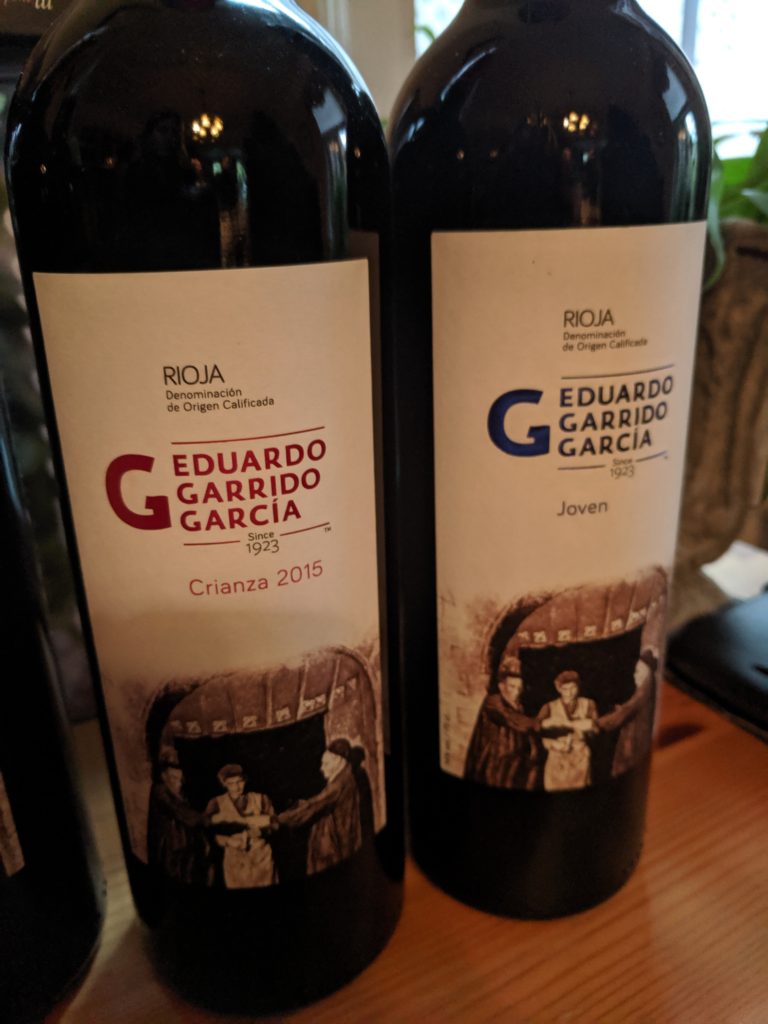
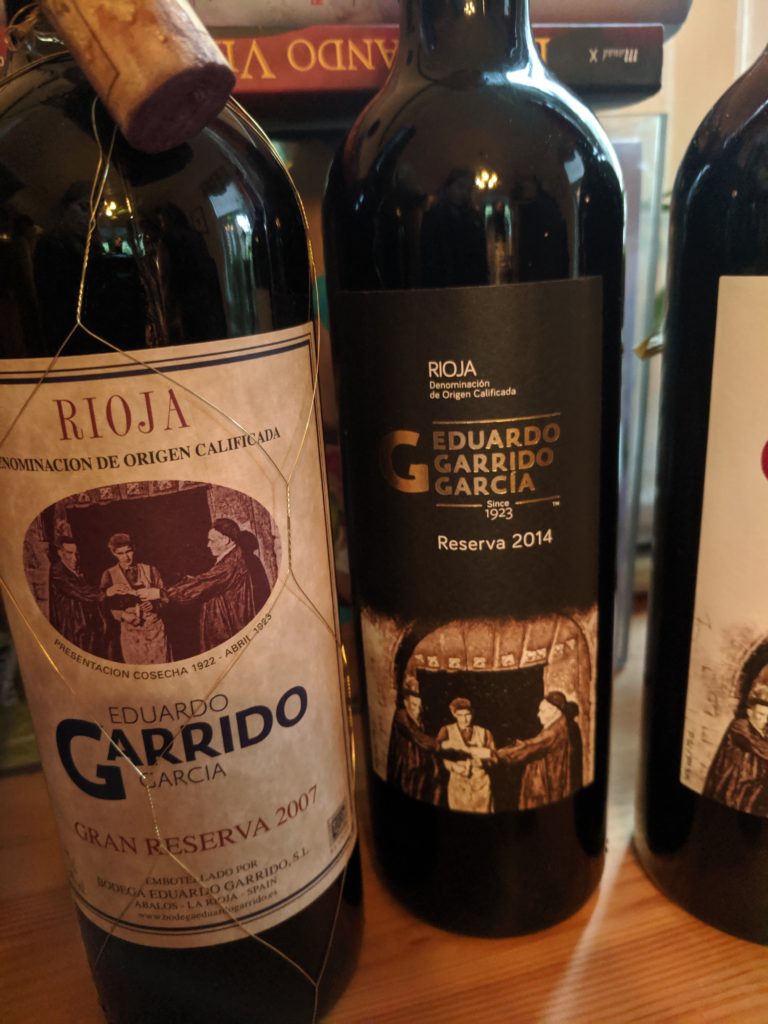
Admittedly, I didn’t take proper tasting notes because I was too busy having a great time, but I assure you that all of the wines were lovely! In addition to the Blanco 2018, we tasted the Joven 2018 (100%Tempranillo, 20% of which was aged in oak for 3 months), Crianza 2015, Reserva 2014, and Gran Reserva 2007.
In general, Amelia prefers to use older oak, eliminating extremes in her wines. She says that the most important thing is good grapes; everything else comes from that.
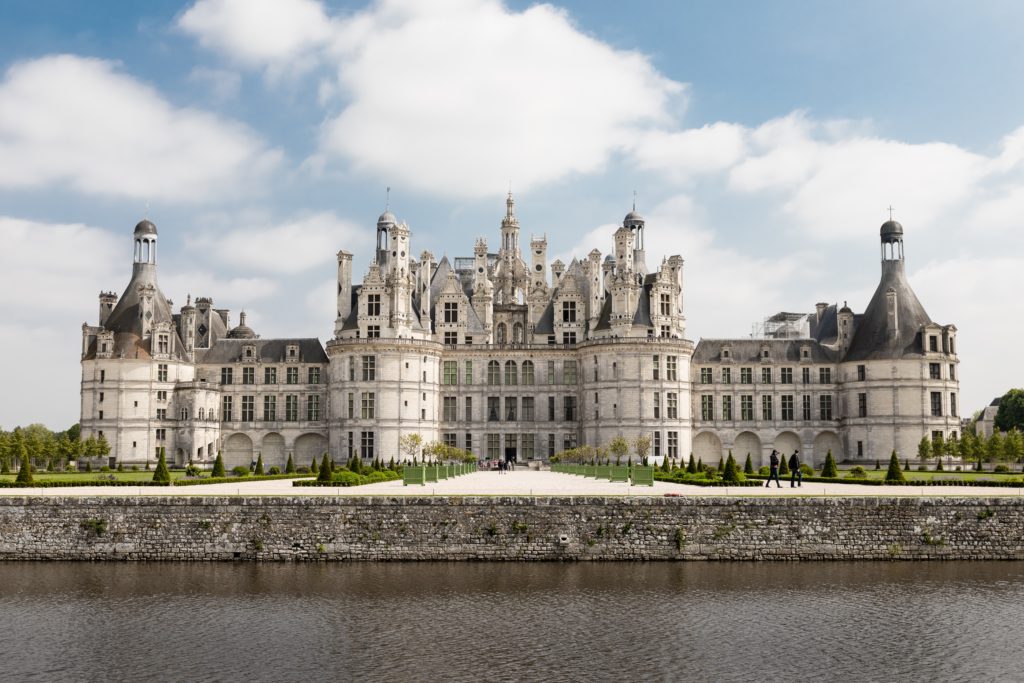
As a former playground for the Kings of France, the Loire Valley is awash in luxurious castles, but it is equally awash in wonderful wine! Here, grapes have been grown for centuries, dating to the Romans who first planted in the Pays Nantais. Yet it wasn’t until the 5th century that things really got started with some of the earliest mentions of the area’s vineyards made in 528 by Gregoire of Tours in which he cited those in Sancerre and Touraine.
Later, the Loire’s viticultural heritage was squarely in the hands of the church, strongly influenced by both the Augustine and Benedictine monks who understood not only how to make great wine but also how to communicate about and distribute the wines. In this regard, they took full advantage of the local rivers’ safer travel (compared with the roads).
The region’s wine acclaim was further boosted by Henry II Plantagenet, Count of Anjou, when he became king of England in 1154 and permitted only Anjou wines to be served at court (it’s good to be king!), a custom continued by his successors, John Lackland and Henry III.
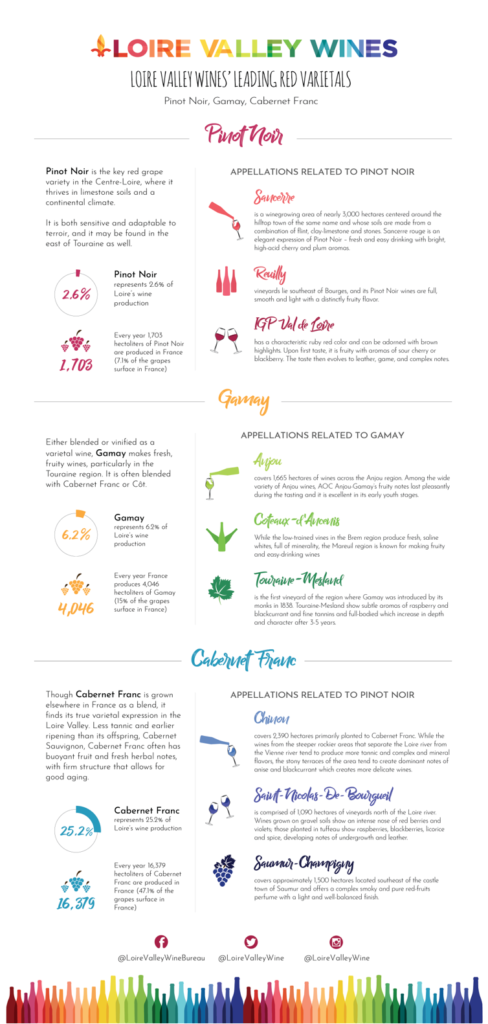
Today, while often known for its aromatic whites, the Loire Valley is also very adept at crafting high quality reds, namely from Pinot Noir, Gamay and Cabernet Franc. These grapes and others typically deliver fresh, fruity, food-friendly options and should be easily found in your local wine store.
Need some inspiration? Befitting the region’s long and illustrious history, these three wines beautifully illustrate the elegance and ease that the reds of the Loire Valley provide.
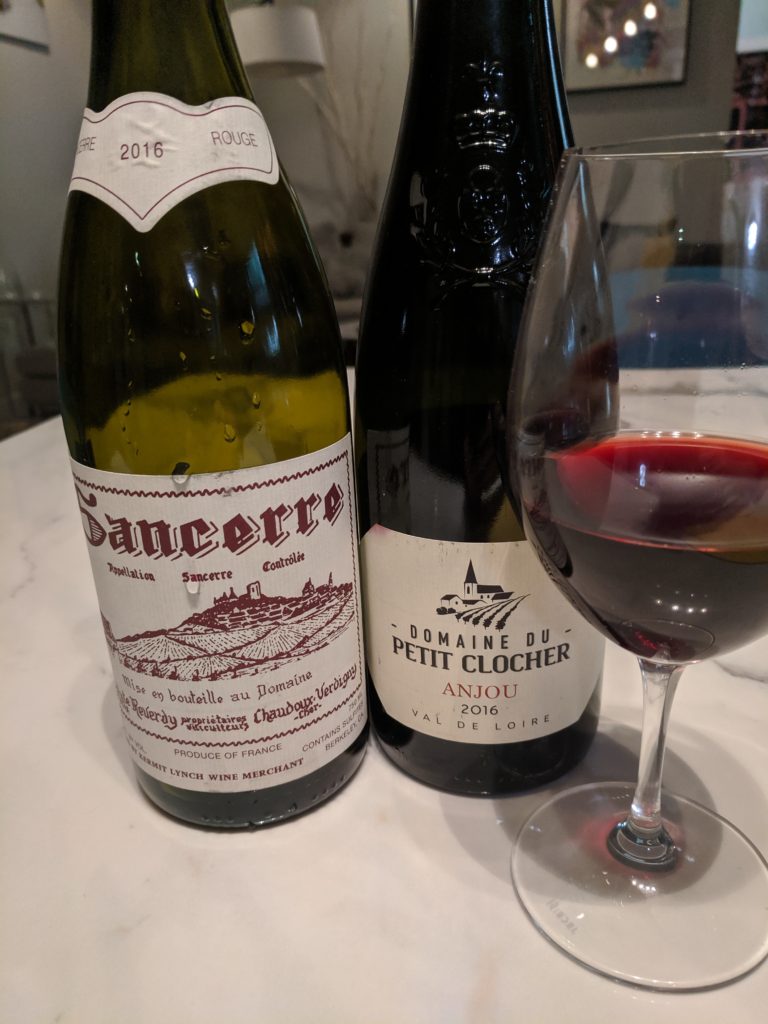
Hippolyte Reverdy It’s possible that the Hippolyte Reverdy family has made wine as far back as 1600, but it wasn’t until the end of World War II that they began to increase their production, eventually bottling greater and greater quantities under their own label and no longer selling their grapes to the local coopérative. The winery is presently in the hands of Michel Reverdy who joined in his family’s estate in 1971.
Hippolyte Reverdy Sancerre Rouge 2016, Loire Valley, France Sourced from 30-year old Pinot Noir vines, this wine displays aromas of berries, cherries and dried herbs. The light-bodied palate is really nice, with fruit-driven cherry flavors, a slightly rustic character, along with an earthy/herbal undercurrent in the long finish.
Domaine du Petit Clocher Presently managed by the fourth successive generation, this estate has grown from 5 to 80 hectares over 50 years. Yet, it remains true to its roots, favoring traditional wine making practices.
Domaine du Petit Clocher, Anjou 2016, Loire Valley, France This 100% Cabernet Franc offers up wet leaves, dried herbs. The dry palate displays medium+ acidity, medium to full body, grainy, textural tannins, raspberry, herbaceous notes and long length.
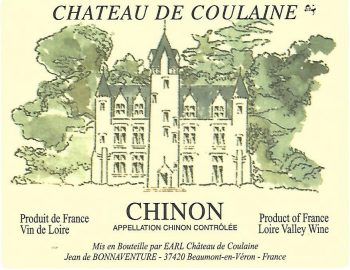
Chateau de Coulaine This family-owned winery has been operating continuously since 1300! Etienne de Bonnaventure has been at the helm of viticulture and winemaking responsibilities since 1988 and was joined by his son, Jean, in 2014. The 12-hectare estate is planted exclusively to Cabernet Franc, with the vineyards farmed organically.
Chateau de Coulaine Chinon 2017, Loire Valley, France A beautiful nose of mulberry, blueberry and cranberry gives way to wet leaves, with a textural palate of medium, ripe tannins, medium+ body, high acidity, oak and leafy flavors and long length.
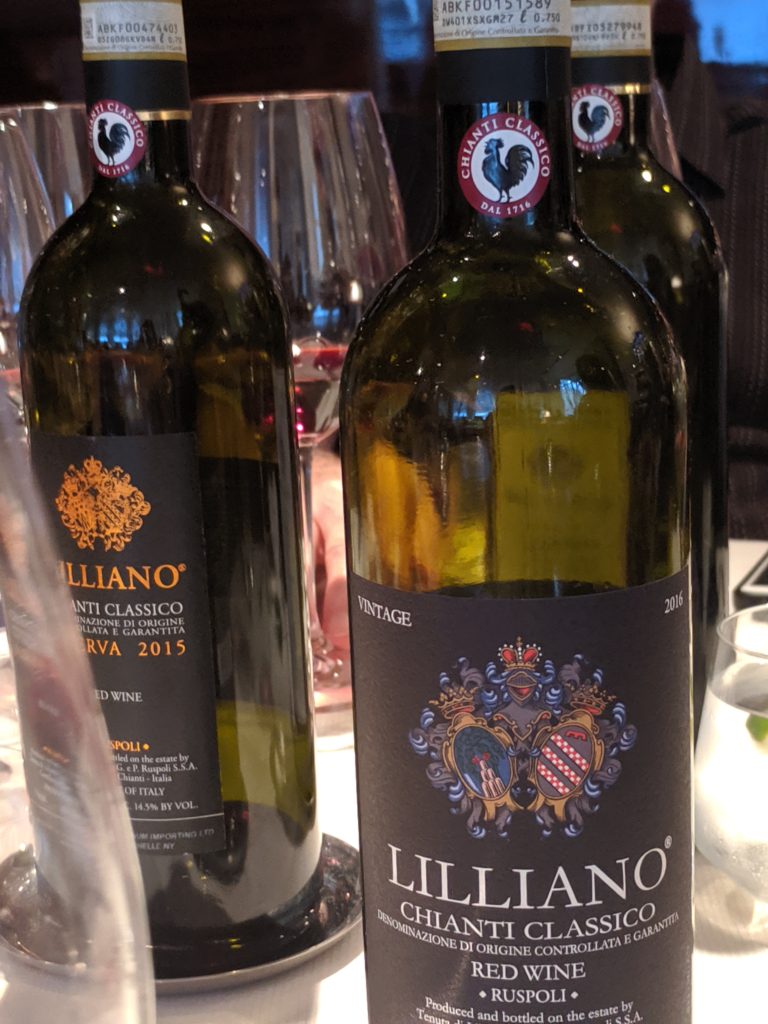
Situated in Castellina in Chianti, Tenuta di Lilliano has developed a well-earned reputation for crafting high-end, Chianti Classico wines. Its wines have been lavished with praise and high scores by Gambero Rosso, Wine Enthusiast, Doctor Wine and James Suckling, among others, but, most recently, its grapes received a resounding seal of approval when a 150kg cingale (wild boar) stormed through a stainless steel fence guarding the vineyards, just around harvest time!
The joint human and wildlife admiration for this 460-hectare, family estate is well placed. Purchased in 1920, it wasn’t until 1958, when then owner, Princess Eleonora Ruspoli Berlingieri, began to focus the estate’s production on quality. Interestingly, she hired a winemaker who did not drink wine, but who had an amazing palate and was able to create the best wines.
At the time, the Tenuta was unique in aging its wines in Bordeaux barrels and was one of the first producers to emphasize aging of their wines. Since then, the winery has continued to pursue its quality mission, building a new cellar in 1976, refining its agricultural approach (such as not mowing in between rows of vines) and reviewing its mix of varieties to hit upon the best expression of the grapes in their blends. In the winery, they take a light hand with oak, seeking elegance with only a little bit of wood, preferring larger, older vessels and firmly placing the focus on Sangiovese, the key variety of the region.
Sadly, the Princess passed away in the early- to mid-2000s, but Tenuta di Lilliano is still under the ownership of Princess Eleonora’s descendants, namely Giulio Ruspoli and Pietro Ruspoli, the former of whom runs the estate. With a vaunted heritage, the Ruspoli family traces its lineage to both Renaissance Tuscany and 17th century Rome, where the family continues to occupy the Ruspoli Palace. Recalling this esteemed background, the wines bear the joint coats of arms from the Ruspoli and Berlingieri families.
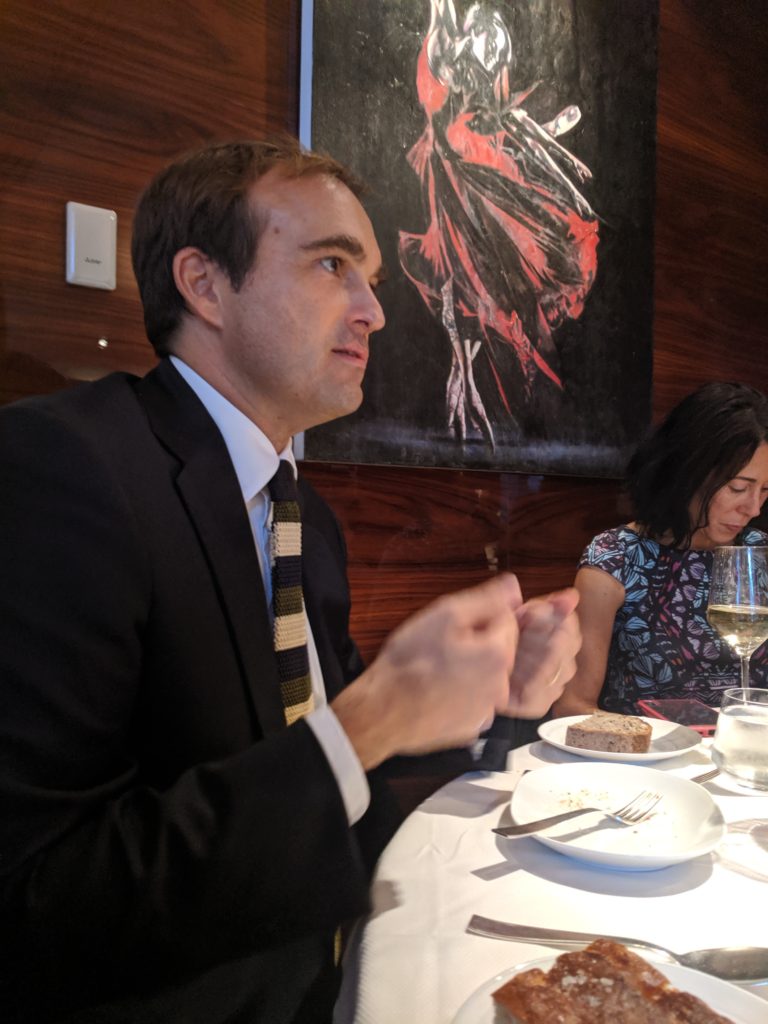
Yet despite these noble connections, the family is decidedly down to earth as evidenced by the warm welcome received by several wine writers who recently met with Alessandro Ruspoli at Marea Restaurant. Alessandro, son of Pietro, represents the estate internationally and was in New York to share his wines with the press and trade.
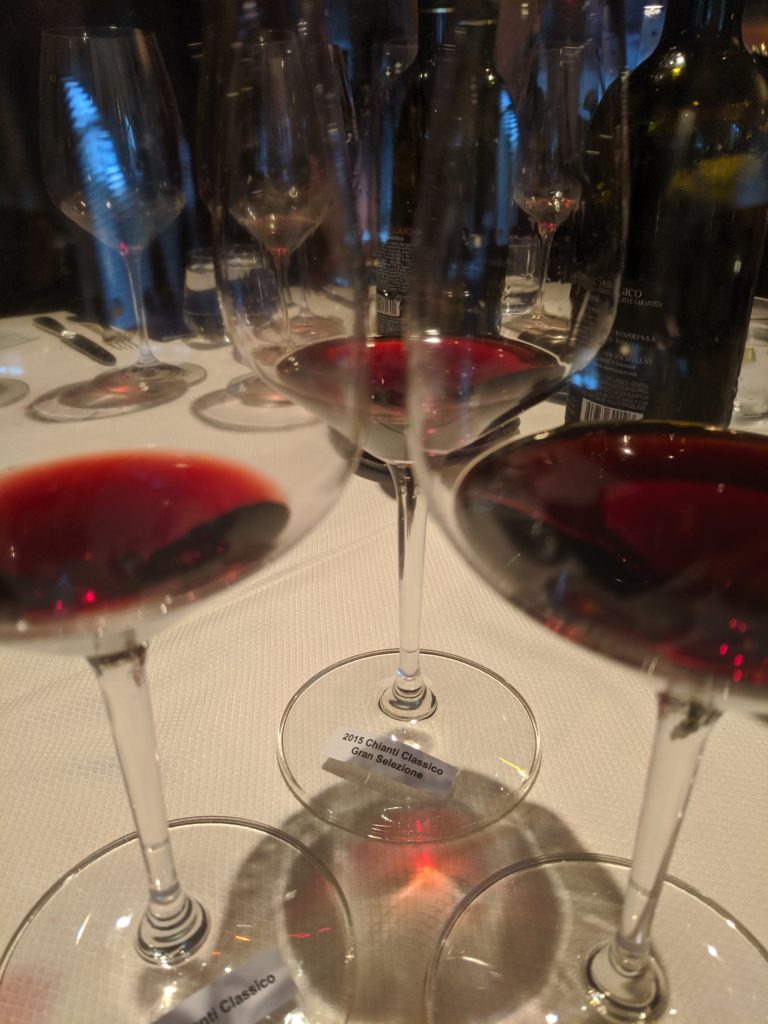
While Teunta di Lilliano produces a full complement of Tuscan wines and grappa, our agenda for lunch was squarely on Chianti Classico. Accordingly, we tasted the three levels of this wine: Chianti Classico, Chianti Classico Riserva and the newer, Chianti Classico Gran Selezione. Each wine was beautifully paired with its own course, thanks to Brand Ambassador, Tony DiDio (of TD Selections)’s practiced palate.
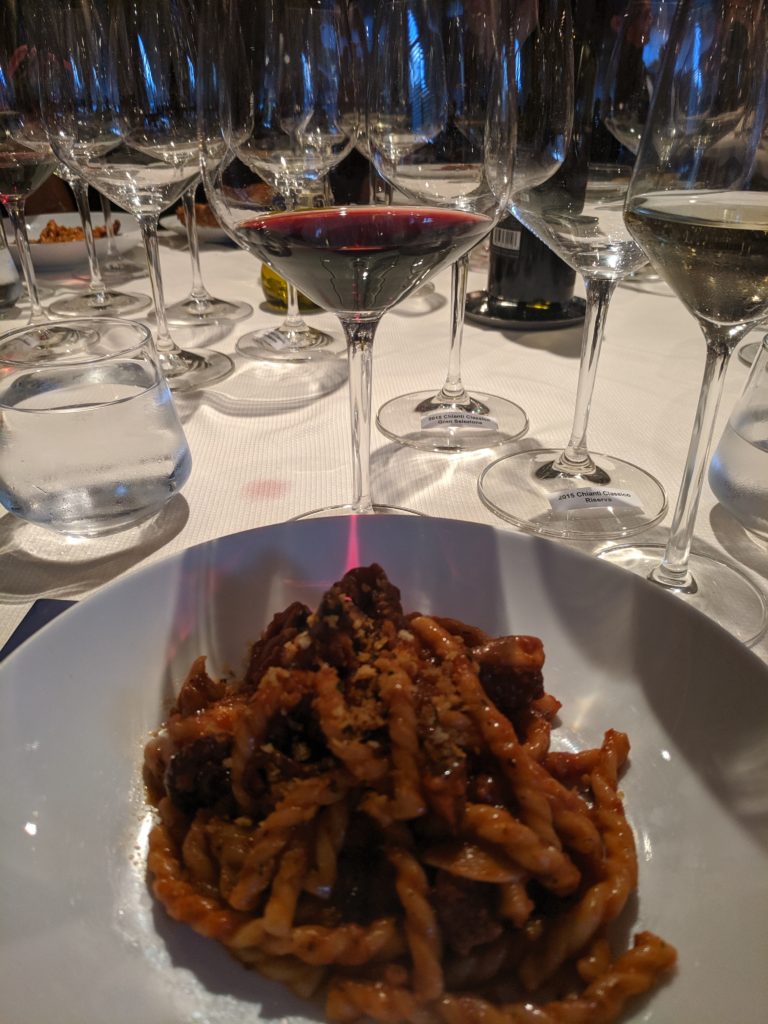
A blend of 90% Sangiovese, 5% Colorino and 5% Merlot, the Chianti Classico 2016 (SRP $20) was fermented in concrete and then aged for 12 to 14 months in large, French casks. It was paired with Fusilli served alongside a rich and decadent, red wine-braised octopus with bone marrow. The wine offered up clean and classic aromas of cherry, black cherry, leafy/herbal notes, giving way to lovely tannins and acidity on the fresh, elegant palate, culminating in long length.
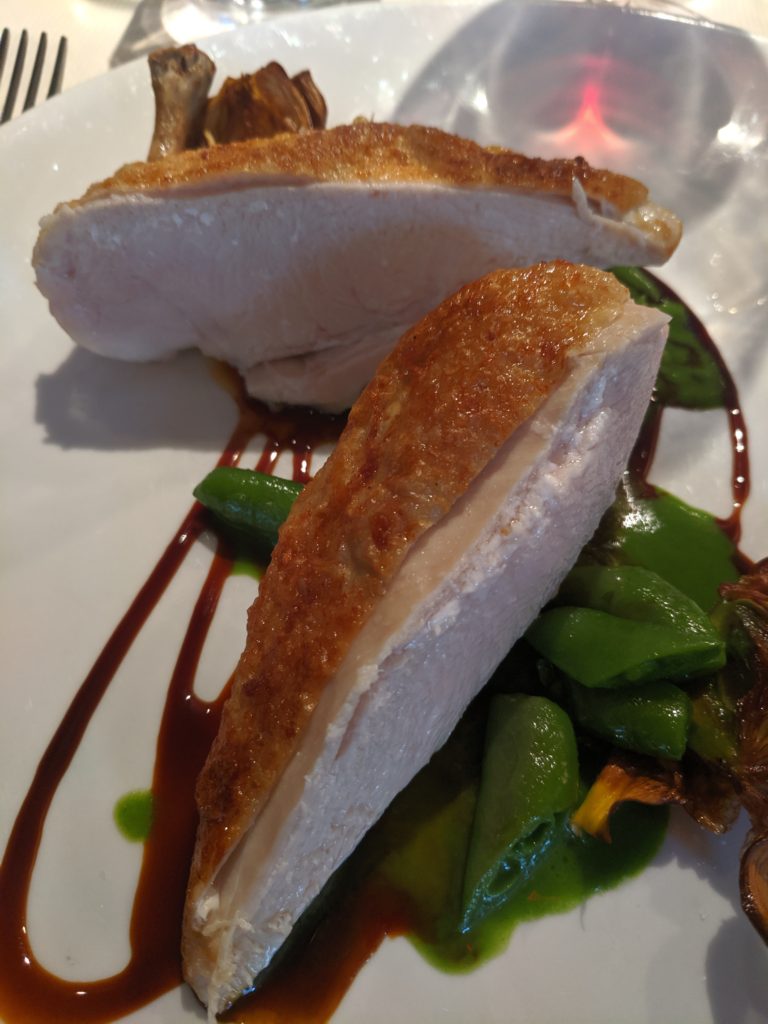
Served with Polletto pan roasted chicken breast, fennel, artichoke and snap pea, the Chianti Classico Riserva 2015 (SRP $32) was produced with 100% Sangiovese and aged for 15 months in large French casks. Traditional in style, the wine is very elegant and long lasting, with red fruit, dried herbs, and noticeable, but well-integrated, wood/oak that lingers in the long finish. In the future, it is anticipated that the Riserva will become a blend instead of a mono-varietal going forward as they determine the direction of the Gran Selezione.
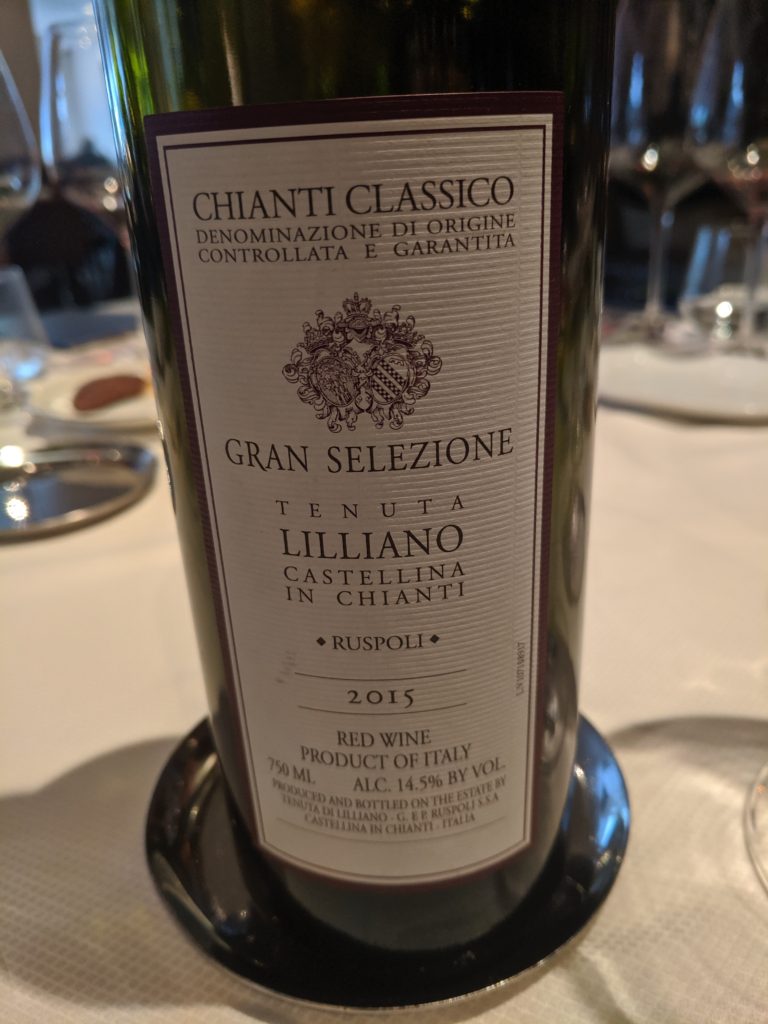
In keeping with the family’s forward thinking, Tenuta di Lilliano was one of the first properties to have a Chianti Classico Gran Selezione. Launched in 2010, this new, higher quality tier, requires longer aging and better quality grapes to qualify for the category. Alessandro acknowledges that it was created to shed light on Tuscany during a low time, but feels that they have wisely used the opportunity to develop a new, high quality wine, crafted from a particularly prized vineyard. In this regard, they have made a single vineyard Cru with 100% Sangiovese, with the intention of showcasing the the best expression of the variety, making a wine that is even better than their Riserva.
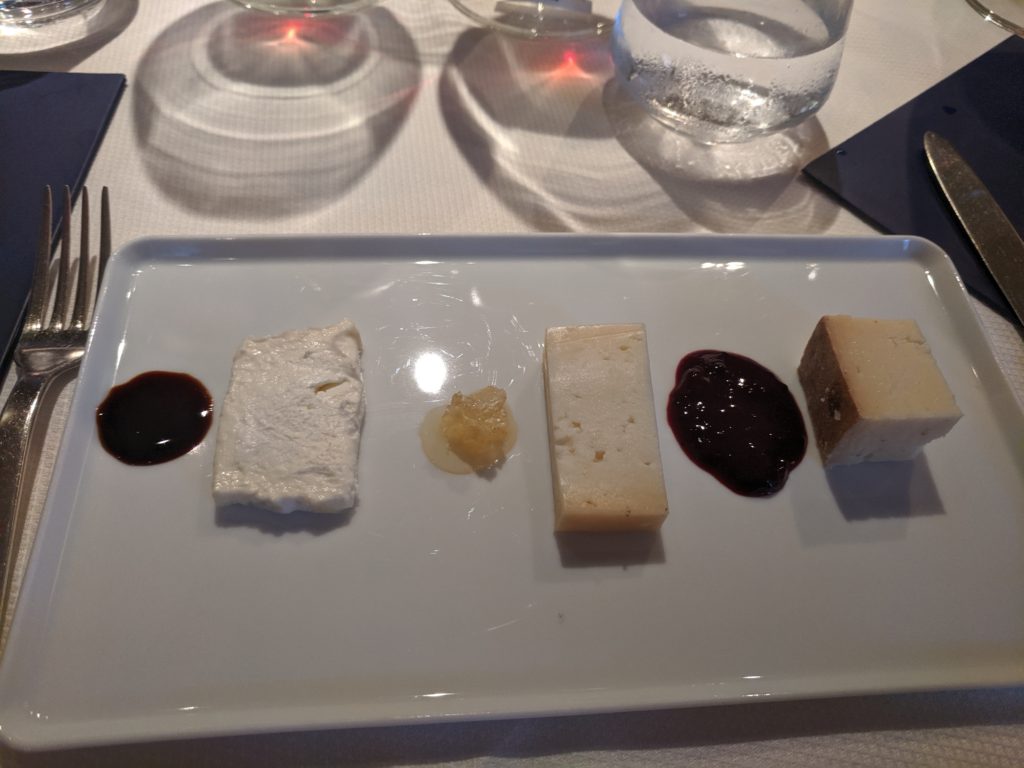
Presented with a trio of cheeses, the Chianti Classico Gran Selezione 2015 (SRP $36) displayed deep dark red and black fruit, with a beautiful hint of spice. Its palate offered up bright acidity, medium+ body, fine grained tannins and very long length.
It is clear that these wines honor Princess Eleonora’s lasting legacy and will continue to garner attention; they just need to figure out a better way to keep out the wild boars!
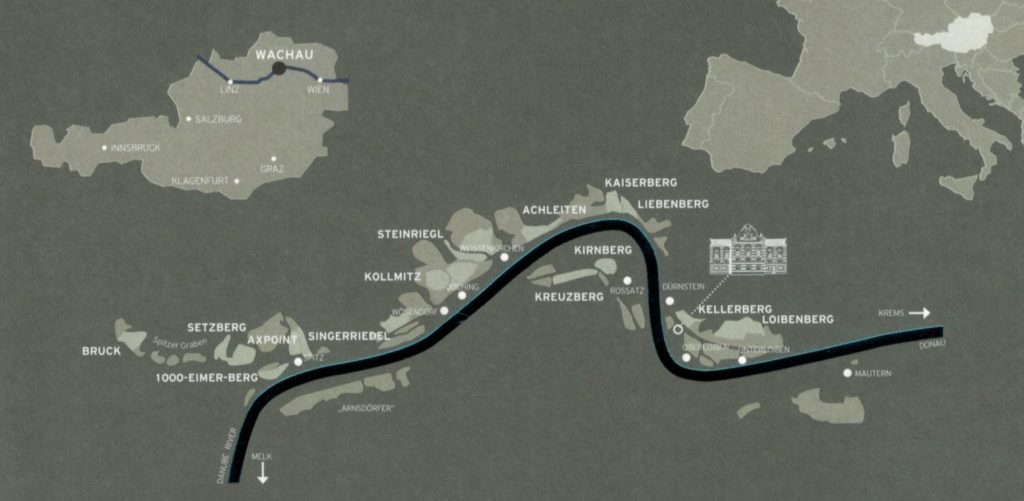
On what was a long overdue visit to the U.S. (and only his first time in New York), Domane Wachau’s winemaker Heinz Frischengruber poured a collection of his wines for the media at Aureole restaurant. Owned by 250 families, the Domane Wachau estate is located in Austria’s highly esteemed Wachau wine region, which is an UNESCO heritage site for both its natural beauty and its culture. Viticulturally, the region is known for its cool climate, diverse soils, river influence and abundant sunshine.
Originally born and raised in the region, Heinz has been at Domane Wachau for fifteen years and has become an integral part of the team, focusing his quality efforts on viticulture and traditional winemaking techniques. Heinz’ family is also in the wine industry (his brother currently runs the family business), so he grew up with wine in his blood (or at least in his backyard).
Before arriving at Domane Wachau, Heinz previously worked in Germany, gaining experience at Geisenheim and also studied overseas as well to build his knowledge base. But, he had always wanted to work at Domane Wachau, which is very well known and respected in the area. Its 1,000 hectares are considered to be the best terroir in the region, many of which are situated directly on the Danube. Here, the steeply terraced vineyards must be worked by hand; in fact, one-fifth of the vineyards are not accessible by tractor due to the vertical nature of the terrain. In recognition for the challenges inherent in maintaining such vineyards, an association has been created to save the terraced vineyards for the next generation.
With the region’s mosaic of different soil types, microclimates, higher and lower altitudes, Heinz loves to play with single vineyards. In this regard, he noted, “You have to know your soils,” in determining which style of wine to make. Further, he understands his grape varieties, explaining that Riesling can adapt even better than Gruner Veltliner, calling Gruner a luxury variety due to its heightened need for water. Yet, it, too, can be grown on a variety of different soils, producing a versatility in wine styles, attributing marked spiciness in the variety when grown on terraced vineyards and stone fruit with a rounder, fatty profile when grown on loess soils.
In the vineyards, there is a strong commitment to sustainable agriculture and biodiversity. When asked about climate change, Heinz reported that there has been significantly less rainfall and the occasional crazy high temperatures (greater than 35o C) in recent years. Accordingly, canopy management is more important than ever to shade the grapes, retain acidity and avoid burning.
Once the grapes are in the winery, Heinz declares, “I’m a caretaker, not a winemaker.” A big fan of traditional winemaking, he prefers to utilize skin contact to produce fresh, elegant and spicy (read a peppery note – similar to the pyrazines found in Sauvignon Blanc) in his Gruner Veltliners. This skin contact also gives some tannic grip that adds to the complexity of the wines.
As we tasted through a collection of wines at lunch, it was clear that these were well-made, elegant and concentrated wines that provided beauty, balance and bang for your buck. In other words, they were simply wonderful!
TASTING NOTES
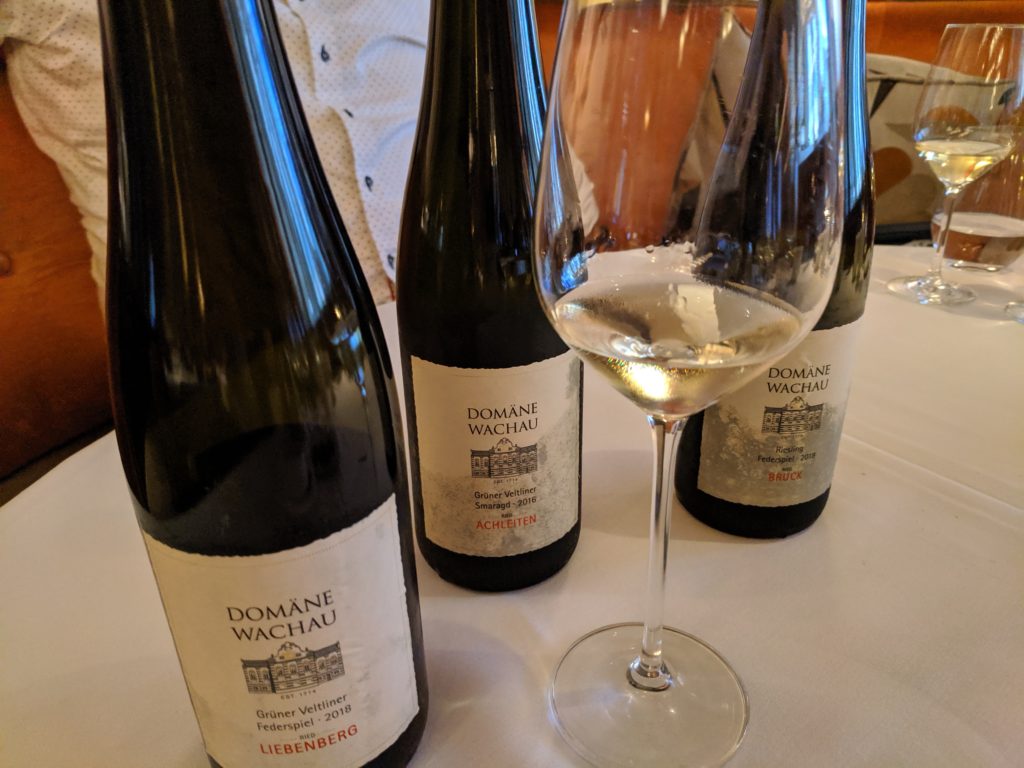
Domane WachauGruner Veltliner Federspiel Terrassen 2018 – $18.00 Grown on steep terraced vineyards, this entry-level Gruner Veltliner offers up citrus and minerality on the nose. On the dry, medium-to-full bodied palate, it is rich and mineral on the palate with good acidity, stone fruit, peach pit and very long length.
Domane Wachau Riesling Federspiel Terrassen 2018 – $20.00 From the same entry-level line, the Riesling was more aromatic, with pronounced aromas of peaches, apricot, exotic fruit, pineapple, spiciness, flinty, and a hint of black pepper, which Heinz attributed to the soil. It was more concentrated, fuller-bodied and richer than a German Riesling, with medium acidity and long length.
Domane Wachau Gruner Veltliner Federspiel Ried Liebenberg 2018 – $25.00 Produced from the Ried Liebenberg single vineyard, which consists of very steep terraces and poor sandy soils, this wine offers up concentrated stone and mineral aromas. It was dry, but with riper fruit than the Terrassen GV, with apricot, stone, slight spice, displaying a structured, more terroir driven wine, with medium acidity, medium body and culminating in long length.
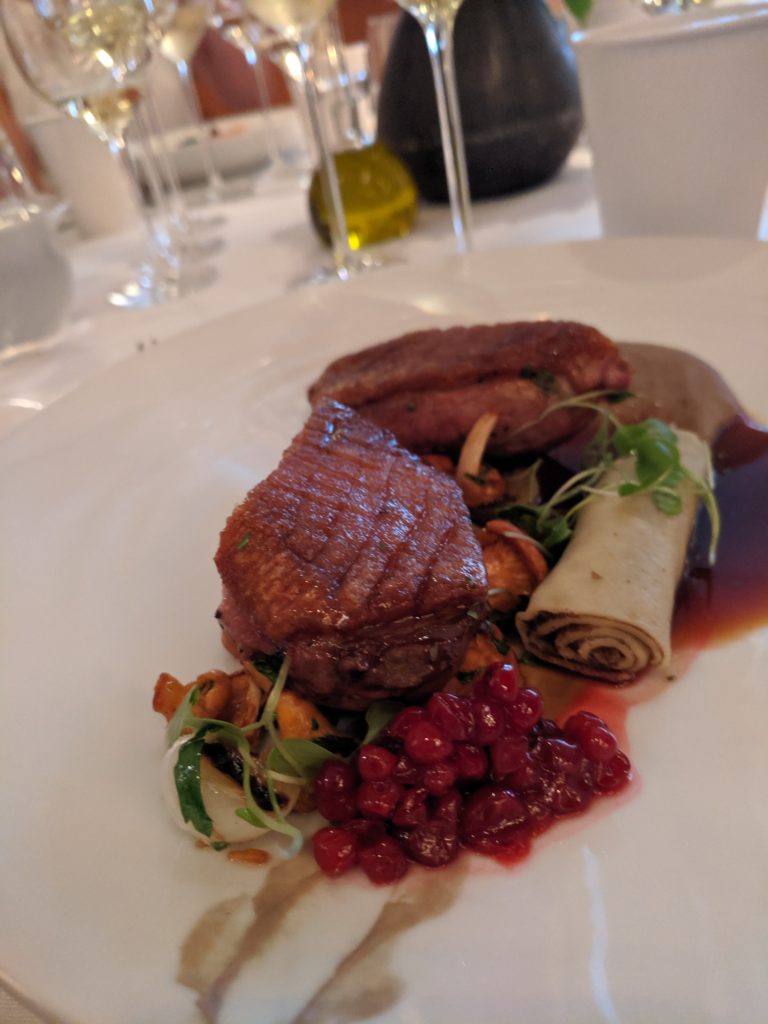
Domane Wachau Riesling Federspiel Ried Bruck 2018 – $25.00 Sourced from the winery’s coolest area, with grapes grown on south facing slopes, the Ried Bruck single vineyard Riesling greets the nose with white peaches, mandarin oranges, and marzipan. It had higher acidity than the Gruner Veltliner, with notes of smoke, petrol and wet stone on the long finish. Domane Wachau Gruner Veltliner Smaragd Achleiten 2016 – $46.00 We finished the meal with the outstanding Achleiten, a very steep single vineyard made up of dark stones and flinty soils that fades right into the Danube. The resulting wine was well structured with good aging potential, dominated by peach and mineral aromas and flavors. The fresh palate was concentrated with long length and sufficient body and complexity to pair with heavier dishes such as duck or beef.
NB: Established in 1983, Vinea Wachau celebrates wines of provenance made only from Wachau grapes. There are three different (and hierarchal) style categories ranging from lightest to the most concentrated, each represented visually by an Austrian symbol to reflect the unique style and heritage of each wine.
Steinfeder: Feather Lightest in style, with a maximum alcohol by volume (abv) of 11.5%.
Federspiel: Falcon Medium bodied, with an abv of 12-12.5% abv, always fermented dry, elegant
Smaragd: Lizard This highest category is reserved for dry, concentrated and complex wines, made from very ripe/late harvest grapes sourced from the best vineyards and fermented dry.
A flurry of events featuring the women of wine kicked off the season’s return after the summer hiatus. Admittedly, women in wine is both new and nothing new. As they say, behind every great man is a great woman. But, perhaps the more novel news is that women are now standing (in) front and center of (or at least next to) many men in the vineyards and wineries the world over.
While I missed it due to ill health, the Women in Australian Wine Awards honored the women who have made their mark in Australian wine. The world’s “first and only awards platform for women in wine,” was held on September 17 in New York.
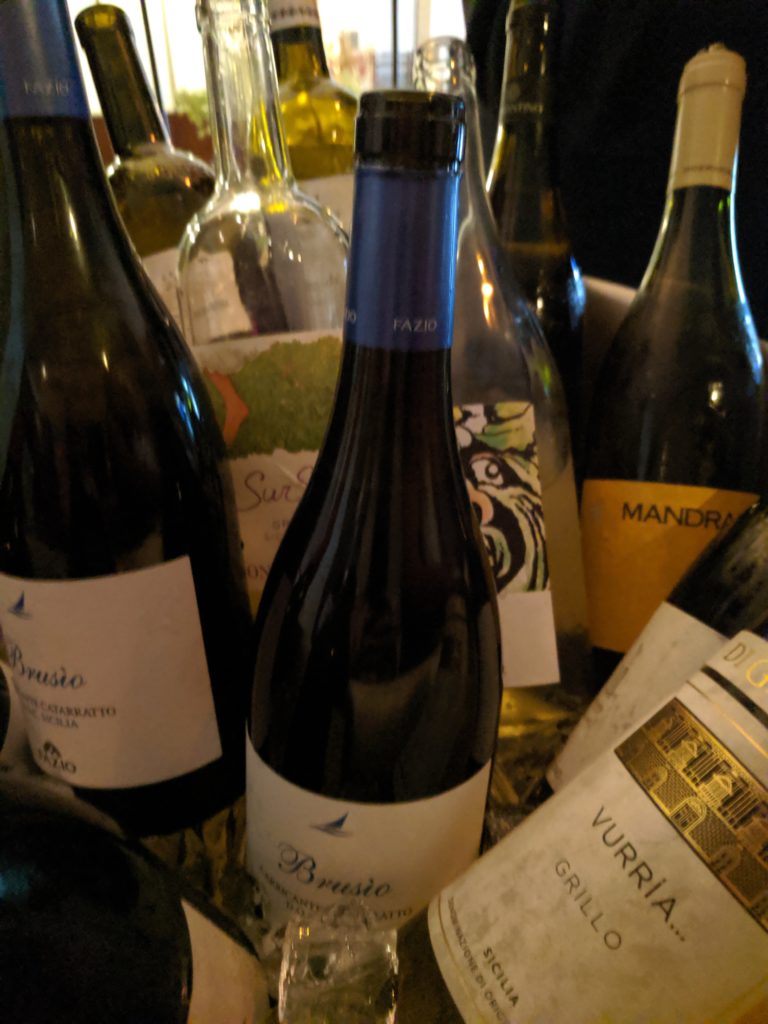
Similarly, an event earlier in the month presented a wide range of Wines of Sicily, recognizing the women in this region. I had the opportunity to meet Lilly Ferro Fazio, Export Manager of Casa Vinicola Fazio, who shared her experiences in bringing together the women of her region and noting the challenges they faced amidst a very traditional/male-dominated society. She addressed the need to find support and resources to successfully manage both her job and the family household because her husband still expects her to fulfill a traditional spousal role in addition to her career.
Another wine woman bucking the trend of being a simple, stay-at-home mom, is Argentine winemaker, Susana Balbo who initially applied to study nuclear physics in Bariloche. Her parents would not permit her to leave Mendoza, but, not one to be deterred, she eventually became the first woman in Argentina to earn a degree in enology. By 2012 she had been named as one of the “Most influential women wine-makers” by The Drink Business magazine, and, six years later, was listed among “The 10 most influential women in the wine world” in the same publication.
Today, Susana Balbo produces wines in both Mendoza and Salta regions. Her wines are well respected and can be found in the market under two labels: her namesake Susana Balbo and her Crios line. The Crios portfolio recently underwent a makeover, sporting new packaging that emphasizes the wines’ elegance and classic nature. Available in four different varietal options, the wines were recently released in the New York market.
Crios Torrontes 2018, Cafayate (Salta) and Valle de Uco (Mendoza), Argentina, $15.00 Pronounced nose with floral, tropical fruit, hint of cotton candy and a dry, yet ripe, palate with medium-to-full body, medium acidity and long length.
Crios Rose 2018 of Malbec, Vallee de Uco (Mendoza), Argentina, $15.00 Notes of strawberry, cherry and watermelon greet the nose. The palate is dry, with medium+ acidity, medium body, culminating in long length.
Crios Malbec 2018 Vallee de Uco (Mendoza), Argentina, $15.00 Deep in color, this wine displays fresh and dried herbs and blackberry aromas, which are joined by spice and red fruit flavors on the dry, full-bodied palate, with good length.
Crios Cabernet Sauvignon 2018 Vallee de Uco (Mendoza), Argentina, $15.00 The nose offers up lovely red and black fruit, which persist on the dry, full-bodied palate, with textural tannins, blackberry, black cherry, oak, with good acidity and long length.